NARRATIVE DESIGN
Planning & Cases
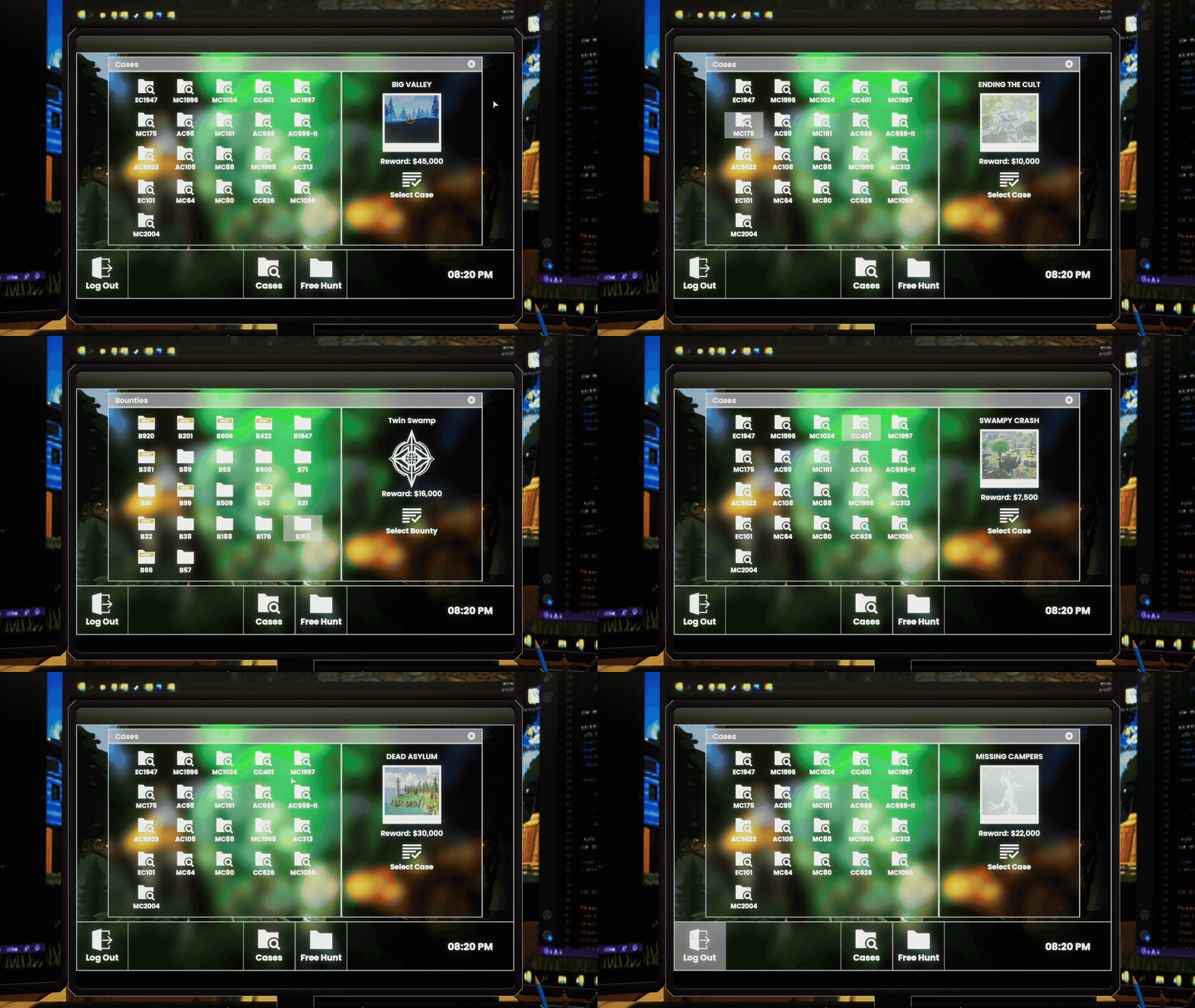
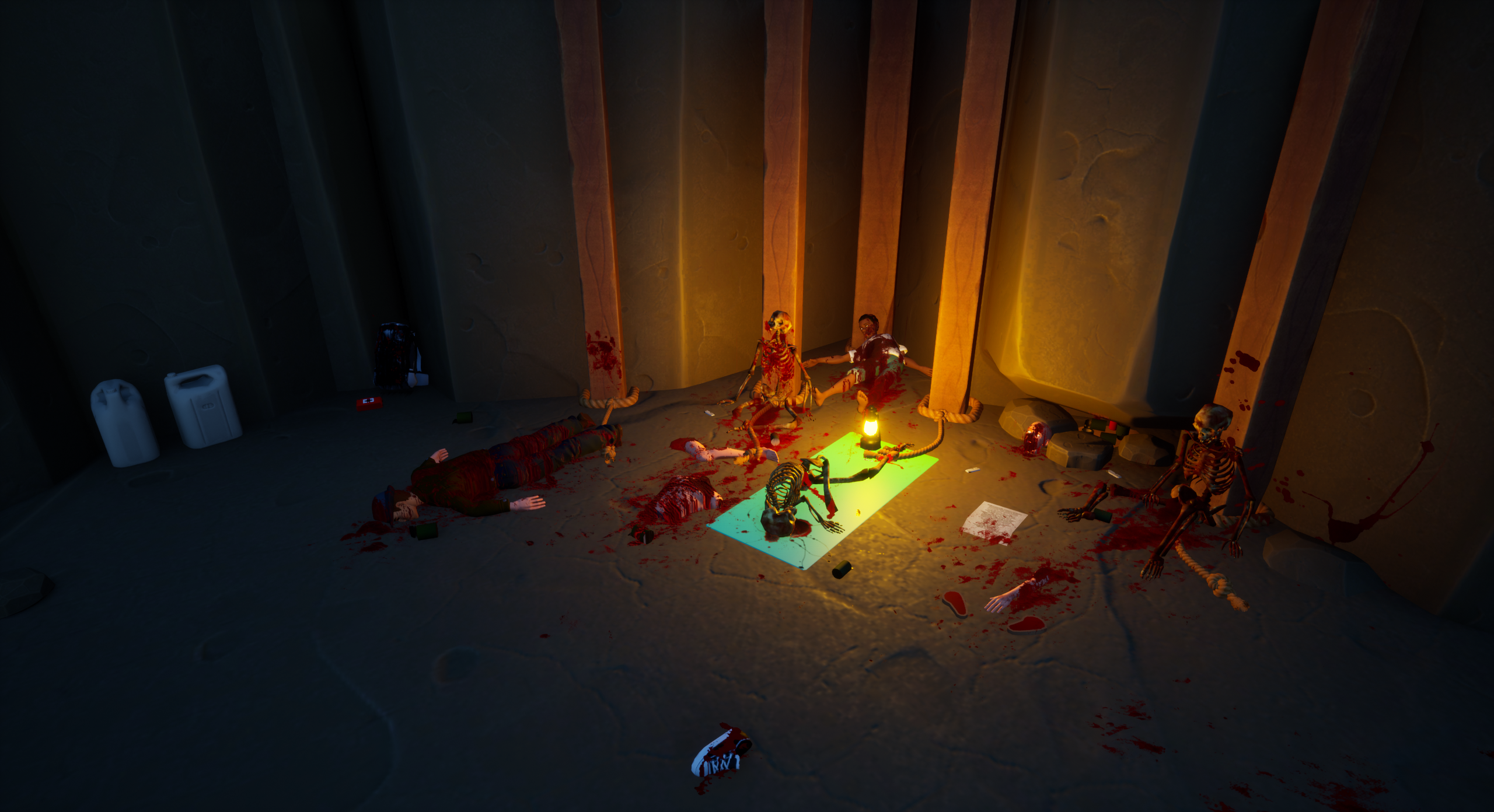
I drew inspiration from horror films, games, classic folklore, and real-world paranormal stories when developing the Cases that make up A DAY OUT’s Story Mode. Each Case introduces a unique story, a Monster to hunt or capture, and a mystery for the player to uncover.
I wanted each Case to feel self-contained while still contributing to the larger world. I approached them similarly to episodes of a television series: each Case needed its own Intro, Conflict, and Conclusion, while leaving room for certain stories to connect into larger narrative arcs.
My research process was heavily influenced by the subject of each Case. If I was designing a Case around a Wendigo, for example, I would research its folklore and history, watch films and short horror stories featuring the creature, and gather other references that could help establish the appropriate tone and interpretation. I also collected photographs, videos, sounds, and other visual references to guide the atmosphere and narrative direction.
With this process, I wanted every Case to feel:
- Engaging & Mysterious — Each Case needed a compelling hook and enough unanswered questions to encourage players to keep investigating.
- Consistent & Believable — Stories, environments, and details needed to feel grounded within A DAY OUT’s established world and maintain continuity across Cases.
- Self-Contained — Each Case needed to function as a complete story with its own setup, conflict, and resolution, while still leaving opportunities to expand the larger narrative.
To keep the writing and design consistent across such a large number of Cases, I created a simple set of questions to guide the development process:
“Why are we here?”
“How does this connect to the world?”
“Does this enhance the gameplay experience?”
“Is it fun?”
These questions helped me evaluate whether a story element was meaningful, fit within the established universe, and ultimately served the player experience rather than existing simply because it sounded interesting.
In total, I created 32+ unique Cases, with several interconnected into larger narrative arcs. This gave me the opportunity to experiment with standalone stories while gradually building a larger, interconnected world.
Building Story Arcs
Although each Case was designed to stand on its own, I wanted the individual stories to contribute to a larger narrative. I approached the game similarly to a television series: each Case functions as its own episode, while recurring organizations, mysteries, and consequences gradually build toward larger story arcs.
This structure allowed me to foreshadow future events, revisit ideas introduced in earlier Cases, and reward players who paid attention to the larger story. The spacing between updates also gave the community time to develop theories and speculate about where each arc was heading. Watching players piece together clues and predict future events became one of the most rewarding parts of developing the game’s narrative.
Some of my favorite arcs include:. Some of my favorite Arcs I made are:
- The Cult of the Sacred Seraphim — 5 Cases / 8 Levels
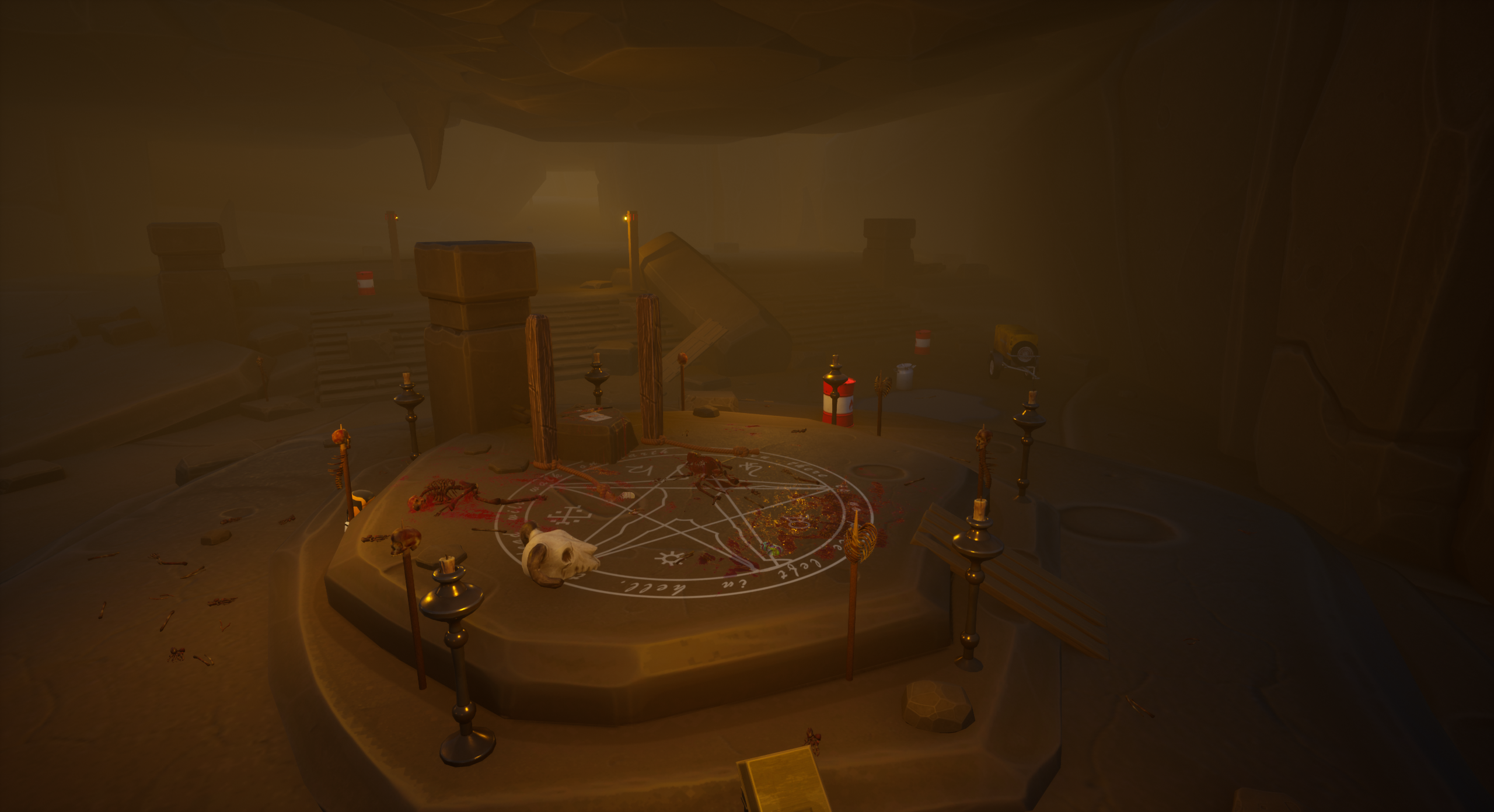
The game’s largest narrative arc begins with what appears to be a mysterious religious cult performing sacred trials. The Cult believes they are proving themselves worthy of Heaven, but the truth is far darker: they have been deceived by a General of Hell posing as an Angel of the Lord. Each Case reveals another piece of the conspiracy, gradually exposing the Cult’s true purpose—to gather the ingredients and complete the rituals needed to open a Gate to Hell. The arc ultimately erupts into A DAY OUT in HELL, the game’s longest and most action-packed Case and the centerpiece of the 2025 Halloween Update. By the time the conclusion arrived, players had spent multiple updates developing their own theories about the Cult, making the eventual payoff one of my favorite moments of the project. - V-Pharmaceuticals — 3 Cases / 3 Levels
One of the first major mysteries introduced during Early Access. What begins with the disappearance of a group of moonshiners eventually uncovers a horrifying operation: V-Pharmaceuticals is deliberately turning humans into monsters. The company has been experimenting on people, manipulating human mutations in an attempt to weaponize the supernatural and profit from the organizations secretly operating within A DAY OUT’s world. The investigation leads the player to an abandoned asylum filled with evidence of these experiments before eventually reaching Dead Estate, a monster-infested mansion belonging to one of the company’s executives. Beneath the estate, the player discovers the full extent of the operation—but the investigation takes an unexpected turn when they learn that someone else has already raided the facility and stolen the research. That organization is the S.O.T.F., setting up the next major threat. - S.O.T.F. — 4 Cases / 4 Levels
Originally planned as one of the game’s primary antagonists, the S.O.T.F. was designed as a dark reflection of the Foundation. While the Foundation captures supernatural creatures to protect humanity, the S.O.T.F. seeks to weaponize the supernatural and use it to dominate the world. Operating more like a covert military force than a research organization, they capture monsters, steal classified research, and develop ways to turn supernatural entities into weapons of war. Their existence is first revealed during the V-Pharmaceuticals finale, where the player discovers they have already raided the facility and escaped with its research. As the investigation continues, the threat becomes even more personal: the S.O.T.F. has infiltrated the Foundation itself, using a mole within the organization to gather intelligence and operate from within. The arc eventually leads the player to a heavily secured facility in Mongolia, where the Foundation and S.O.T.F. clash over a newly awakened Mongolian Deathworm. Although their role was later reduced due to production constraints, the S.O.T.F. remains a threat within the world.
*Some Cases / Levels Overlap and are counted for multiple Arcs*
Notes & Other Lore
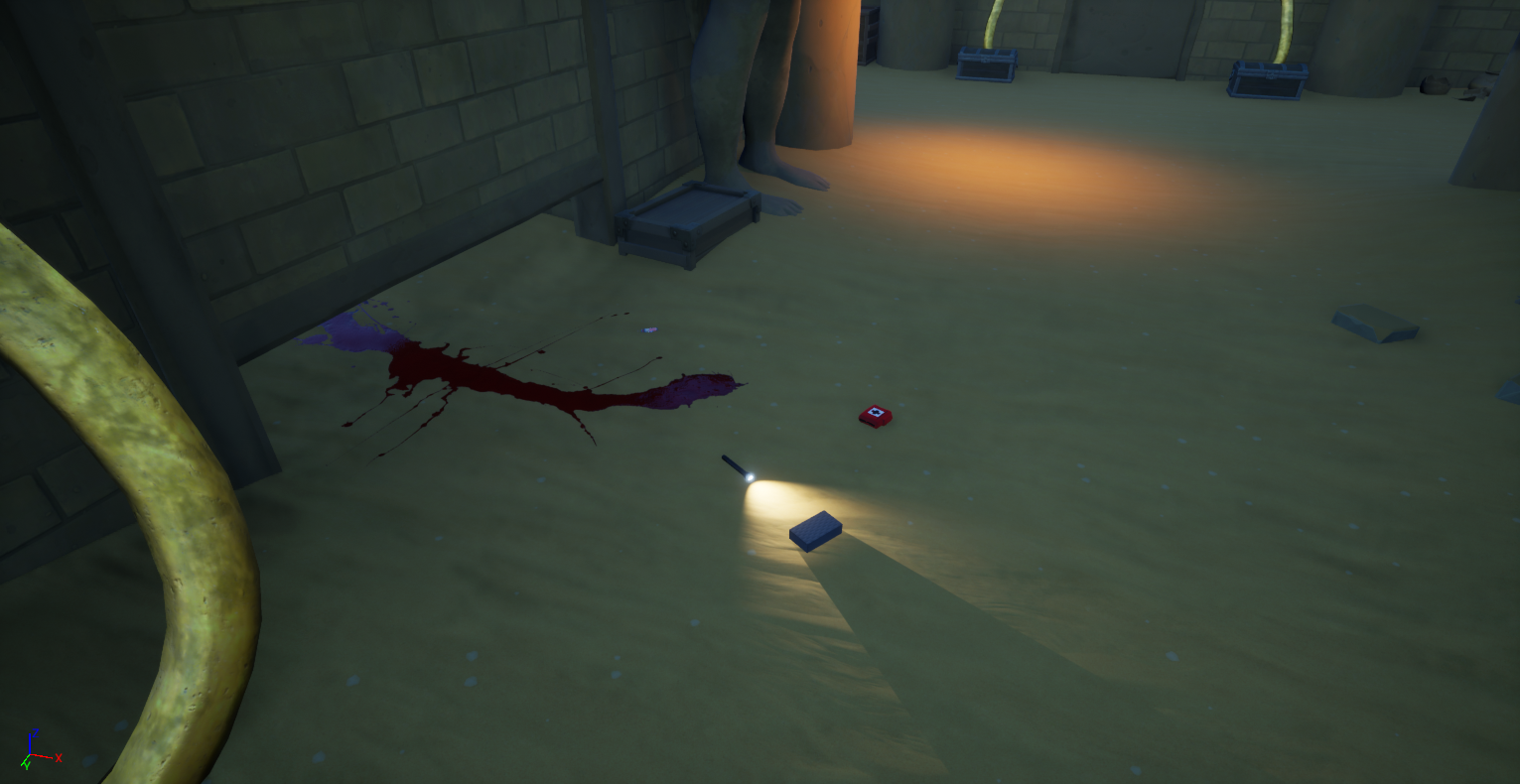
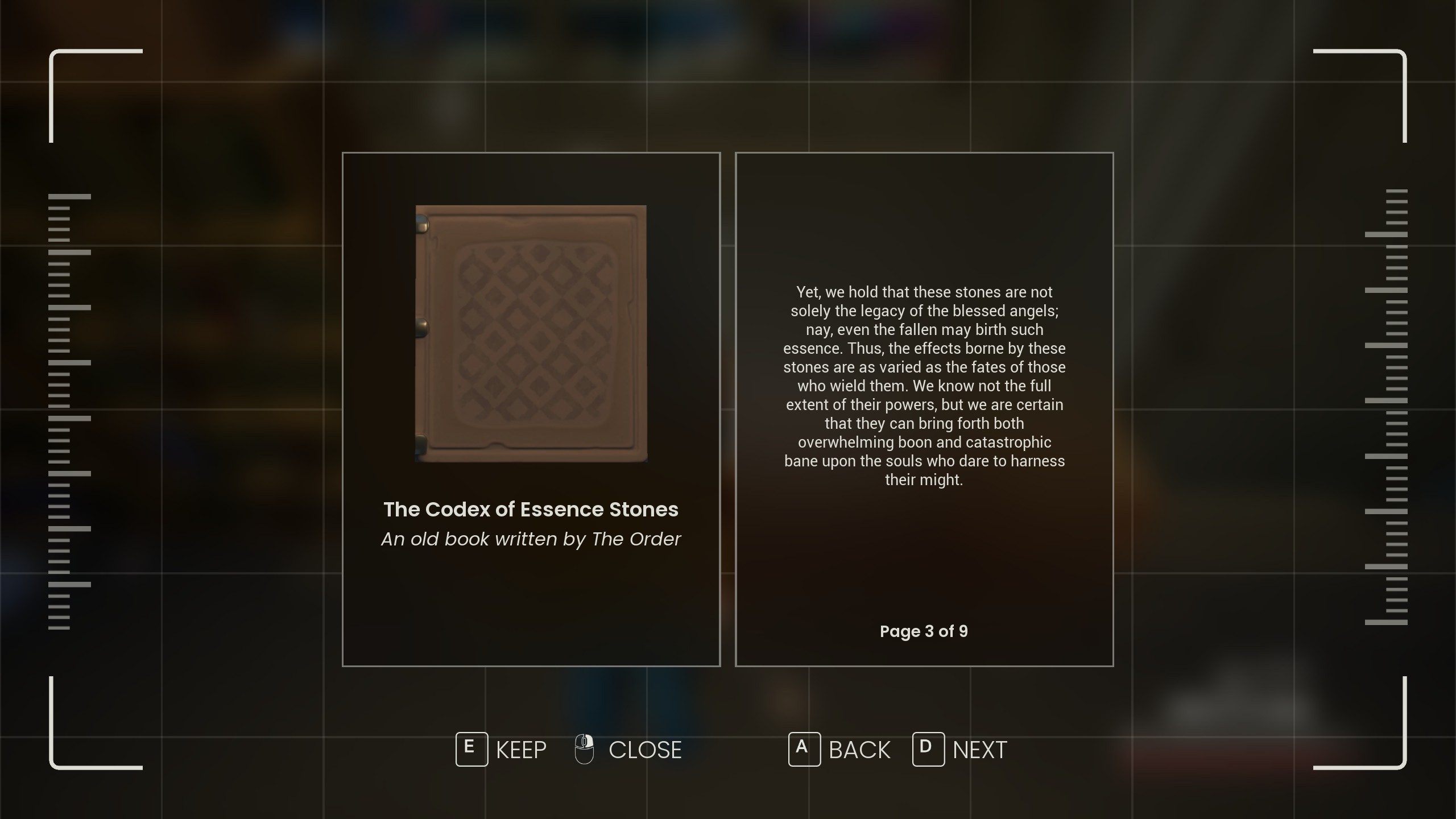
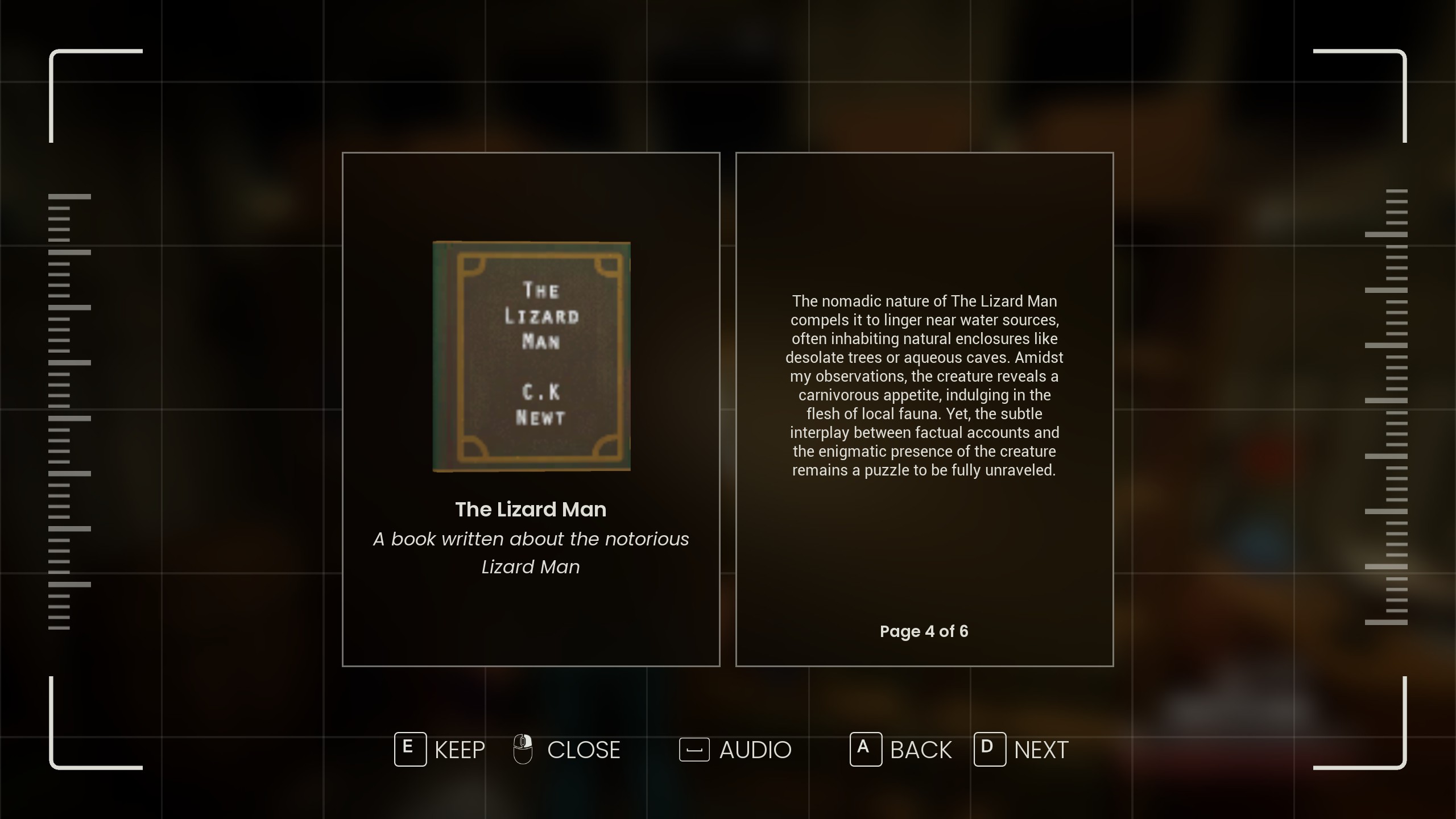
Not every part of A DAY OUT’s world needed to be delivered through dialogue or cutscenes. I used in-world notes, books, documents, and environmental clues to gradually reveal lore and other important information while keeping the player immersed in the world.
When creating or placing a piece of lore, I constantly asked questions such as “Does it make sense for this to be here?” and “How does this enhance the narrative?” This helped ensure that information felt like a natural part of the environment rather than an excuse to deliver exposition. Even the placement of a note could tell a story, so I would put myself in the world and consider who left it there, why they left it, and what the player could learn simply from finding it in that location.
- Narrative Purpose — Each note needed to provide meaningful information, expand the world, or give the player a reason to care about what they were discovering.
- Immersive Placement — I considered who wrote the document, why they wrote it, and why it would still be there for the player to find. This allowed written lore to become part of the environmental storytelling rather than existing separately from the level. (See Level Design Process)
- Clues — Used smaller pieces of information to encourage players to connect details themselves and uncover larger mysteries over time.
I also knew that not every player would want to stop and read an entire document, so I designed the lore to be easy to consume without sacrificing depth:
- Keep It Short — Limited the length of most notes and documents so players could quickly understand the important information without interrupting the pace of gameplay.
- Readable Formatting — Broke longer pieces of writing into smaller sections and paragraphs to make them easier to read.
- Let Players Listen — Created an in-world AI for the player’s Tablet that could read documents aloud, turning written lore into an audio experience. This became one of the most effective ways of encouraging players to engage with the game’s deeper lore without forcing them to stop playing and read.
As we refined these systems, we noticed that more players were engaging with the world’s lore, which encouraged us to continue expanding it. But written notes and audio logs weren’t the only ways I used to convey information.

Whiteboard & Set Up
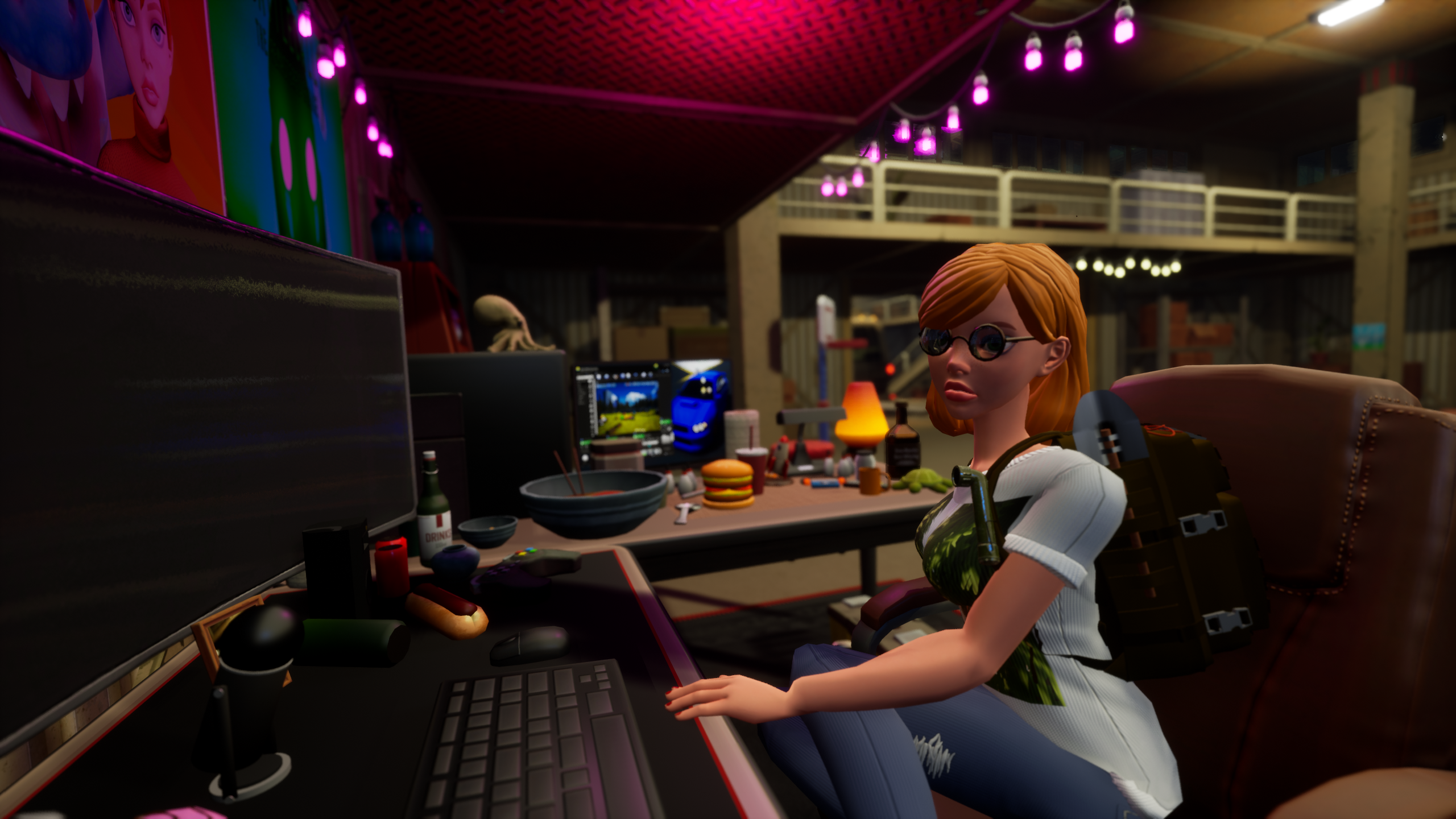
A DAY OUT allows players to plan their Hunts, Loadouts, and Strategy before traveling by RV or helicopter to a Case or Free Hunt. I wanted the preparation phase to give players enough information to make meaningful decisions without revealing the Case’s biggest surprises.
I designed the Case Whiteboard as the player’s primary source of pre-hunt information, combining clues, descriptions, screenshots, and video to establish what they knew before setting out. For every Case, I handled the writing, visual preparation, and supporting media that made up the board.
- 20+ Unique Case Whiteboards
- 4 Custom Screenshots per Case, captured and edited in Photoshop
- 6 Unique Clues per Case
- 1 Custom Video per Case, recorded and edited specifically for the Whiteboard
- Information carefully balanced to prepare the player without spoiling the Case
The goal was to make the Whiteboard feel like an actual hunter’s briefing, giving players enough information to form a plan while leaving the mystery for them to uncover in the field.
Audio Logs:
Audio Logs became an important storytelling tool throughout each Case, helping establish its identity and immerse players in the world. I wrote each log with the Case’s narrative, setting, and characters in mind, while making sure the dialogue felt authentic to the person delivering it.
For example, I considered how a character’s background, location, and personality should influence the way they speak. Someone from Louisiana shouldn’t necessarily sound like someone from New York City. These small details helped differentiate characters and locations while making the world feel more believable.
I applied the same philosophy to notes, journals, and books, ensuring that even smaller pieces of narrative content felt intentional and connected to the Case.
- Grounded Each Case’s Narrative
- Reinforced the identity of individual characters and locations
- Added immersion through authentic dialogue and writing
- Extended the narrative beyond the primary story
World Bible
With 32+ Cases, interconnected narrative arcs, hundreds of pieces of lore, and an expanding cast of characters and organizations, maintaining continuity became a major challenge. As the sole writer, I created the official A DAY OUT World Bible and served as the project’s Lore Master, maintaining the established canon throughout development.
The World Bible became the central reference point for the game’s narrative, allowing me to quickly locate established information and giving the rest of the development team a reliable source for understanding the world.
As the Lore Master my approach focused on:
- Organization — Structured the Bible with a table of contents and internal links, making it easy to navigate and quickly locate specific lore, characters, Cases, or organizations.
- Continuity — Maintained established canon across Cases, narrative arcs, characters, locations, and world events. New content was checked against existing lore to prevent contradictions and preserve the integrity of the world.
- Centralized Narrative Information — Tracked everything from Case details, arcs, notes, books, audio logs, environmental clues, examination points, Whiteboard content, and other narrative material in one organized reference.
As the world continued to grow, the World Bible allowed me to keep the narrative consistent, organized, and expandable without losing track of what had already been established.
BACK