Planning The Project:
Scheduling
From the beginning, I knew A DAY OUT was an ambitious project for a two-person team. Establishing a realistic production plan early was essential—not only for keeping development moving, but for avoiding burnout and maintaining a sustainable pace.
I worked closely with the other developer to establish the project’s technical foundation, development workflow, and long-term goals:
- Game Design Document — Collaborated on a comprehensive GDD that established the game’s core vision, mechanics, content, and production priorities. [VIEW THE GDD]
- Work Schedule — Built a flexible development schedule around both of our availability, allowing us to maintain consistent progress without sacrificing sustainability.
- Unreal Engine 4.26 — Selected UE4.26 based on our existing experience with the engine, allowing us to prototype, implement, and iterate on features efficiently.
- GitHub — Established GitHub as our source-control solution, giving both developers a familiar and reliable workflow for collaborating on the project.
- Early Access — Planned for an Early Access launch from an early stage of development. This allowed us to establish the game’s core experience while using real player feedback to guide additional content, polish, and mechanical improvements.
Planning these elements early gave us a clear foundation to build from while leaving enough flexibility to adapt as the project evolved.
Audio Design
Audio played an important role in establishing the atmosphere and identity of A DAY OUT. I created and implemented a wide range of audio, including environmental soundscapes, monster sounds, encounter music, audio logs, and an in-game radio system.
With such a large amount of audio to produce, I relied heavily on Audacity and a combination of free and paid sound libraries to build the game’s soundscape. Rather than using sounds as-is, I frequently edited, layered, and processed them to better fit the game’s environments and tone.
I also created a large collection of original music and audio specifically for the game:
- Intro Music — Custom tracks created to introduce each Case and establish its tone.
- Dynamic Encounter Music — 15+ unique combat and encounter tracks designed around the game’s dynamic music system.
- In-Game Radio — 27+ original tracks across 5 different radio stations.
- Monster Sounds — Custom sounds designed to give each creature its own audio identity.
- Environmental Sound — Interactive sounds and effects designed around individual locations and gameplay moments.
- Environmental Ambience — Reusable ambient soundscapes designed to establish the mood and identity of each environment.
Ambience
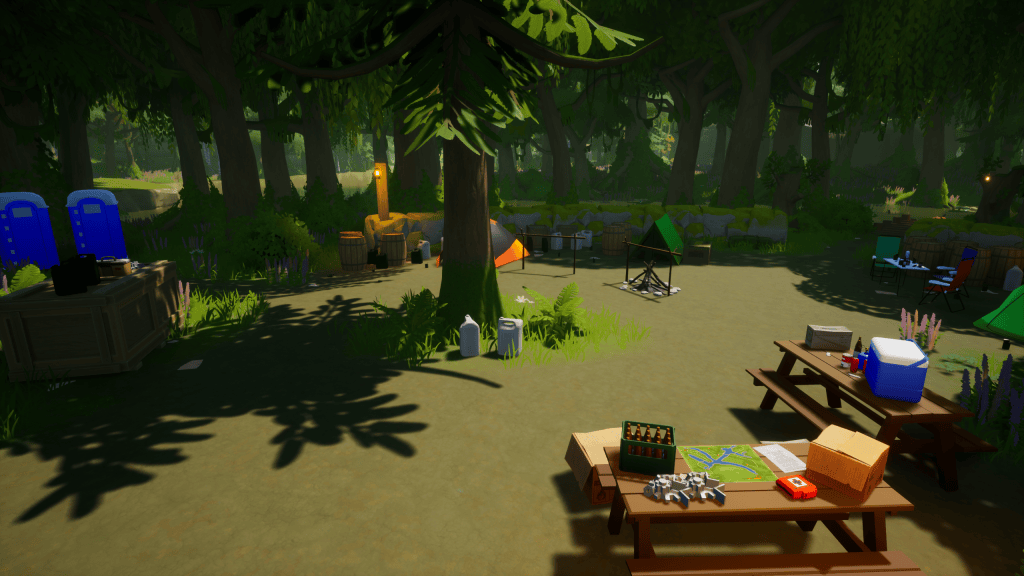
Environmental ambience was particularly important for creating a sense of place. With numerous levels sharing similar environments, I developed reusable ambience systems that could be adapted across multiple Cases rather than creating completely new soundscapes for every level.
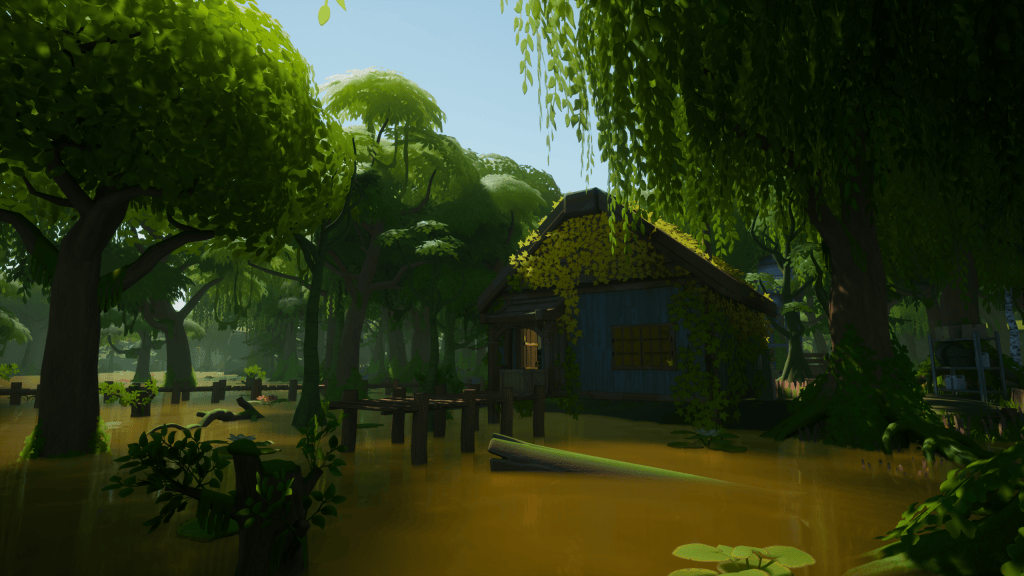
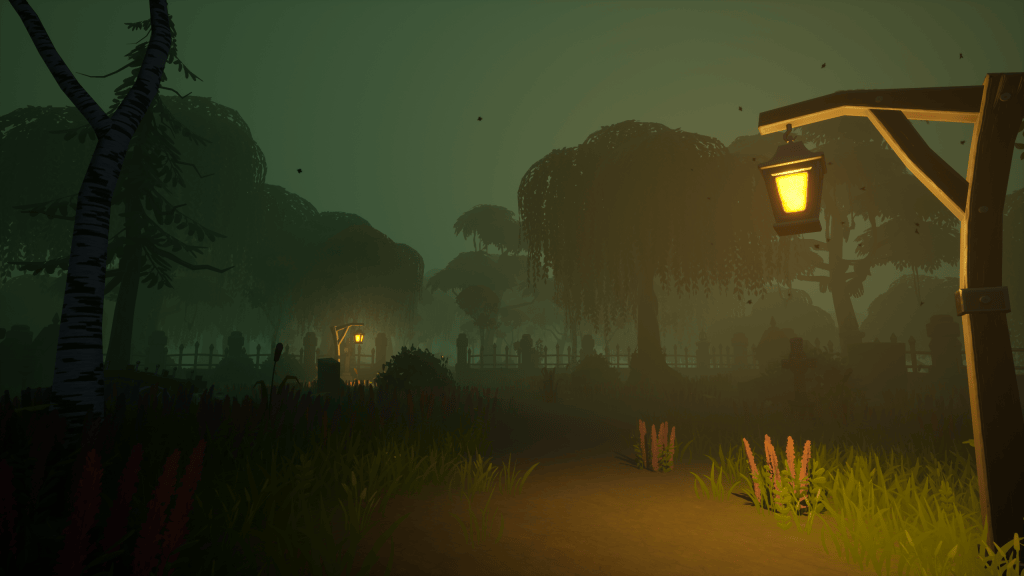
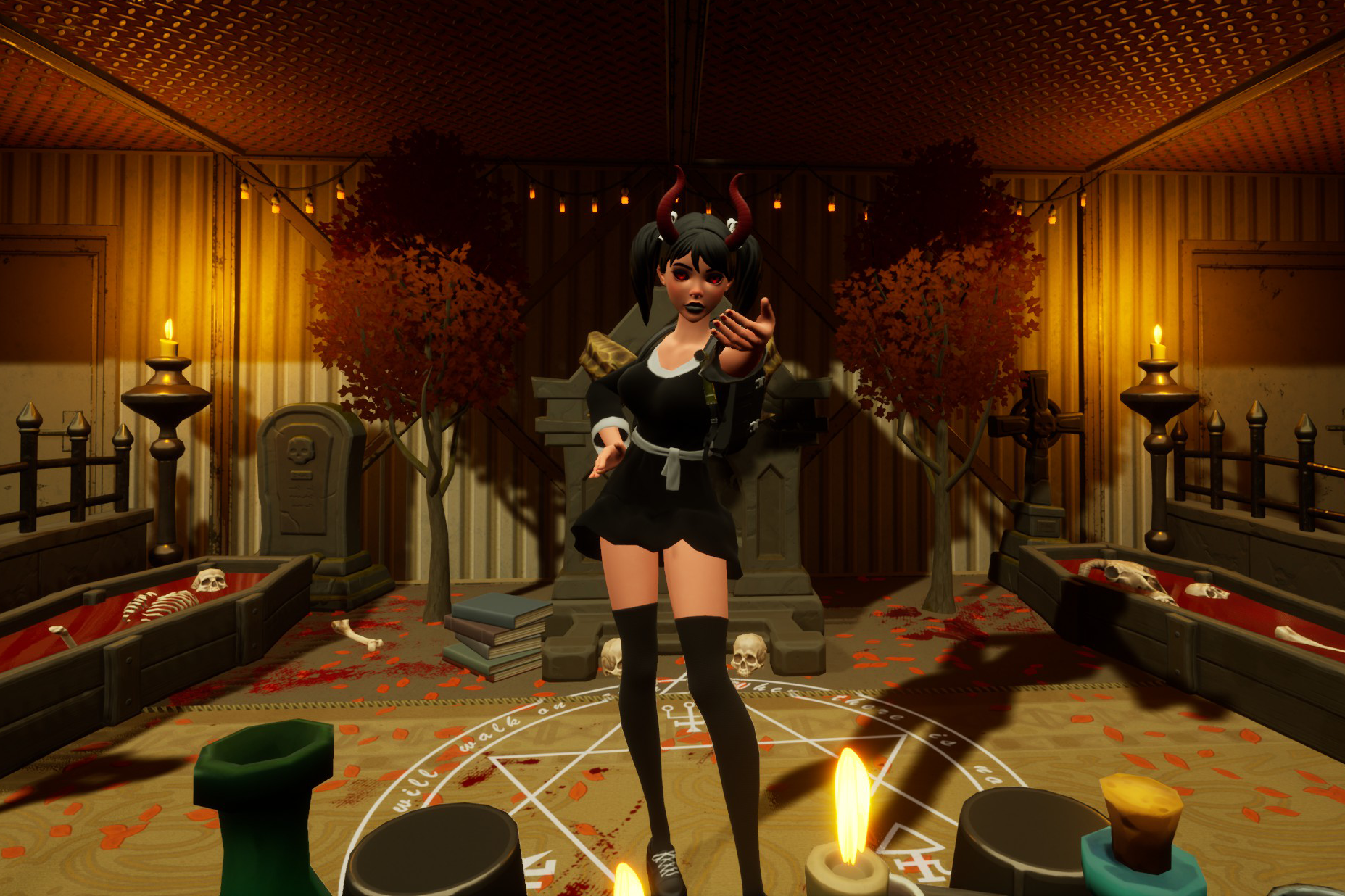
For example, a New England forest environment could share the same foundational ambience across multiple Cases while still receiving additional layers or adjustments to match each location. Purgatory used the ambience created for Sunnyside as a starting point, but I modified it with additional sounds and layers to create a more eerie, otherworldly atmosphere.
I designed separate ambience for interior and exterior environments, allowing each space to have its own acoustic identity while keeping the overall audio experience cohesive.
This approach helped me:
- Establish the mood and tone of each level.
- Improve player immersion and reinforce the sense of place.
- Create reusable audio that could be efficiently adapted to new environments.
- Maintain consistency across levels that shared similar biomes.
Dynamic Combat Music
I wanted encounters to feel more exciting and cinematic without relying on a single piece of music playing throughout the entire experience. I designed a Dynamic Encounter Music system where specialized tracks would play during monster encounters and smoothly transition back into the level’s ambient soundtrack once the encounter ended.
Each track was structured with intentional fade-in and fade-out points, allowing the music to transition naturally without abruptly cutting the atmosphere. Once an encounter ended, the music would fade back into the level’s main track or environmental ambience—leaving the feeling that the threat might still be nearby.
I also created more generic encounter tracks that could be reused across multiple monsters and situations. This gave us variety without requiring a completely unique soundtrack for every possible encounter.
In total, I created 15+ unique encounter and combat tracks for the game.
More Audio Logs
Audio Logs played an important role in A DAY OUT’s narrative, so I wanted each recording to feel authentic to the device or environment it came from rather than sounding like a clean studio recording.
Using Audacity, I processed recordings with effects such as reverb, high-pass filtering, delay, and pitch shifting to create different recording qualities and environments. These subtle changes helped make each log feel more believable while reinforcing the world and narrative through sound.
More examples of how I used audio to support the game’s narrative can be found in Narrative Design.
More From ADO
A DAY OUT required a large amount of supporting visual content, from in-game graphics and UI elements to marketing materials. I handled much of this work myself, creating assets that not only supported the game’s presentation but also helped reinforce its world and identity. Graphic Design used:
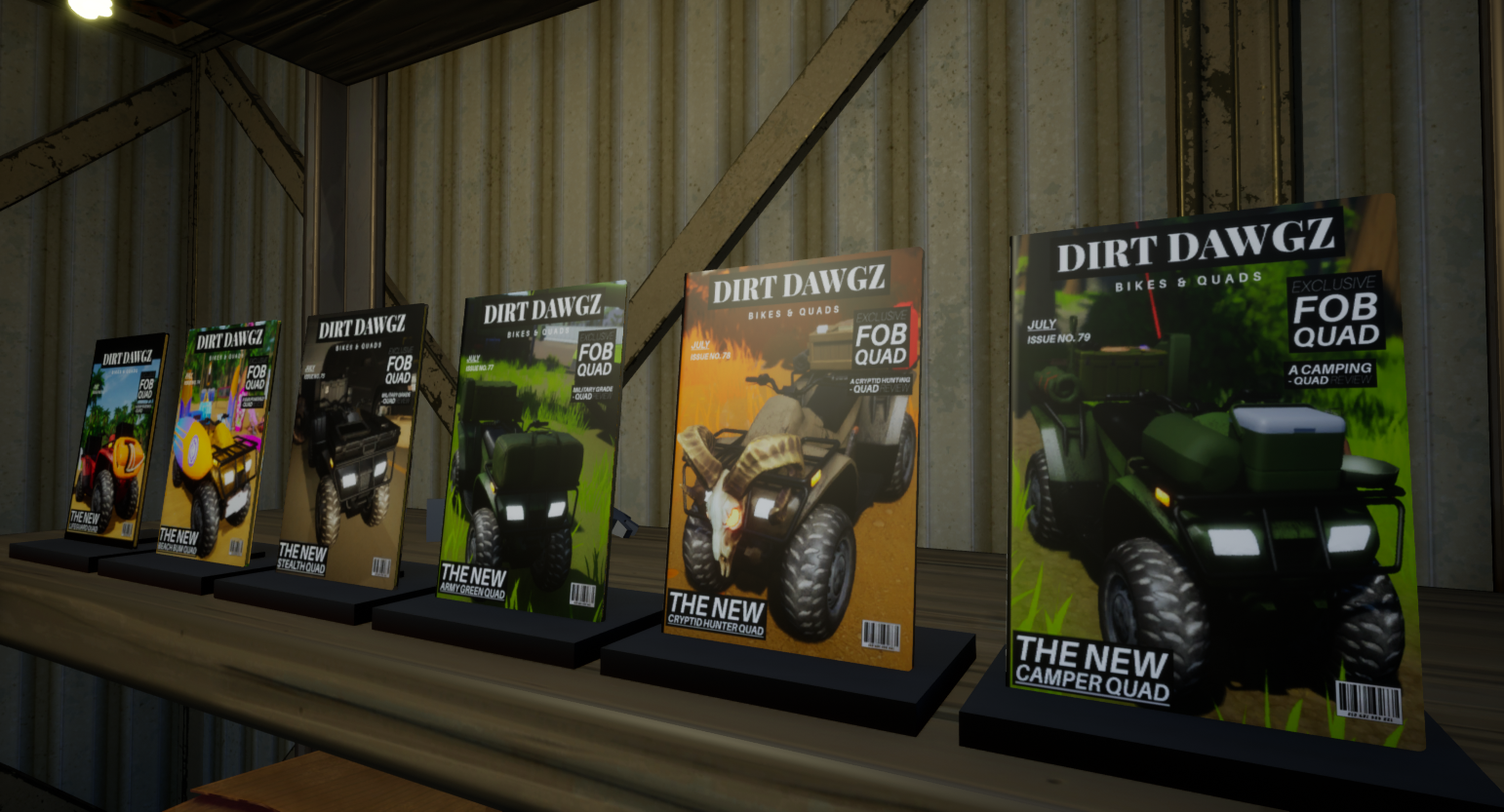
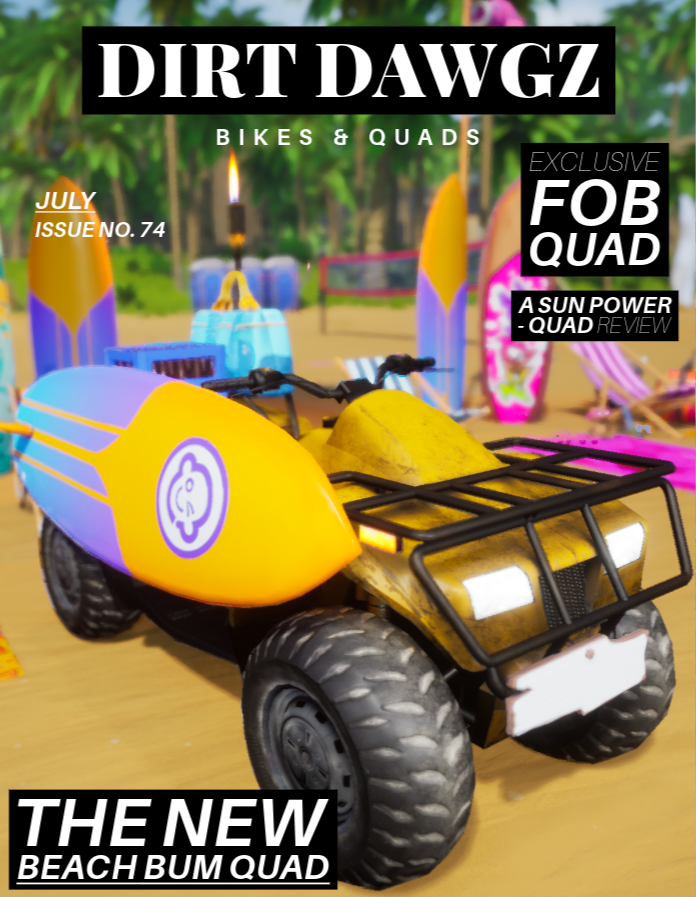
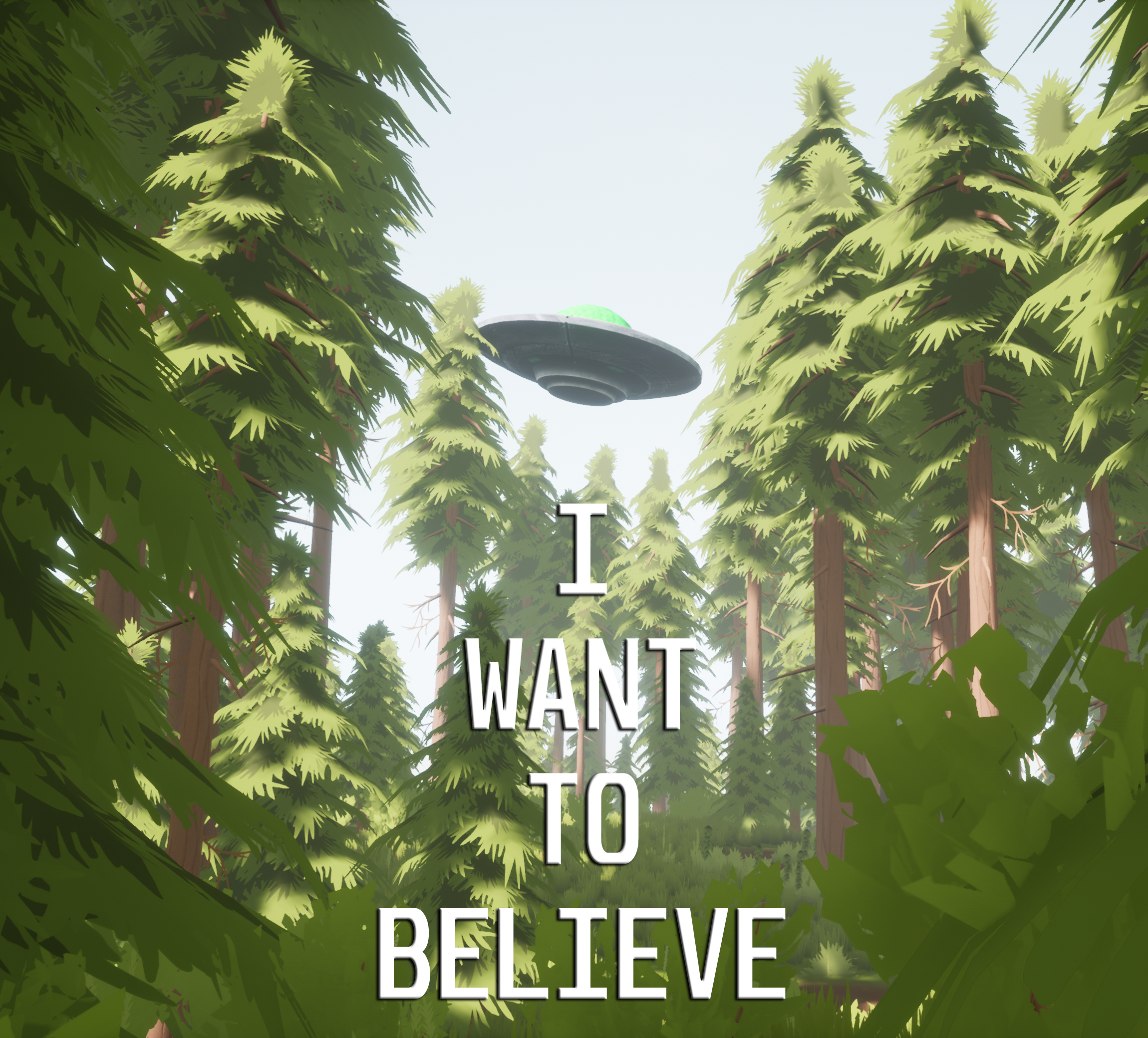
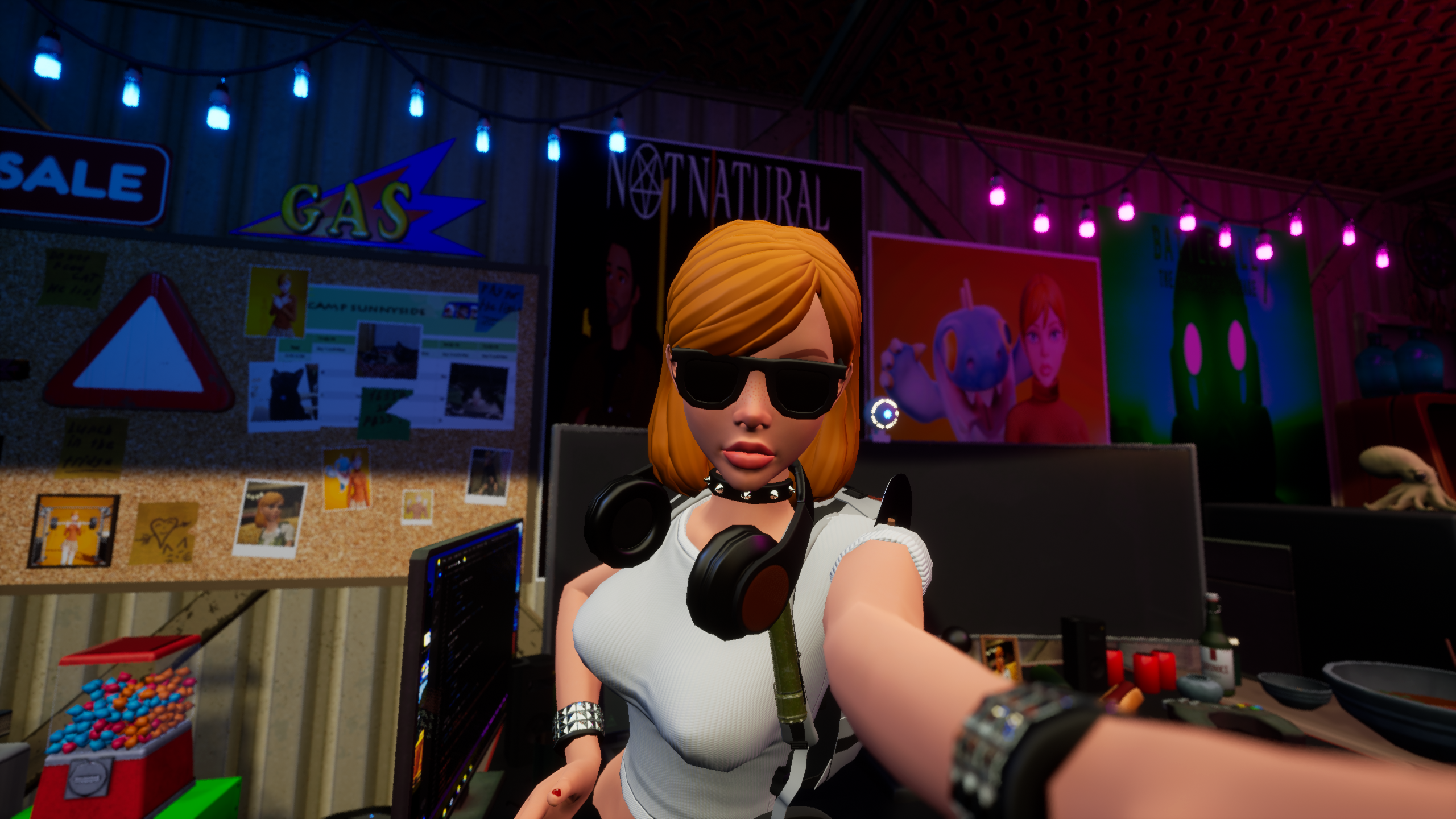
- World-Building Graphics — Created in-world brands, posters, advertisements, and other graphics to add detail and expand the game’s lore.
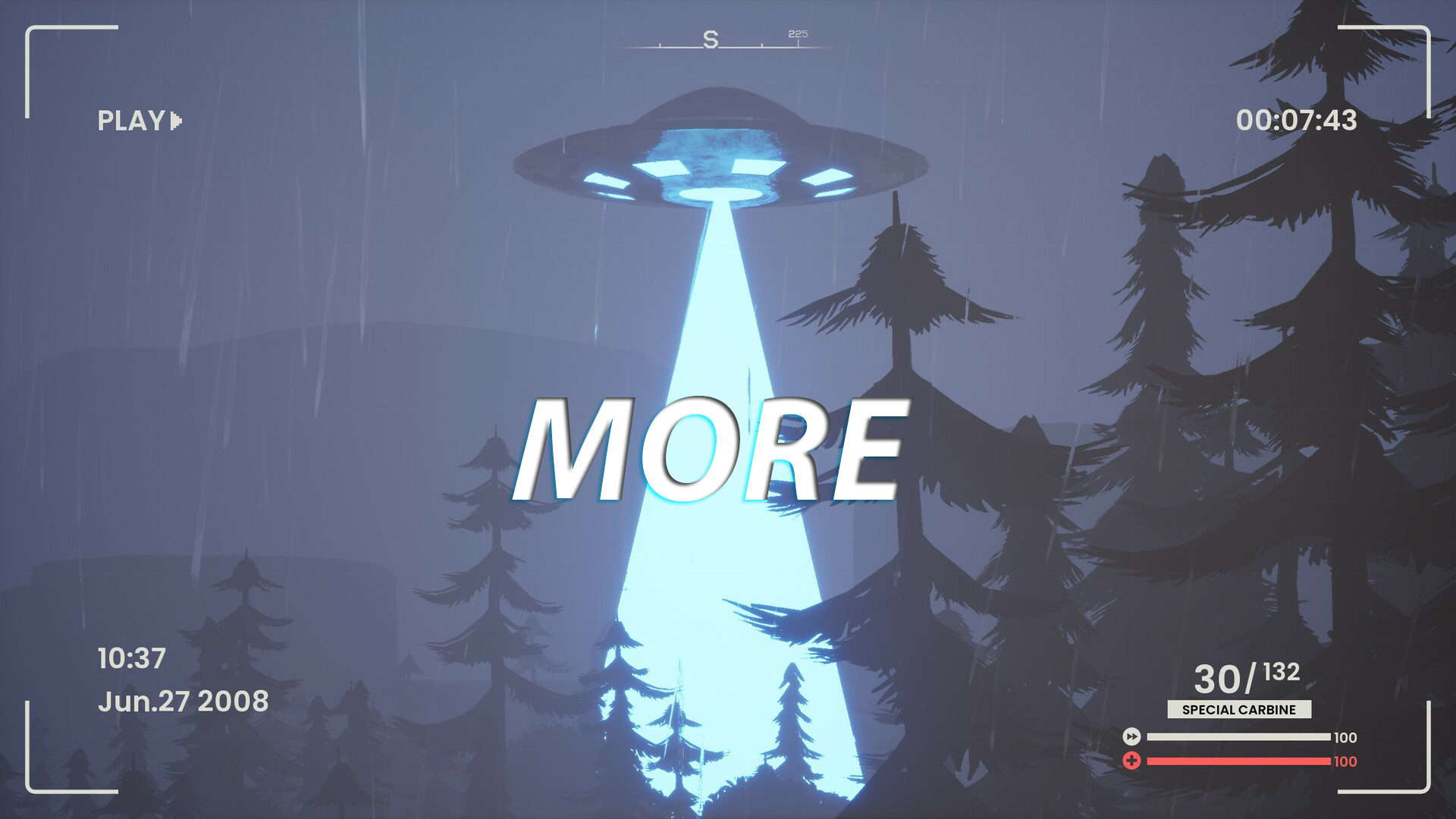
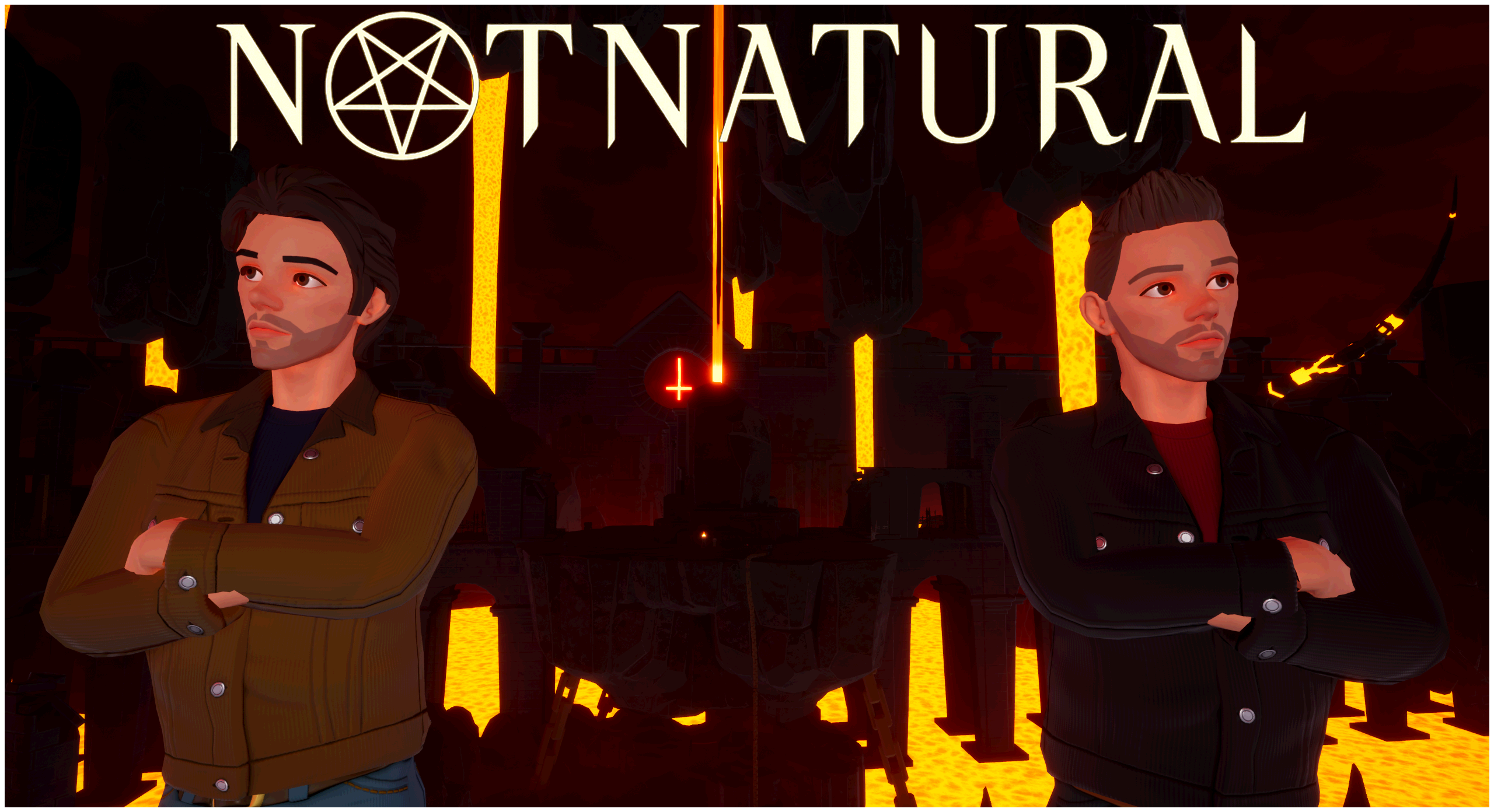
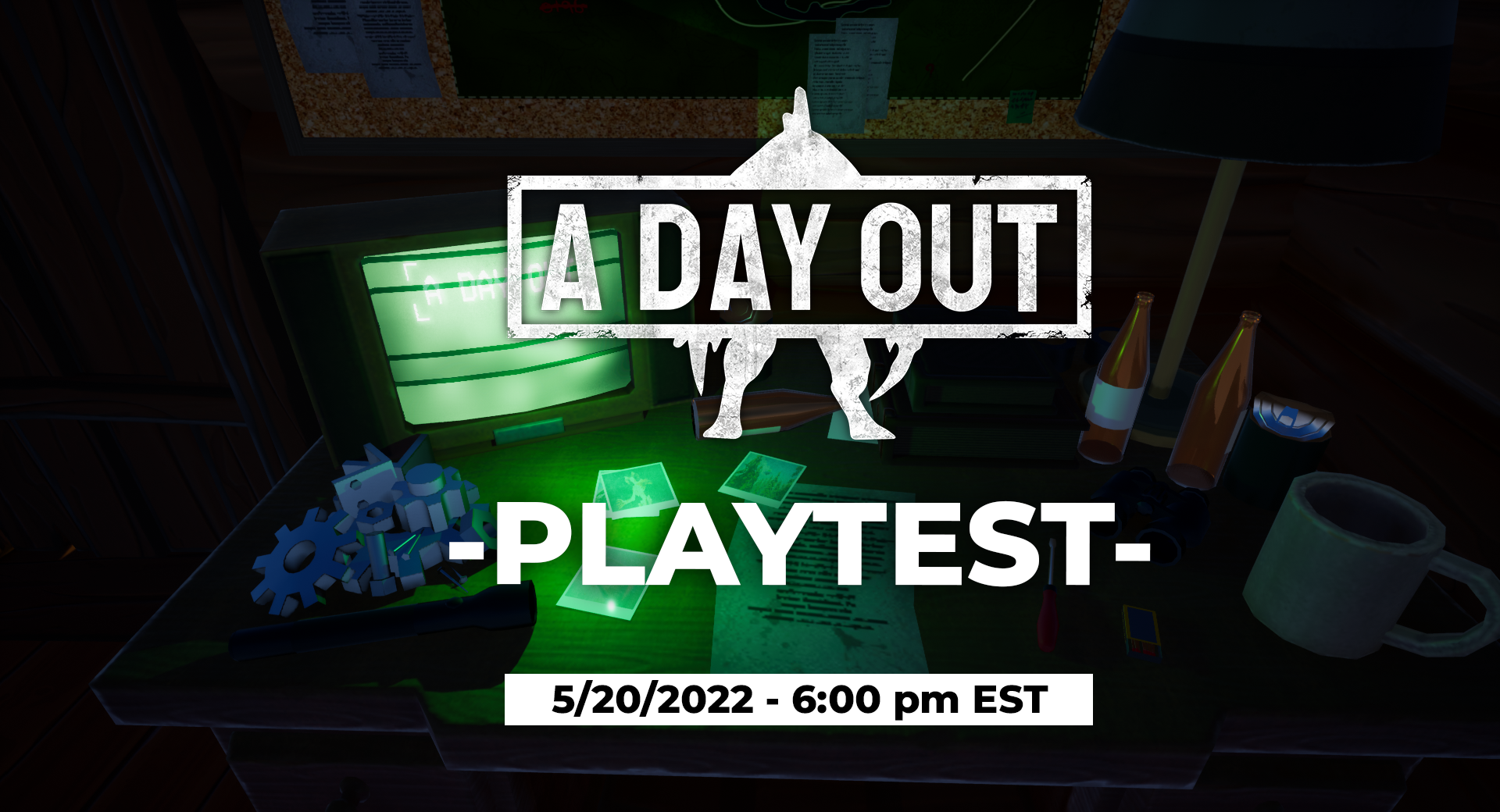
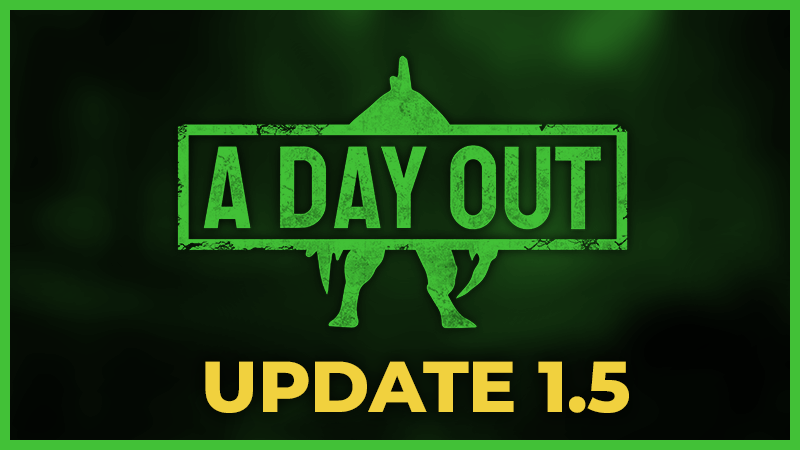
- Marketing Materials — Designed Steam capsules, update graphics, and promotional assets for Steam and social media. I built reusable templates that allowed me to quickly create consistent graphics for future updates.
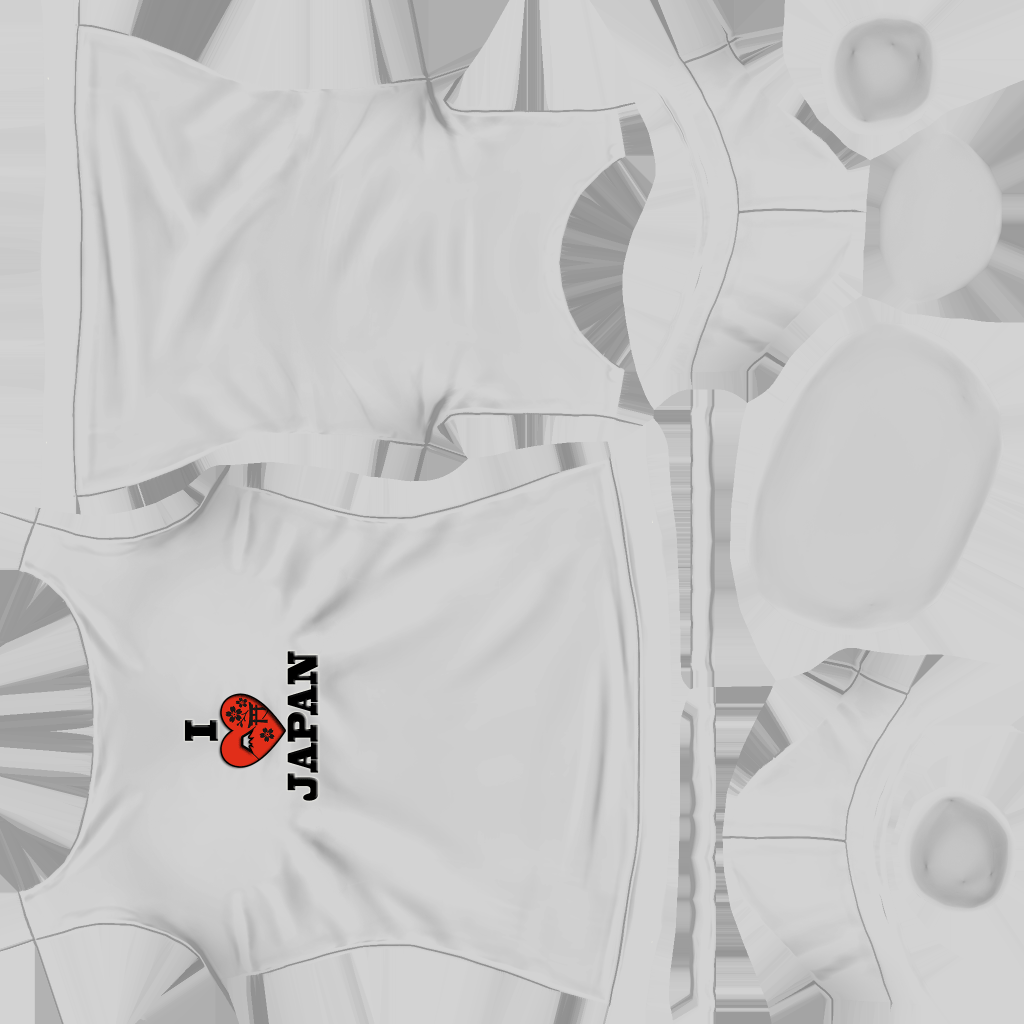
- Custom Textures — Created textures and graphics for weapons, headgear, field equipment, consumables, and other items throughout the game.
A DAY OUT required a large amount of supporting visual content, from in-game graphics and UI elements to marketing materials. I handled much of this work myself, creating assets that not only supported the game’s presentation but also helped reinforce its world and identity. Graphic Design used: (EVENTUALLY REWRITE THIS BUT KEEP SAME SIZE)
Outfits
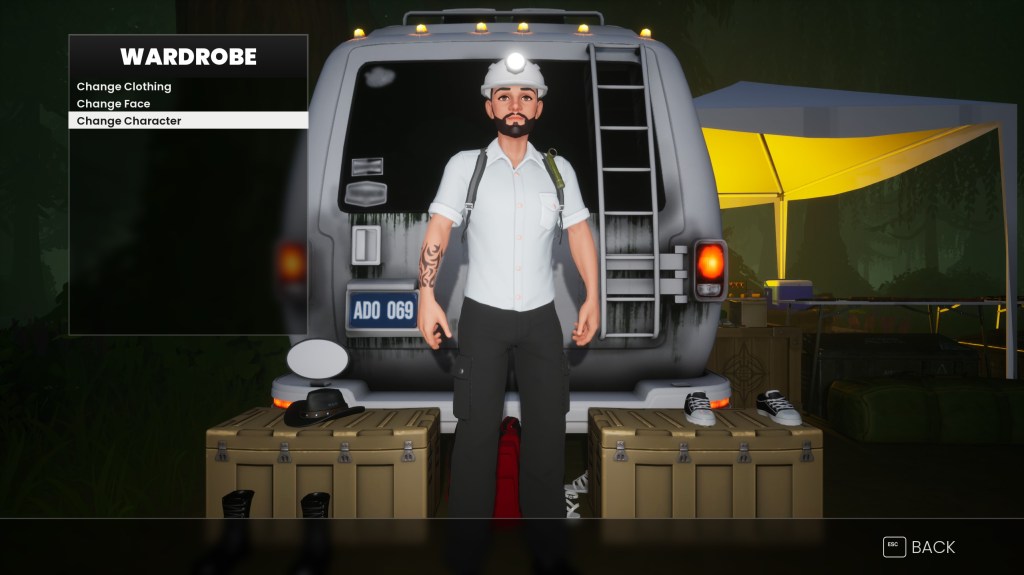
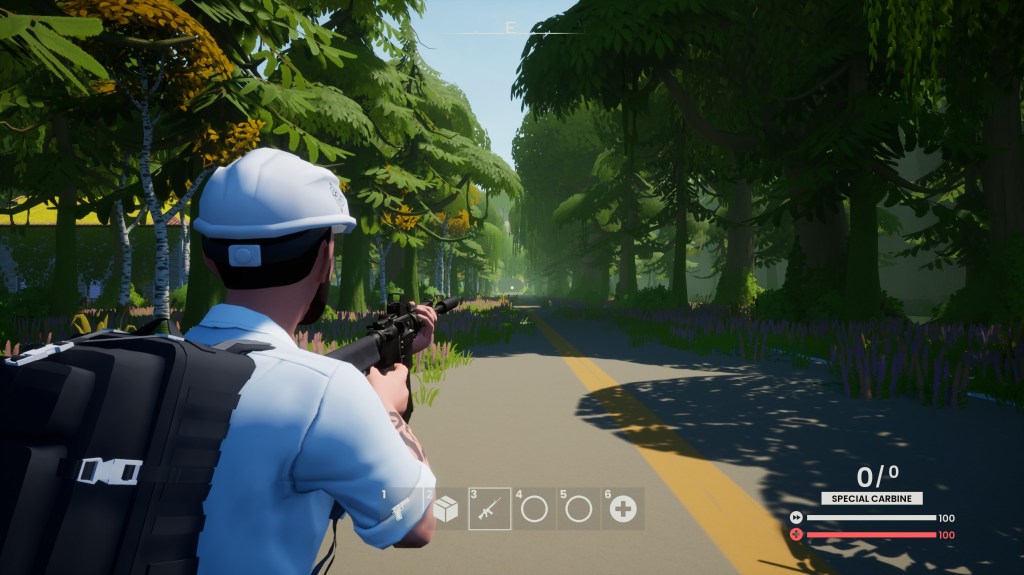
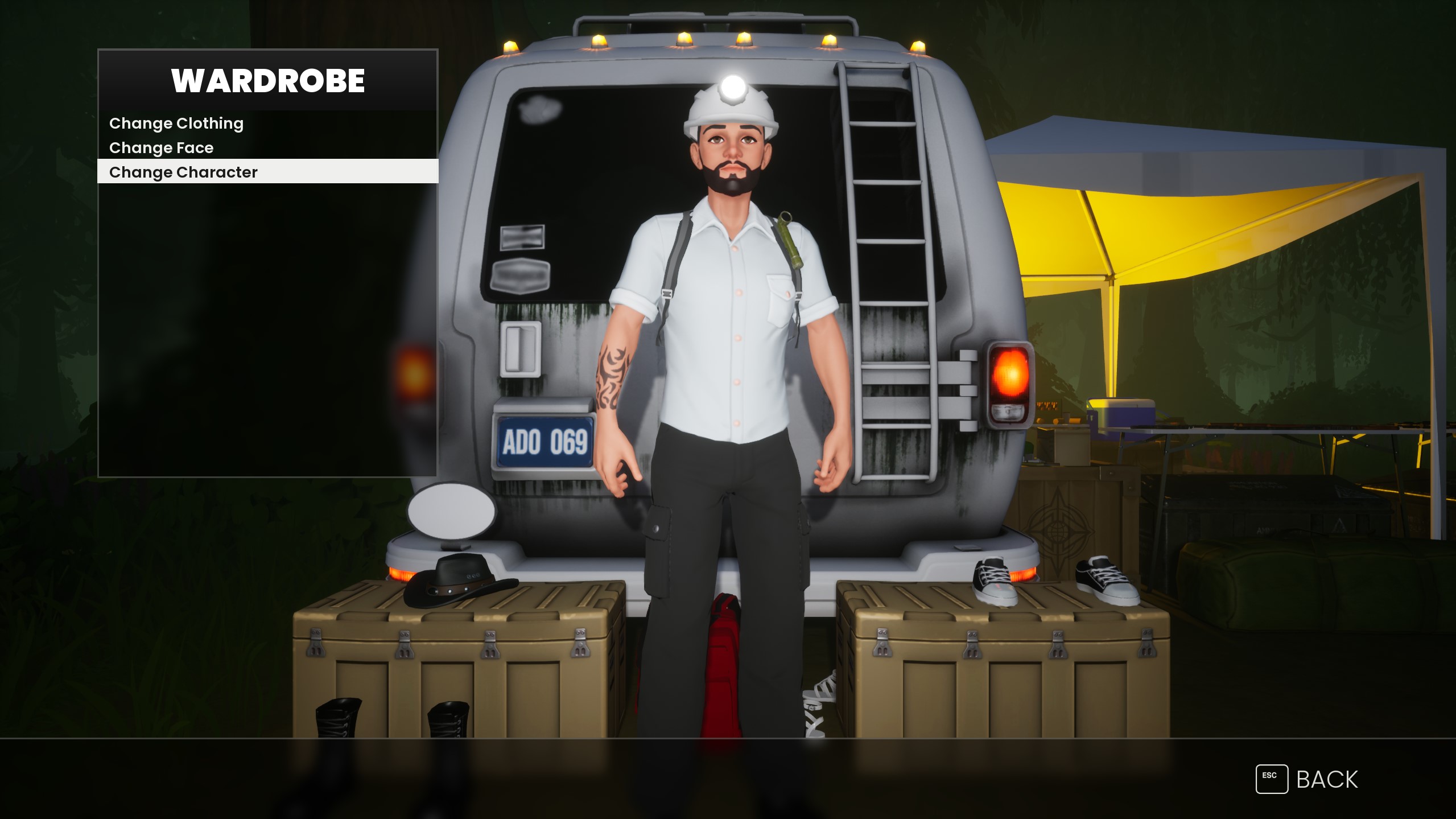
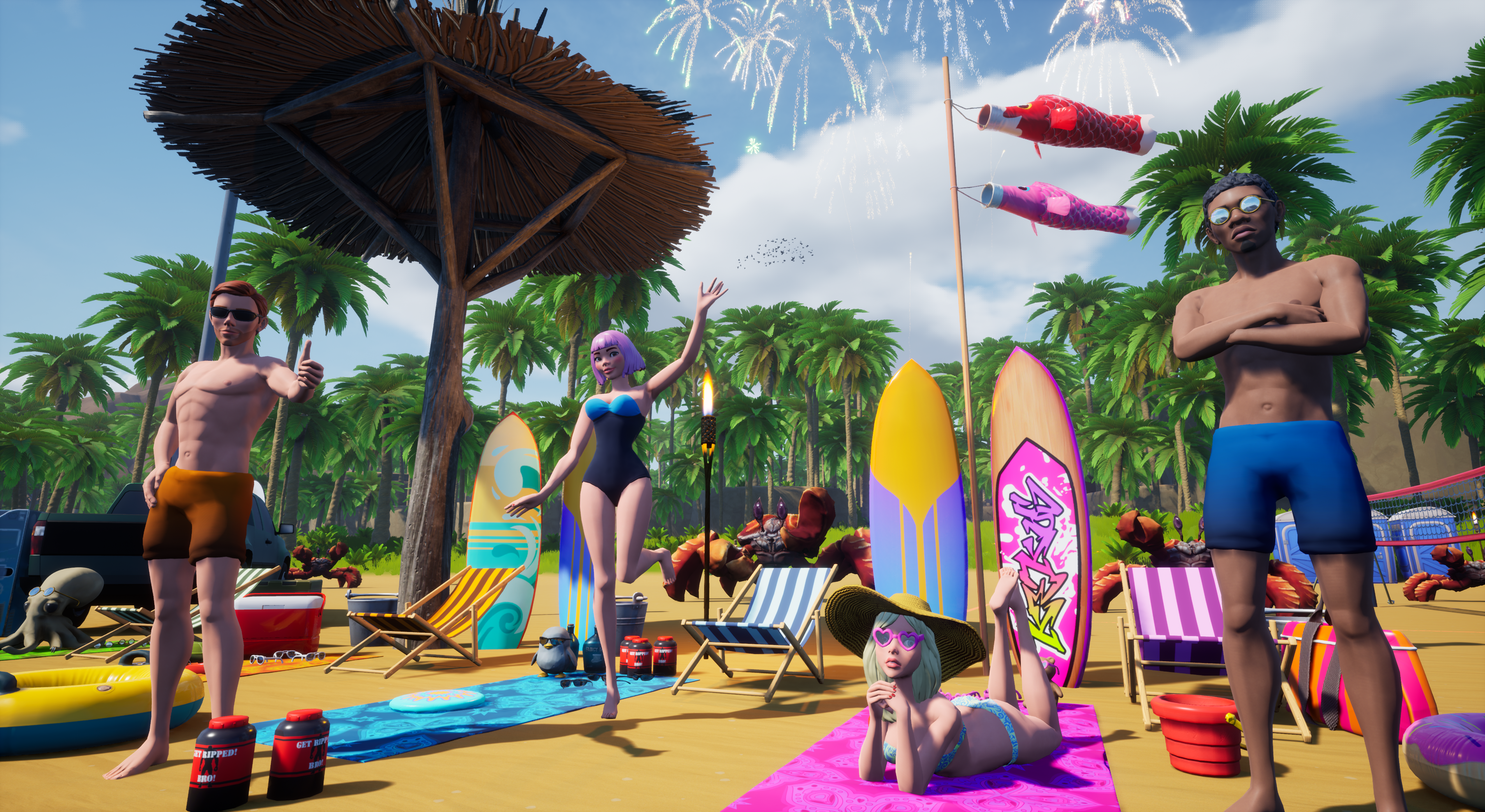
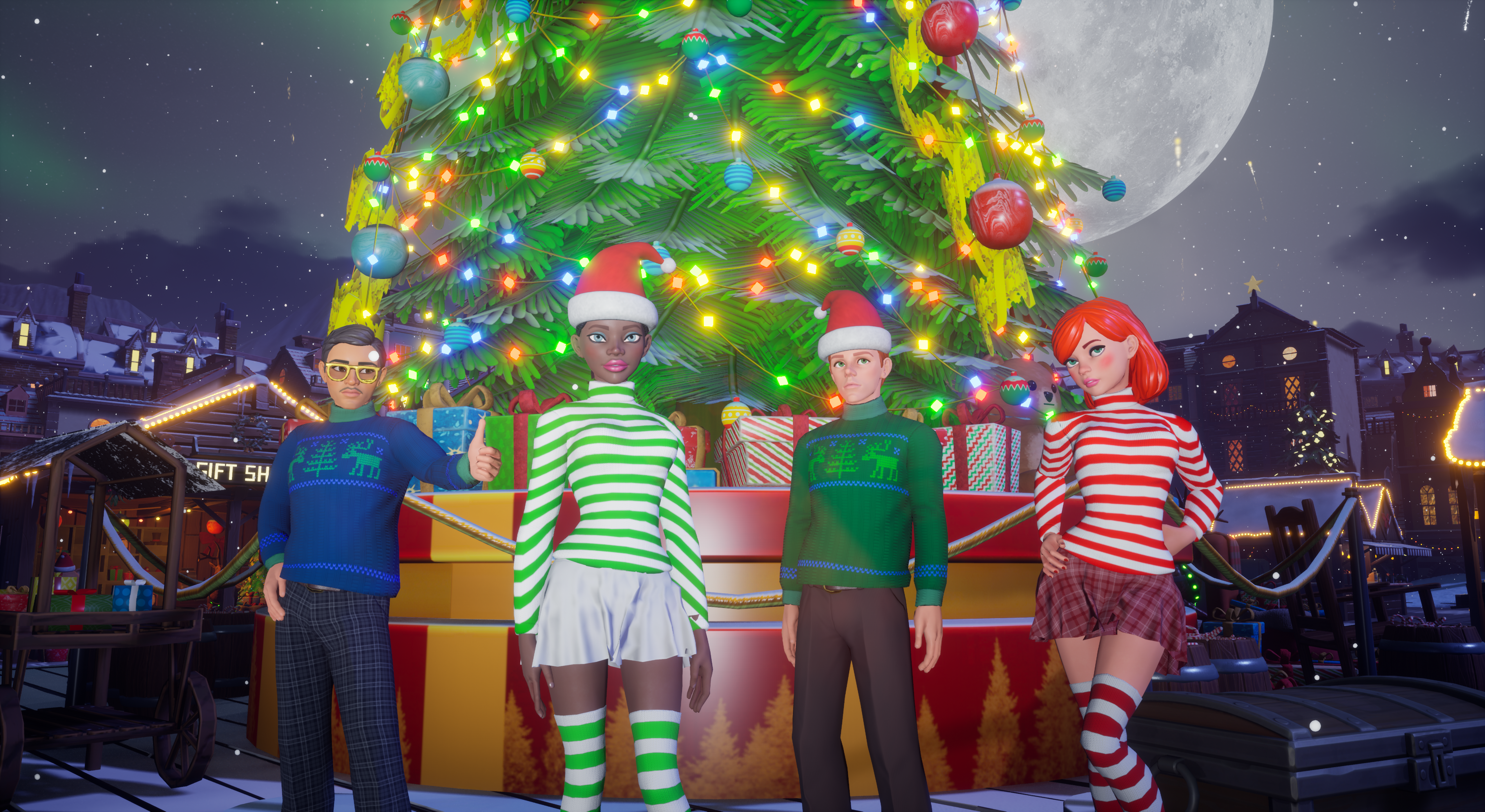
Character customization was another area where I wanted players to feel like they were creating their own hunter. This led to the development of The Wardrobe, where players could mix and match clothing and accessories to create their own outfits.
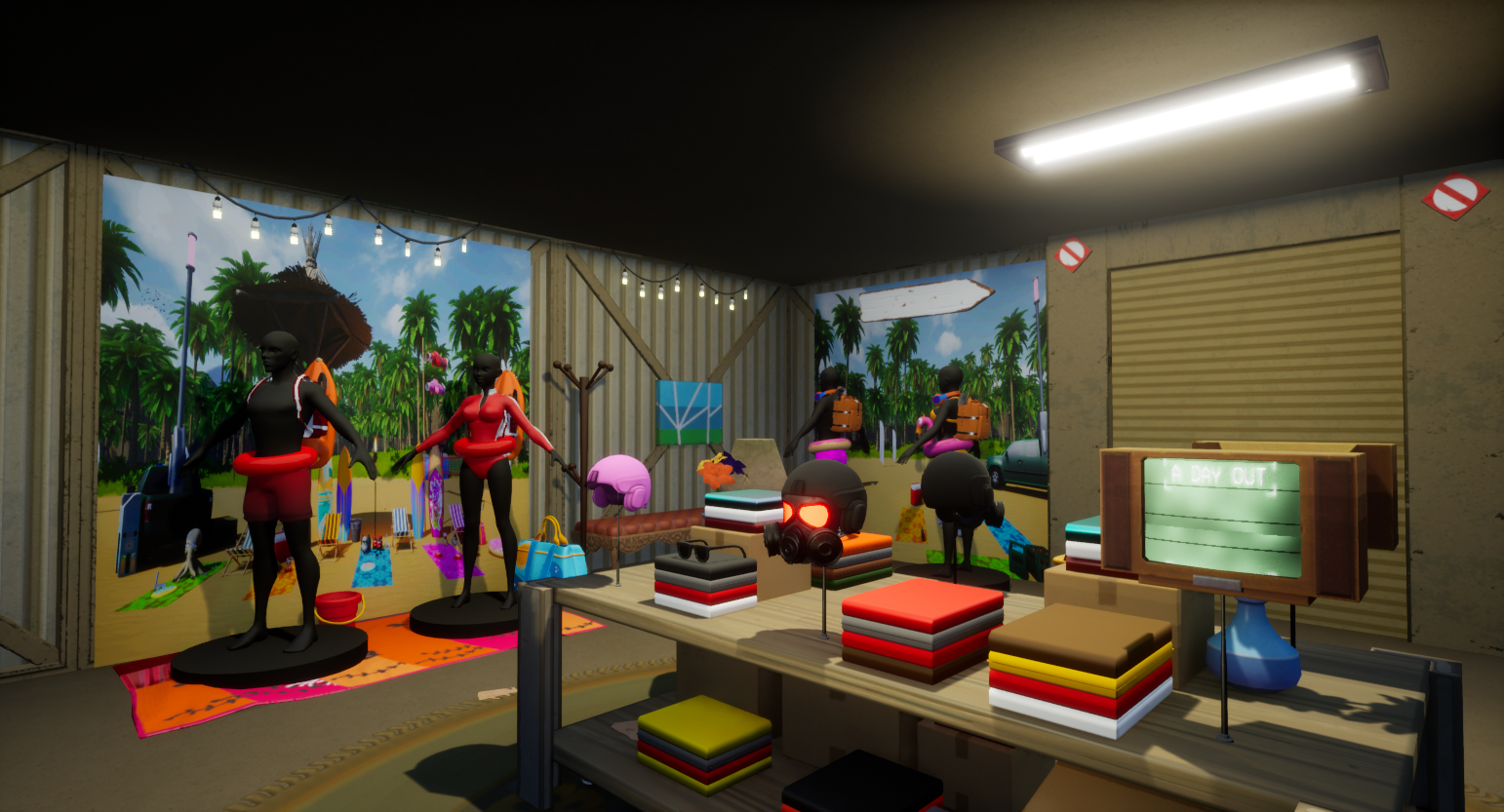
I created hundreds of cosmetic options, including color variations, individual clothing pieces, T-shirts, and complete outfits for both male and female hunters. To keep such a large catalog manageable, I organized items into categories such as Head, Tops, Bottoms, and Shoes, with additional subcategories for specific clothing types. I also developed a consistent naming system that combined each item’s name with its color, making the growing wardrobe easier for players to navigate.
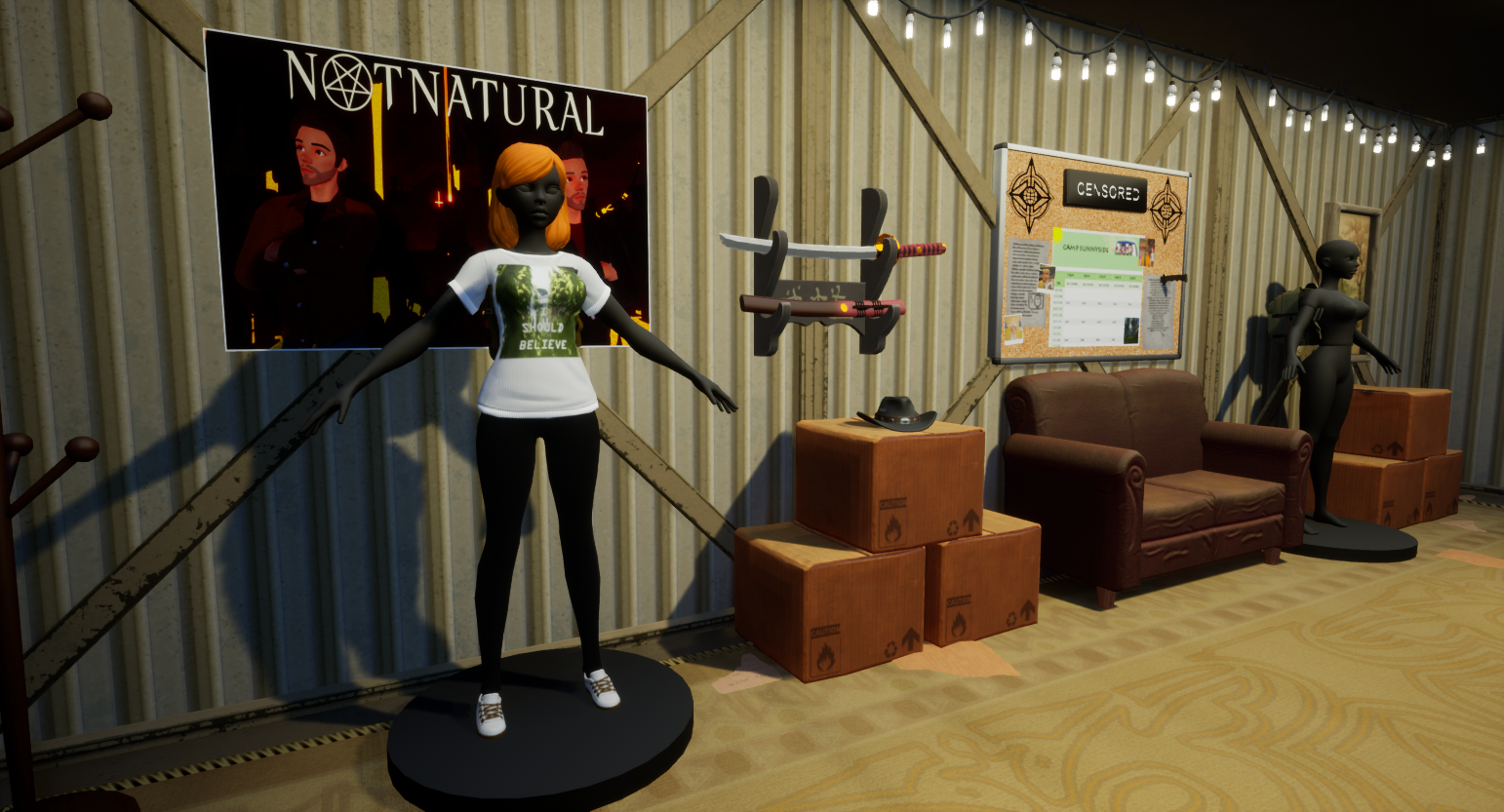
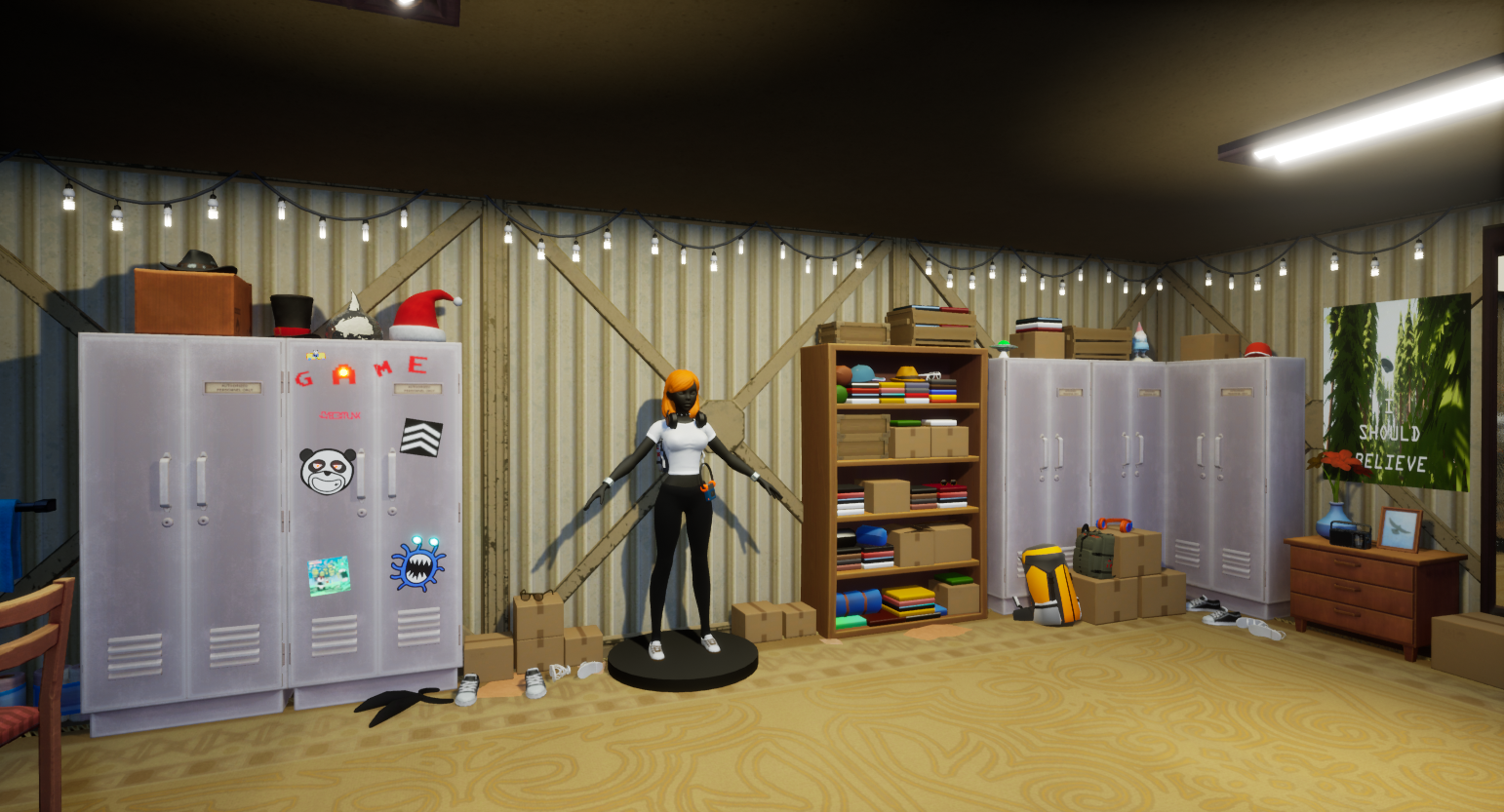
As we saw players creating outfits specifically for different missions, we expanded the system with Outfit Mannequins, allowing players to save and quickly switch between their favorite outfits.
- Hundreds of Cosmetics — Created hundreds of clothing pieces, color variants, and custom outfits for both player models.
- Outfit Mannequins — Designed the system that allowed players to save outfits for both male and female hunters.
- FOB Shop Outfits — Created additional outfits specifically for the in-game shop, including 10+ unique purchasable outfits.
Creating this content was one of the more enjoyable parts of the project, especially seeing players use the tools and cosmetics to develop their own identity within the world of A DAY OUT.
BACK
GALLERY