STARTING THE LEVEL
Inspiration & Other media:
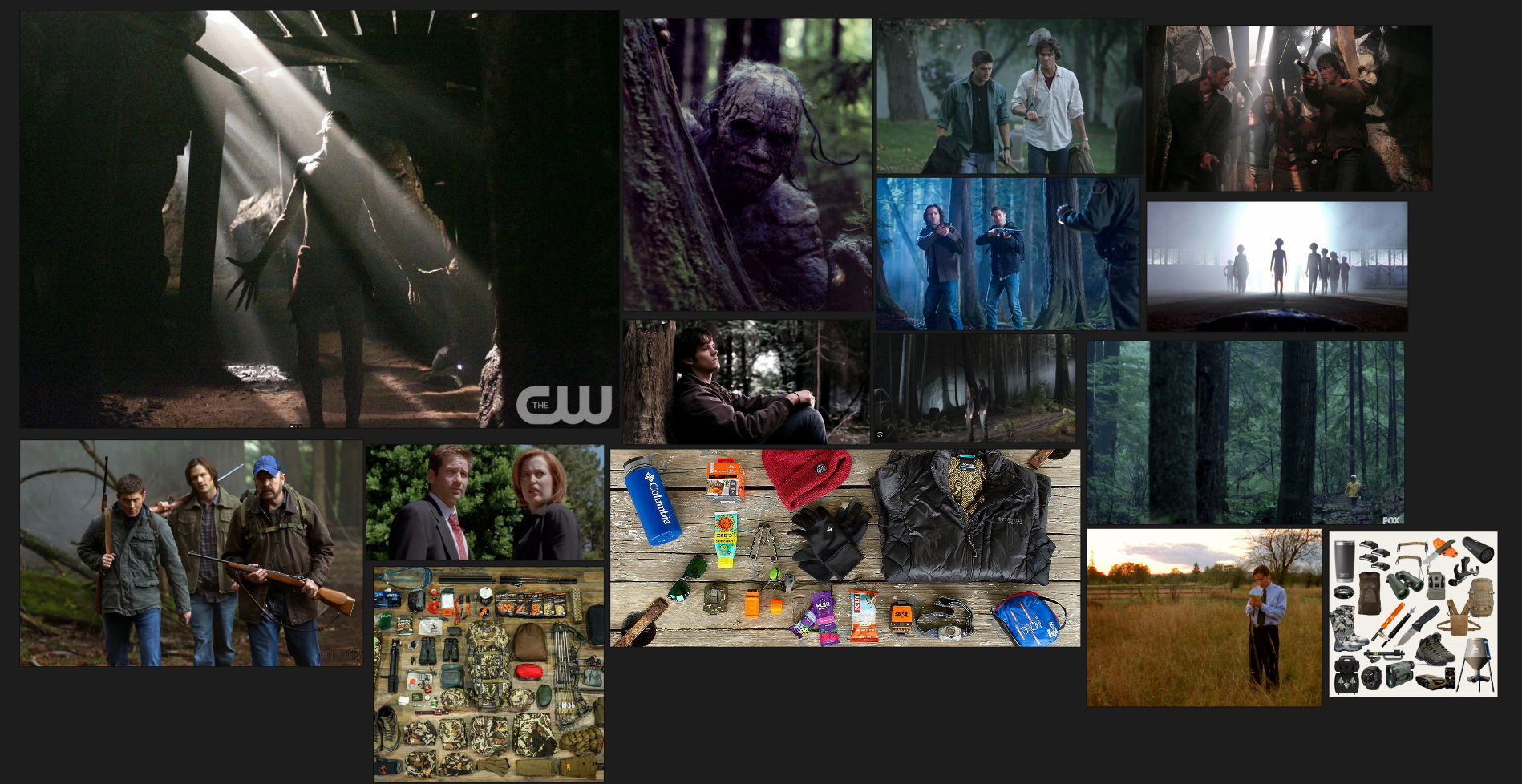
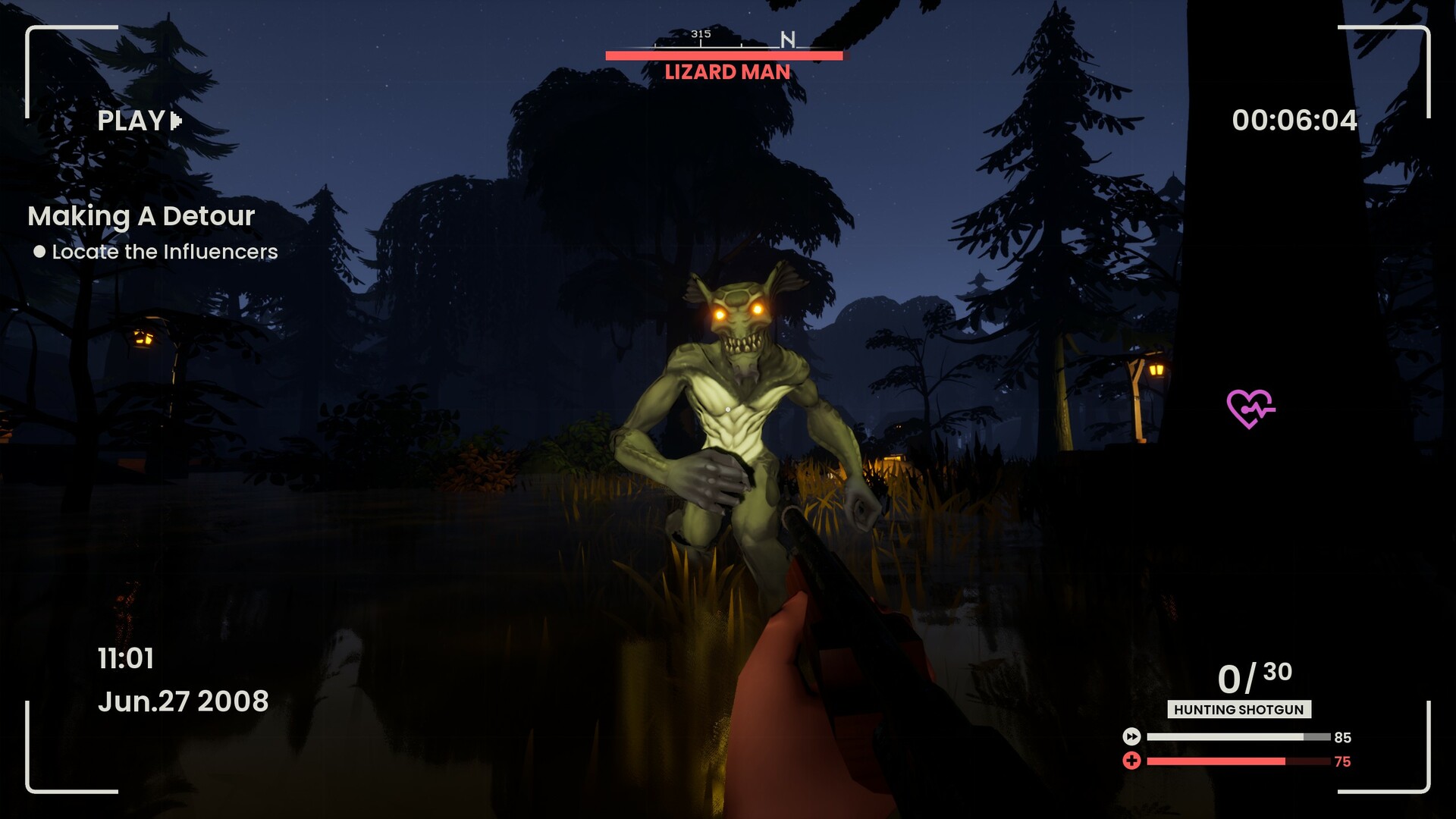
Designing A DAY OUT required each level to feel like a believable location while also serving the needs of its Monster, narrative, and gameplay. I drew inspiration from horror films, games, classic folklore, and real-world paranormal stories, using those references to establish the identity of each Case.
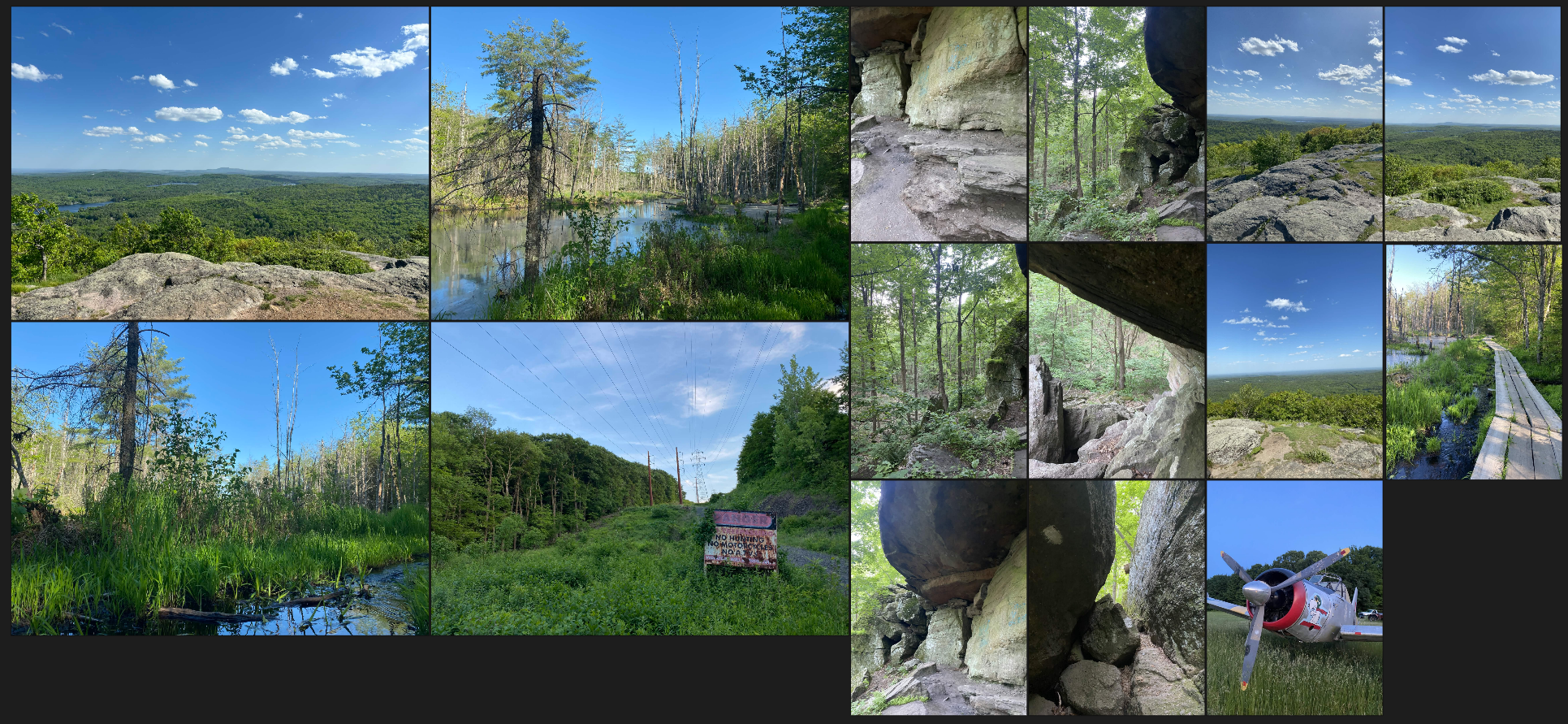
My process typically began with gathering references that matched the environment and tone I wanted to achieve:
- Real-World Experience — helped ground the maps in believable layouts like trails, density, etc.
- Mood boards — used to establish visual consistency, tone, and overall direction. Mostly just a ton of photos, videos, sounds, that I felt represented the tone I wanted to achieve.
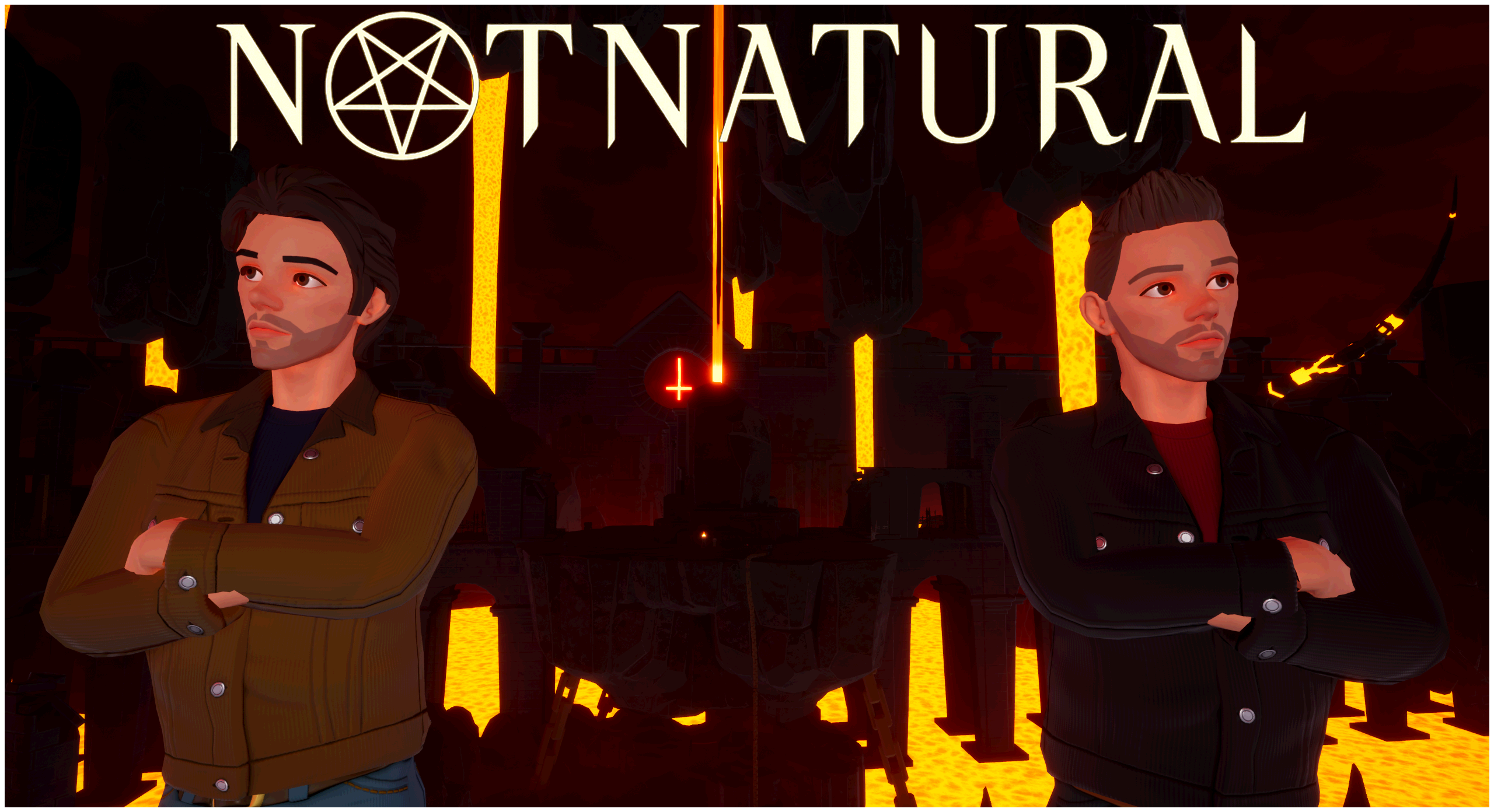
- Horror & Other Media — I drew heavily from the media that inspired my interest in horror, including The X-Files, Supernatural, Scooby-Doo, folklore, campfire stories, and horror games. I wasn’t trying to recreate these experiences, but rather identify what made them memorable and apply those principles to A DAY OUT.
My passion for the outdoors became particularly valuable when designing wilderness environments. I could draw from personal experiences to make forests and trails feel grounded, while my love of horror influenced how I approached atmosphere, pacing, isolation, and tension. Combining real-world observation with horror influences allowed me to create spaces that felt familiar enough to believe, but unsettling enough to make players question what might be hiding around the next corner.
Design & Challenges
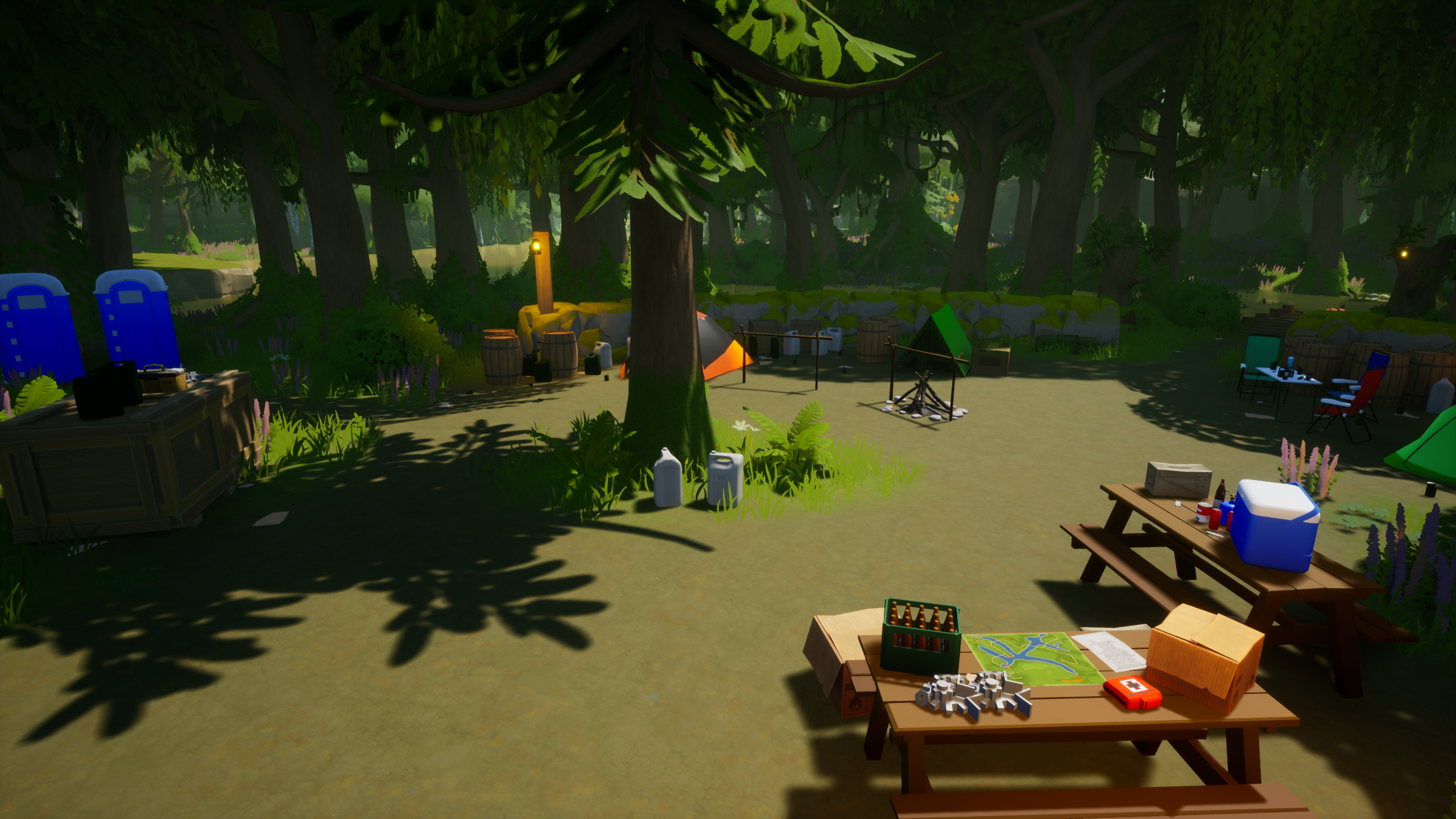
One of the biggest challenges of A DAY OUT was that every Case needed to feel like its own experience. A summer camp, abandoned asylum, and snow-covered Eastern European village shouldn’t feel like the same level with a different skin—they each needed their own identity, gameplay flow, and narrative purpose.
I approached each Case as an individual episode within a larger season. The environment needed to support its own Intro, Conflict, and Resolution while still contributing to the larger world and narrative. Most importantly, the Monster itself became a major influence on how I designed the level.
When beginning a new Case, I considered:
- Visual & Thematic Direction — What should this location look and feel like?
- Points of Interest — What locations would support the narrative and give players memorable landmarks?
- Player Flow — How should players move through the space, and where should important discoveries or encounters occur?
- Monster & Mechanics — How can the environment support the creature’s behavior, abilities, and gameplay?
- Narrative Needs — How can the level communicate the story through its spaces, encounters, and environmental details?
- Case Structure — How does the level support the Case’s Intro, Conflict, and Resolution while contributing to the larger narrative?
Because every map could vary dramatically in setting, I treated each one as its own environment and narrative experience while ensuring it still belonged within the world of A DAY OUT.
This process always began with references and eventually moved into one of my most important level-design tools: Rough Paper Maps.
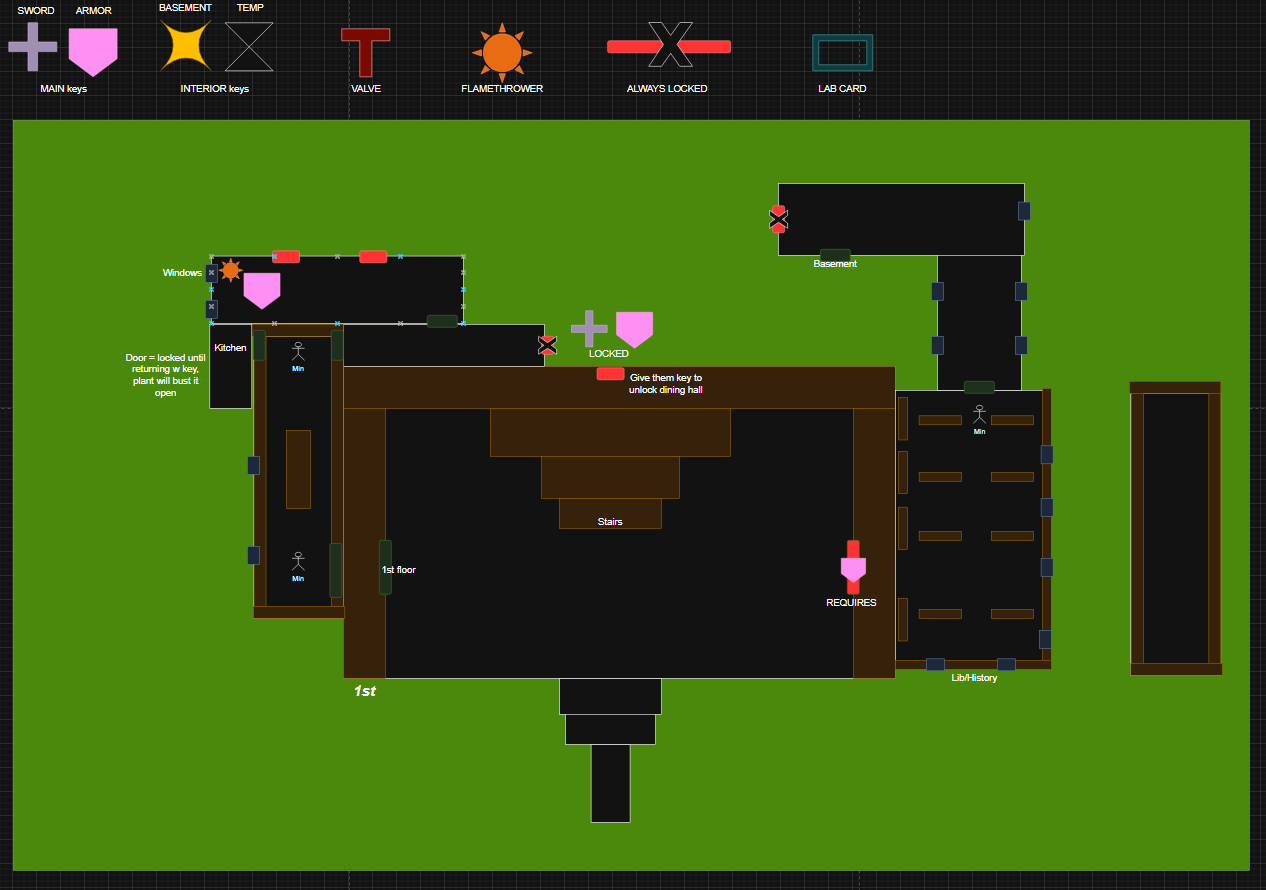
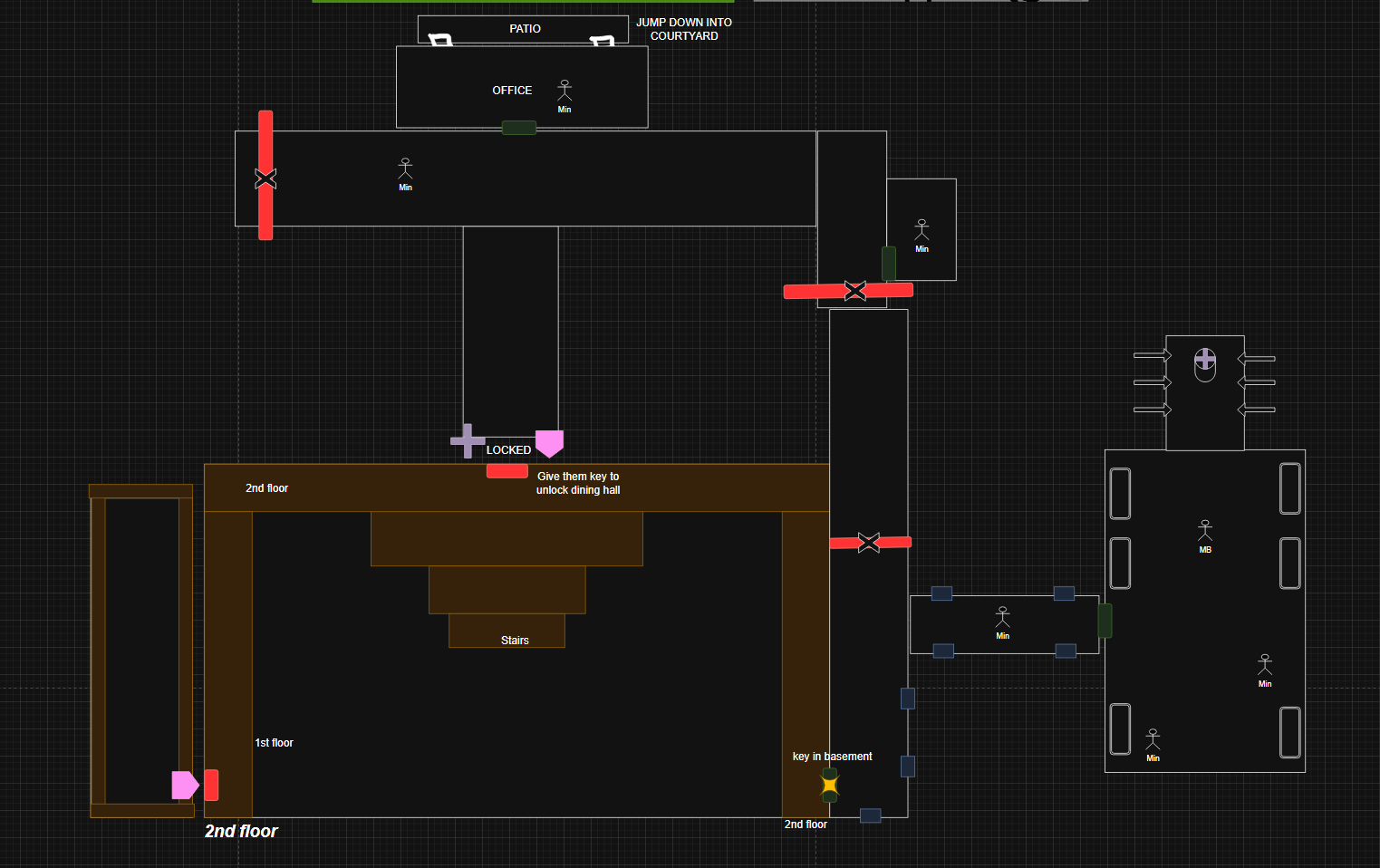
Paper Mapping & Layout Planning
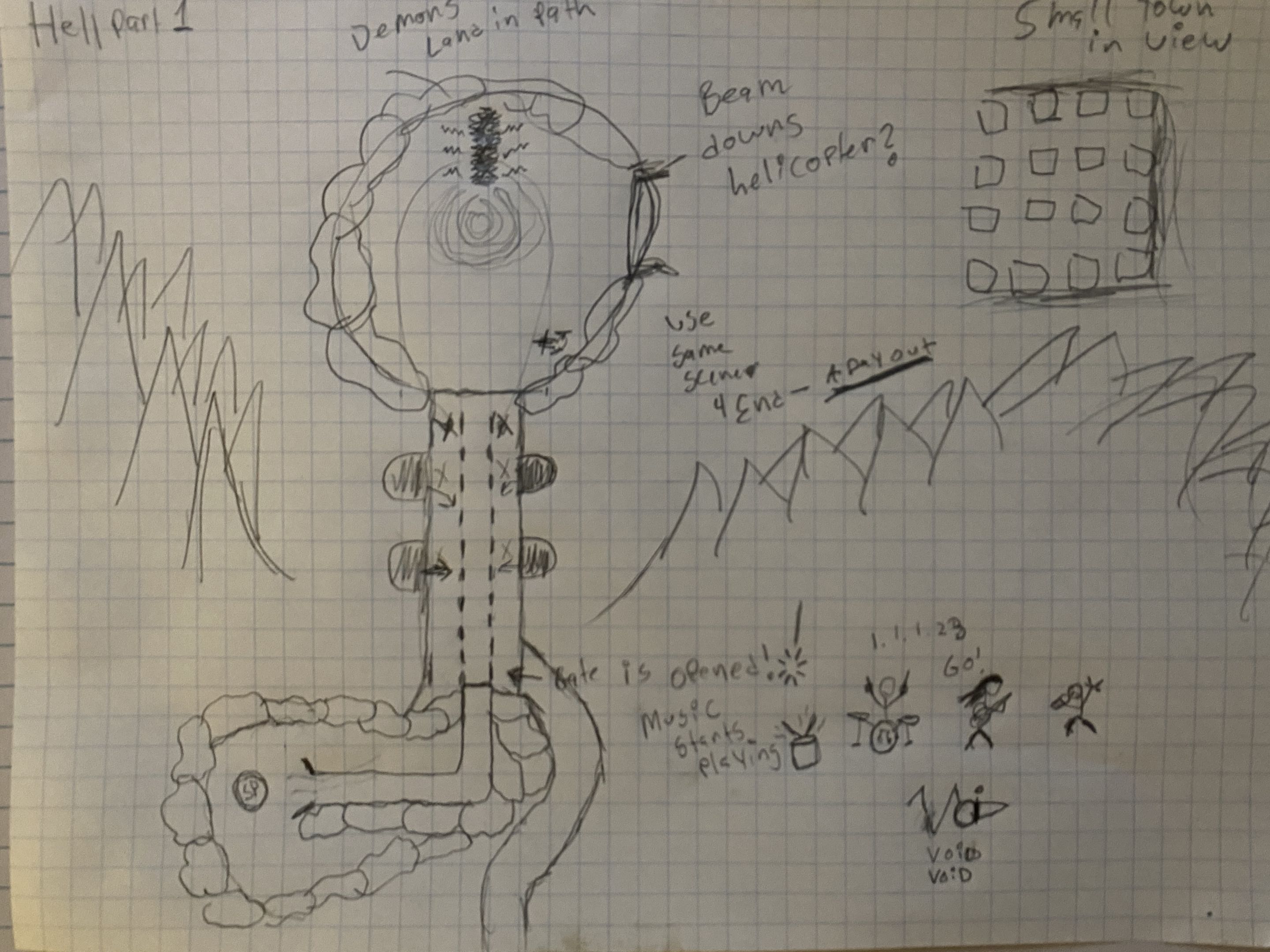
Once I have a clear direction for the mechanics, narrative needs, and core gameplay loop, I begin translating those ideas into a rough physical layout. This stage allows me to fail fast and iterate cheaply before committing time to blockout and full production.
For A DAY OUT, I created 40+ paper maps, with some eventually becoming final levels and others being discarded or reworked. Because the game contained numerous Cases, each with its own environment and story, having a repeatable planning process was essential. Communication & Time management is KEY! My Process allows me to:
Paper Map v1
The first version acts as a blueprint for the level. I keep it intentionally rough, using paper or minimal-detail Photoshop layouts so I can focus on gameplay rather than aesthetics.
This allows me to quickly:
- Quickly Organize ideas and establish the overall layout
- Test player flow and early encounter concepts
- Identify POIs, hazards, progression beats, and landmarks
- Experiment with loot placement and exploration routes
- Communicate early level concepts with the rest of the team
- Identify potential problems before they become expensive to fix
I don’t treat the first map as something that needs to be perfect. Its purpose is to answer a simple question: Does this level work?
Once the concept feels solid, I refine the layout into a cleaner digital reference.
Clean Digital Map
Once the paper map feels solid, I convert it into a clean digital layout that can serve as a shared reference throughout development. This makes it easier to communicate ideas, review the layout, and ensure everyone has the same understanding of the level.
This step is crucial for collaboration, as it ensures:
- Clear communication between team members
- Easy readability and shared understanding
- A reliable reference throughout development
For A DAY OUT, I kept this process intentionally lightweight. Rather than spending valuable production time creating highly polished documentation, I would upload my paper maps and make live edits with the other developer. Although he wasn’t responsible for Level Design, reviewing the layouts together allowed us to validate the flow, maintain a consistent quality bar, and catch potential issues before entering Unreal Engine.
As the sole Level Designer, knowing when to stop planning and start building was just as important as the planning itself. Once the layout was communicating the design clearly and the core flow was validated, I moved directly into The Blockout Phase.
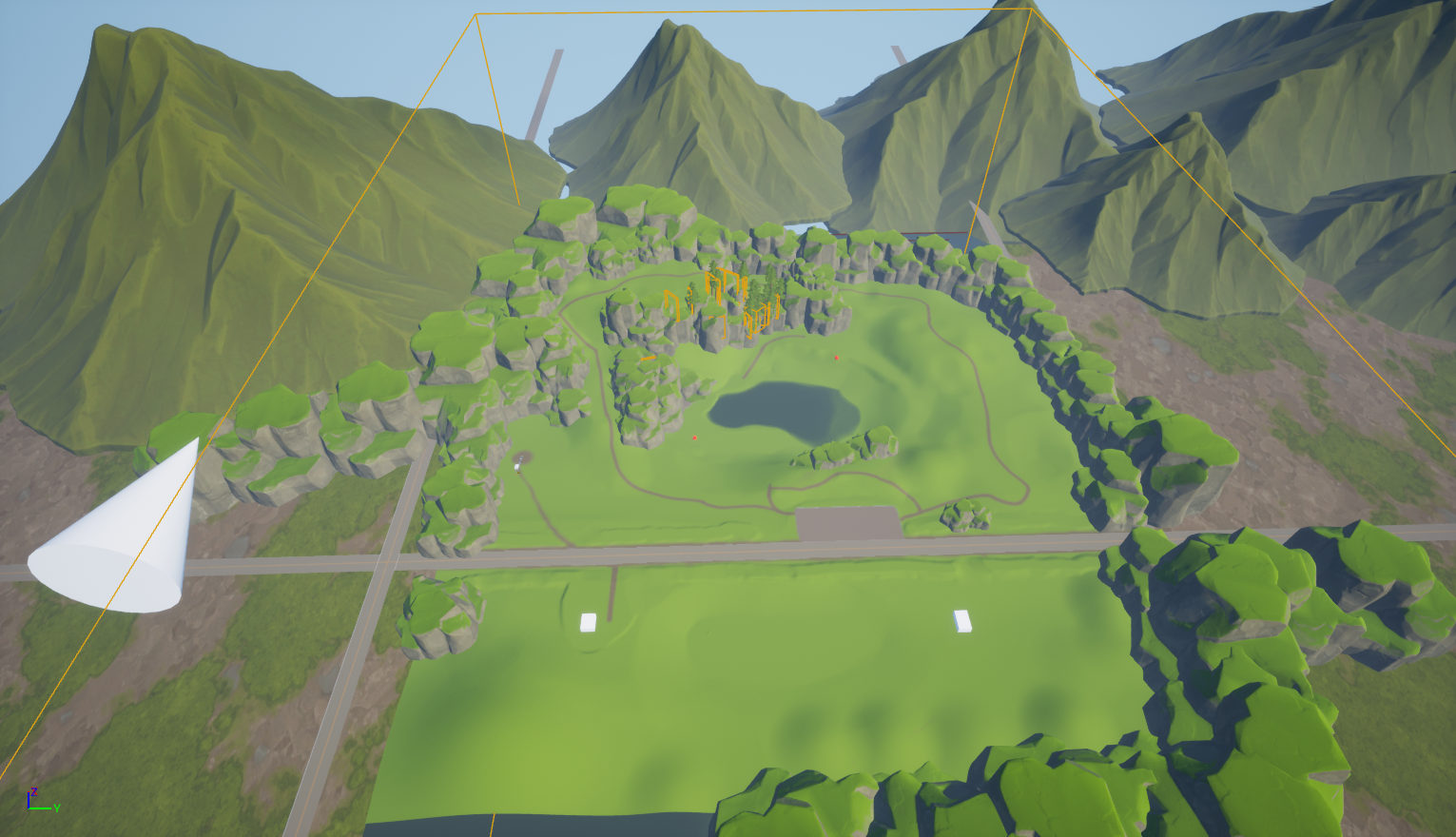
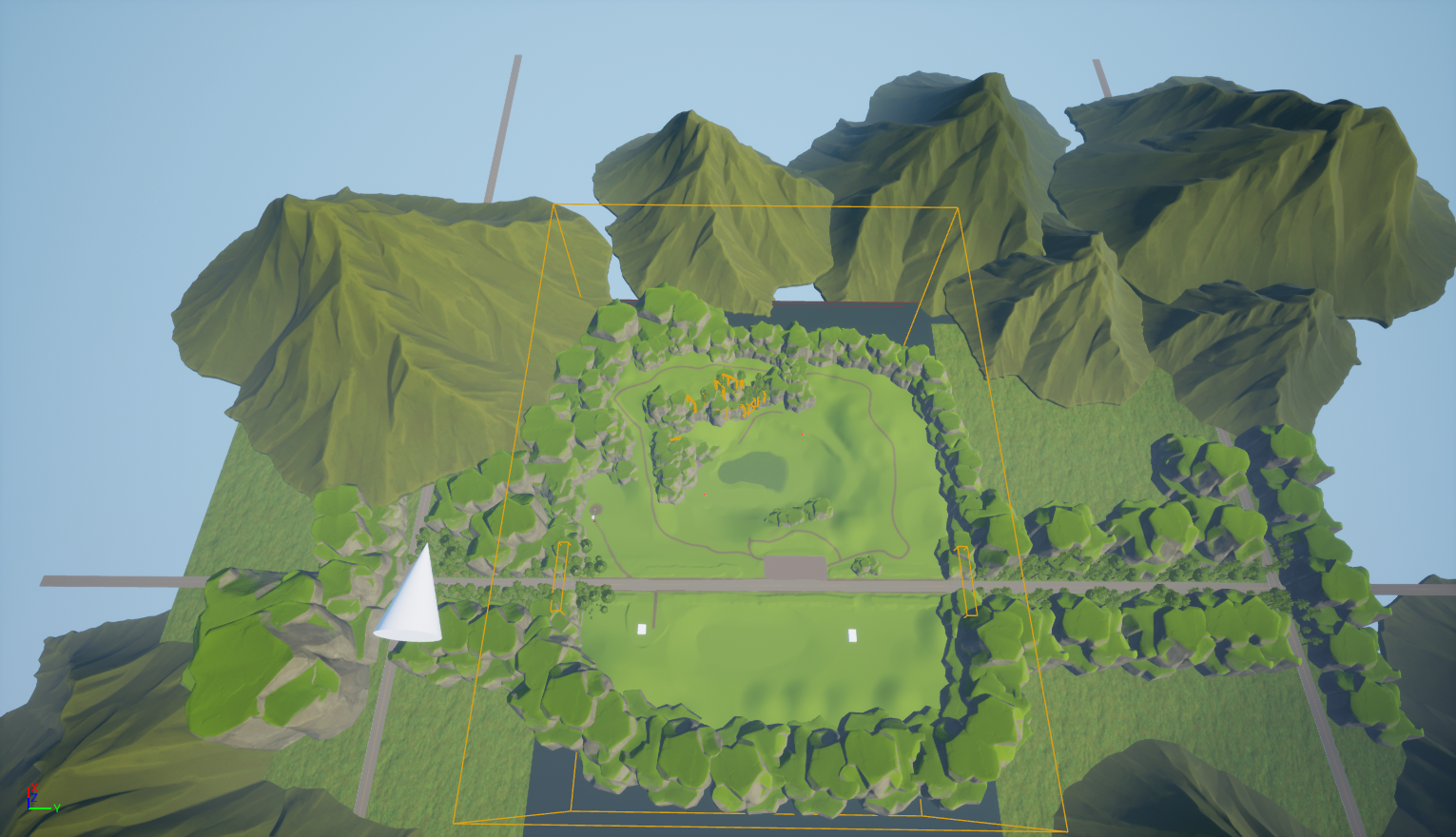
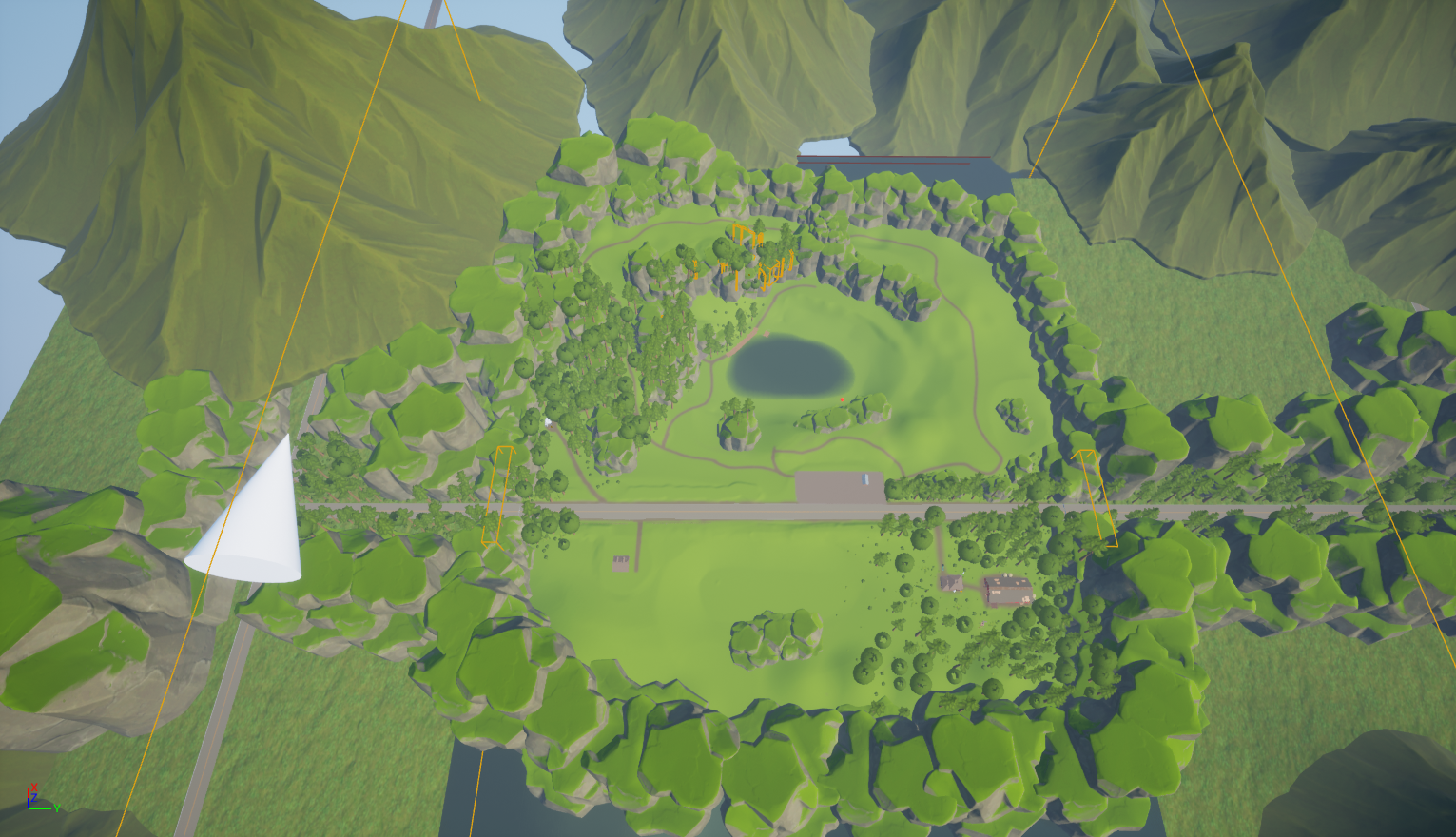
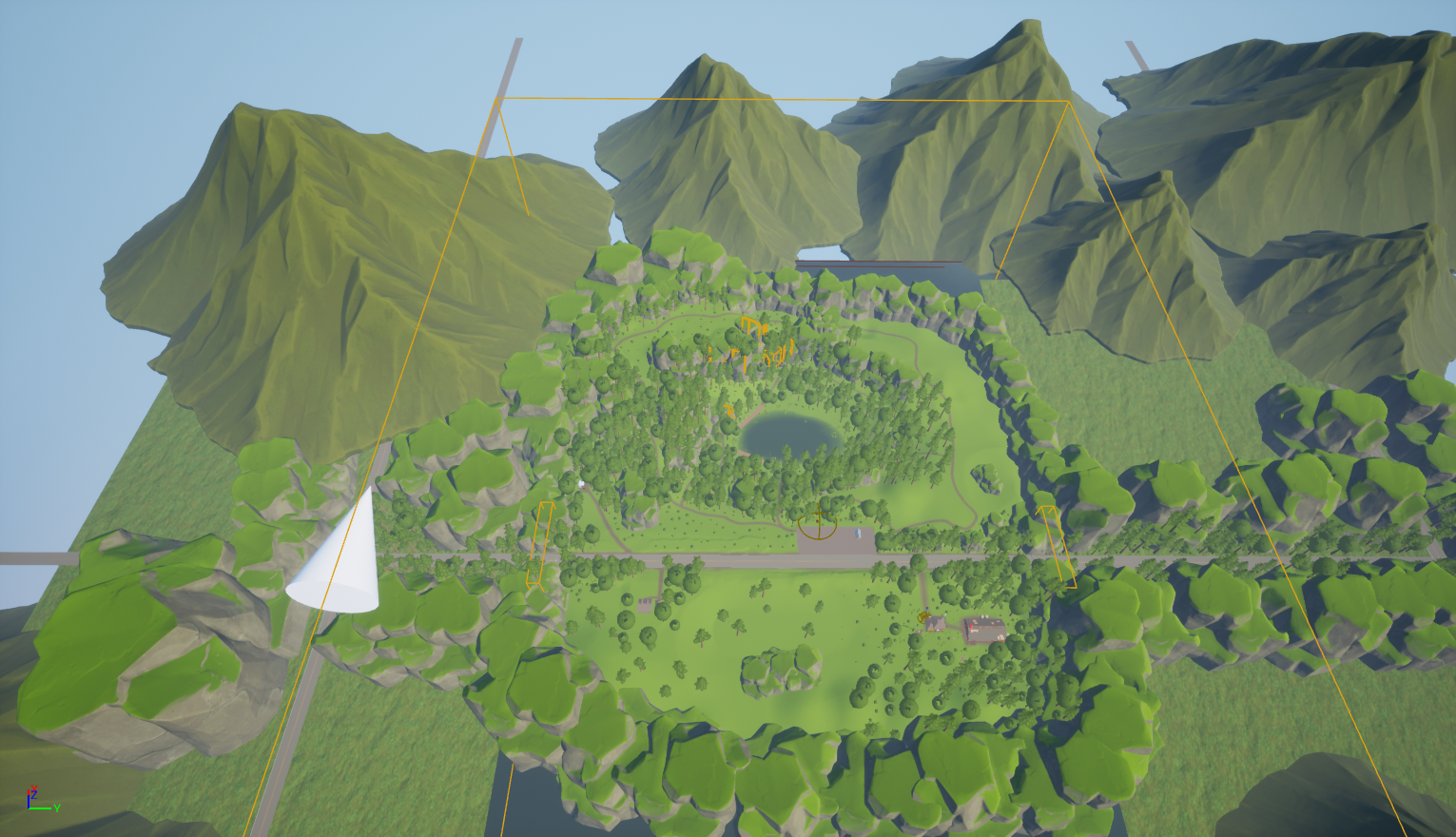
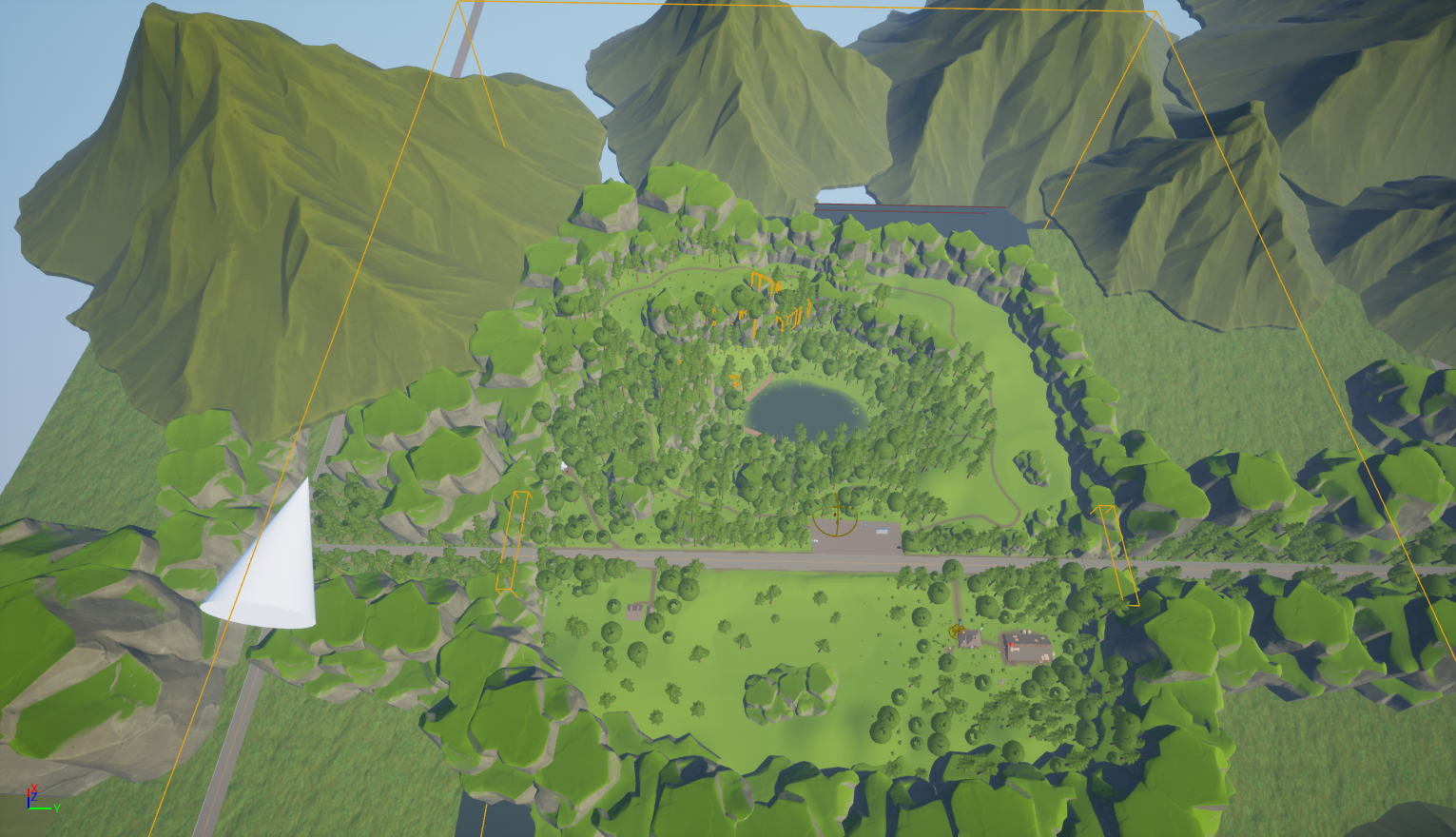
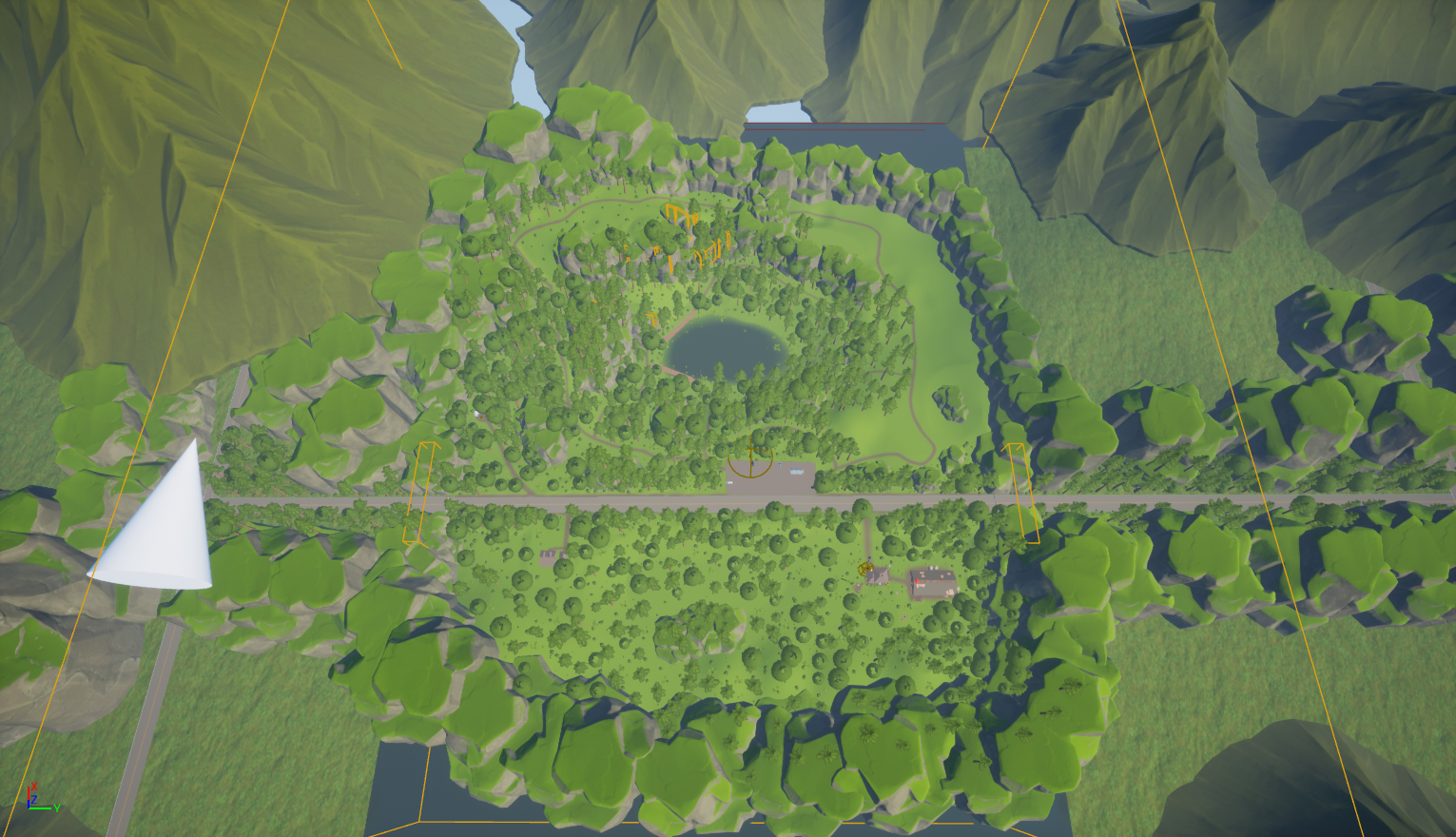
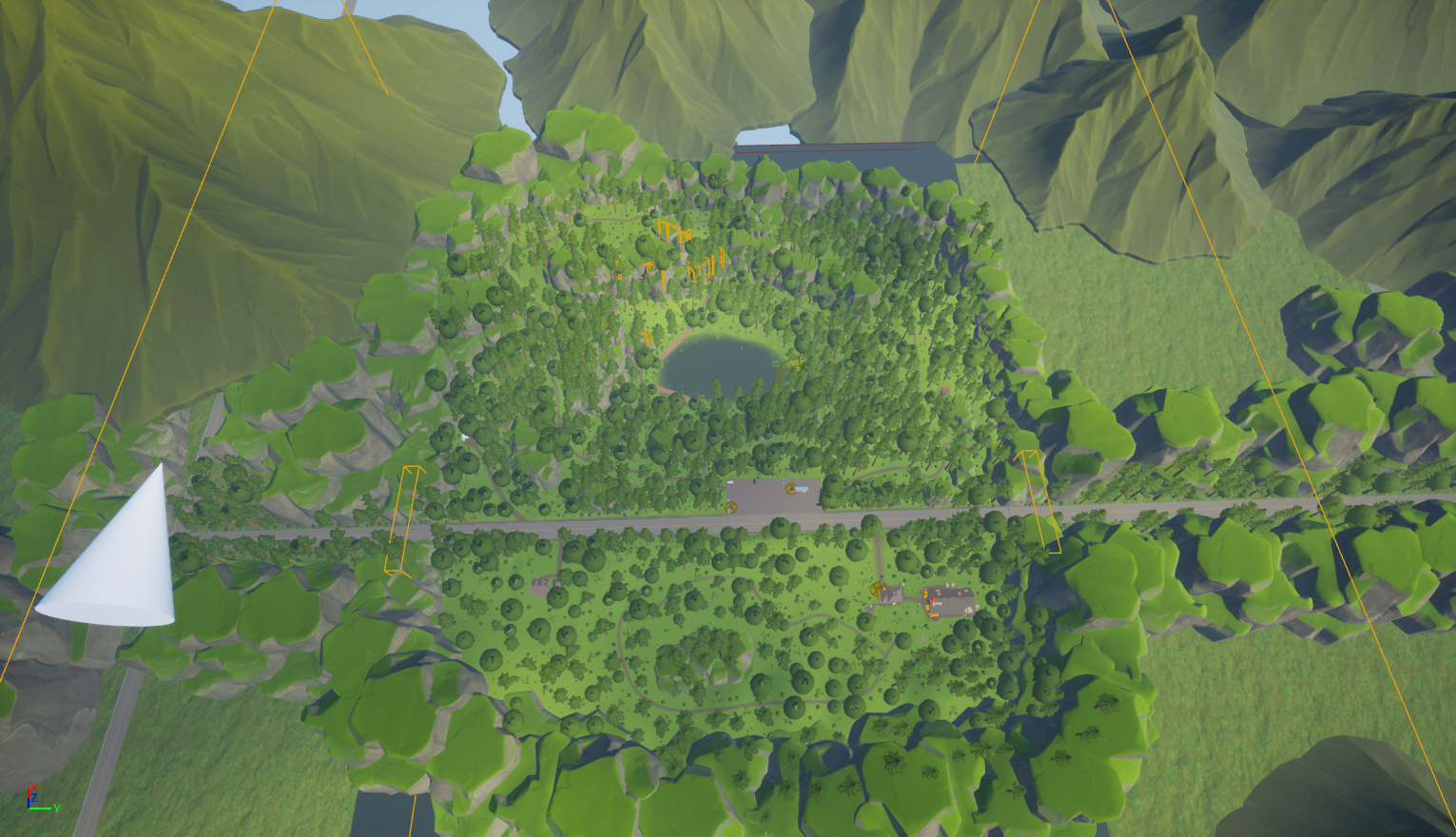
Blocking Out the Level
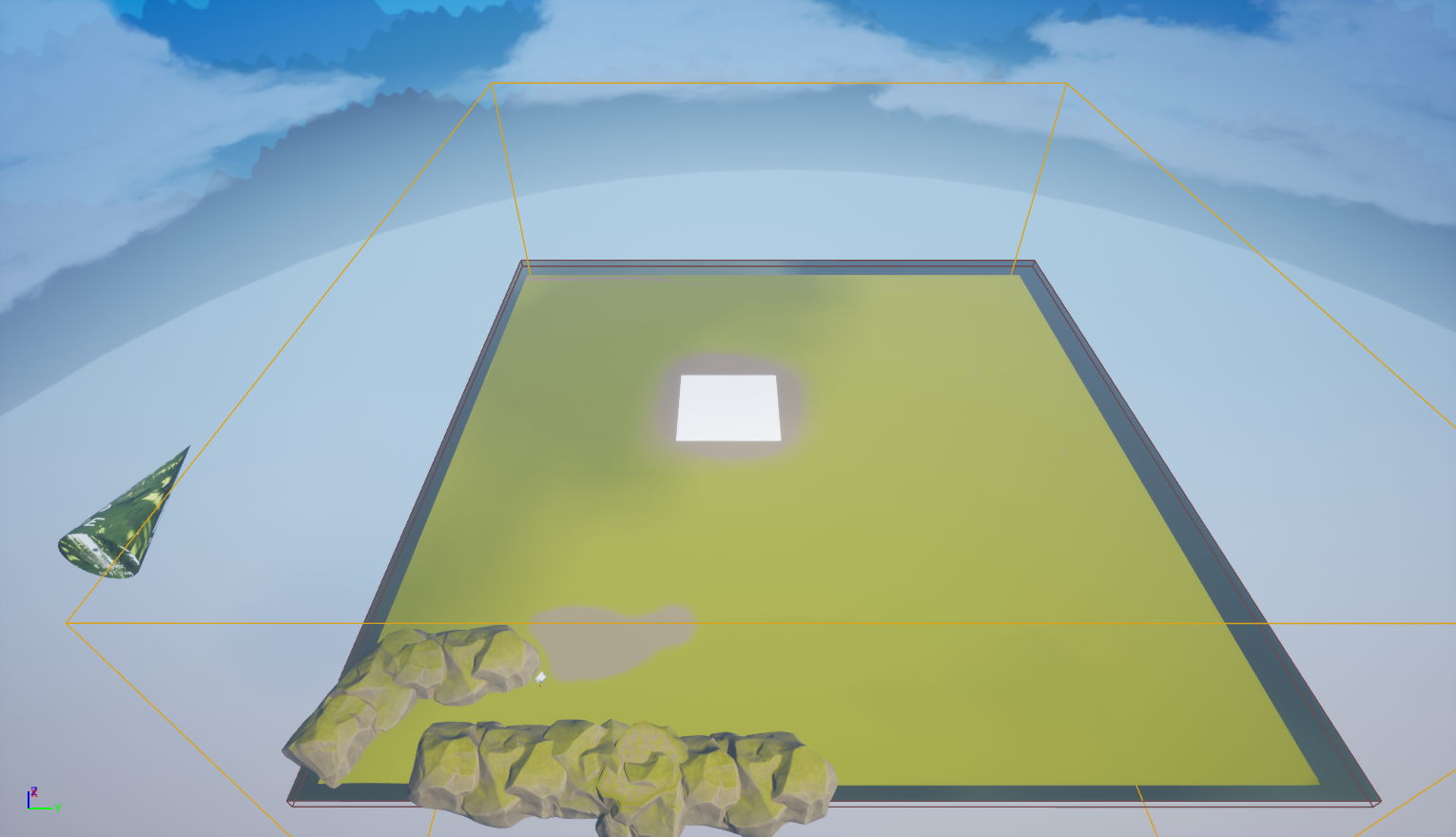
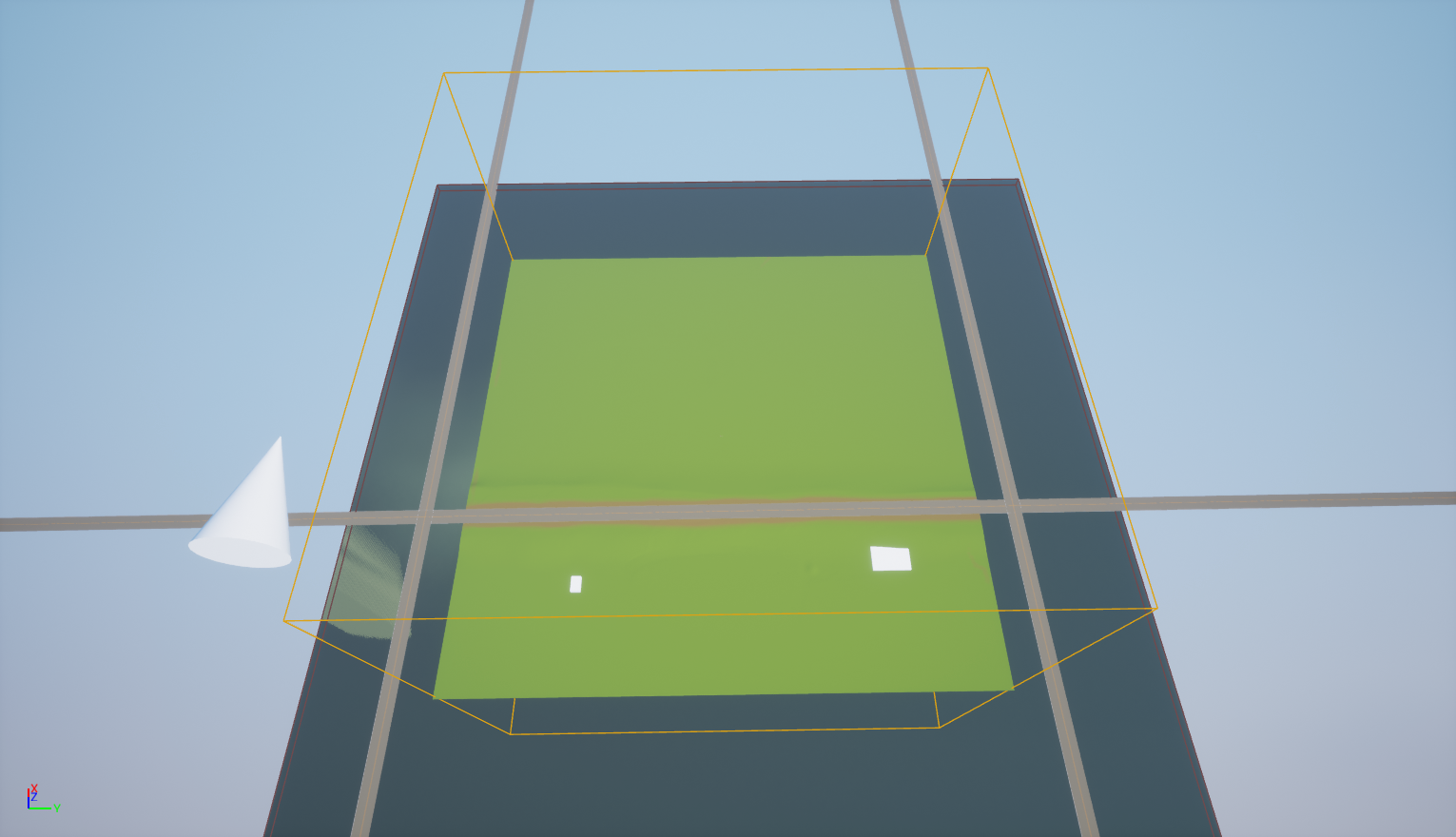
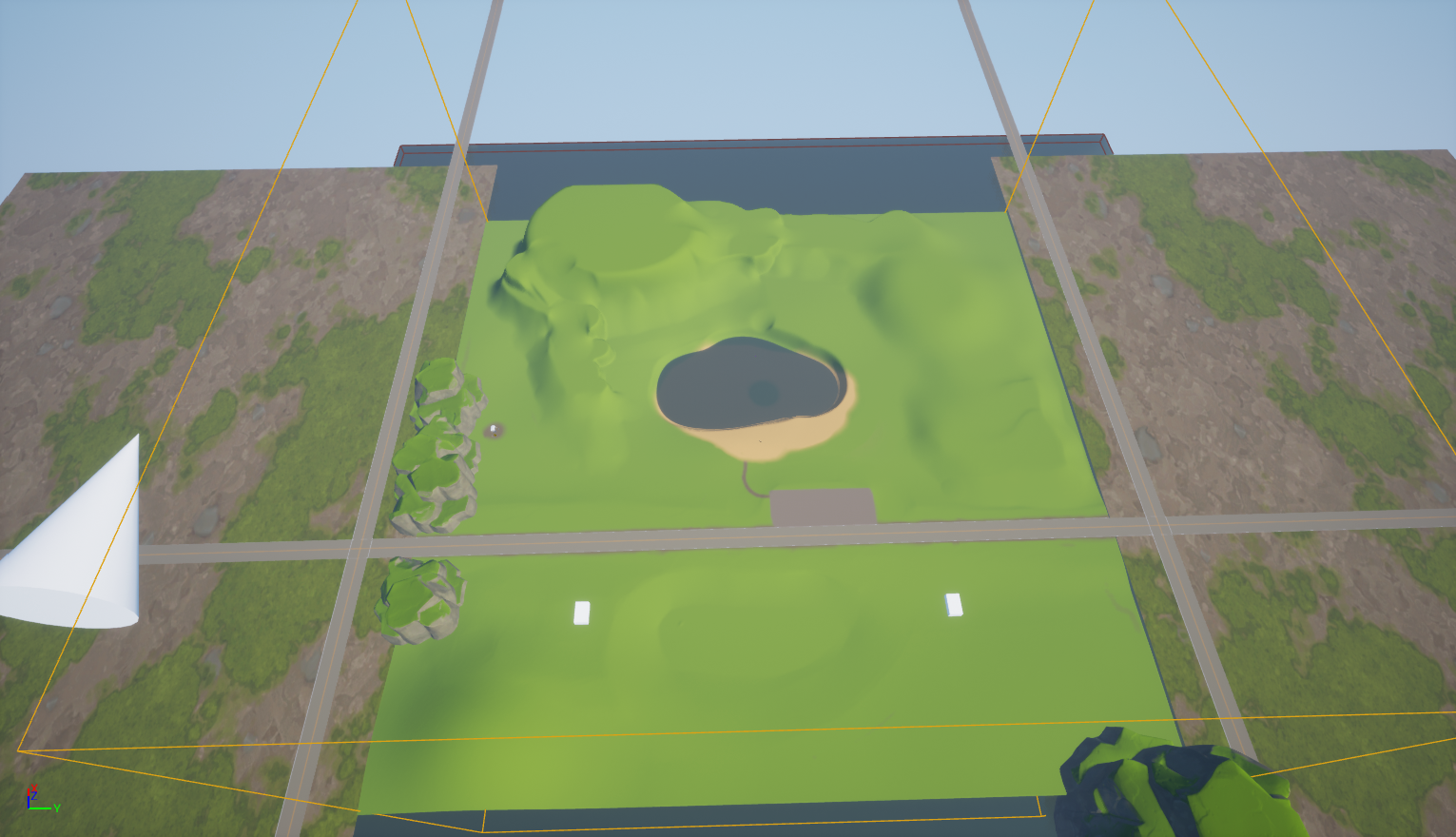
First Pass
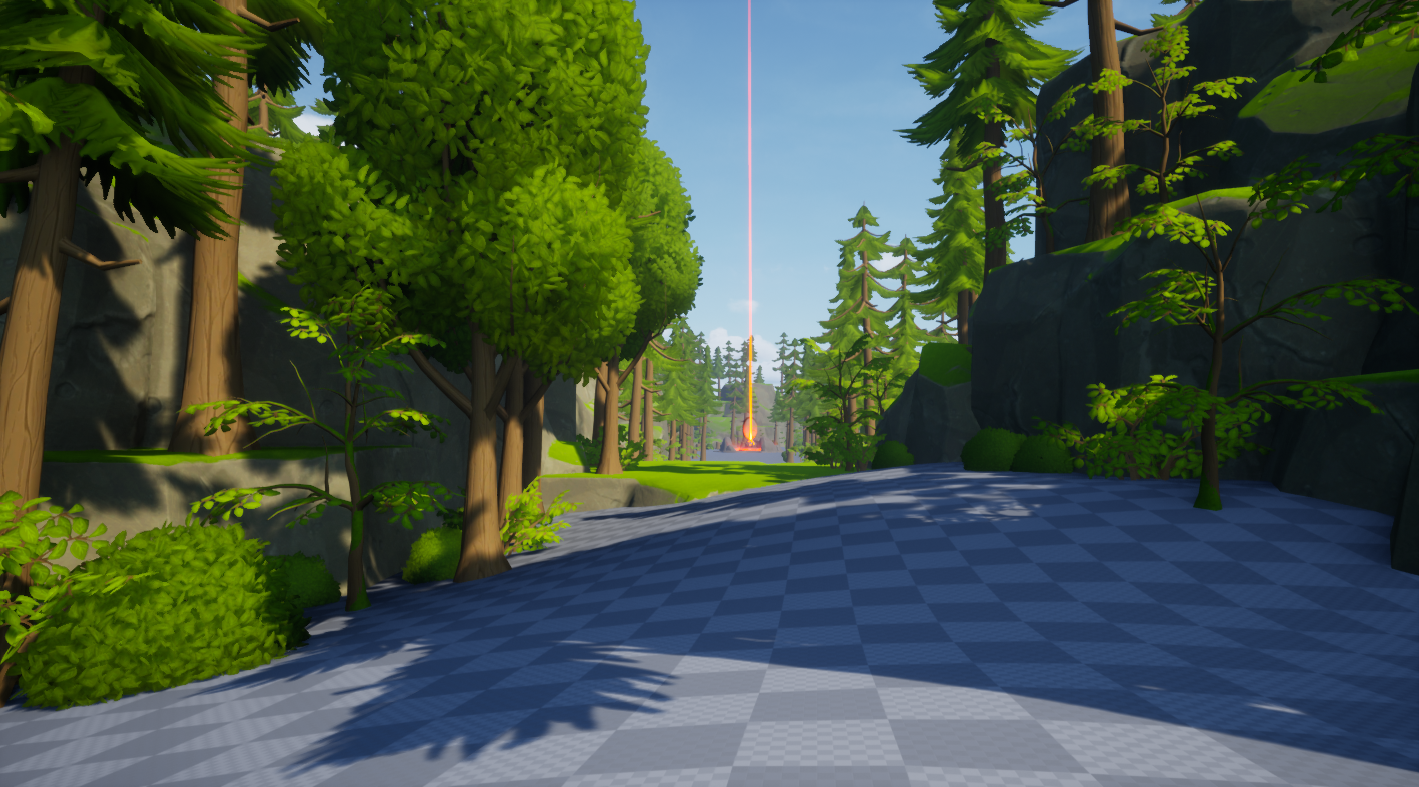
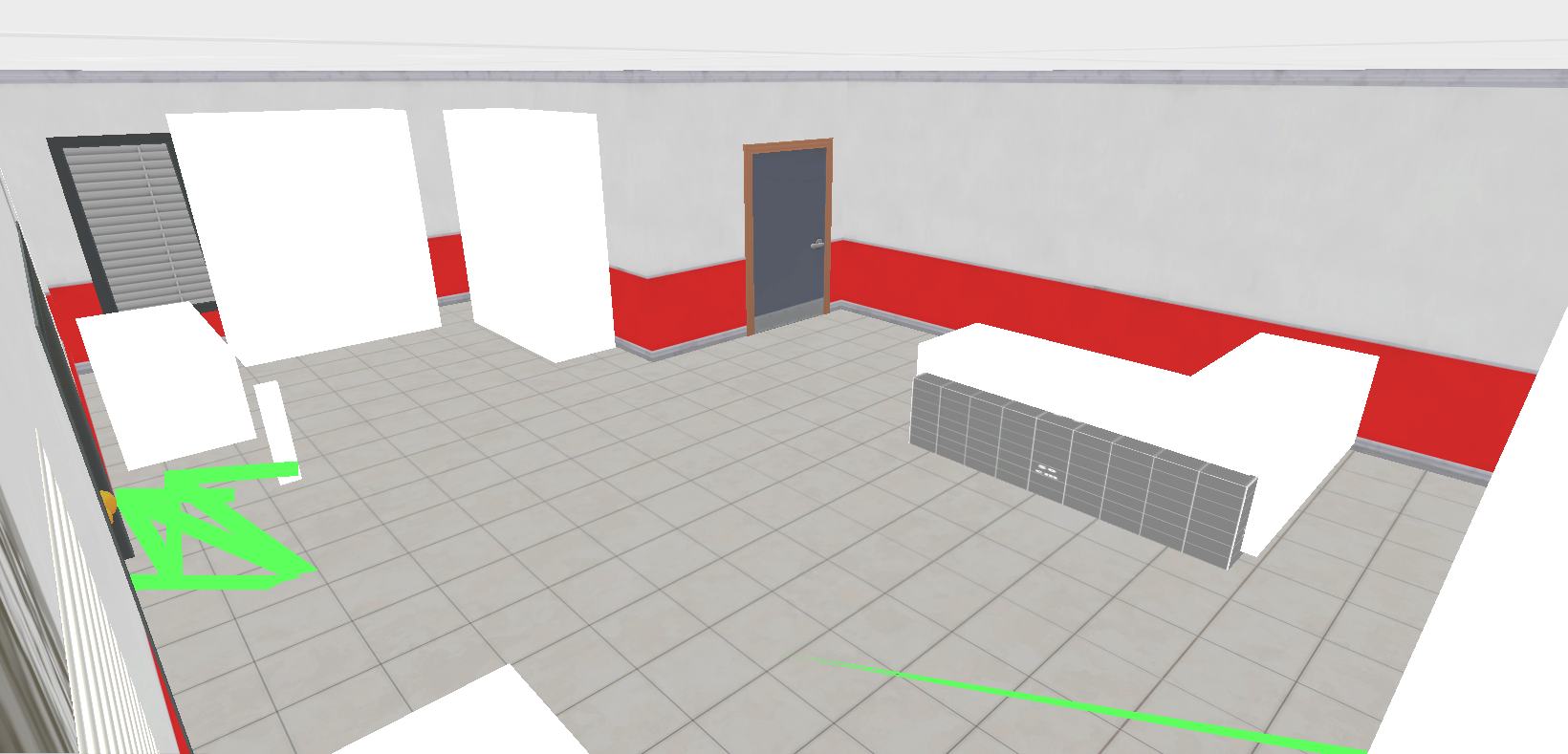
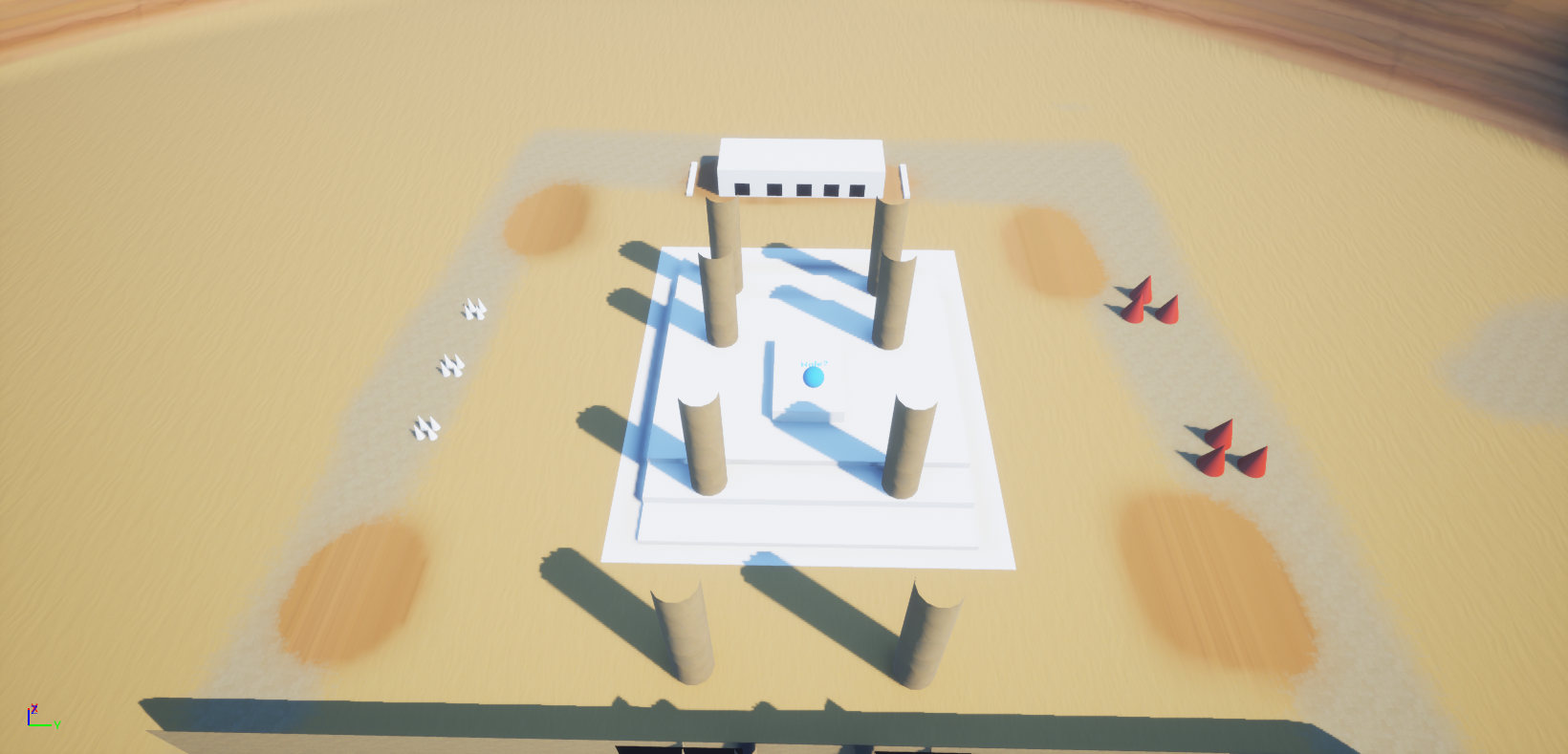
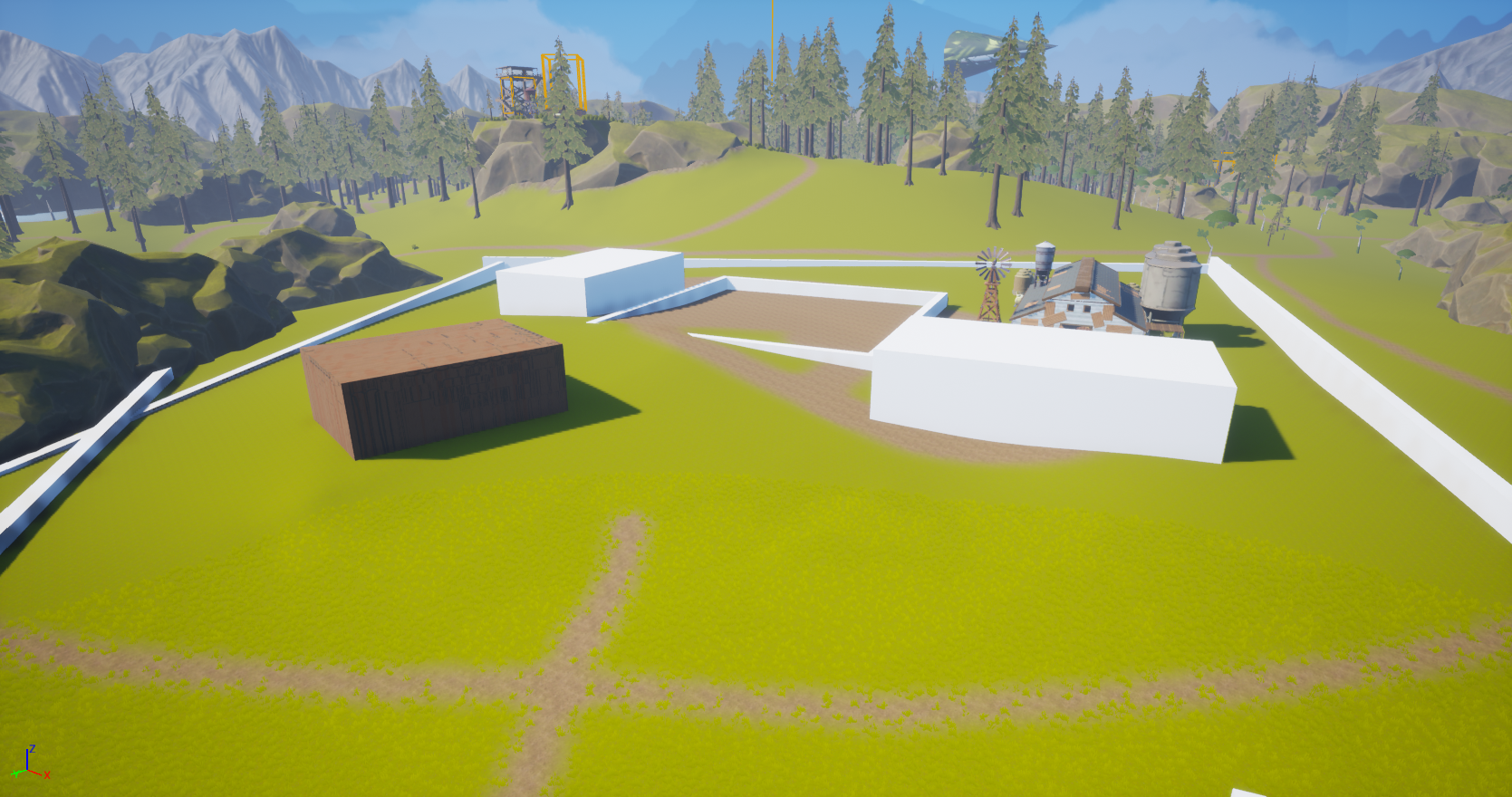
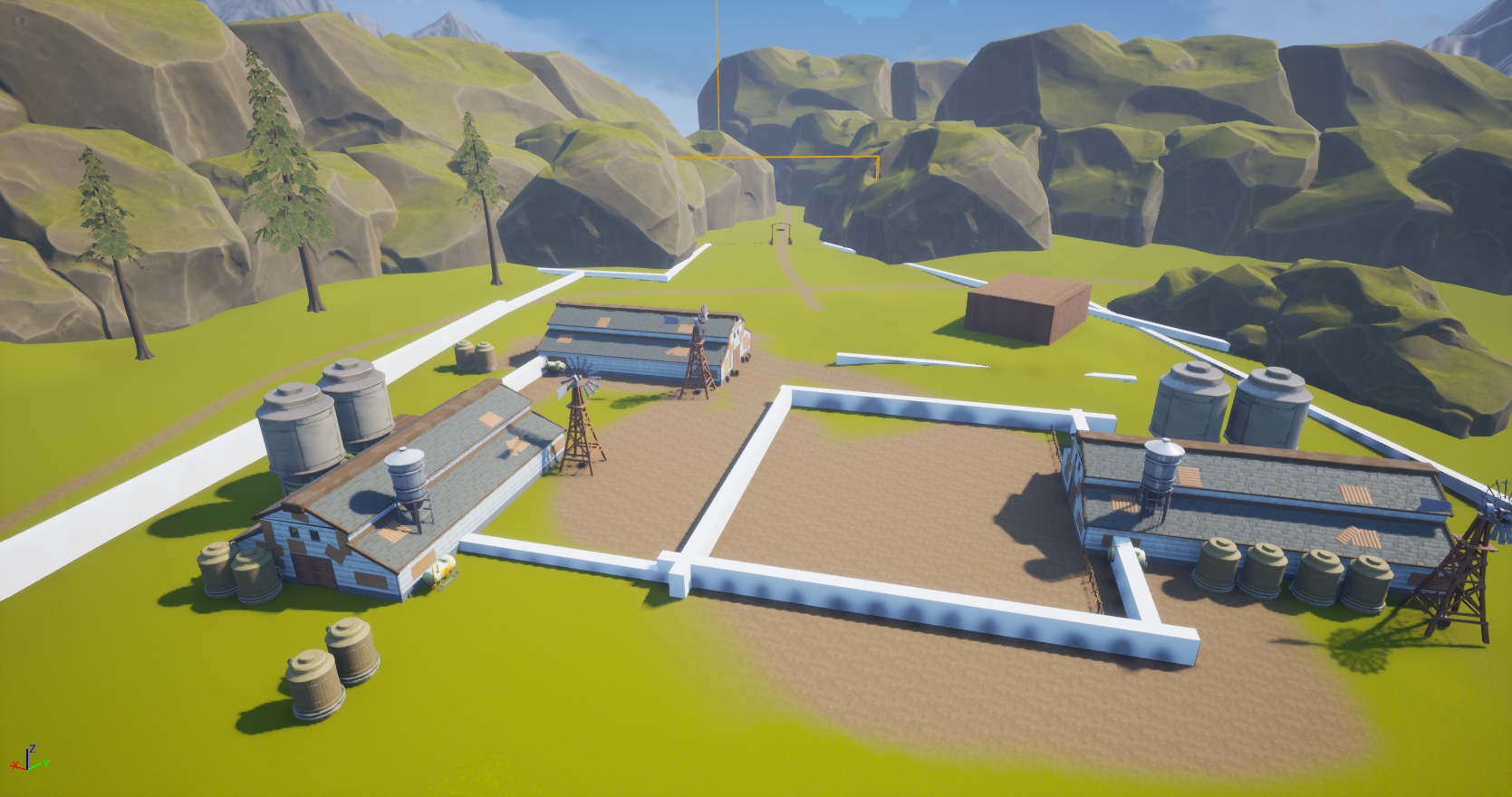
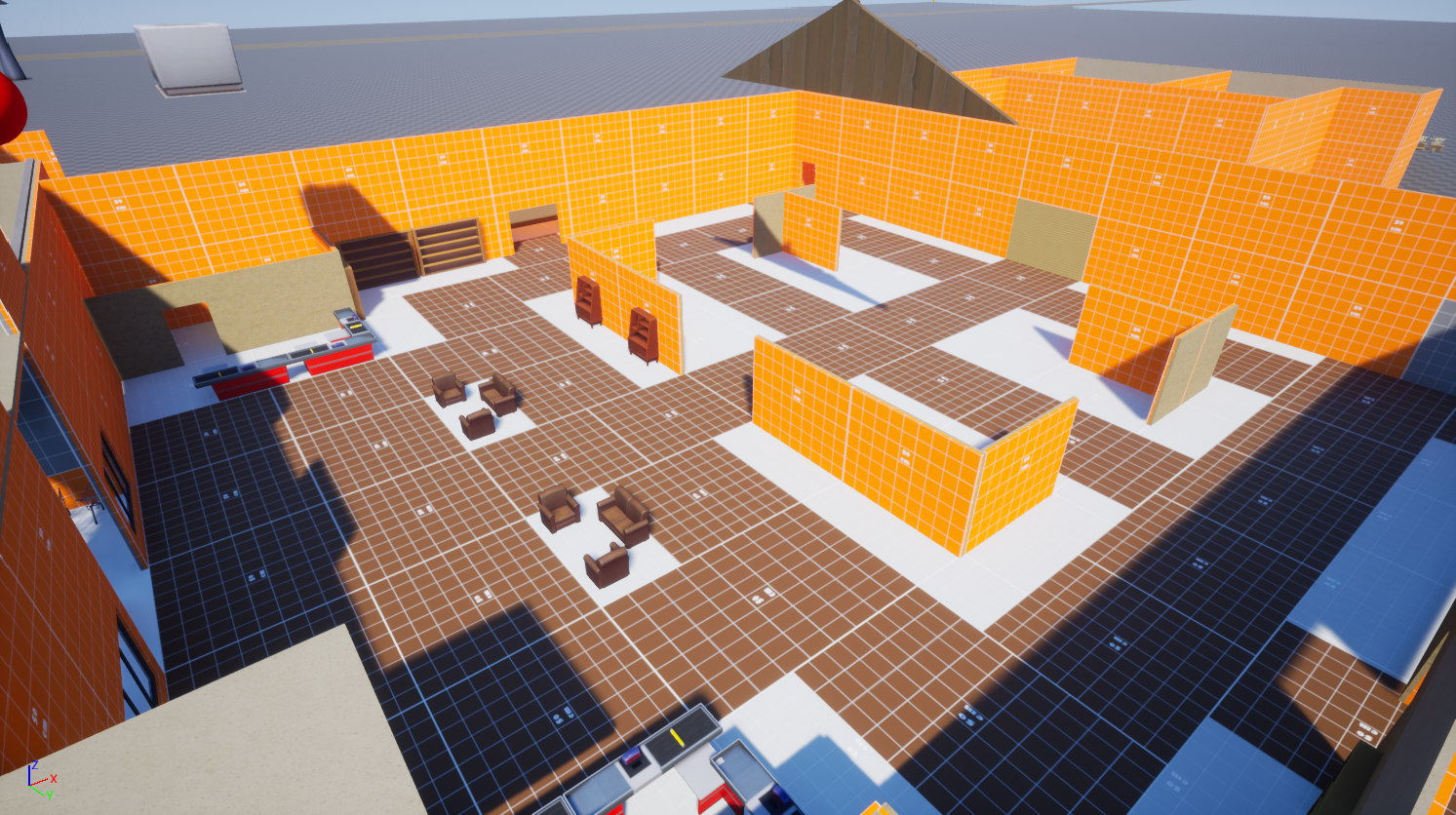
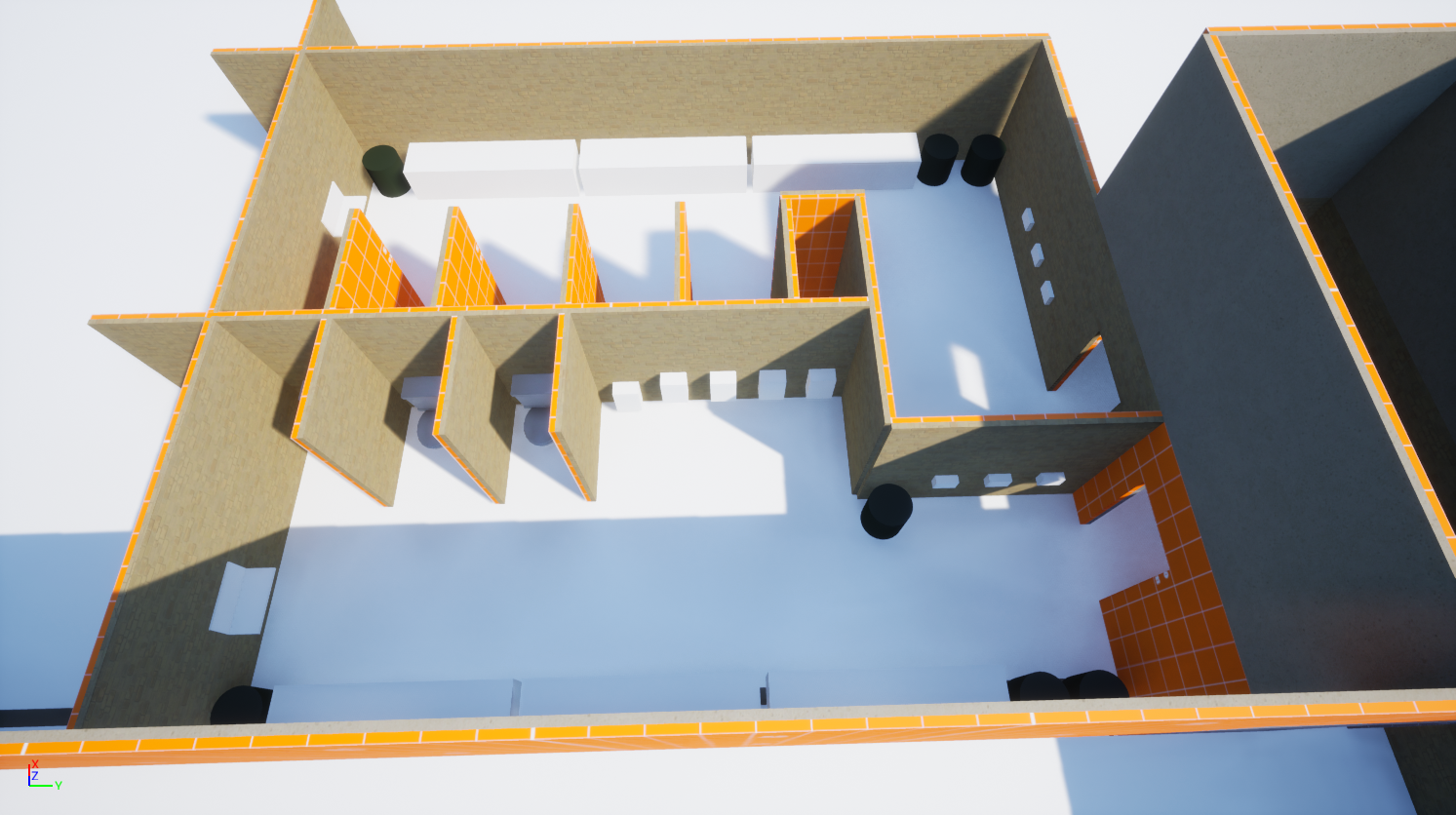
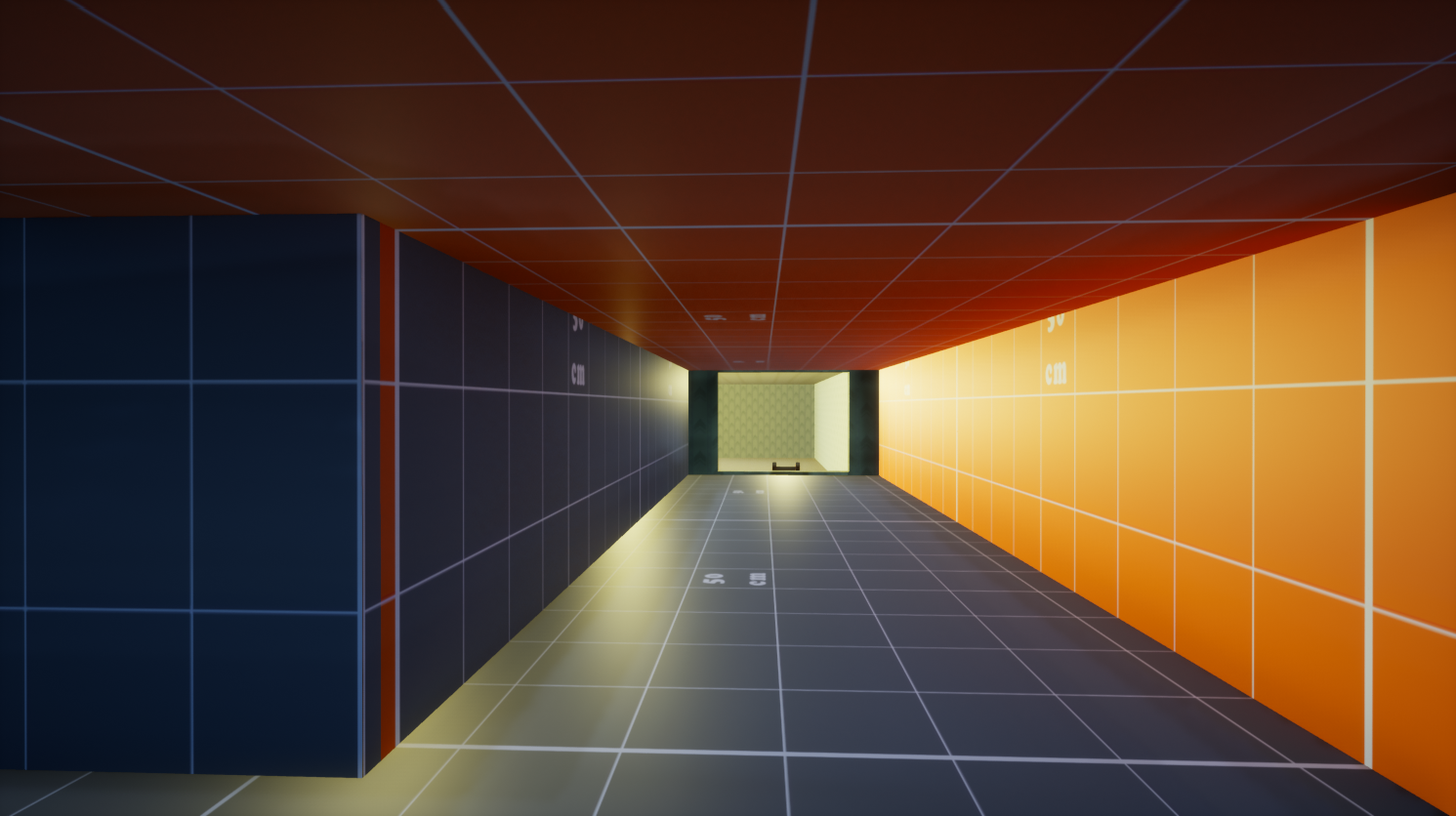
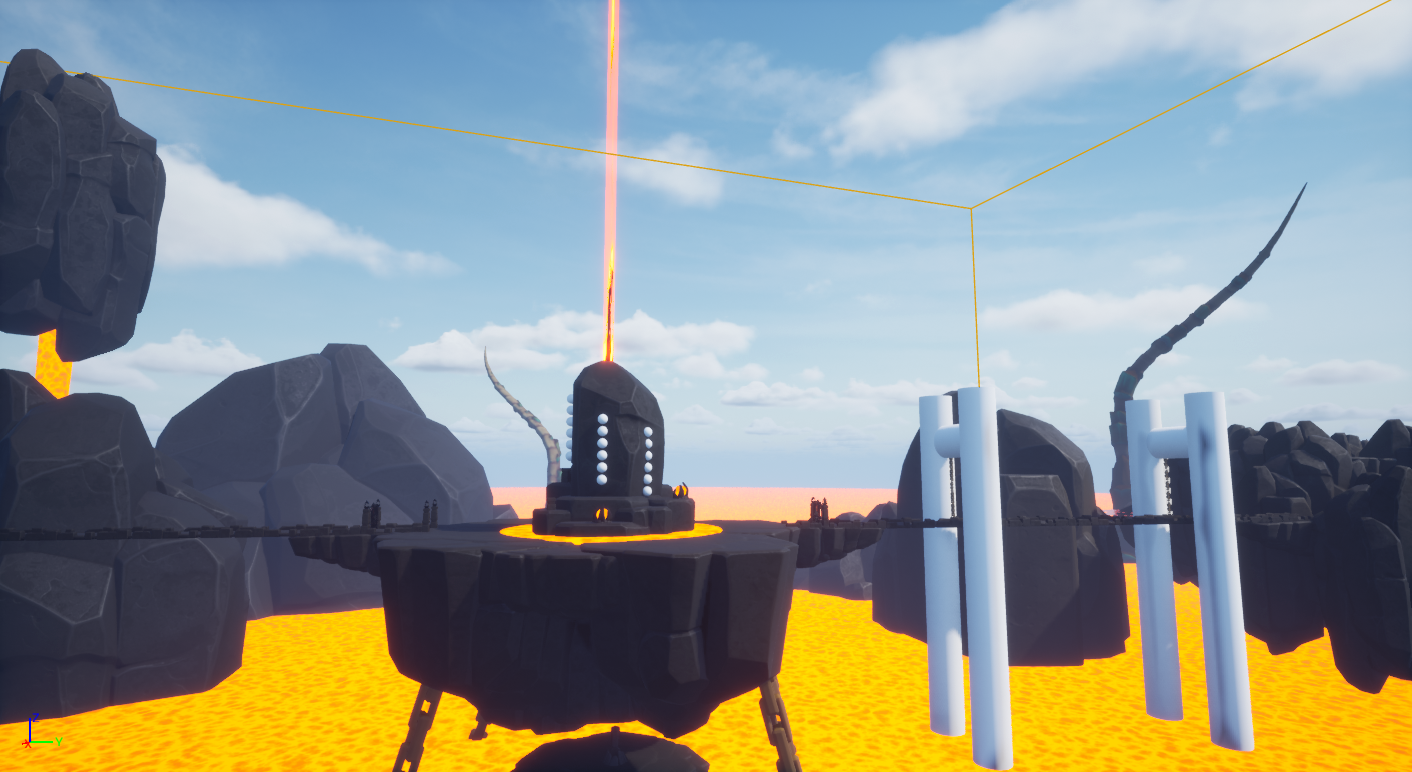
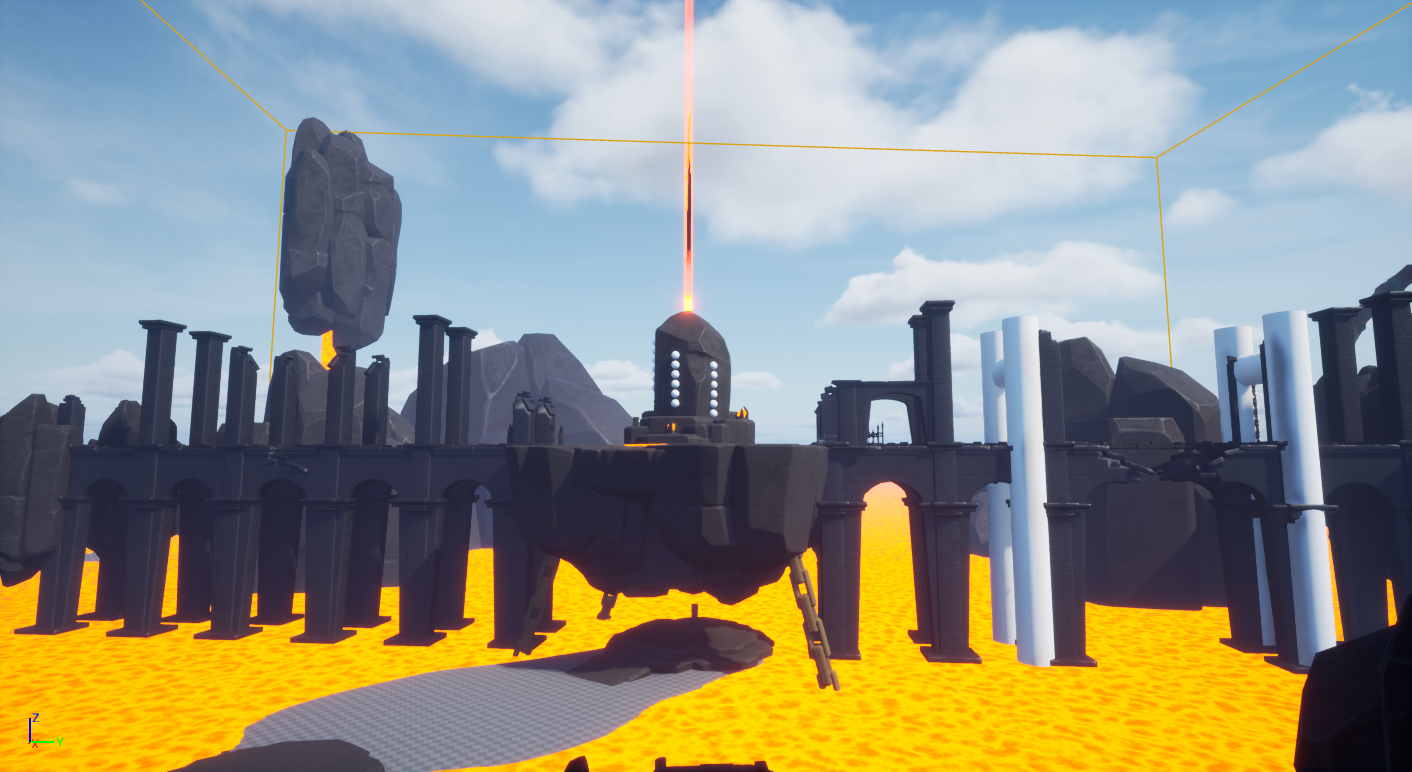
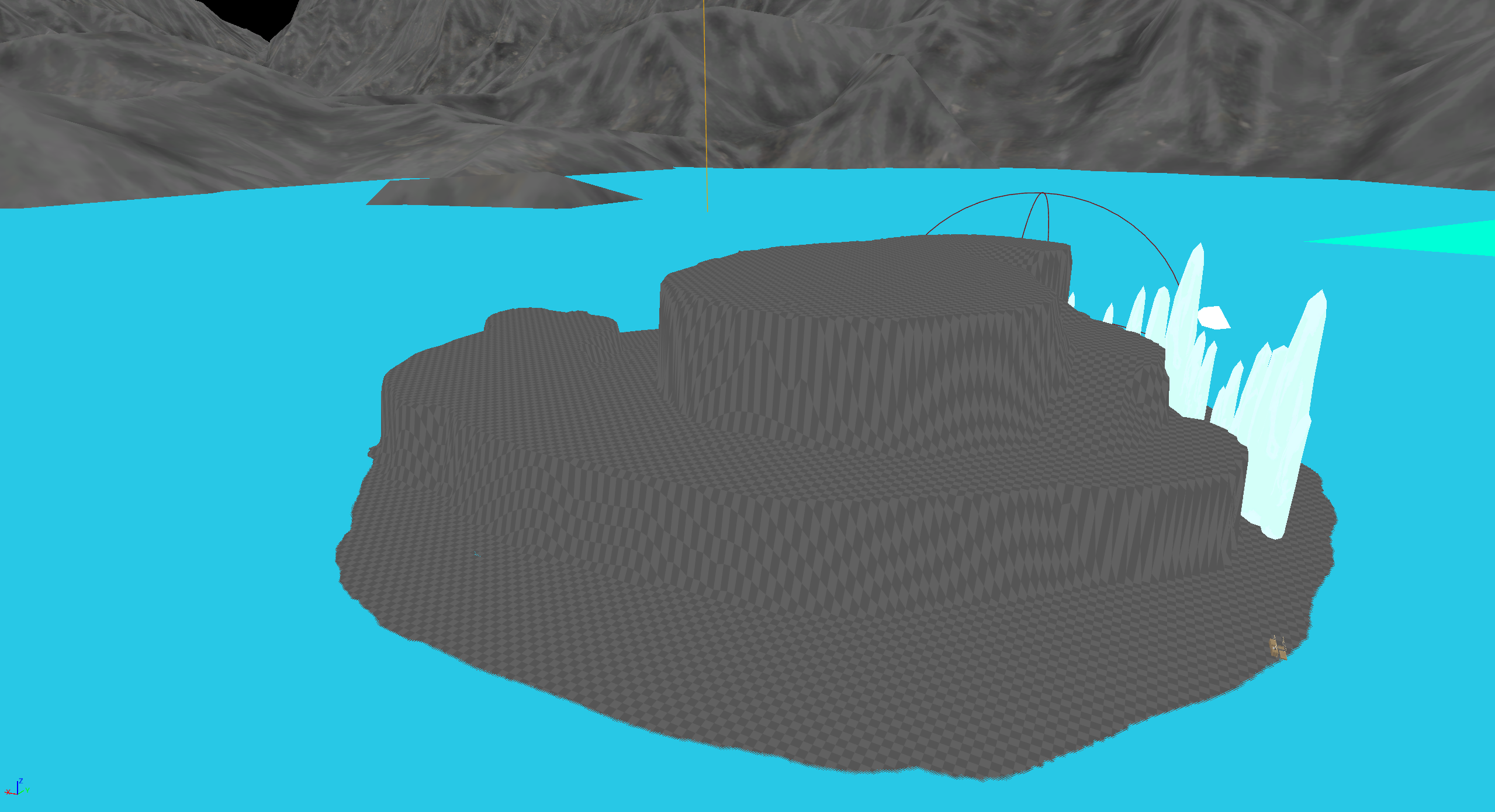
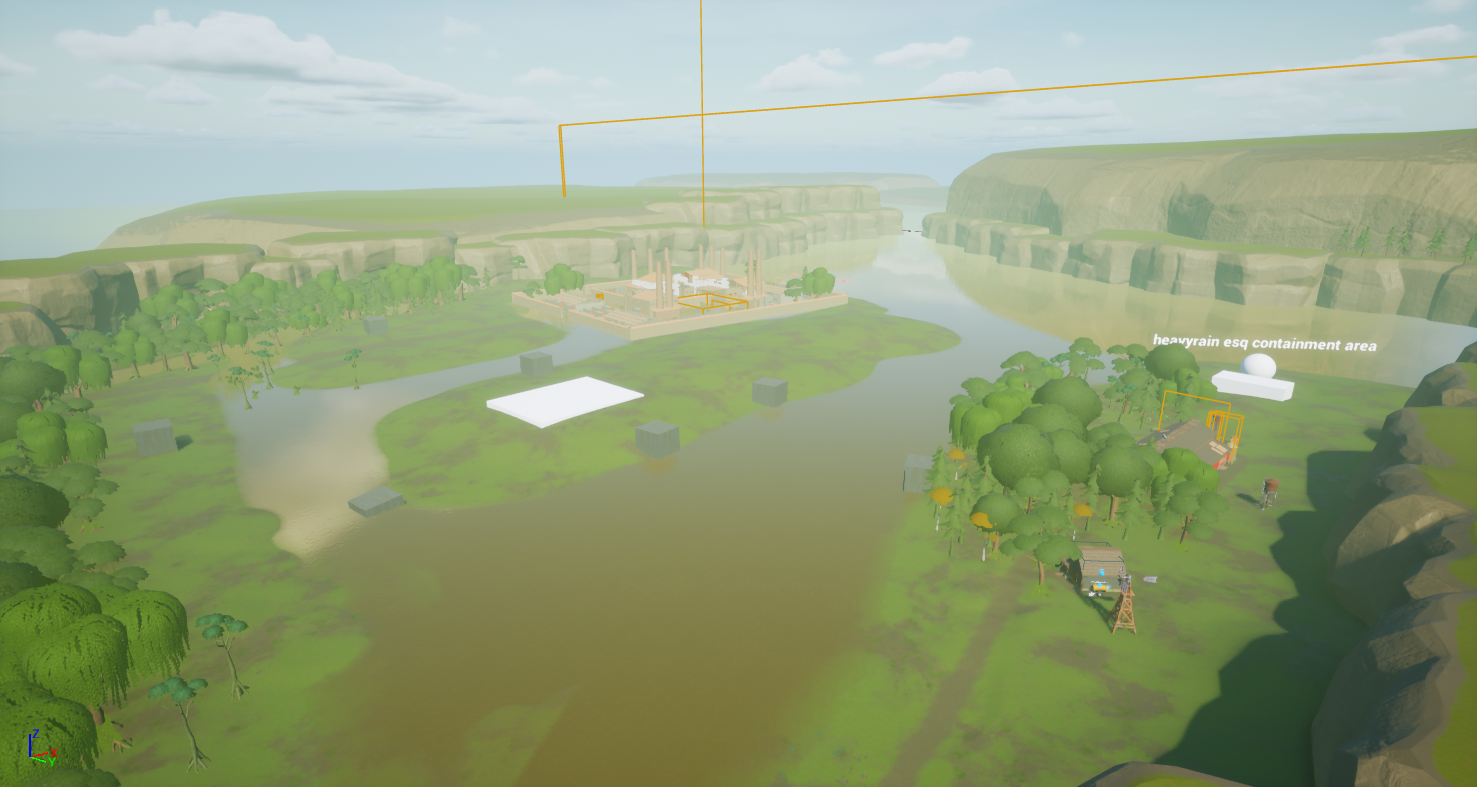
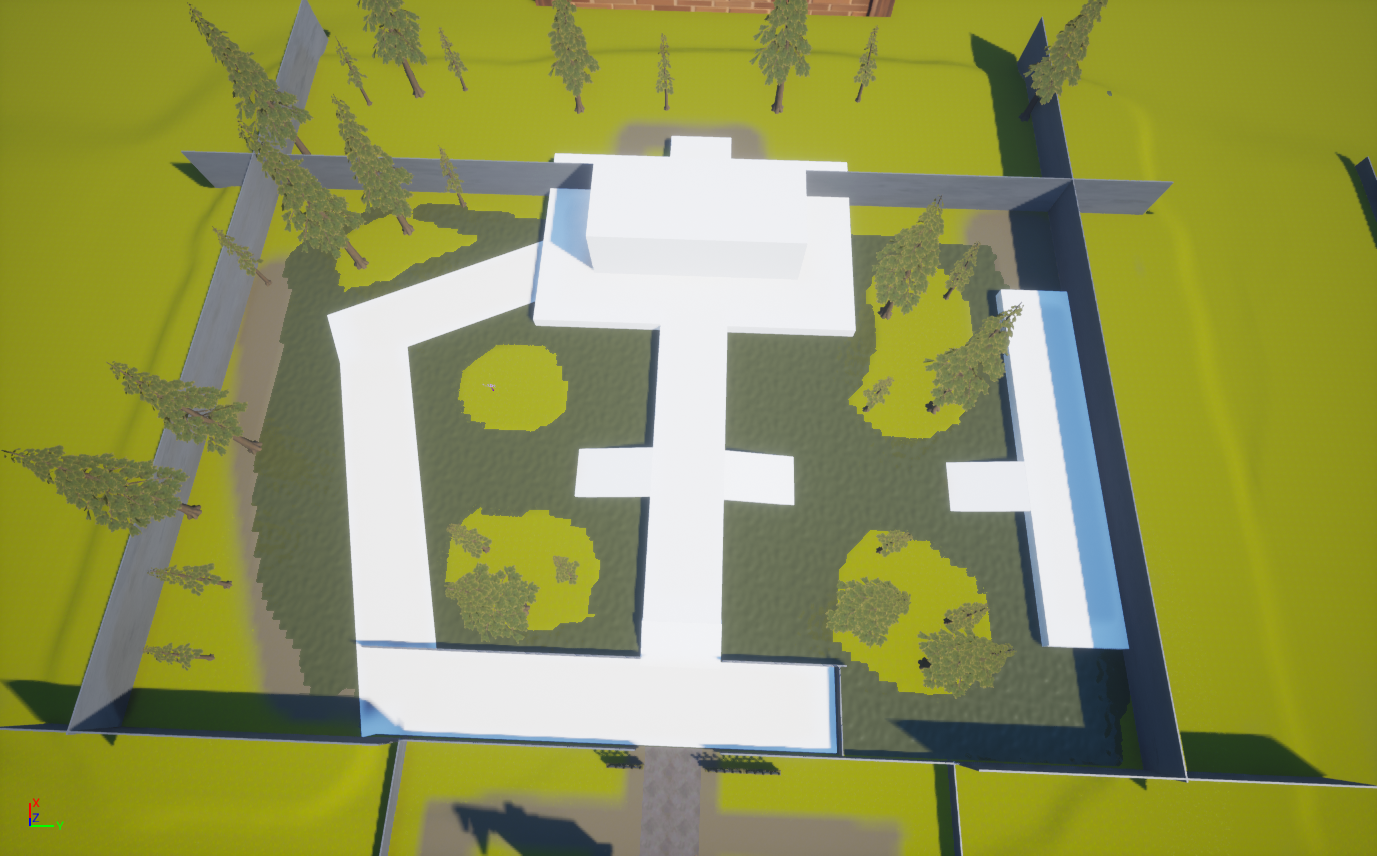
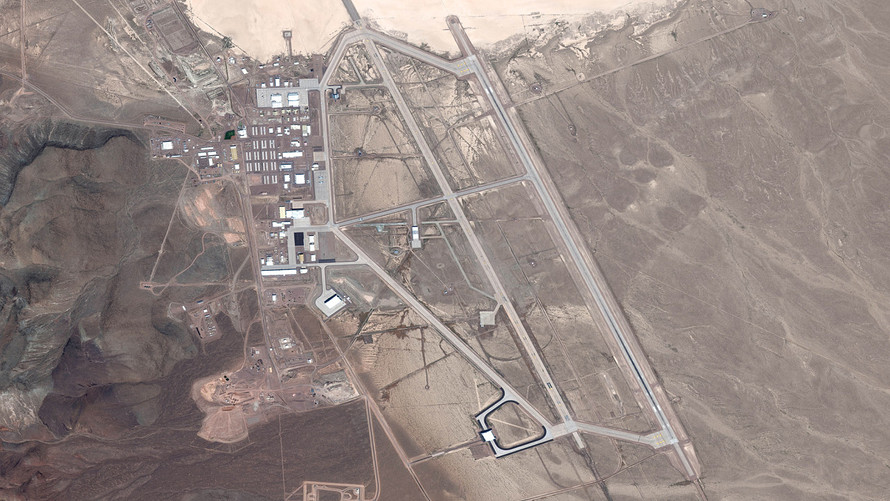
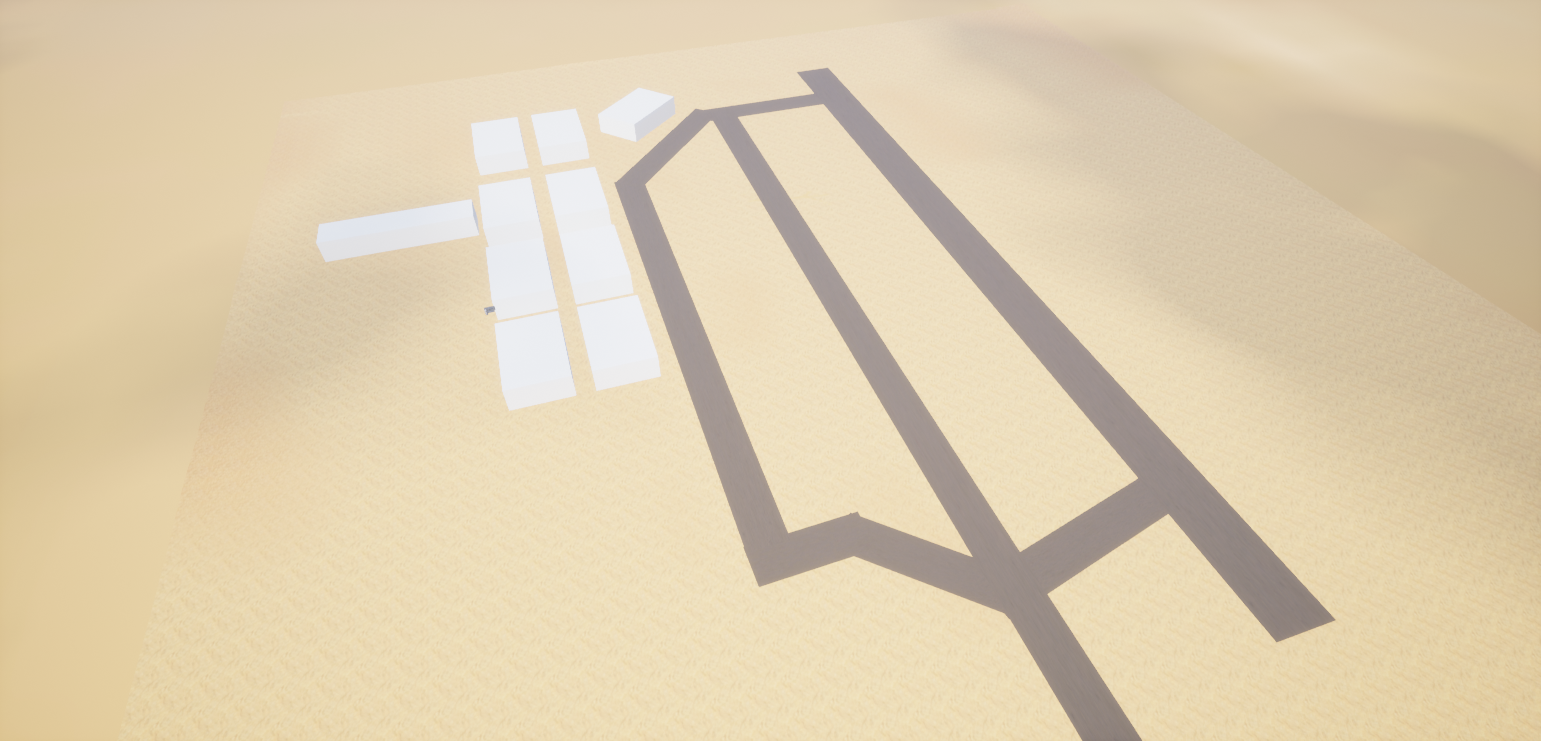
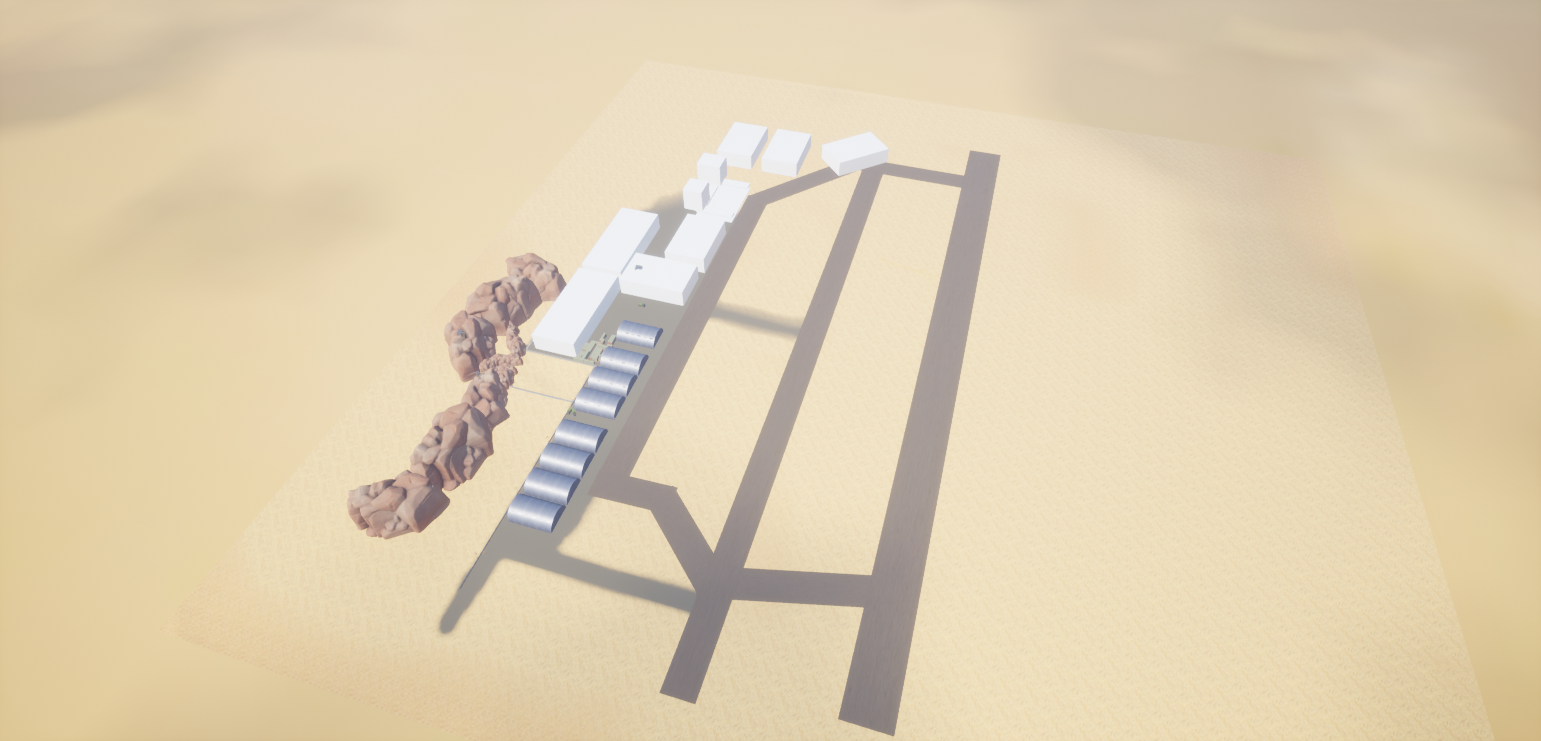
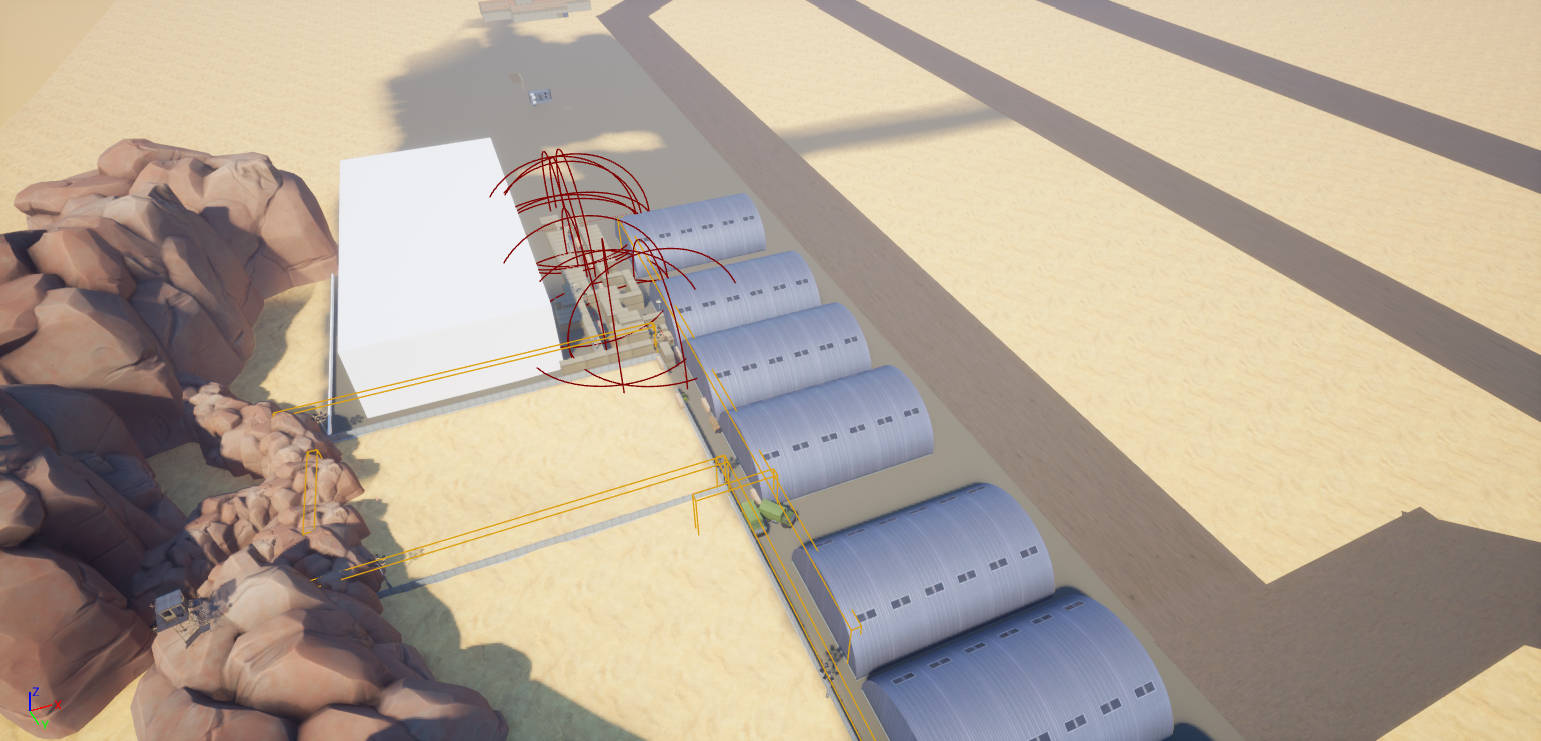
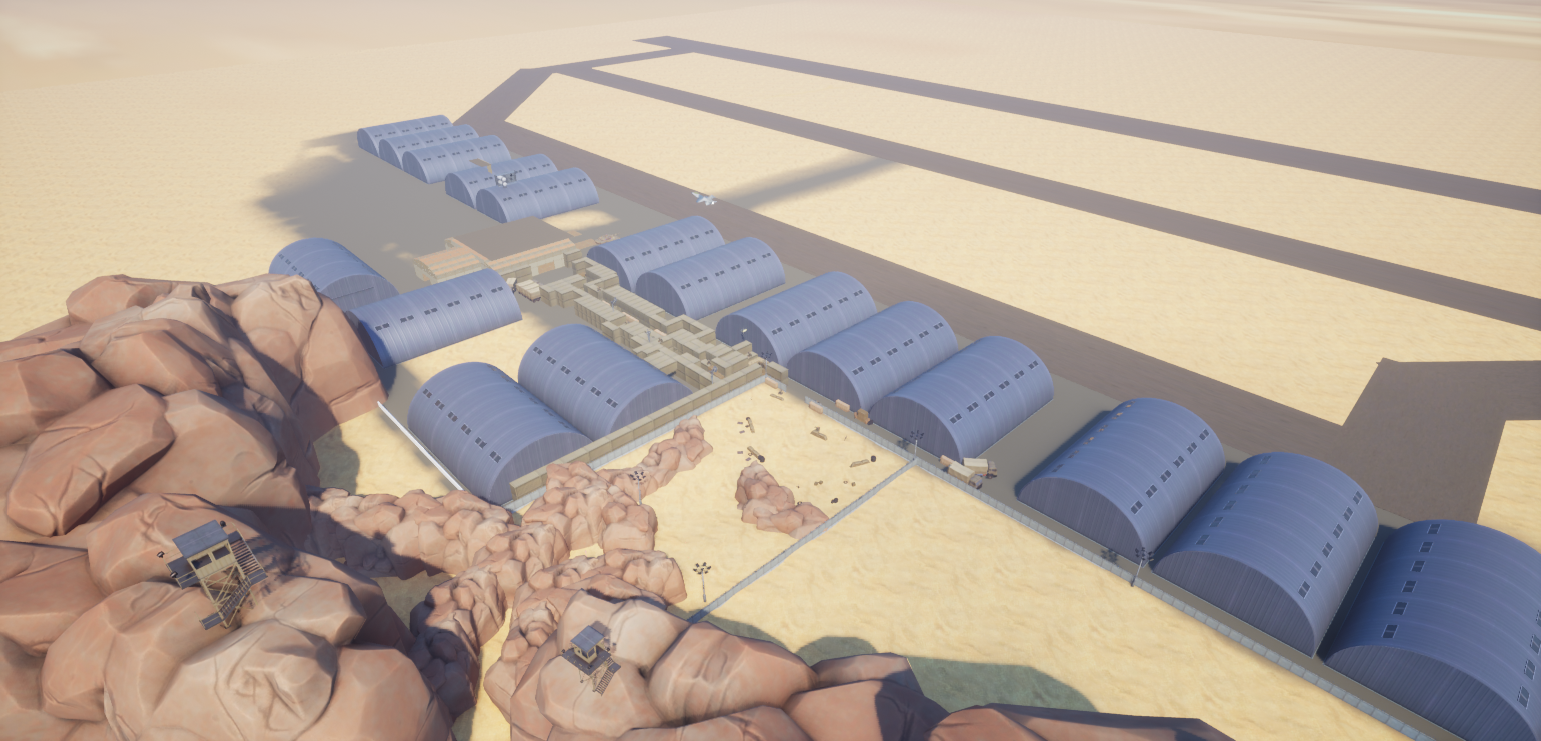
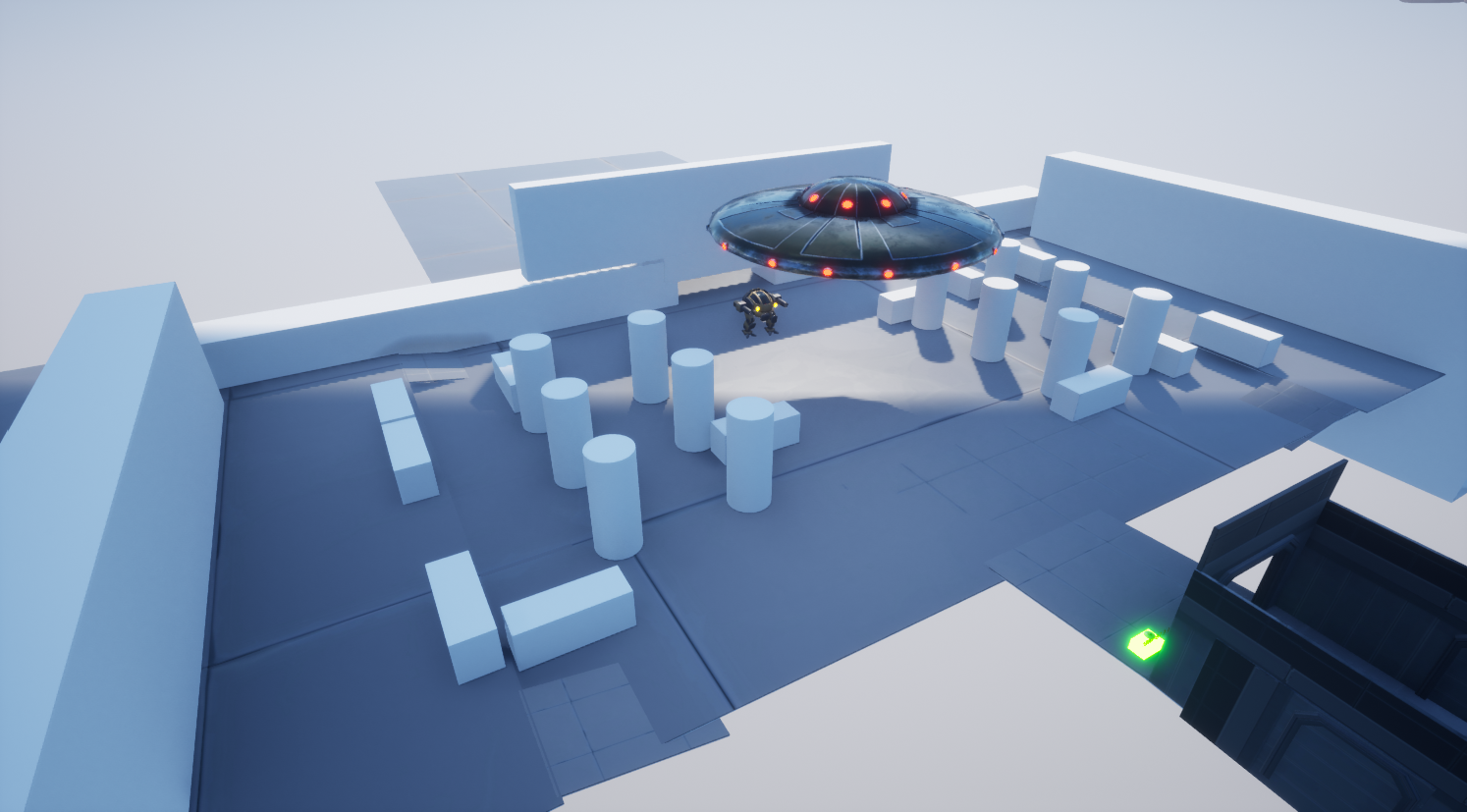
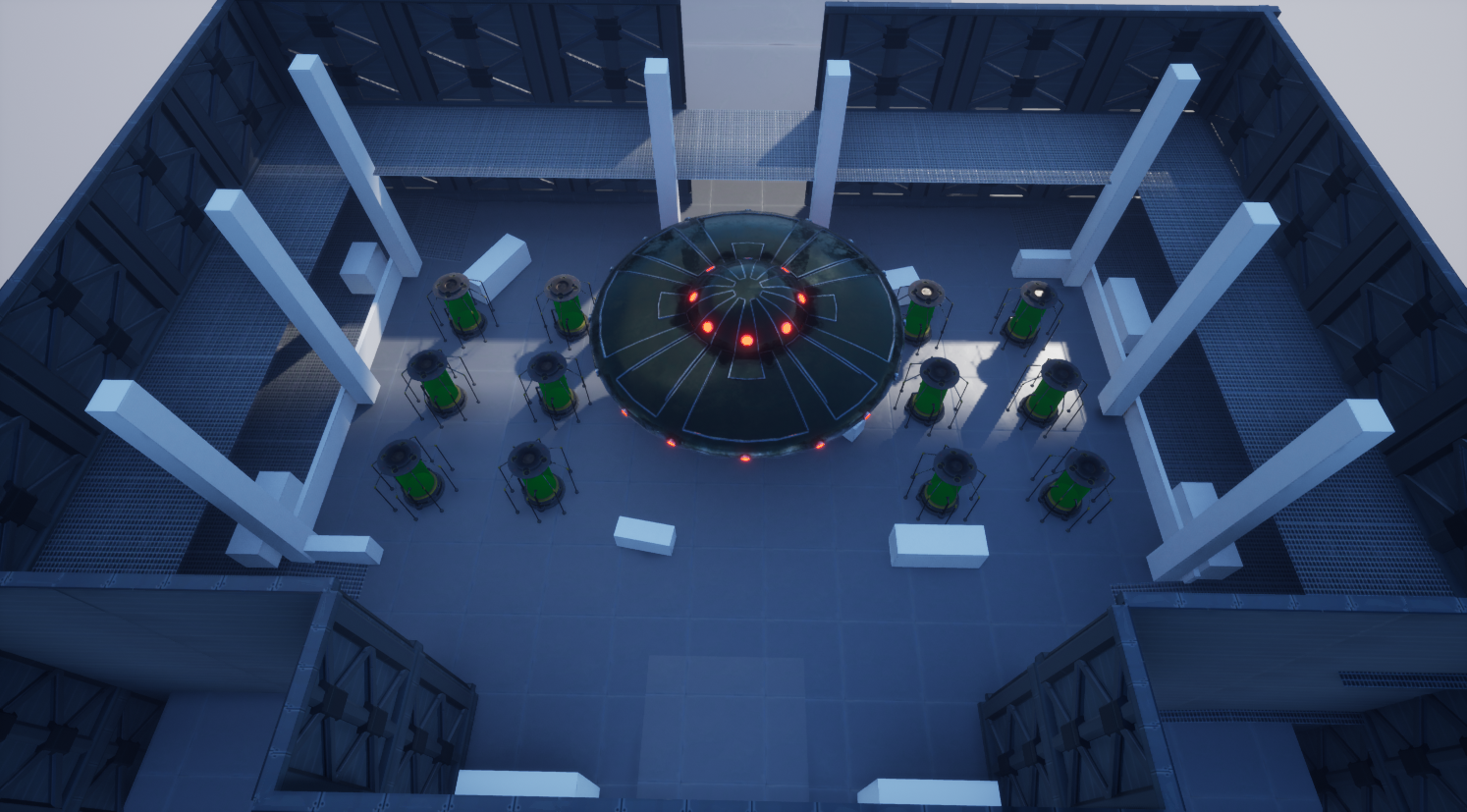
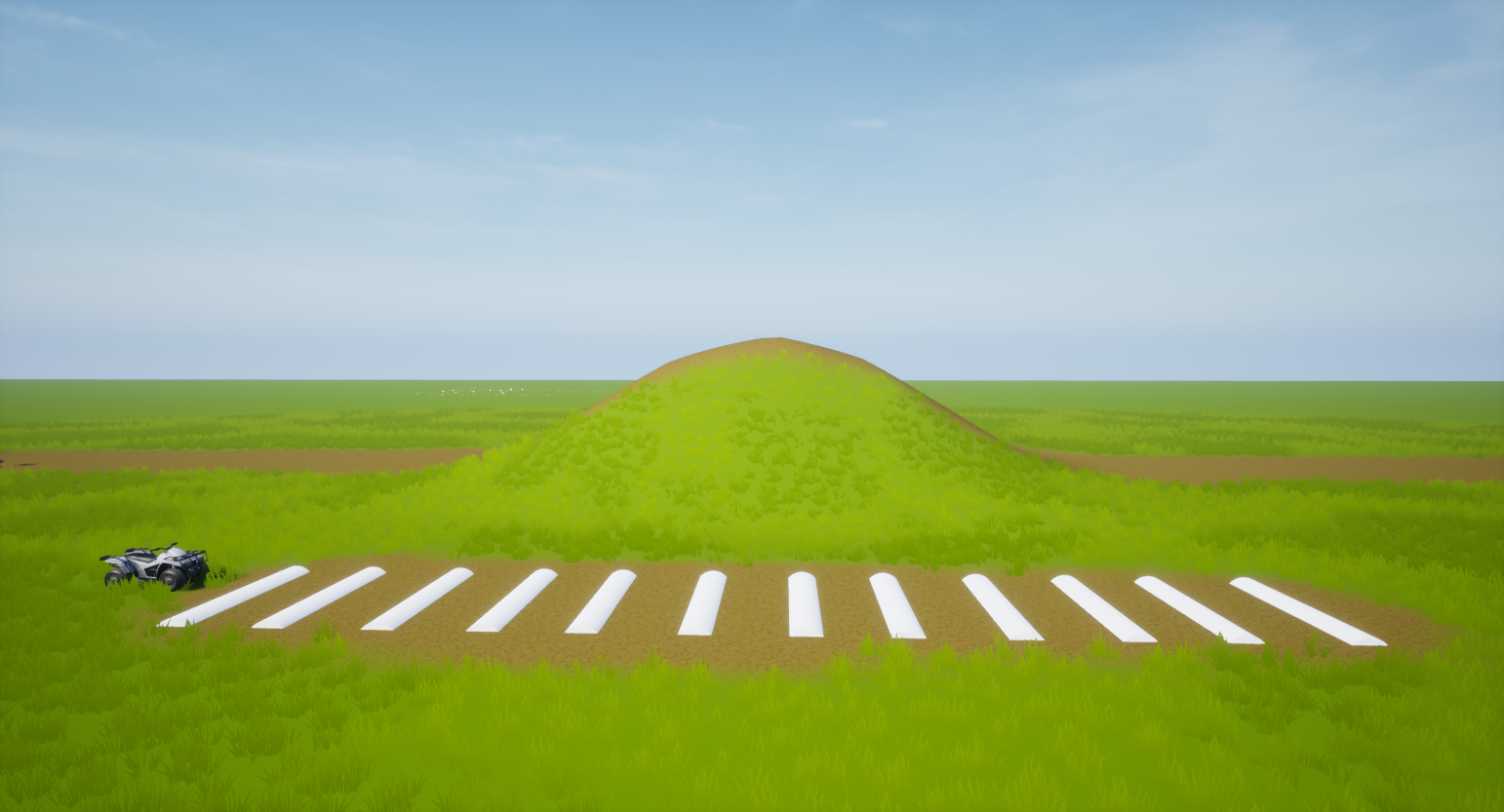
With the layout established, I move into Unreal Engine 4.26 to begin the blockout. This is one of the most important stages of my design process. A map can organize an idea, but you don’t truly know how a level feels until you can walk through it and play it.
My philosophy at this stage is simple: make it work first; make it look good later.
The primary goals of the first pass are:
- Player Scale & Proportions — Establish believable spaces based on the player’s actual dimensions.
- Traversal & Pacing — Test how quickly players move through the level and where the experience naturally speeds up or slows down.
- Readability — Ensure spaces, routes, landmarks, and points of interest are understandable before visual detail is introduced.
- Sightlines & Encounters — Identify where players can see, approach, or encounter important gameplay elements.
I typically start with:
- Basic terrain (if applicable)
- Simple geometry to define spaces, routes, sightlines, POIs, world actors, and encounters
This stage is also extremely helpful for visualizing the world in-engine, especially for designers who prefer spatial iteration over paper layouts. It’s much easier for me to iterate in-engine.
If a character model is available, I place it directly into the scene to validate scale. Otherwise, I use placeholder geometry based on established character dimensions. I apply the same approach to NPCs when they need to patrol or traverse the environment.
This stage is where I rely heavily on spatial iteration. Rather than trying to perfect a layout on paper, I prefer to get it into the engine, walk through it, and make changes based on how it actually plays.
The goal is simple:
The level needs to play well before it looks good.
Iteration & Feedback
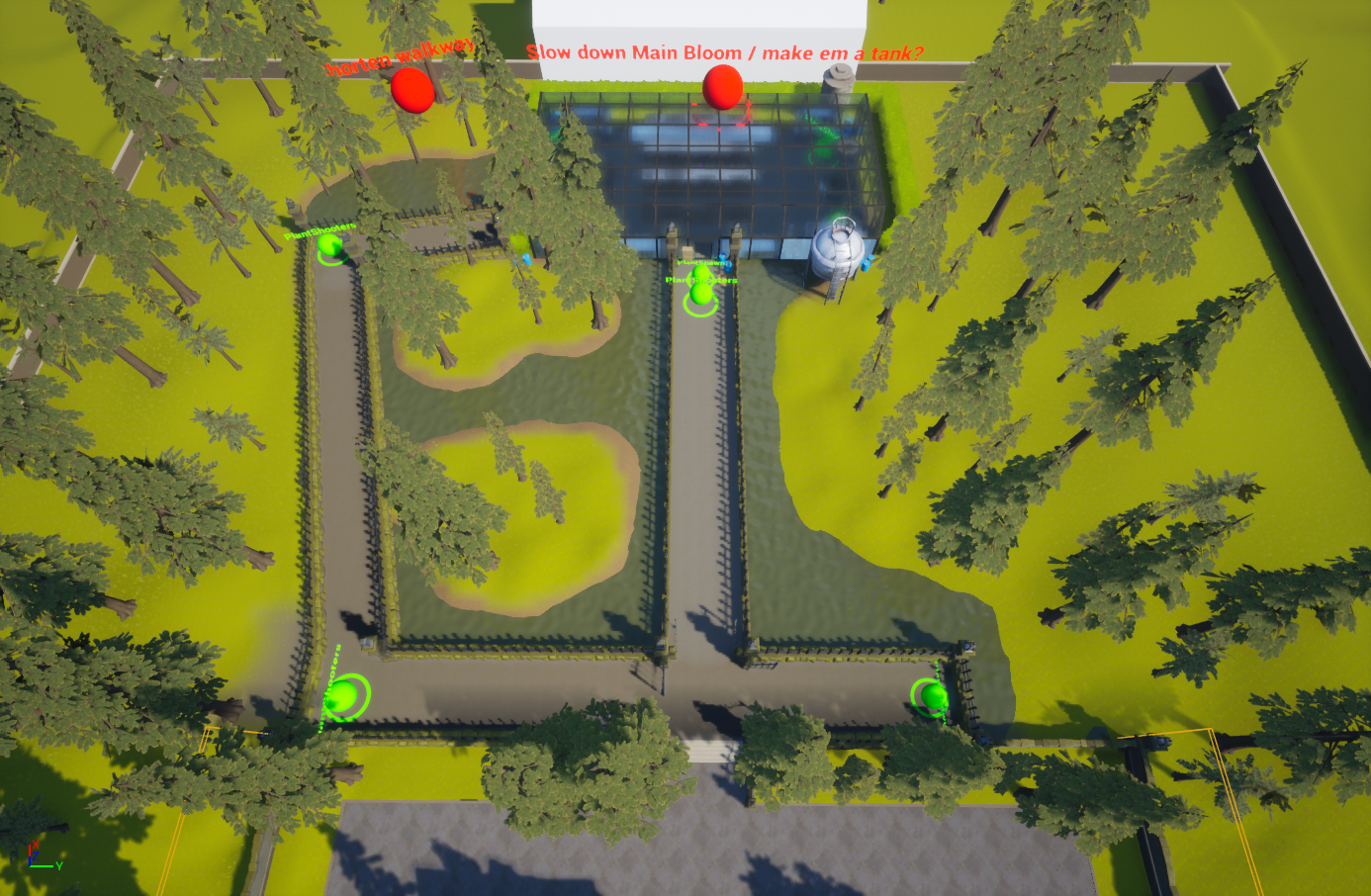
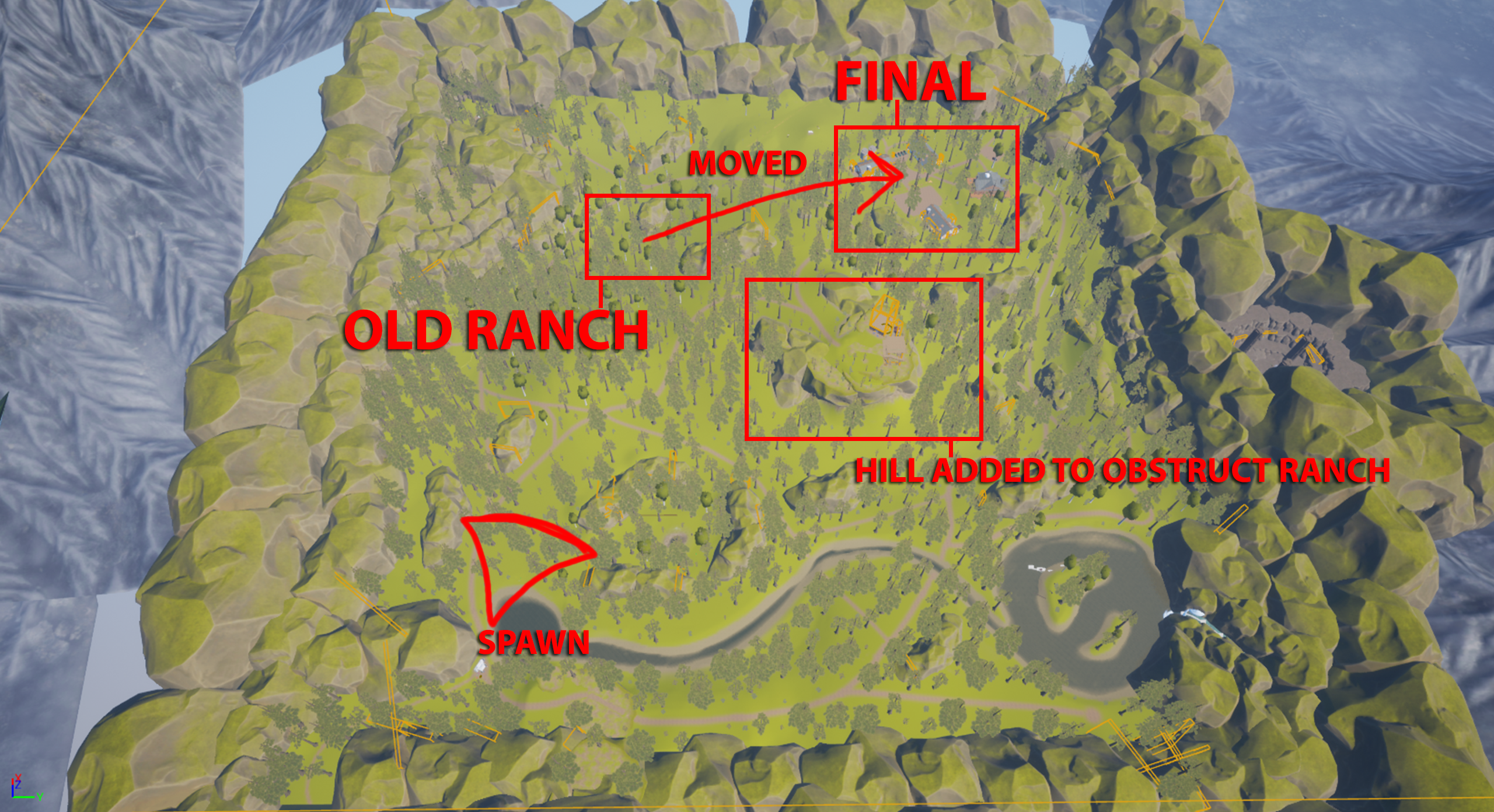
After completing the initial block out, I playtest the level and gather feedback from testers and team members. This step is CRUCIAL.
As the designer, I already know where triggers, encounters, and scripted moments are placed. Having fresh players experience the level allows me to understand whether spaces read clearly, feel engaging, or need further refinement before expanding on them.
Iteration is a core part of my workflow. As development progresses, many factors may change, including:
- Core Mechanics
- Lore / Narrative
Because of this, I continuously refine the level to support the evolving needs of the game.
The number of iterations depends on scope and timeline, but my goal is always to deliver the best possible experience within production constraints — without ever losing sight of fun.
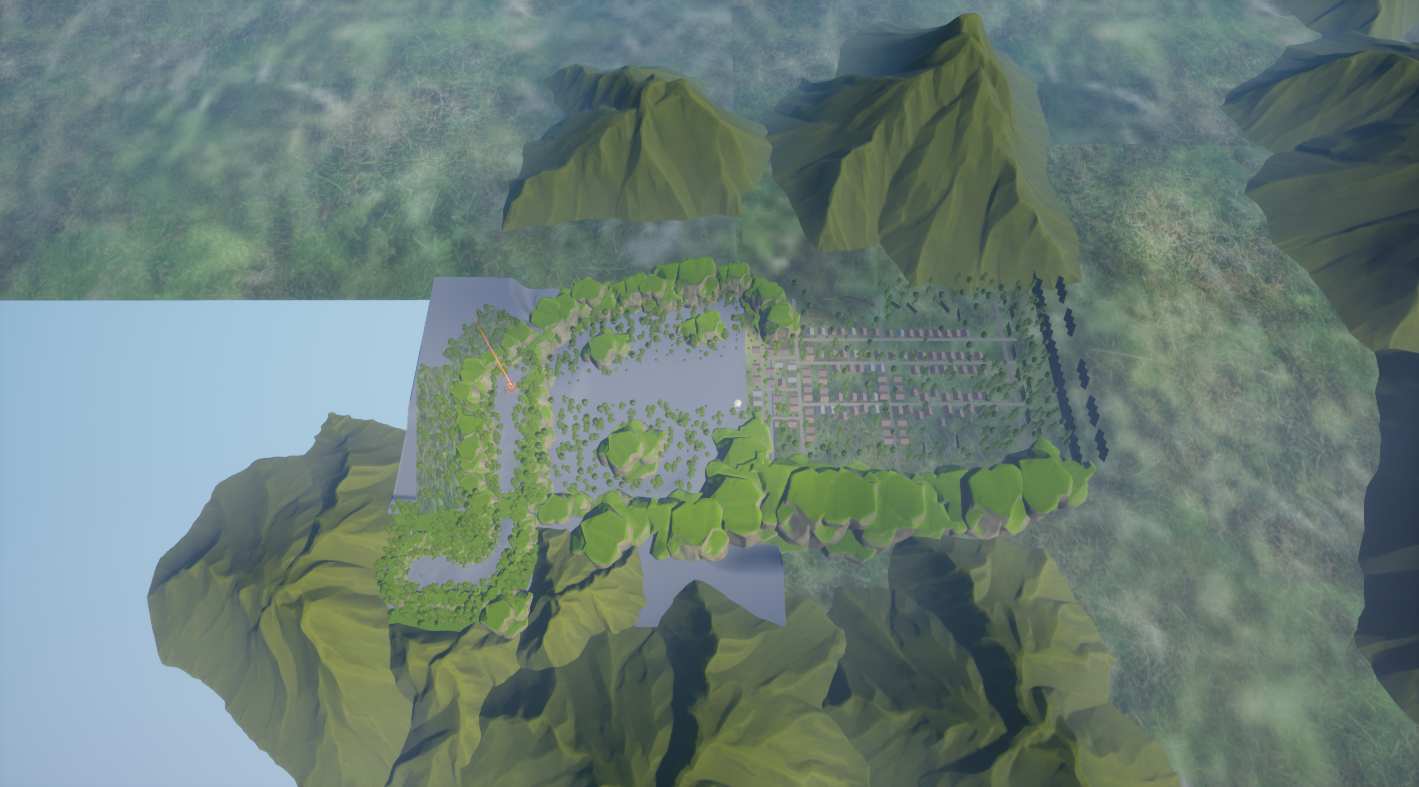
Making It Look Good
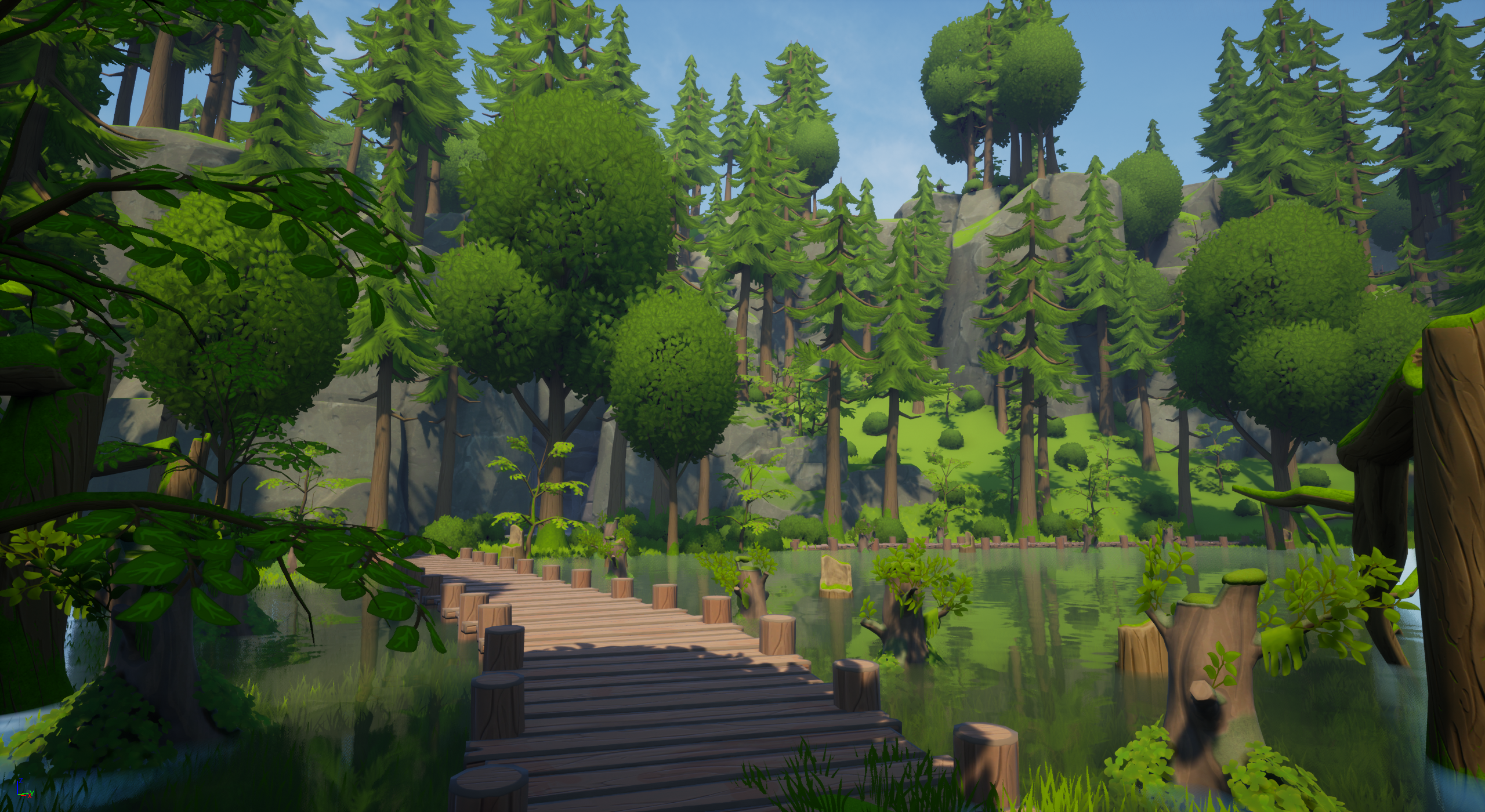
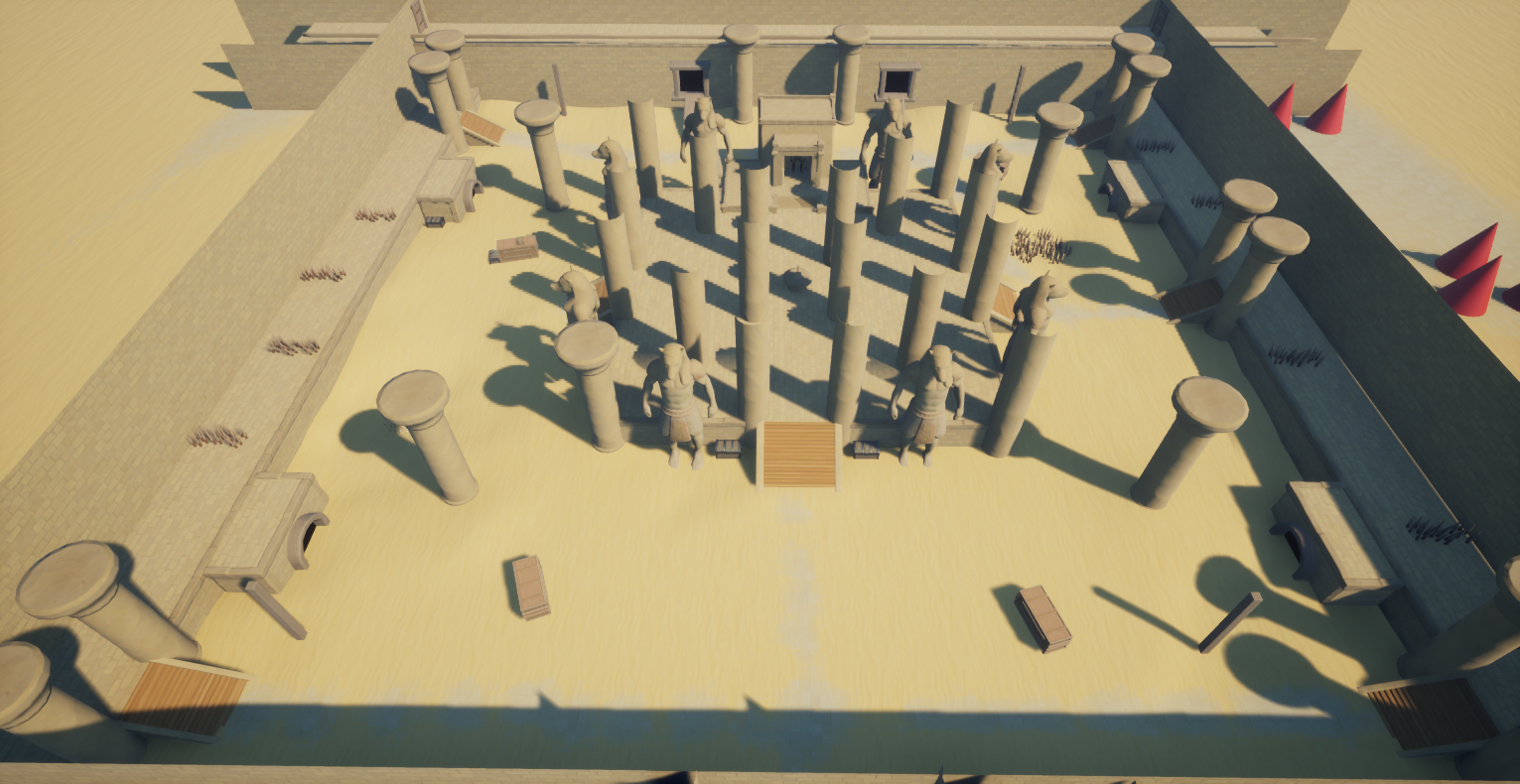
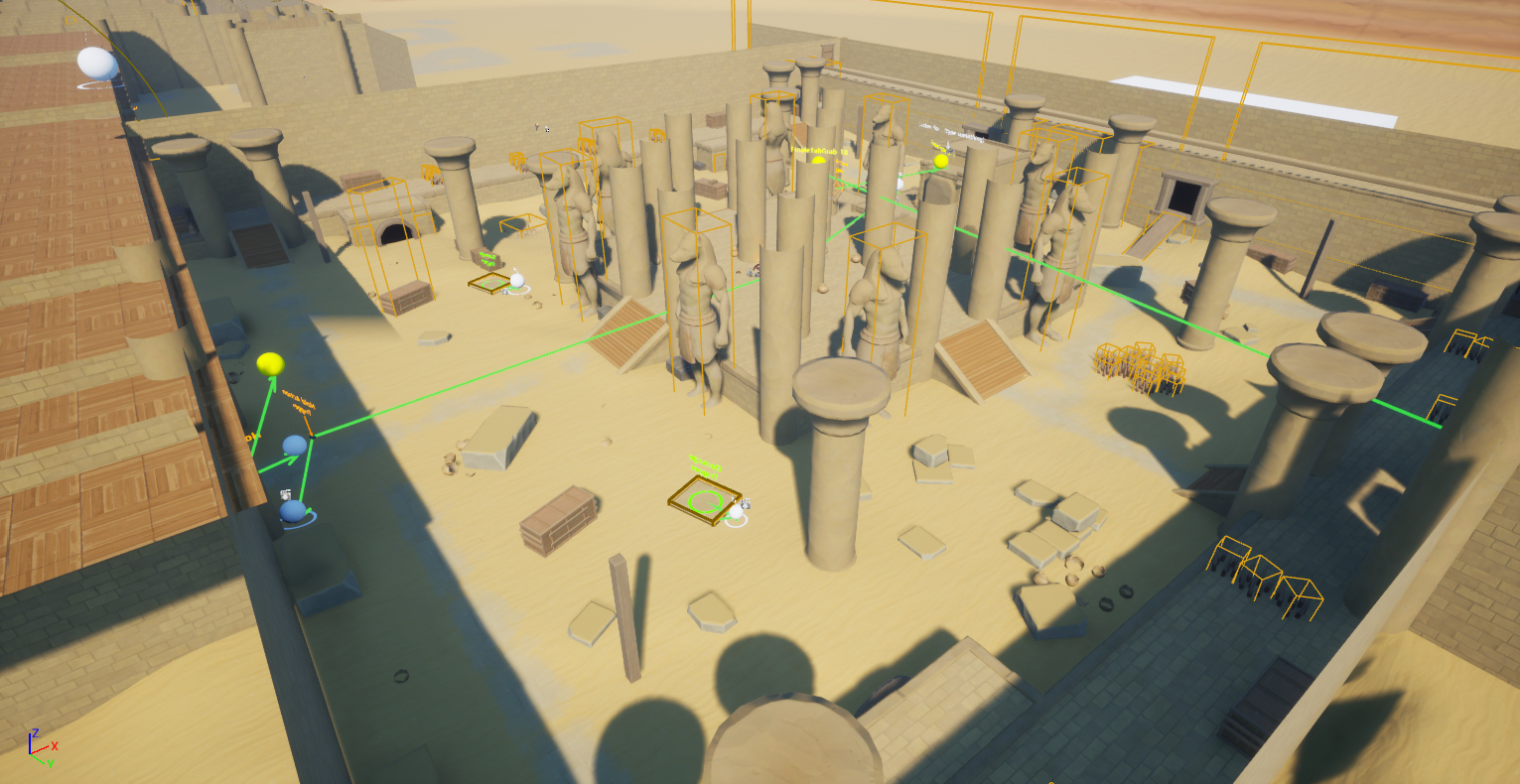
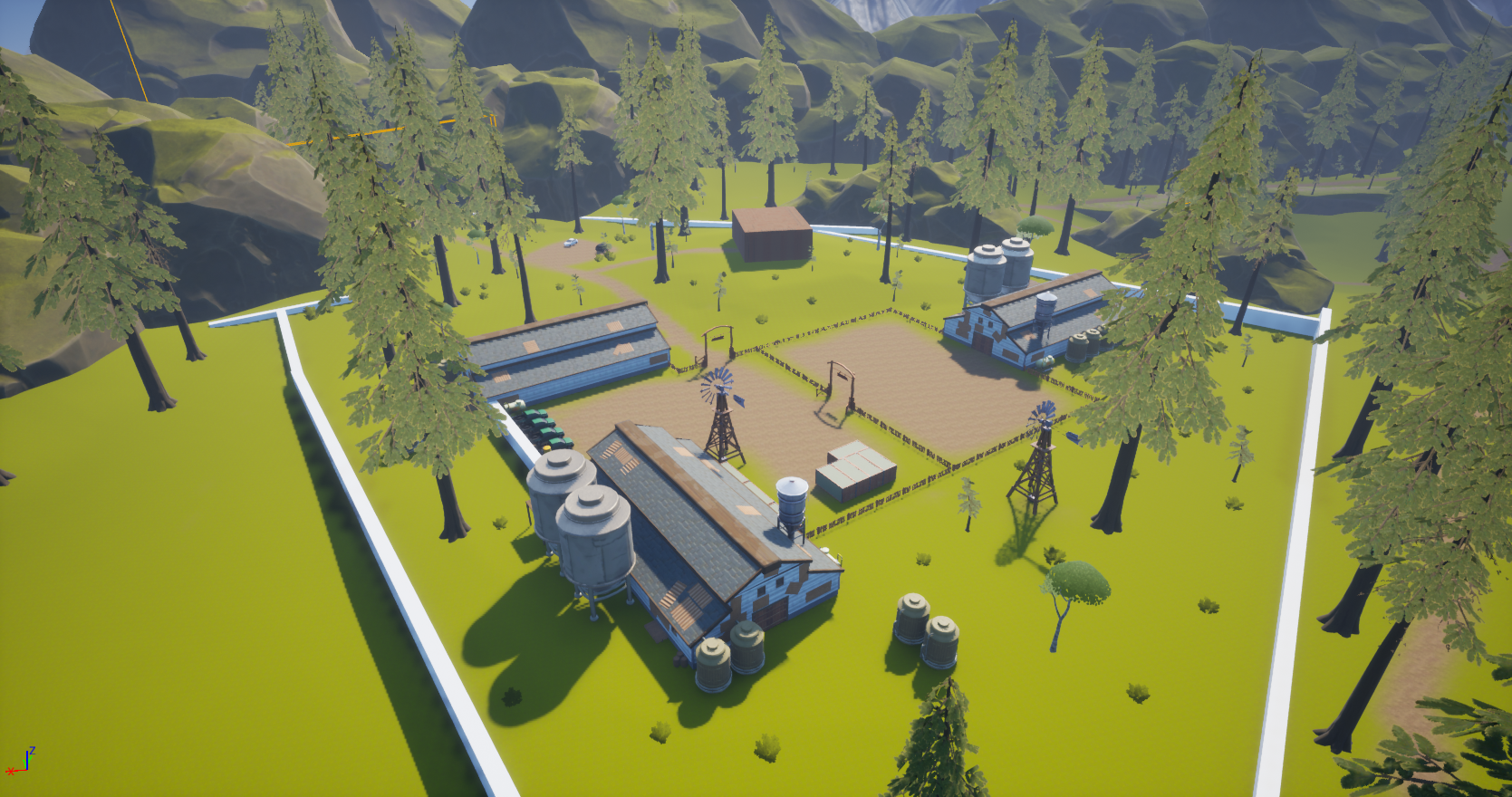
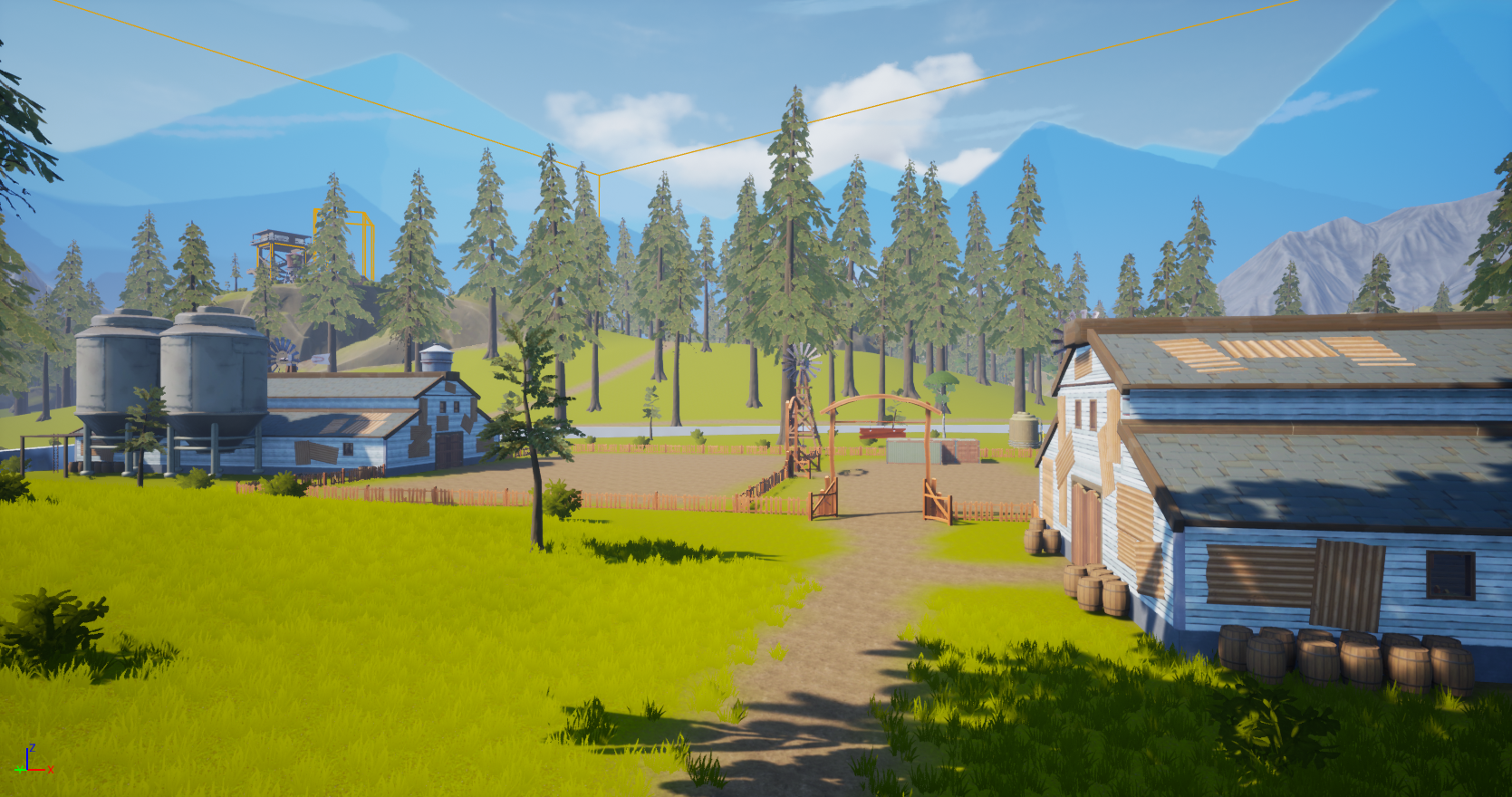
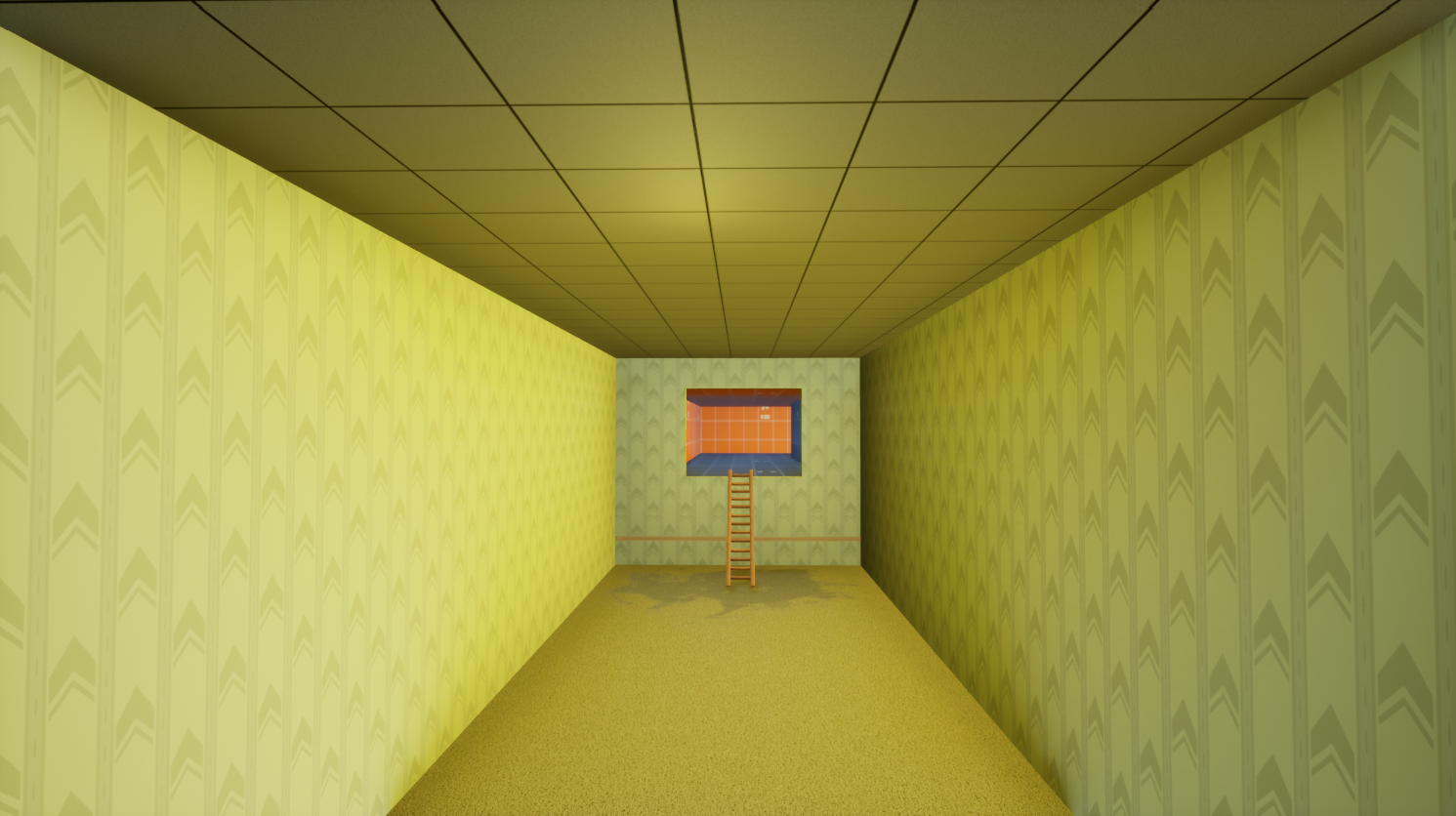
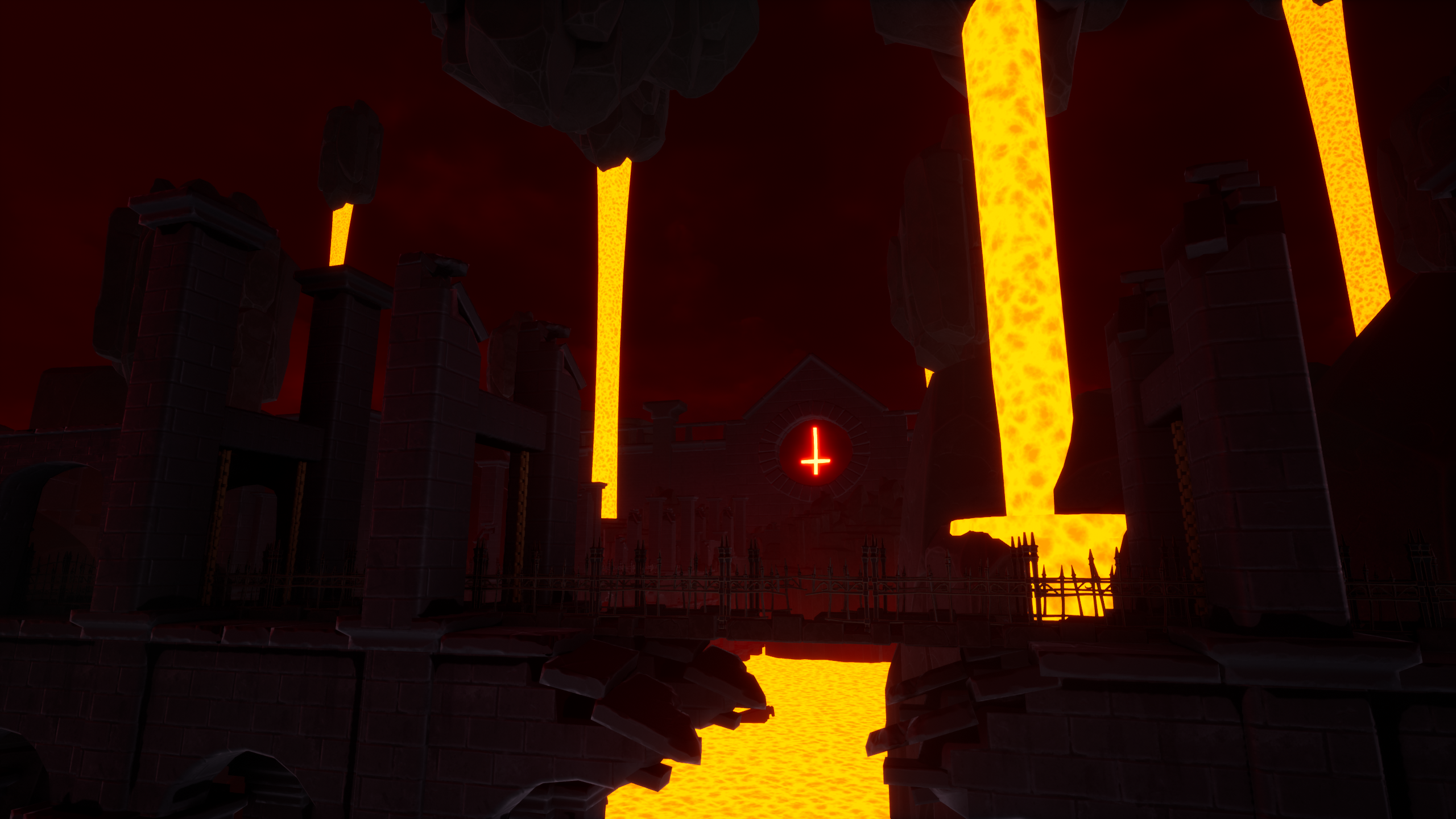
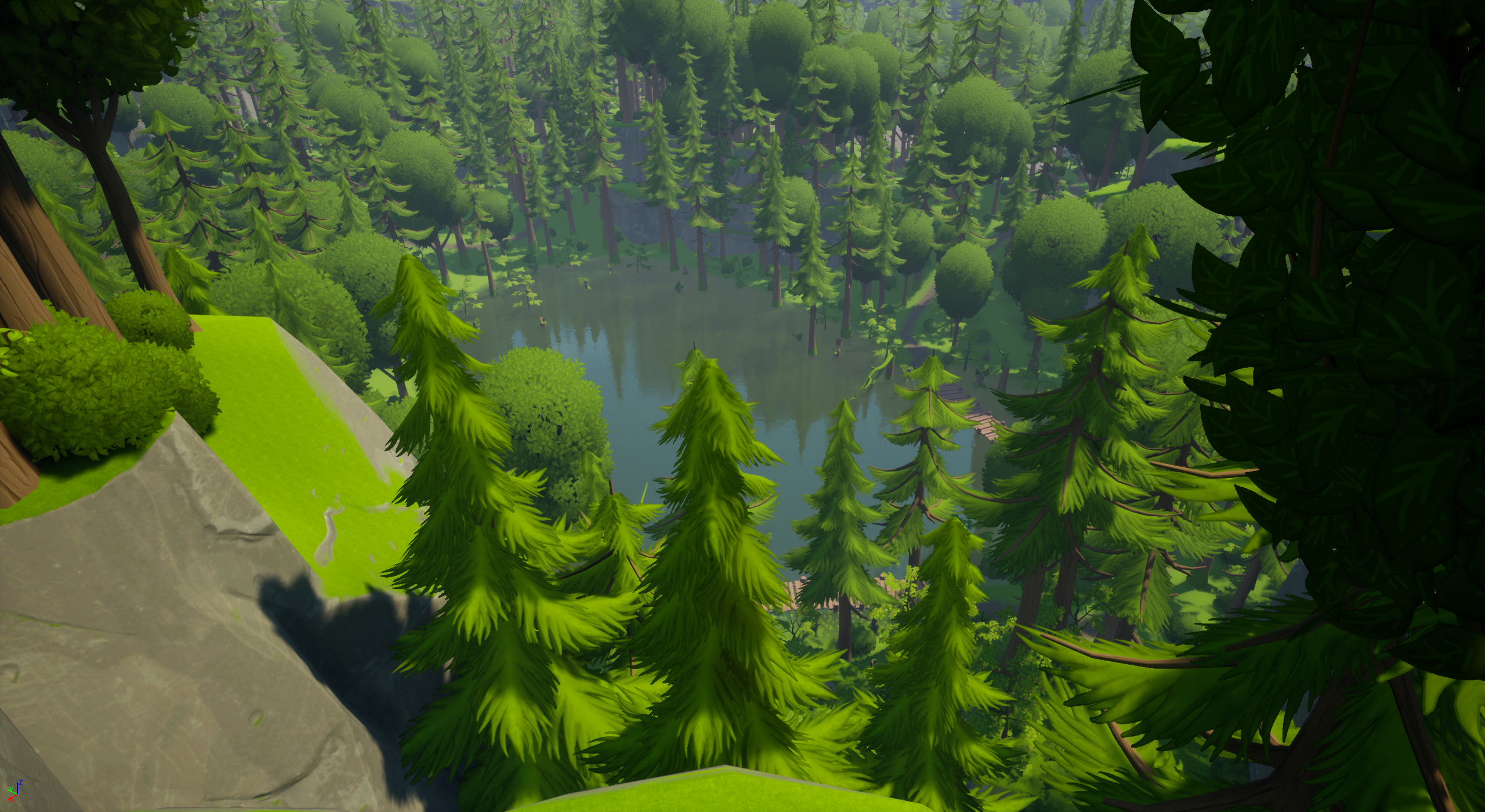
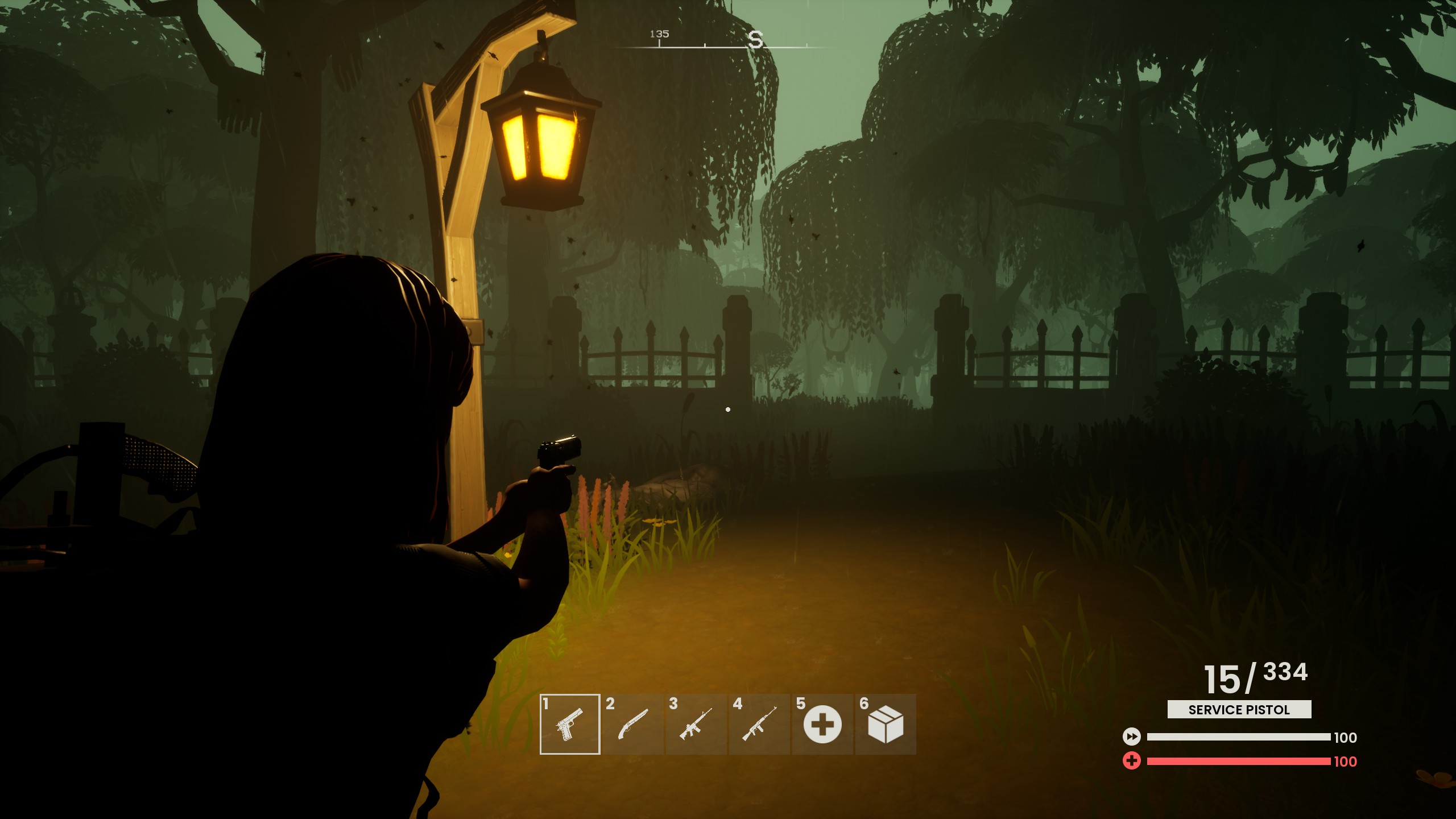
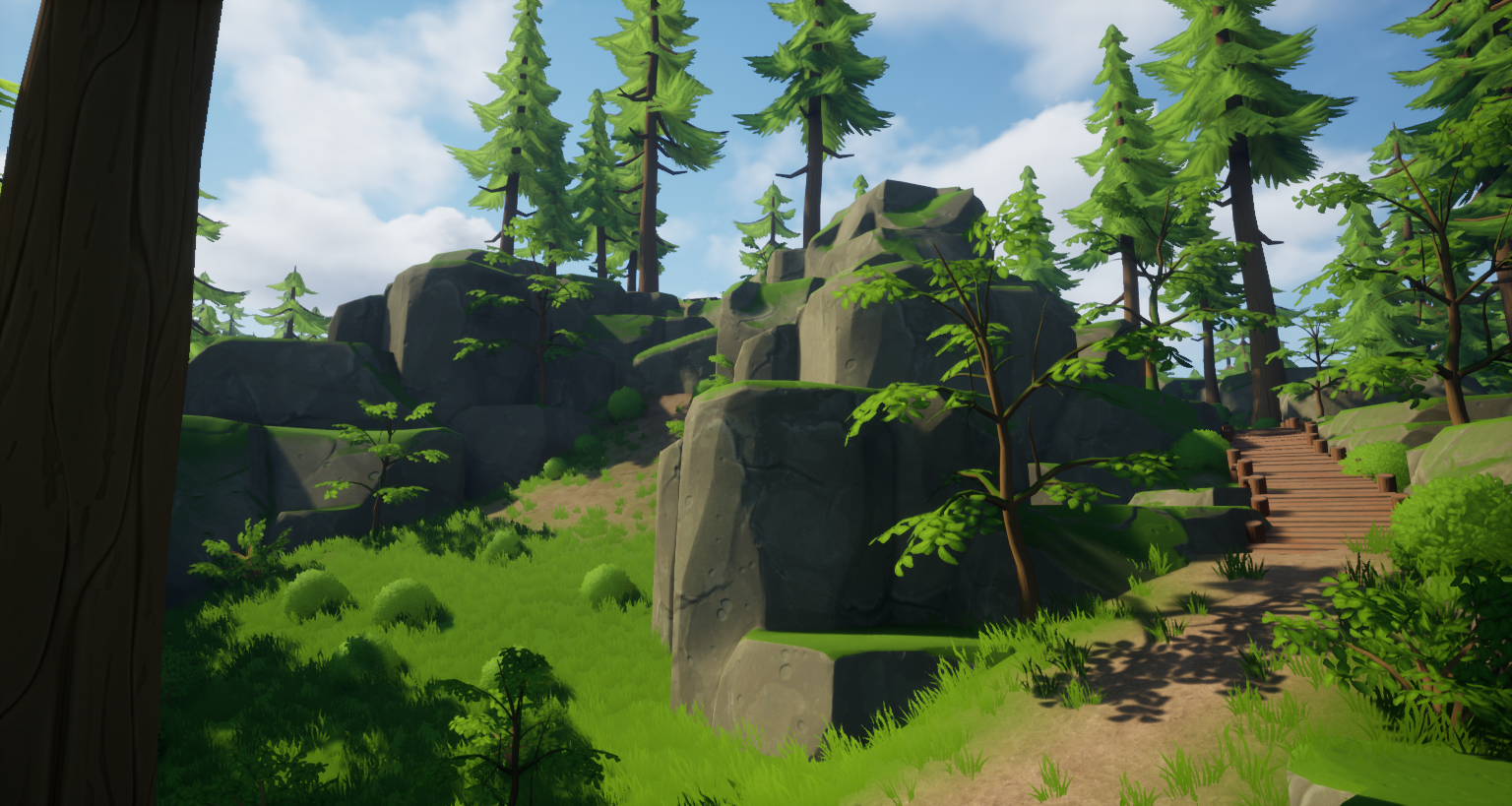
Once the layout has been thoroughly tested and refined, I move into the finalization phase. At this point, the core gameplay is working, so I can focus on bringing the level’s visual identity, atmosphere, and narrative vision to life.
This includes:
- Cleaning up or replacing geometry
- Ensuring flow and readability are clear
- Confirming the level supports gameplay, story, and player expectations
- Replacing placeholder textures
- Finalizing lighting, art, and layout — this is when the cake is fully baked
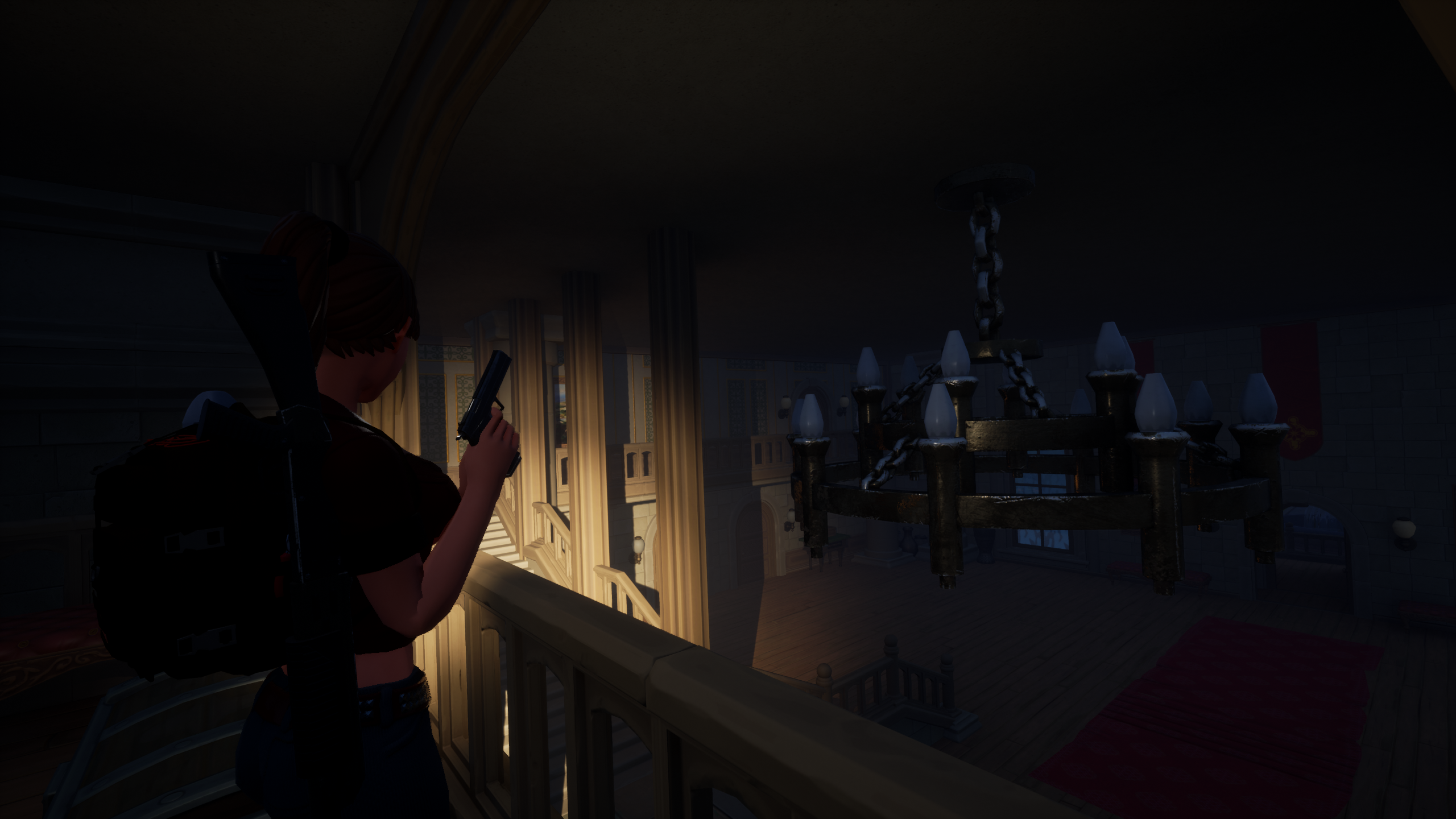
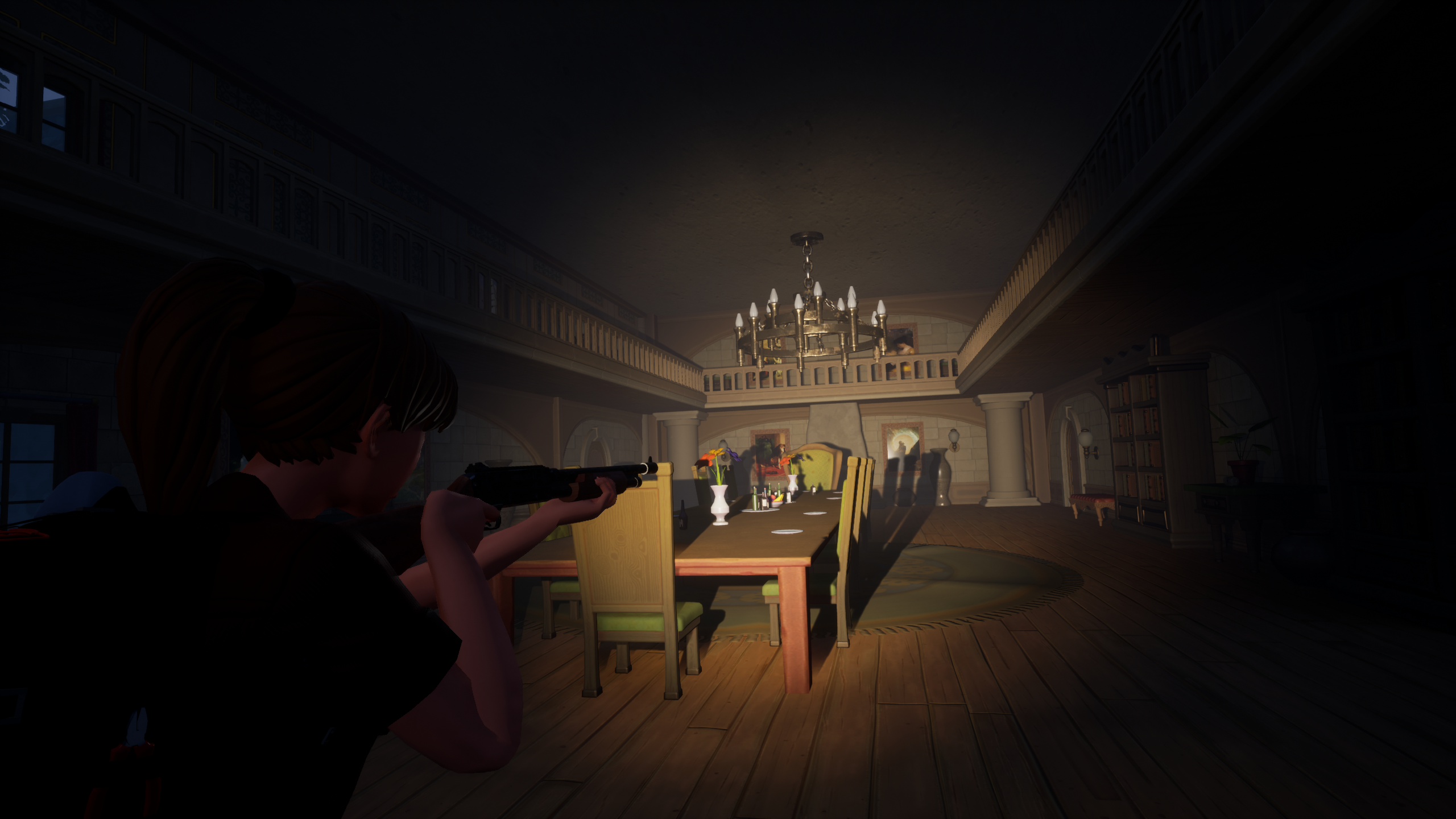
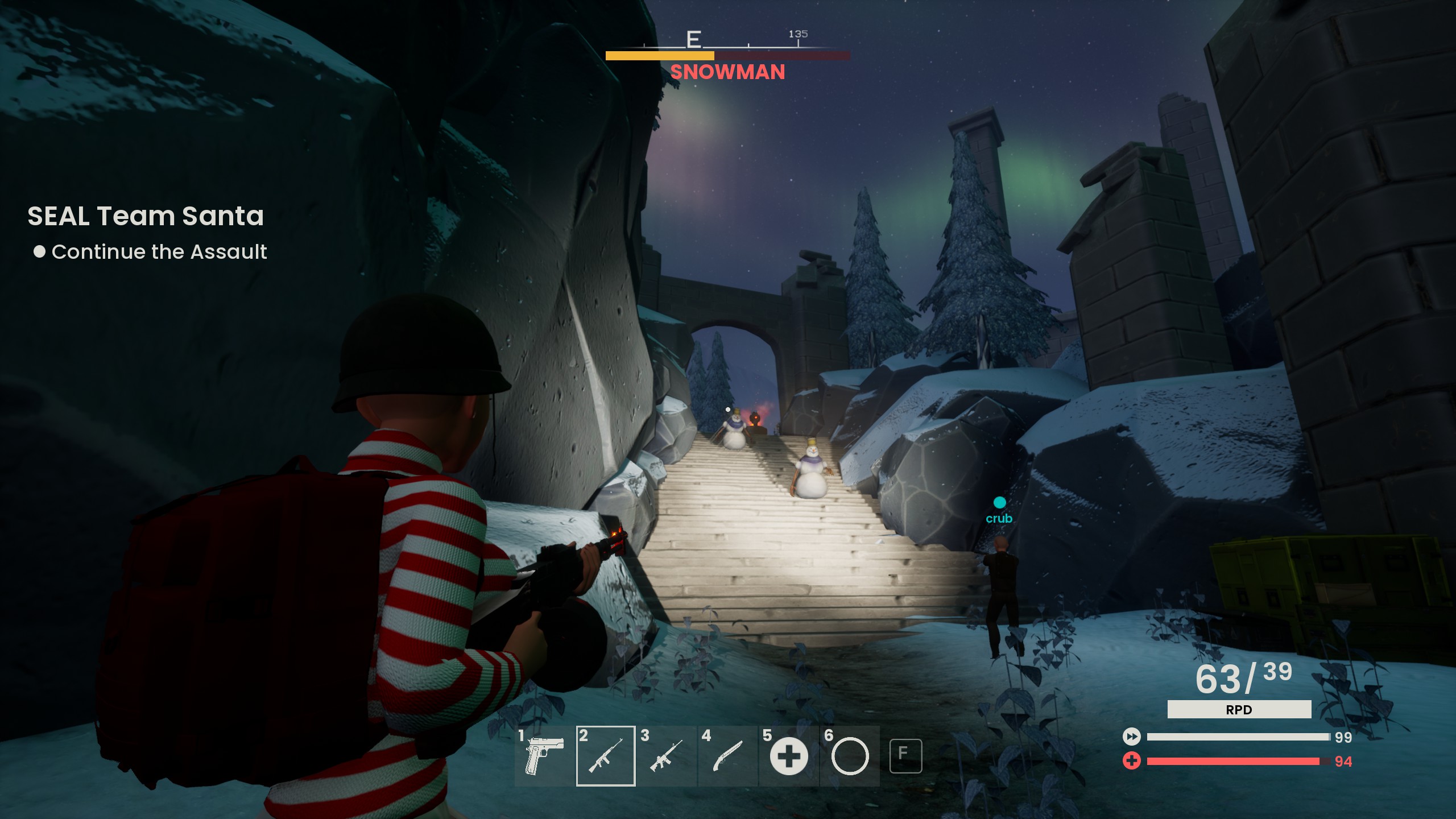
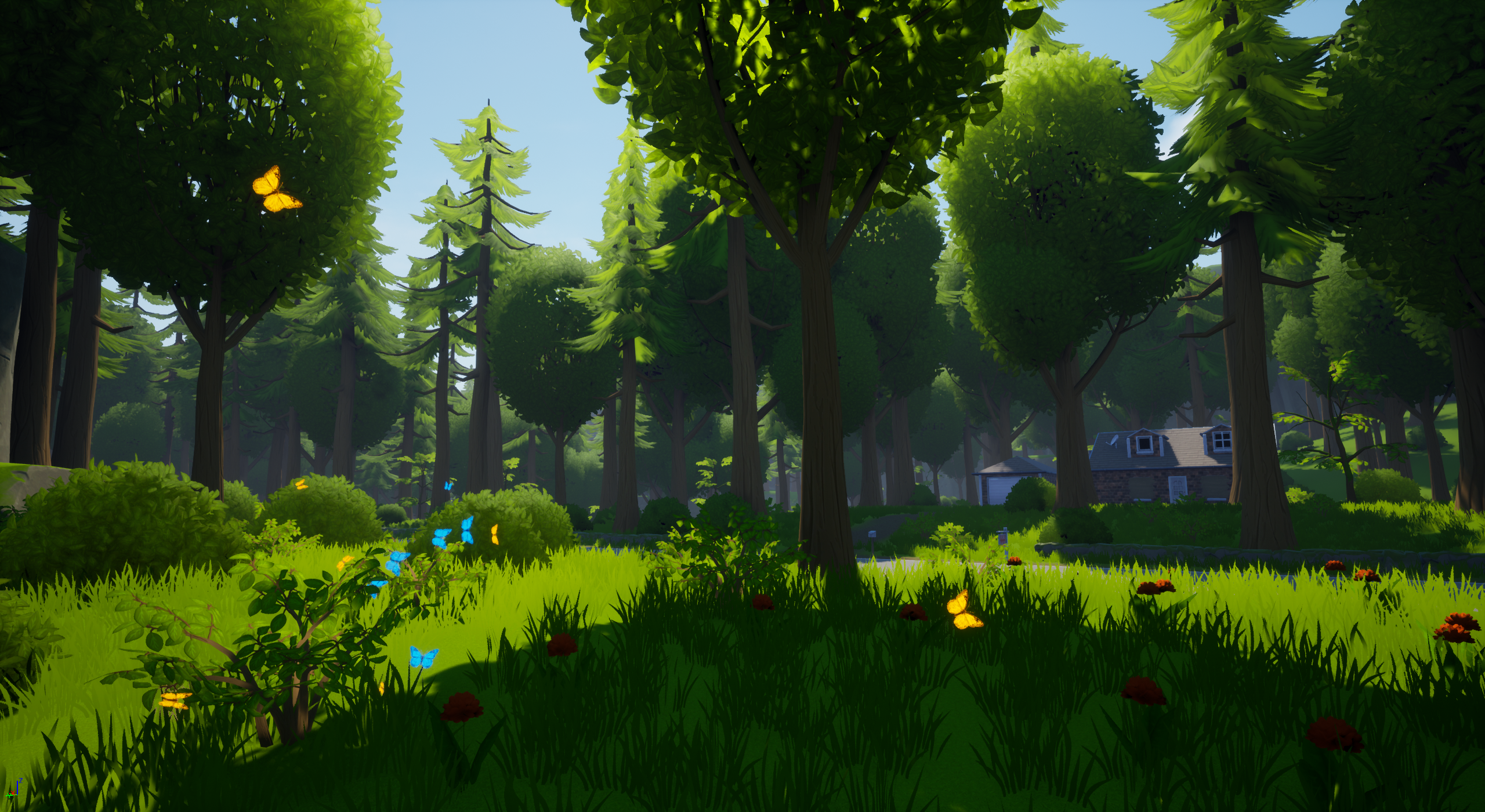
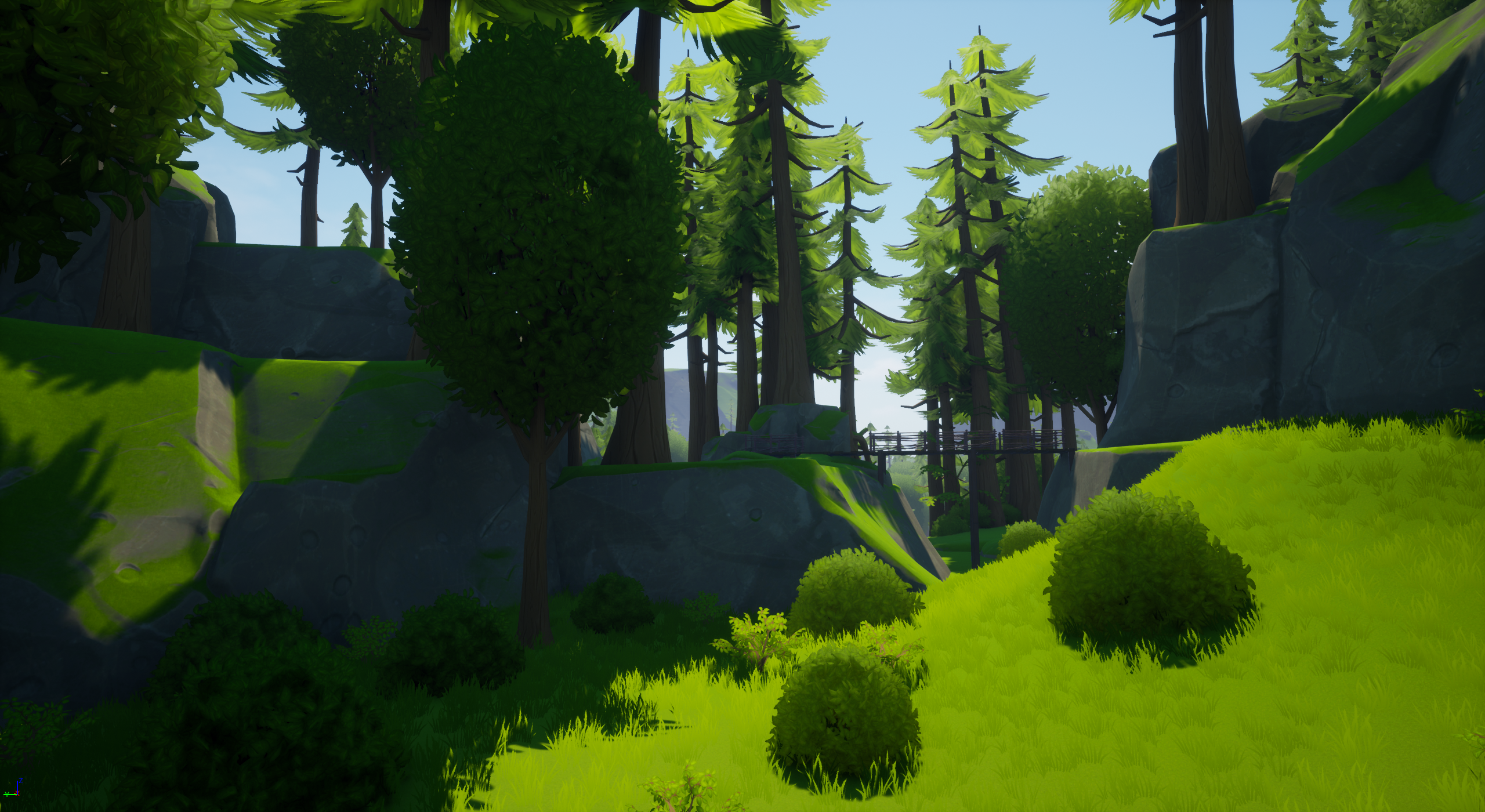
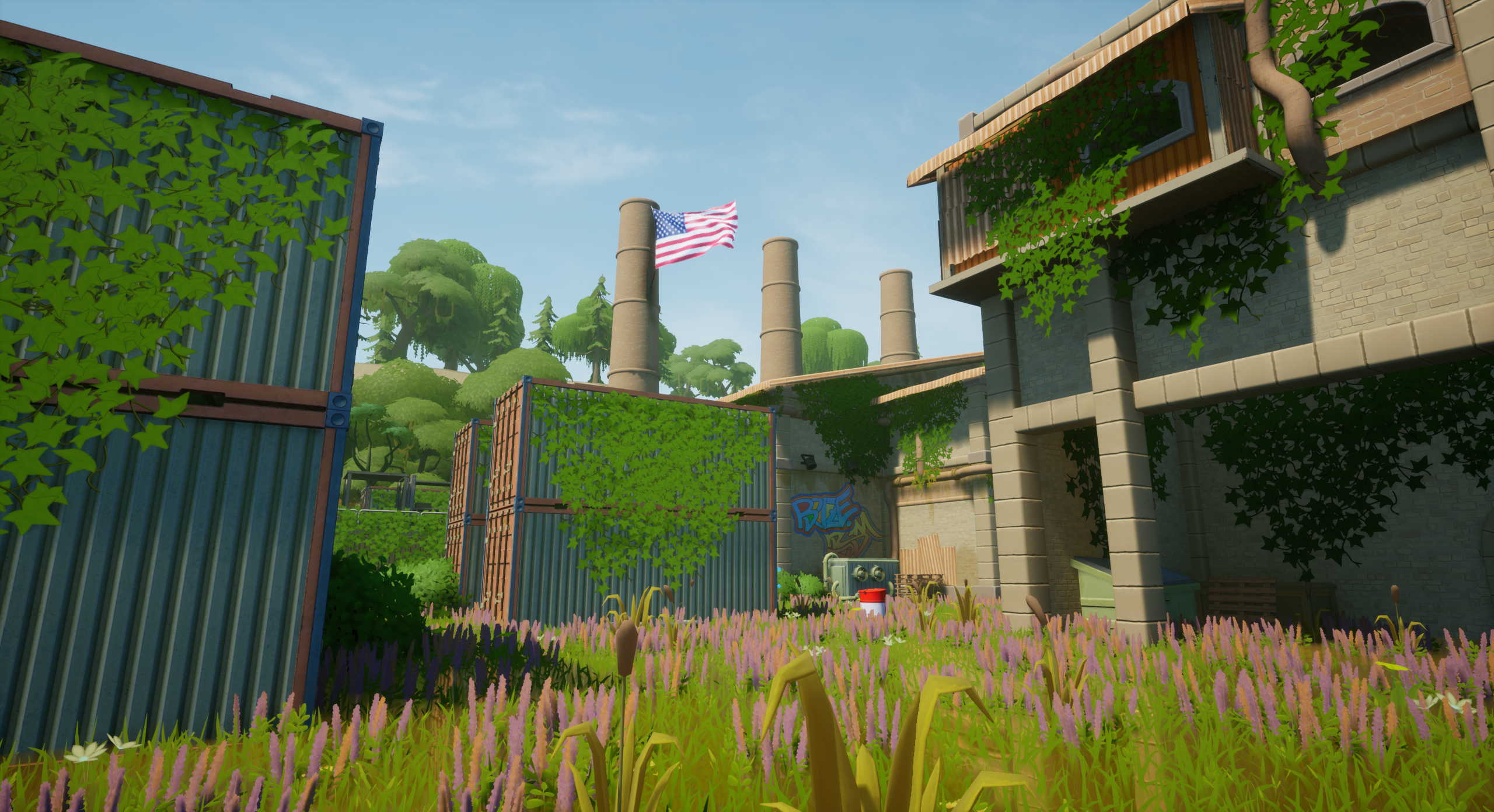
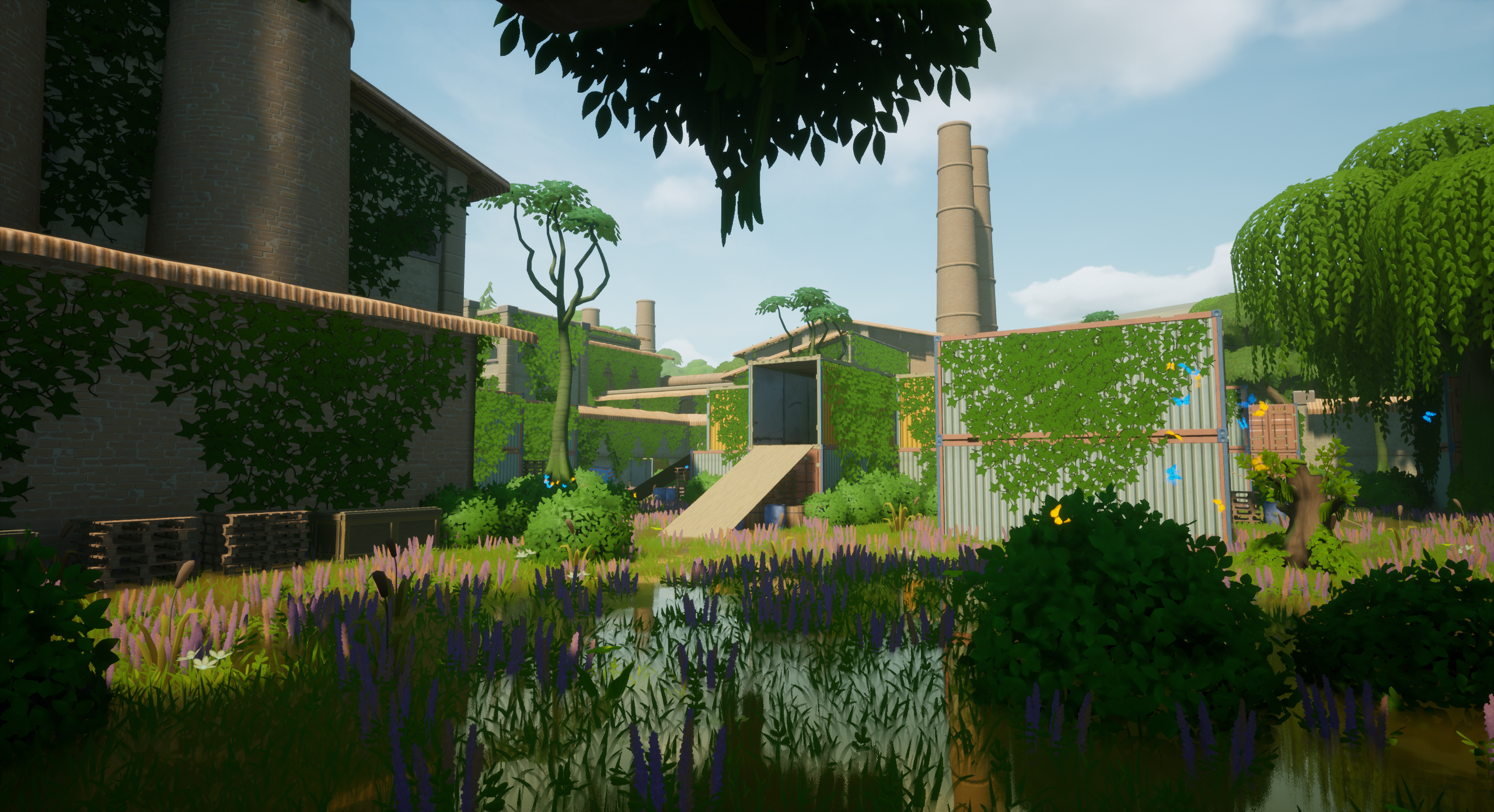
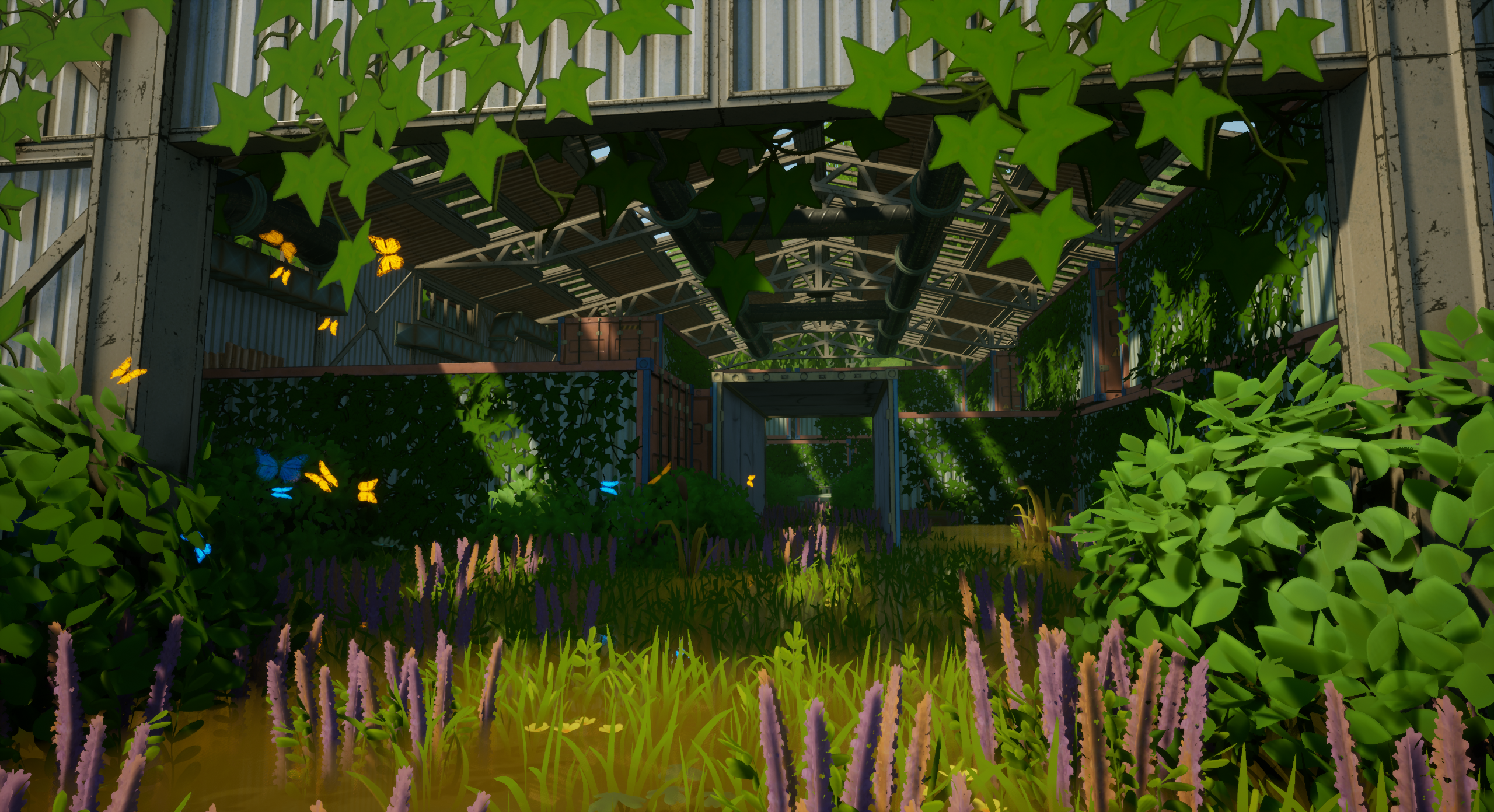
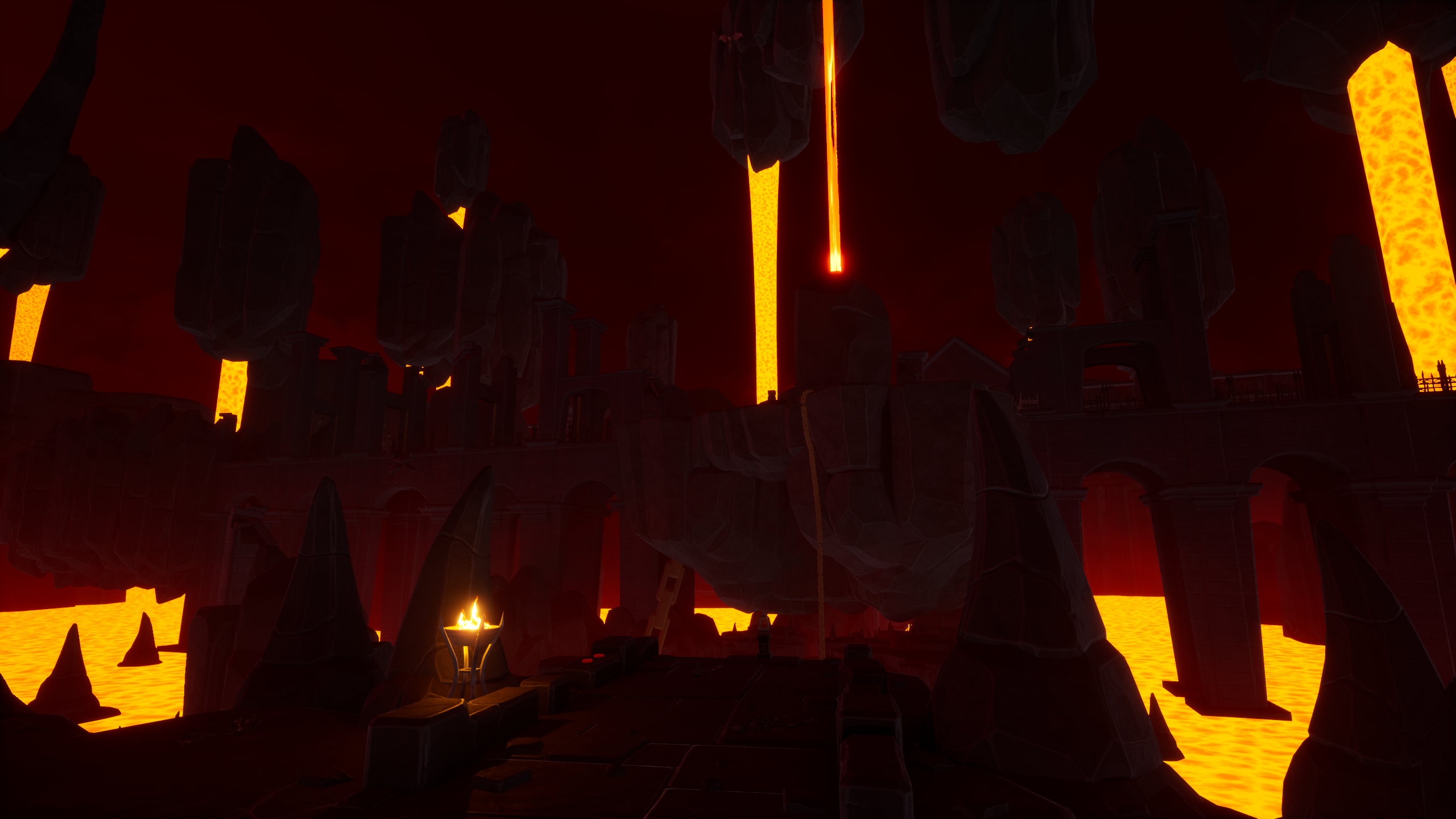
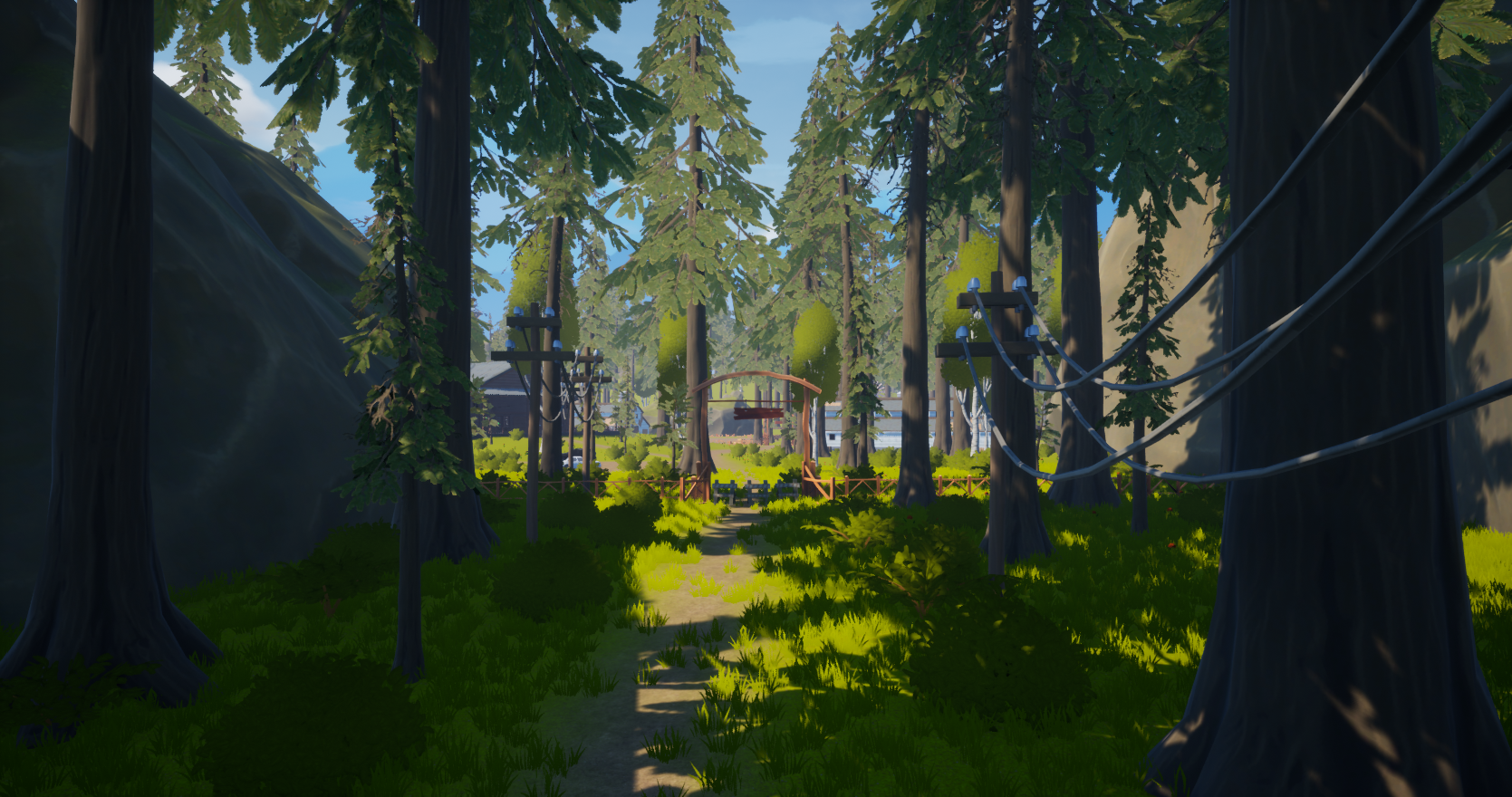
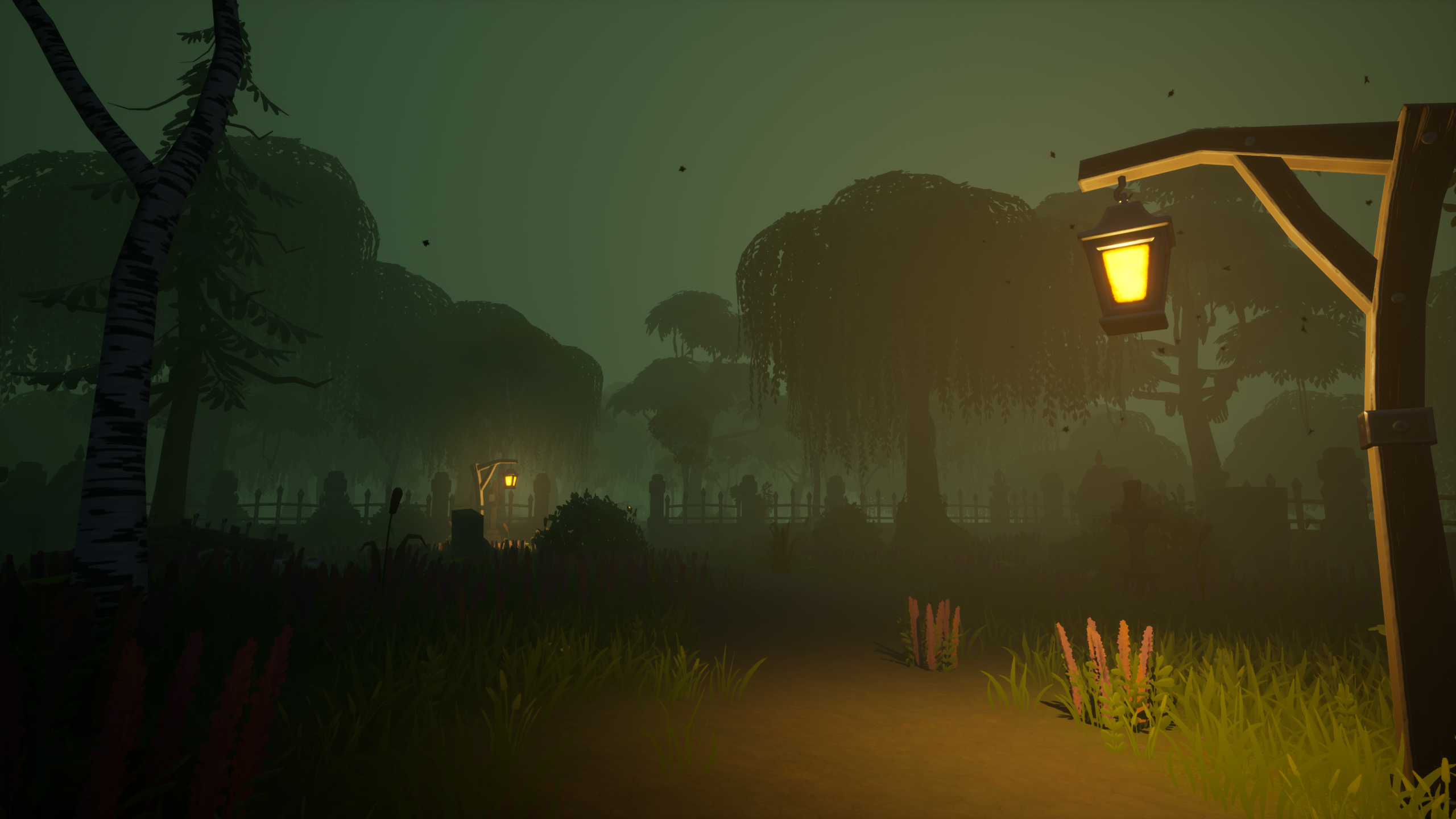
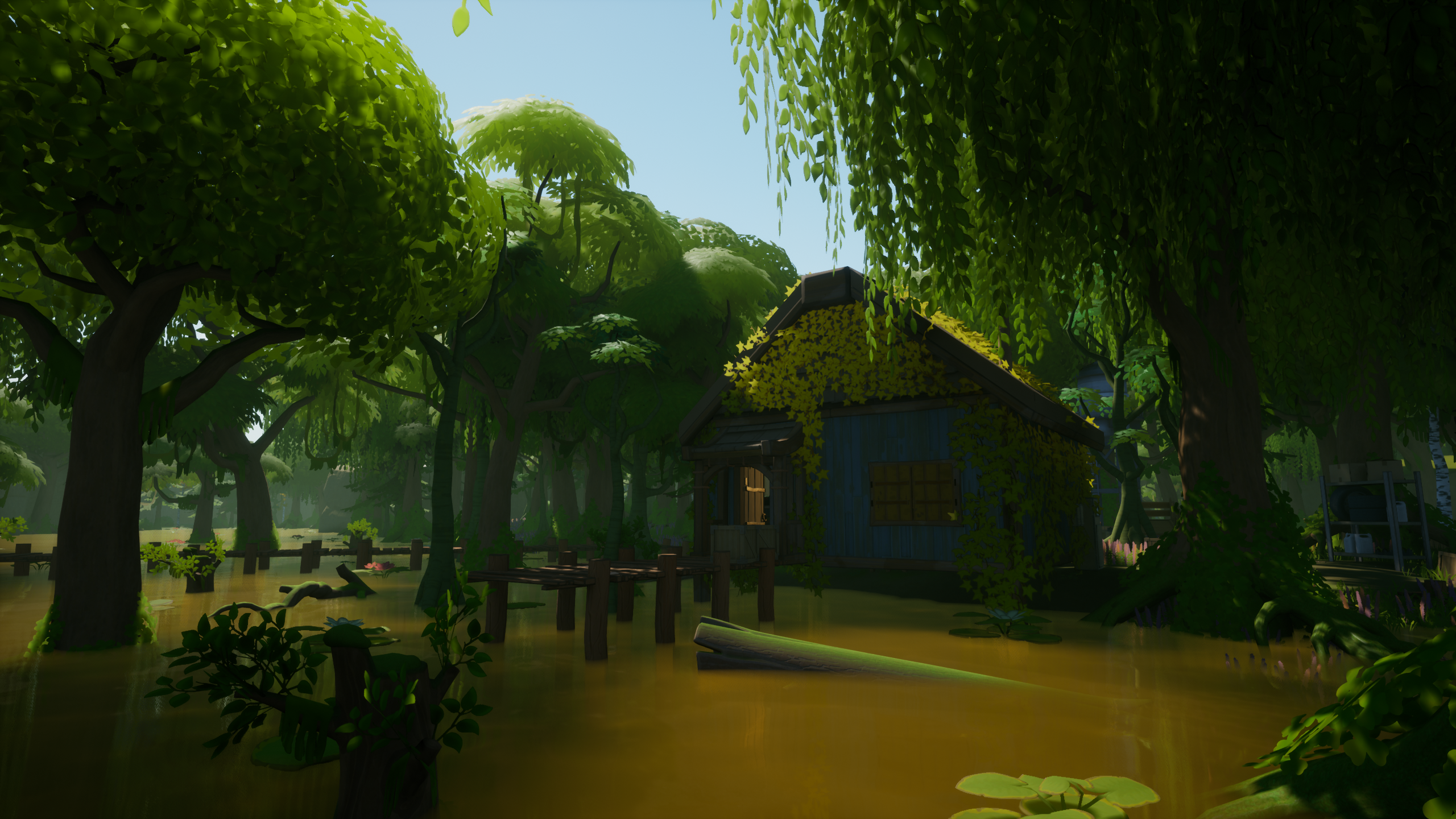
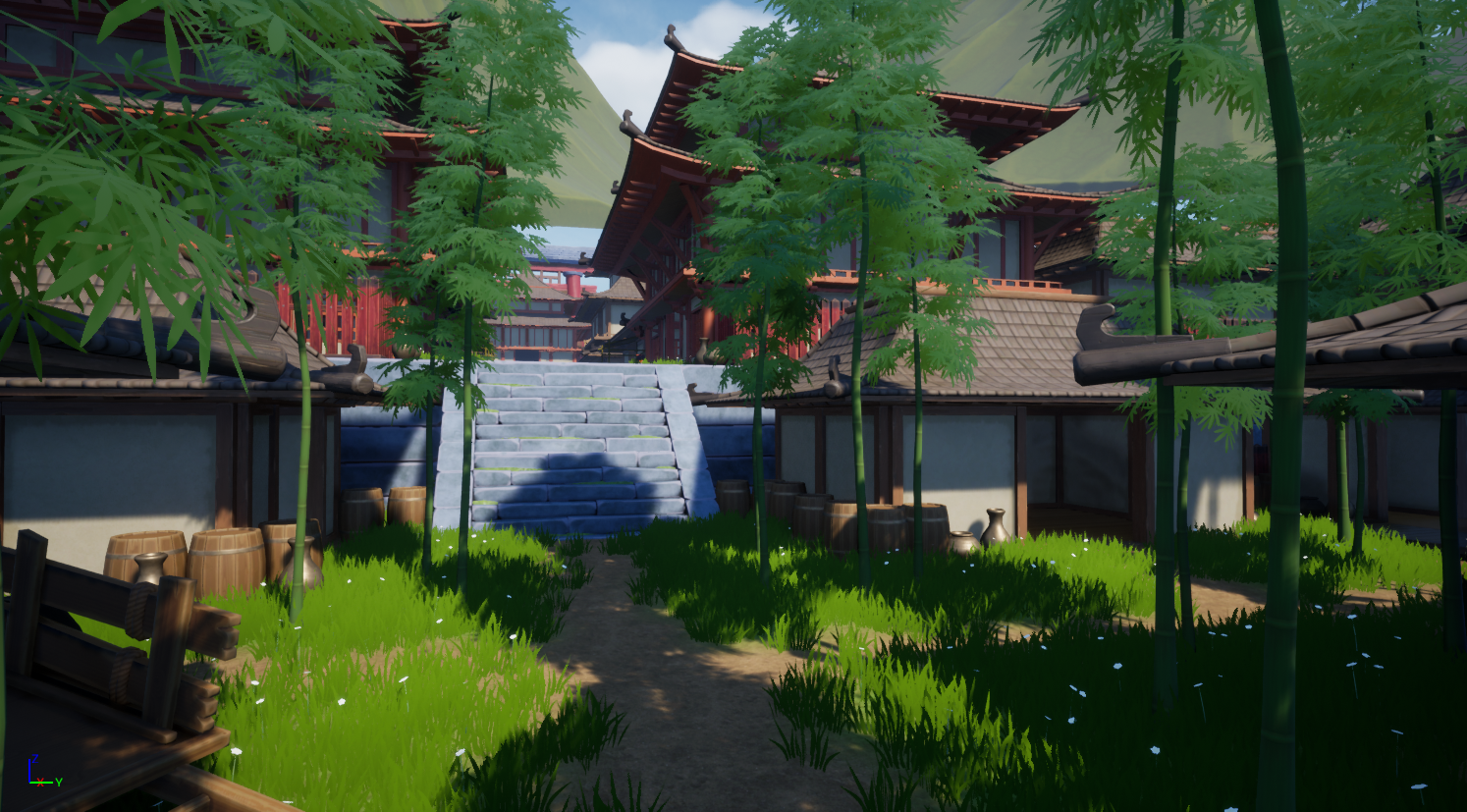
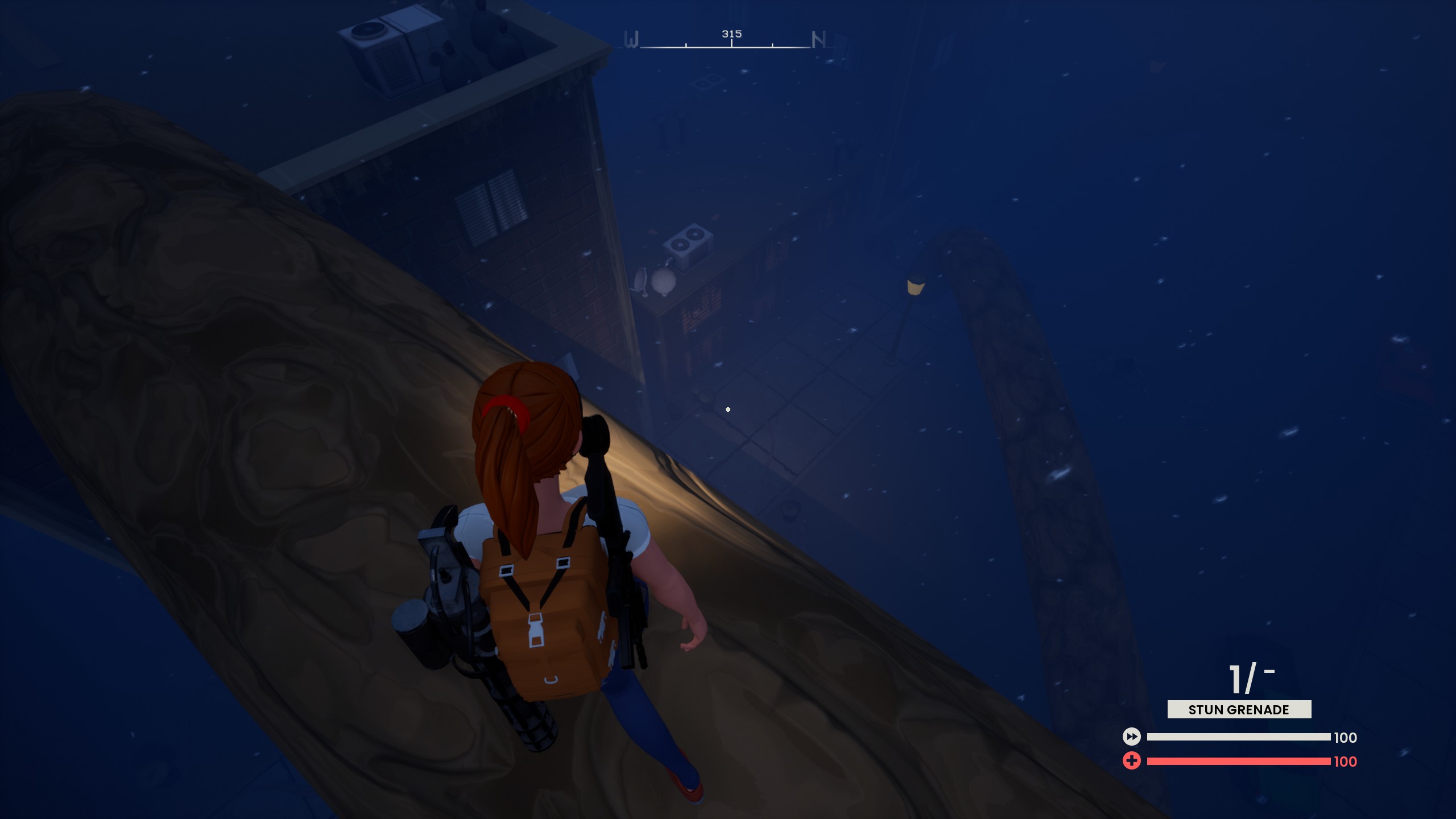
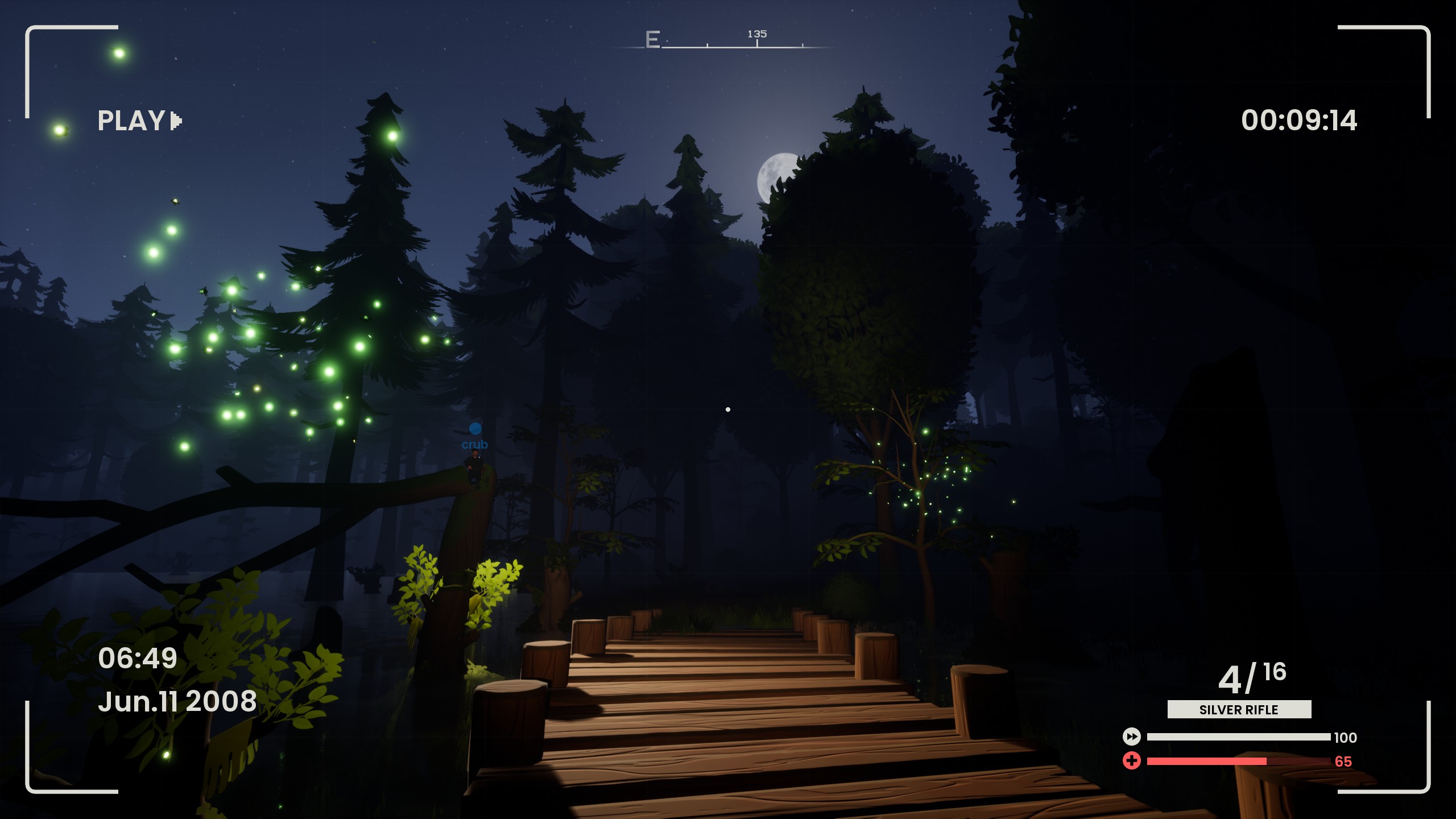
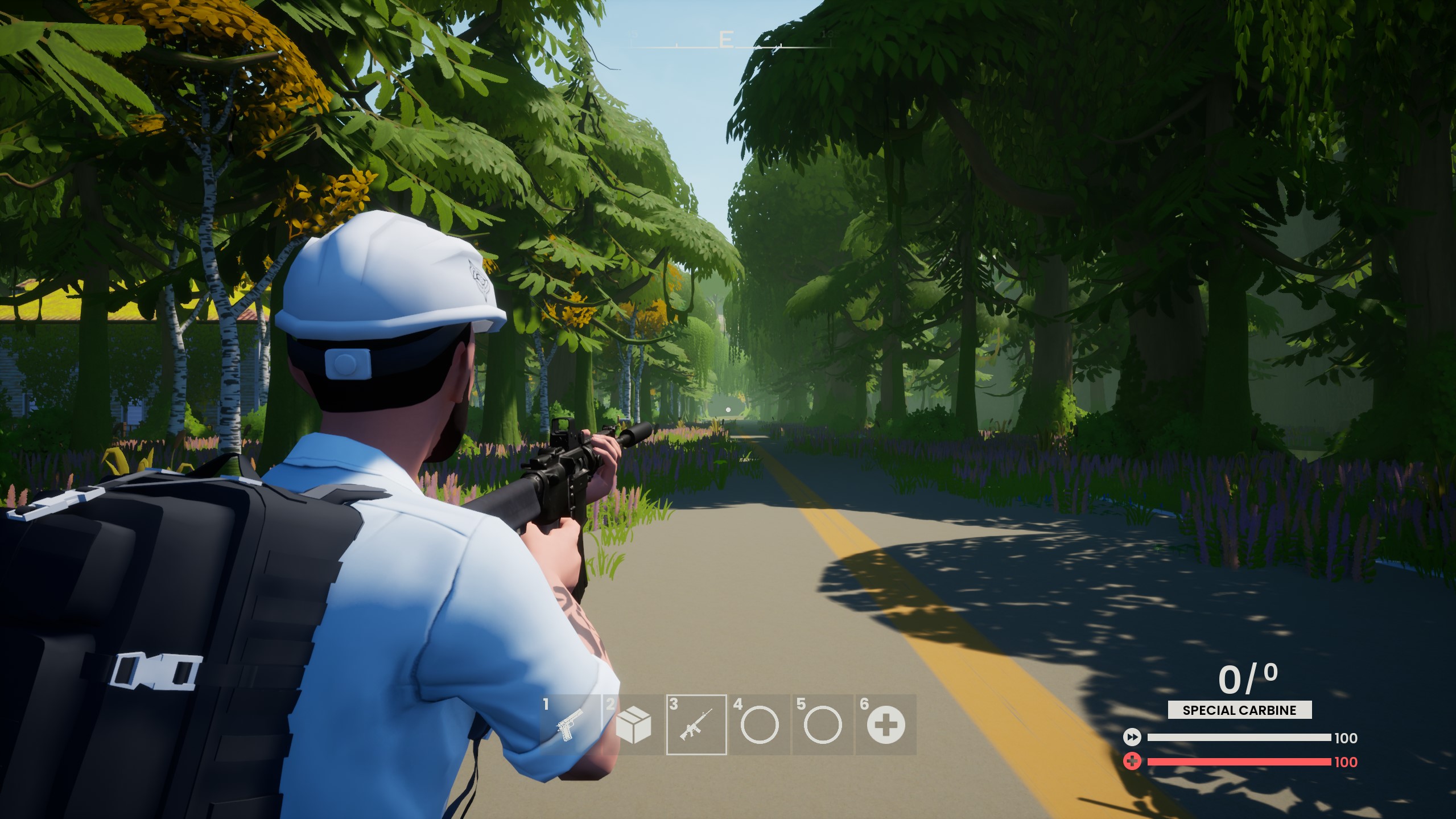
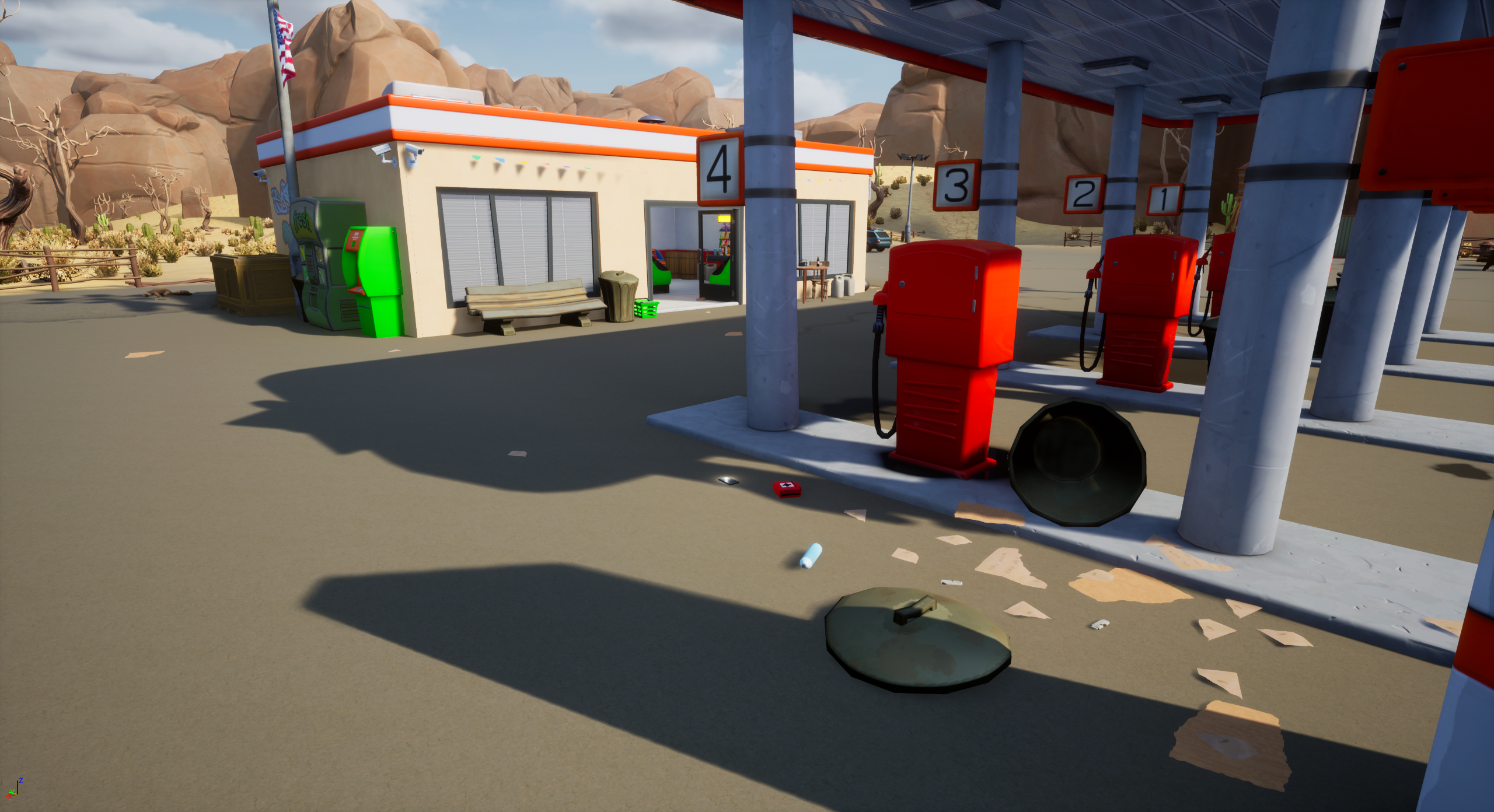
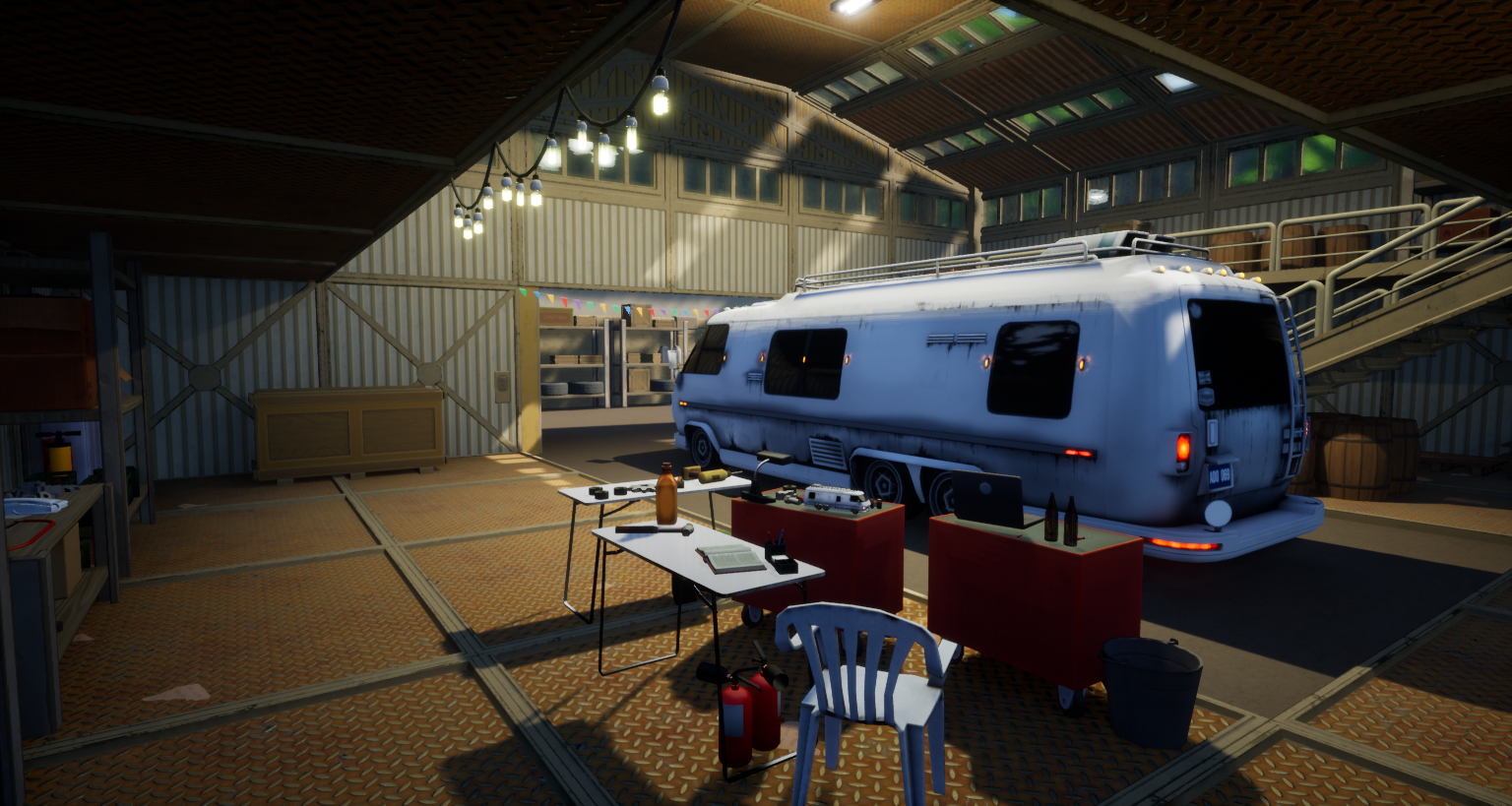
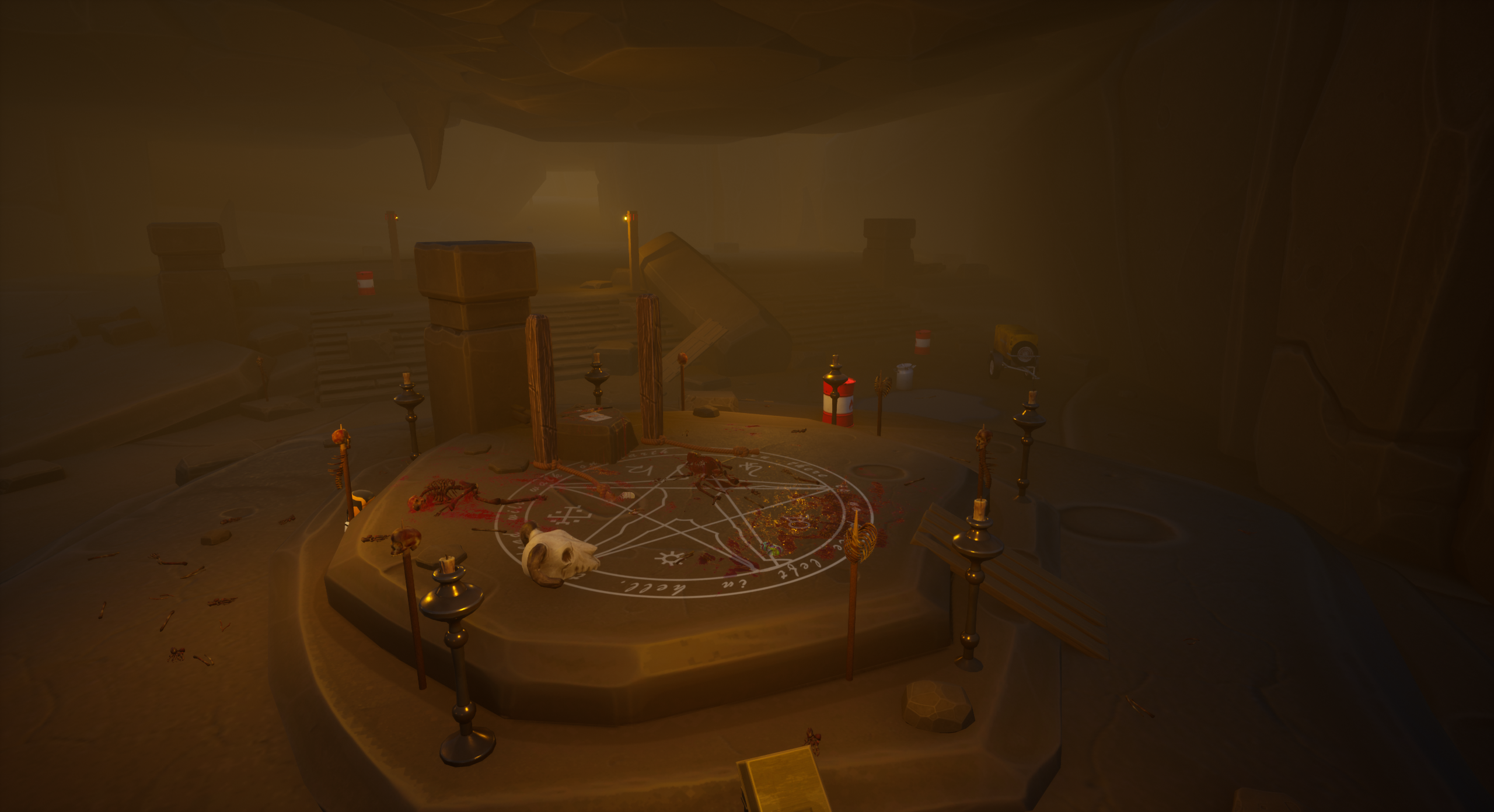
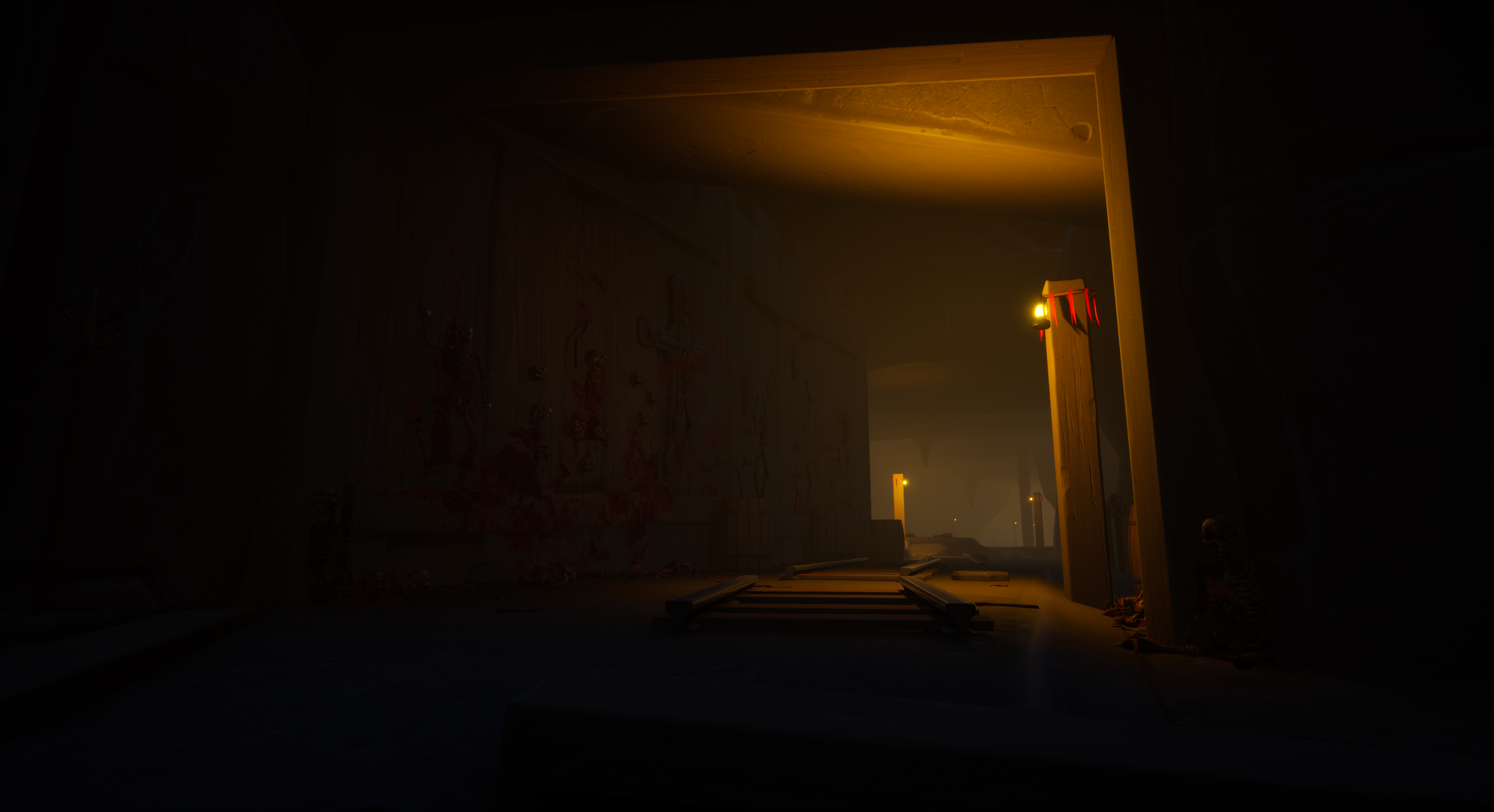
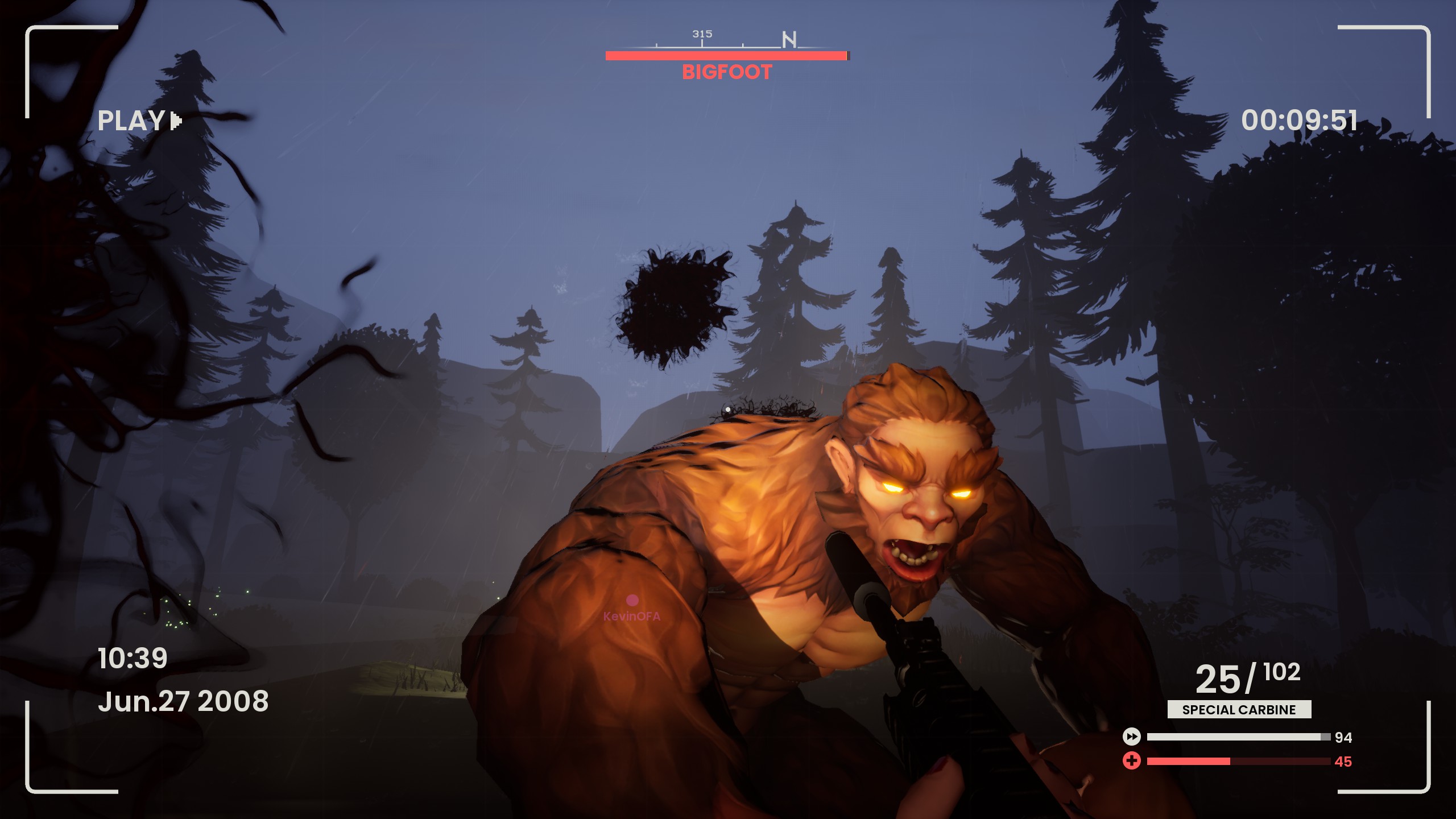
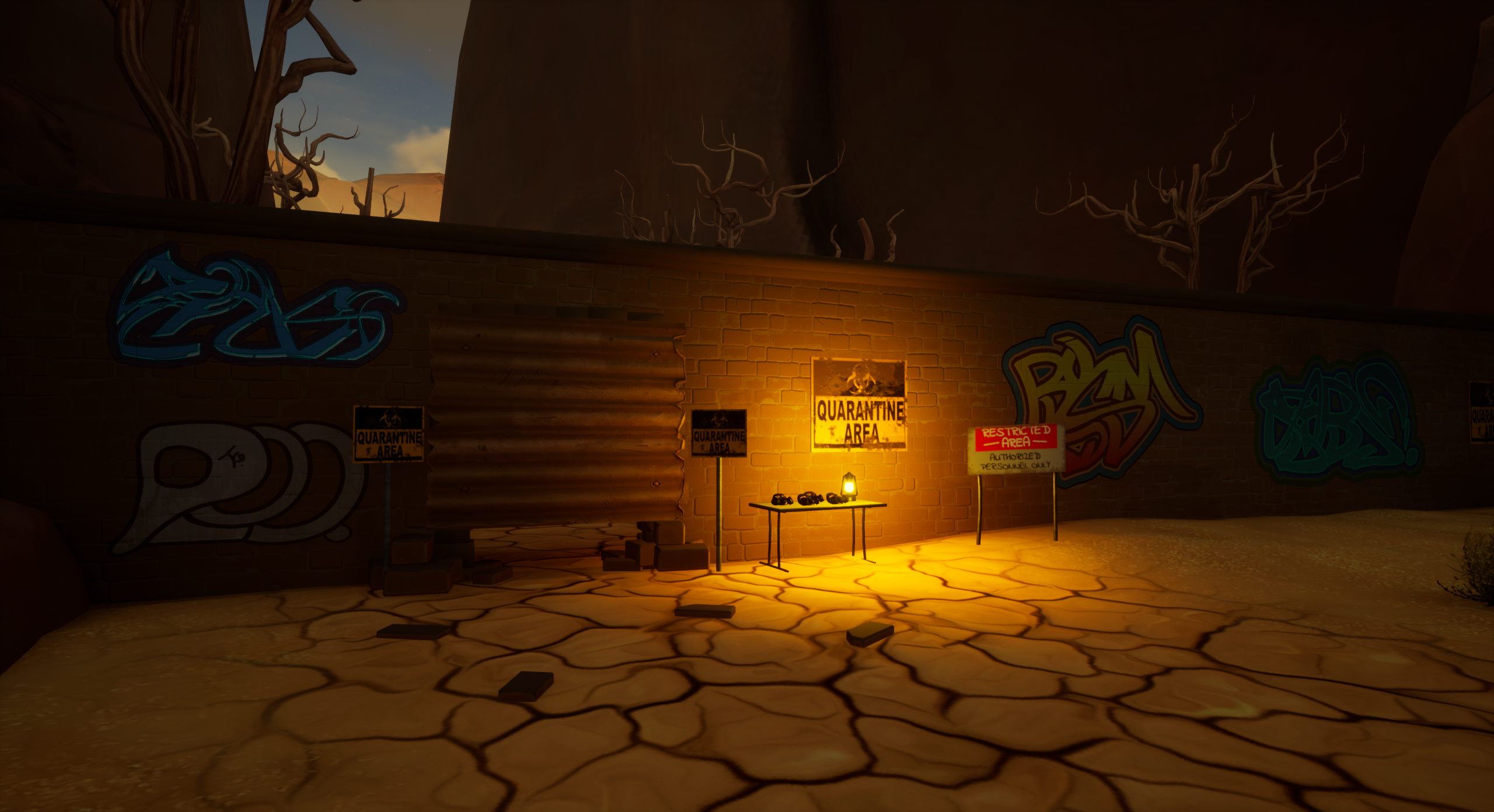
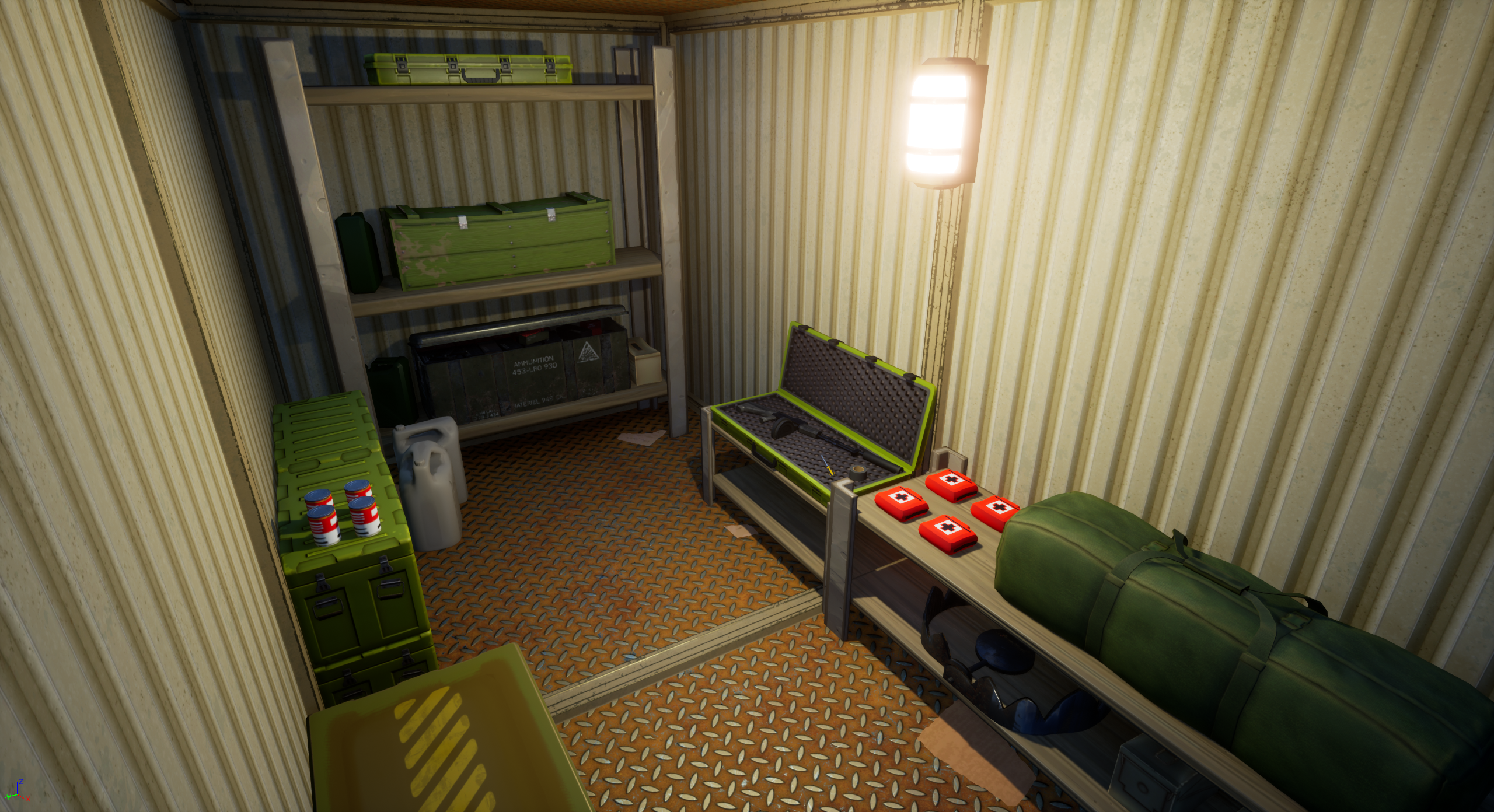
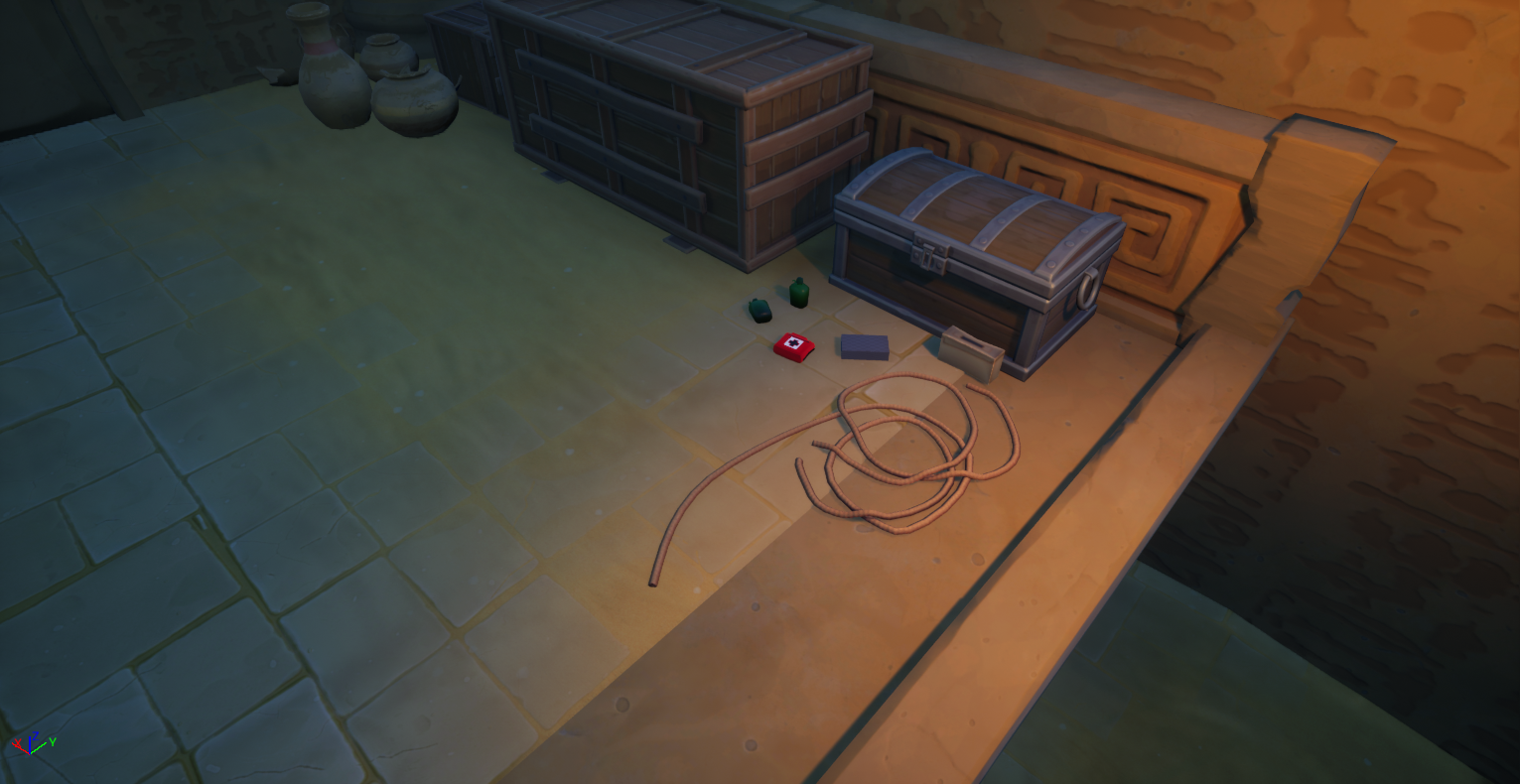
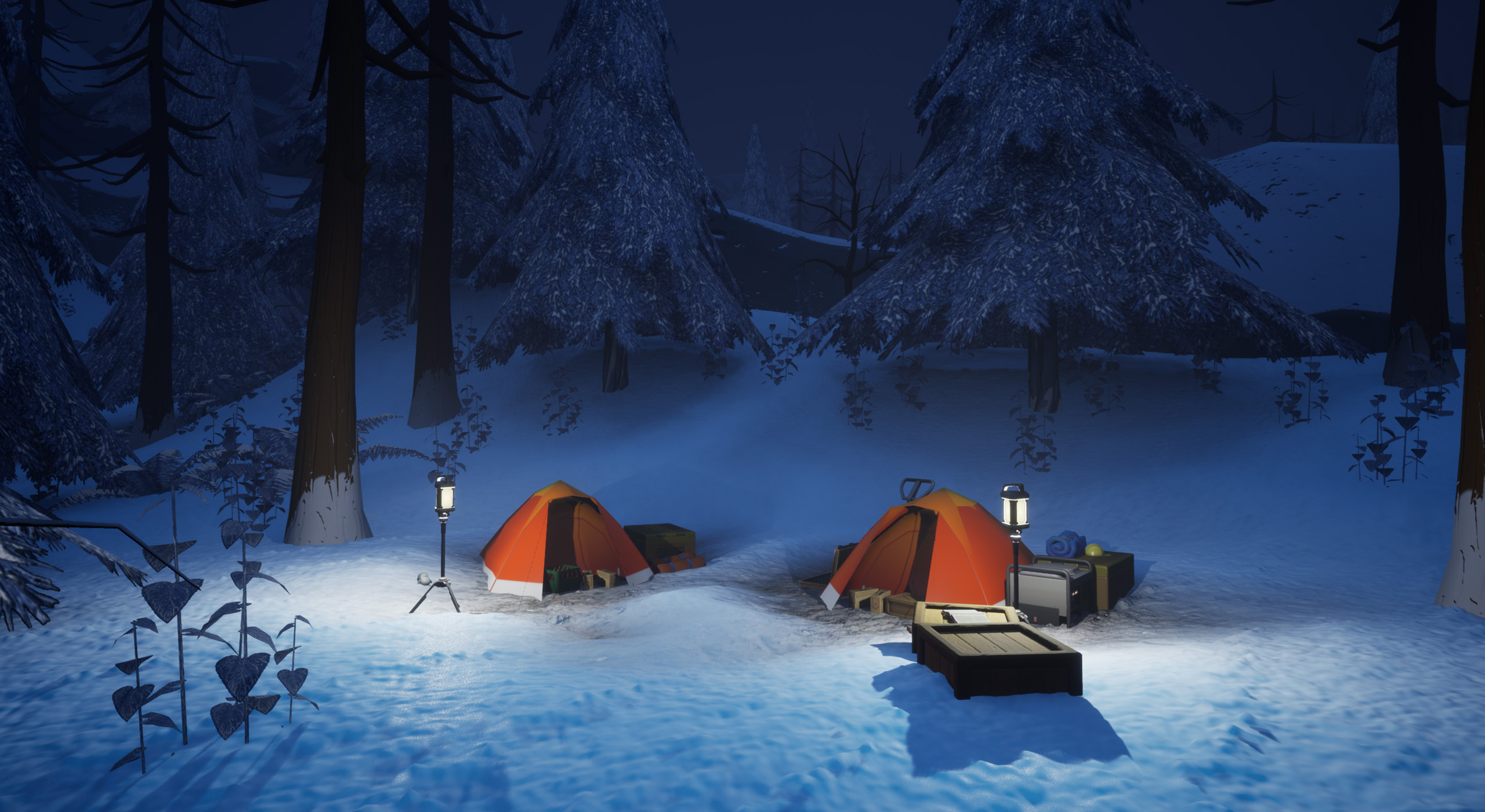
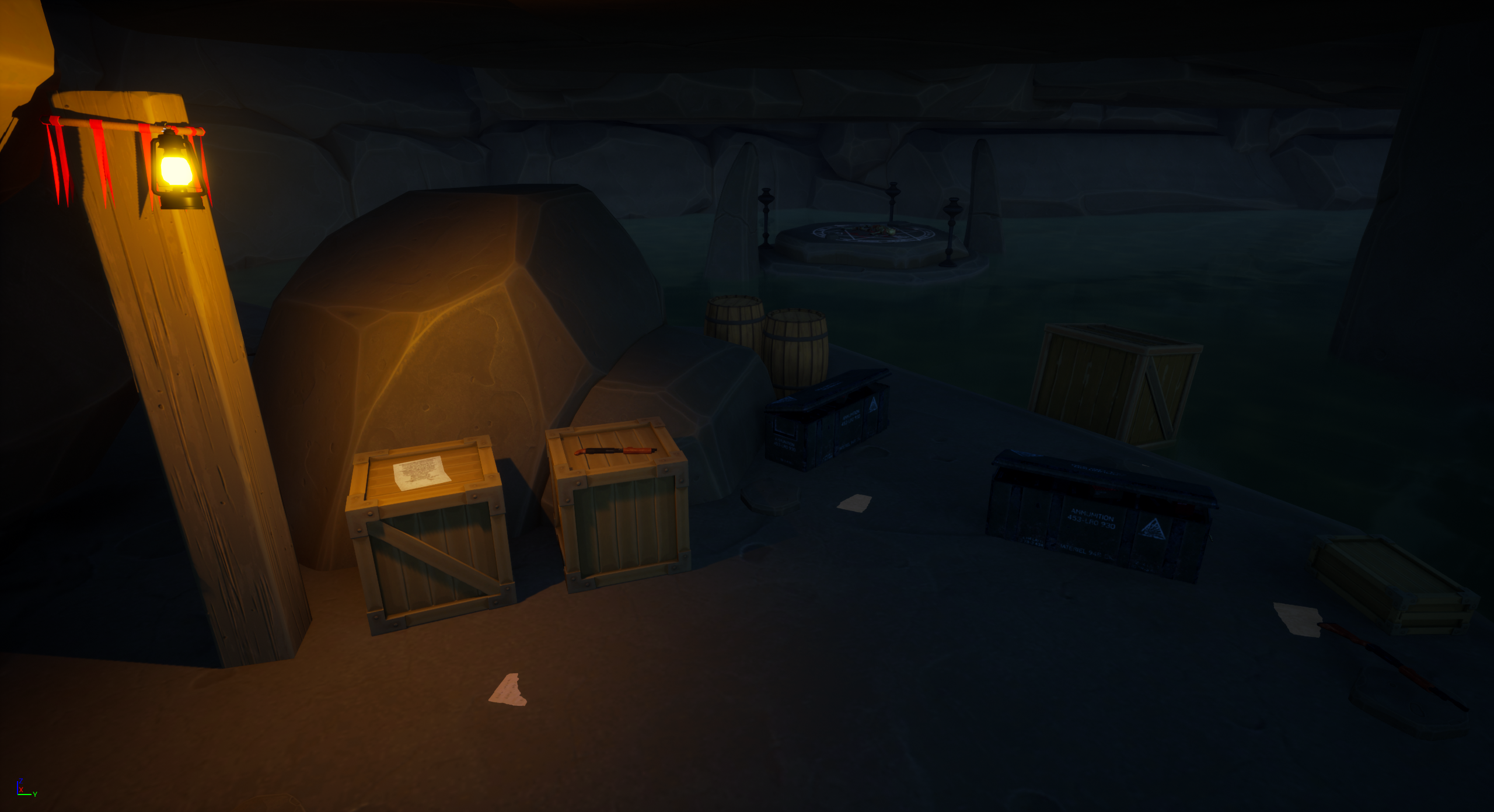
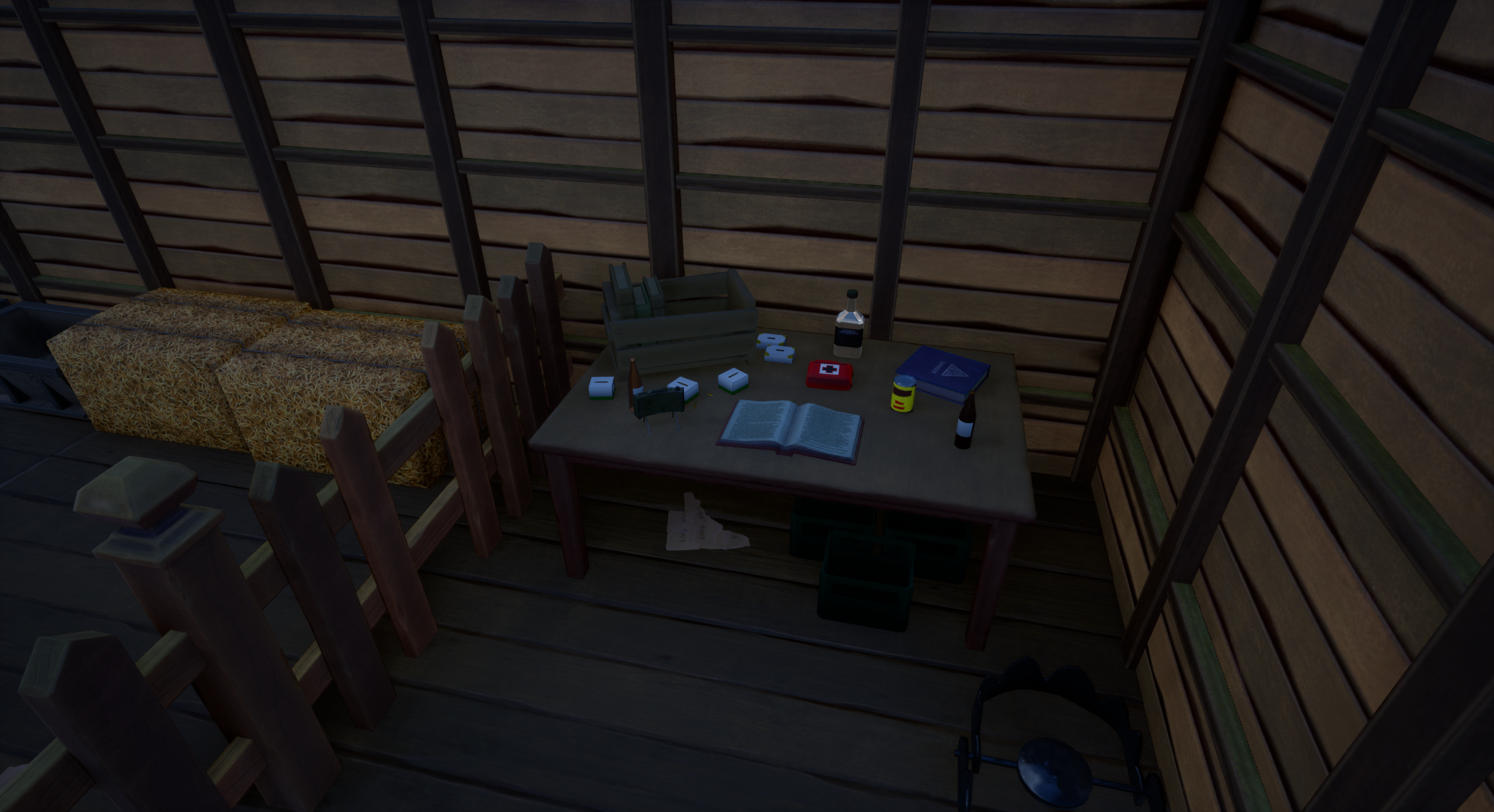
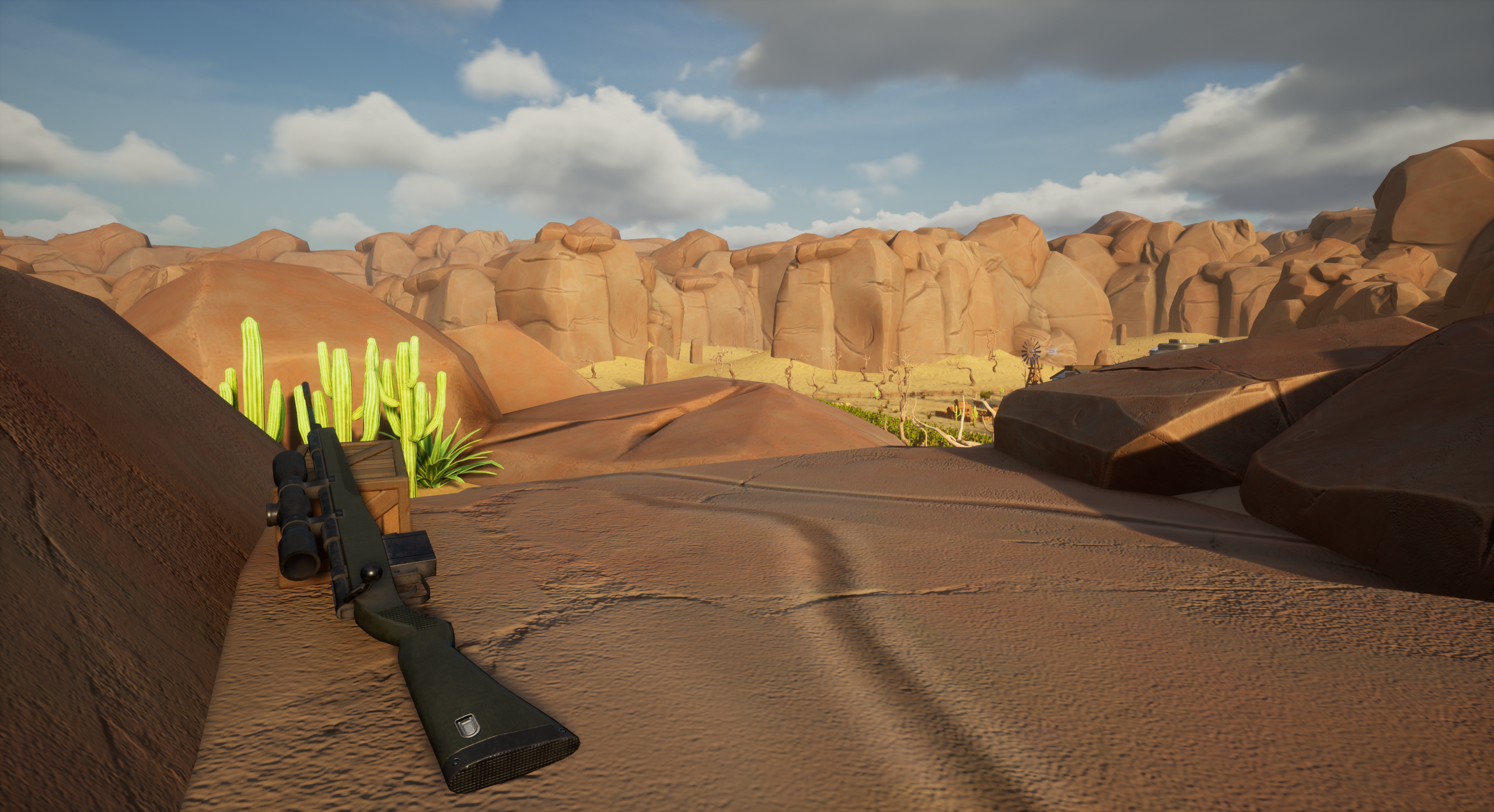
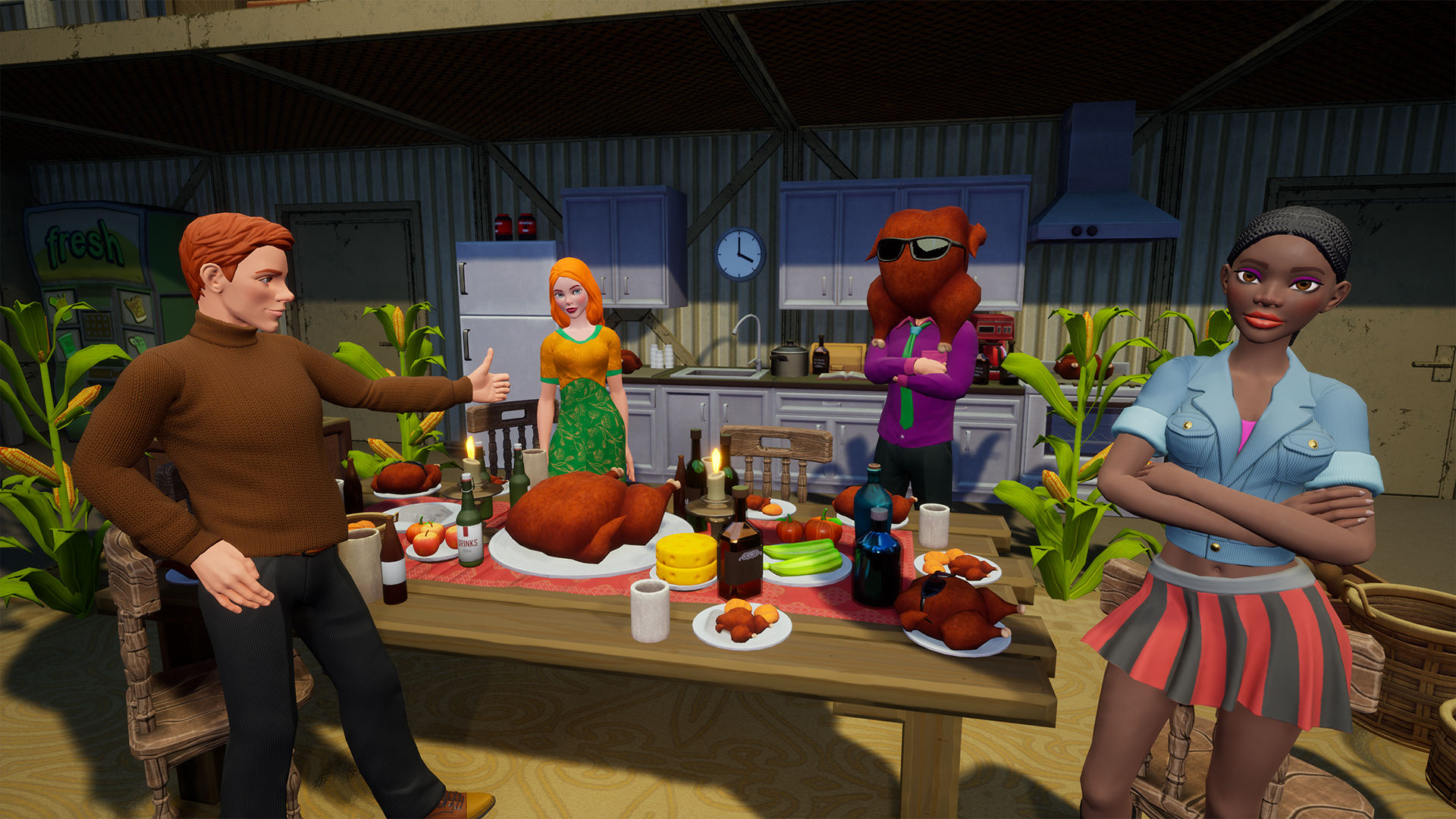
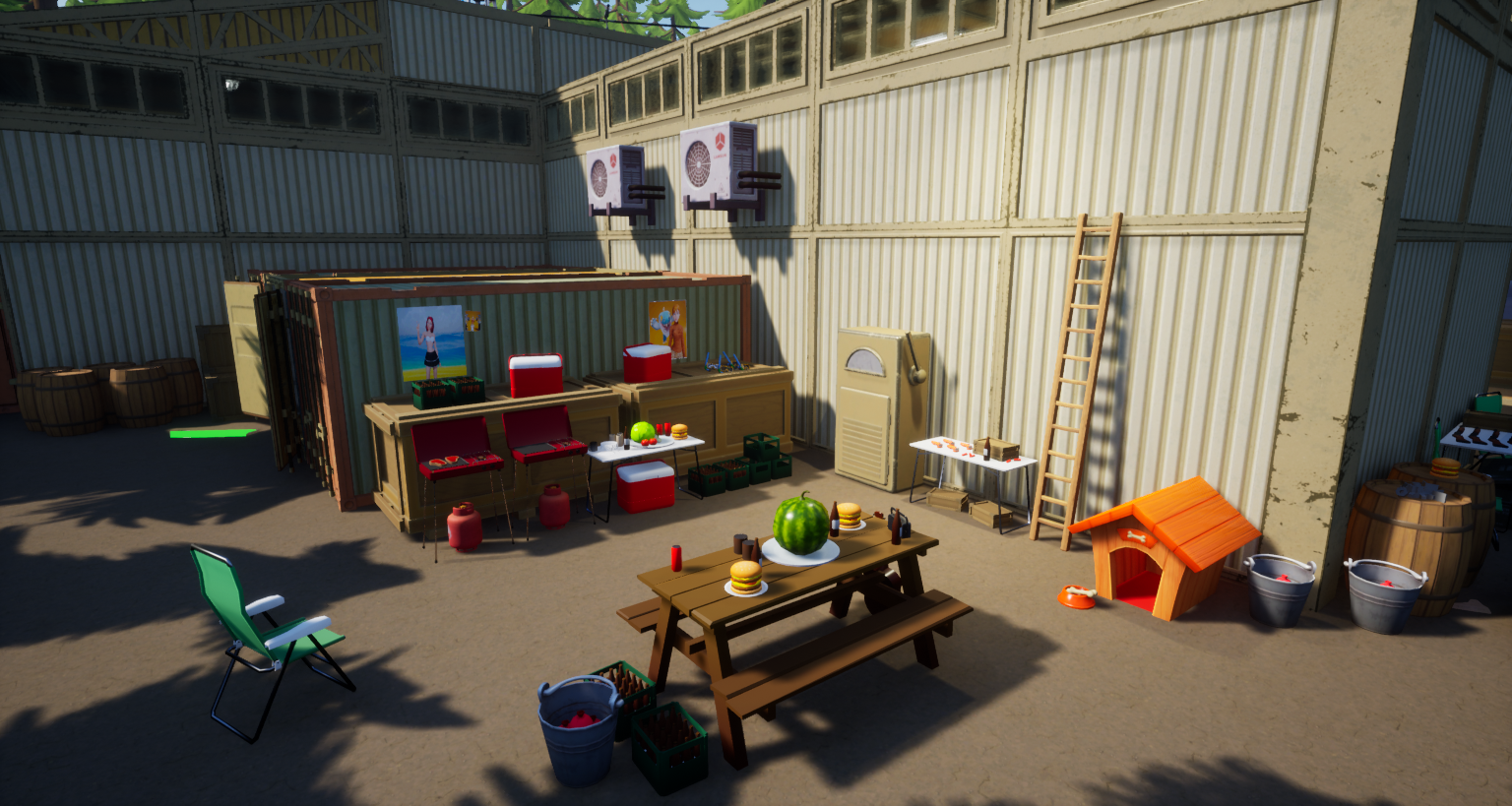
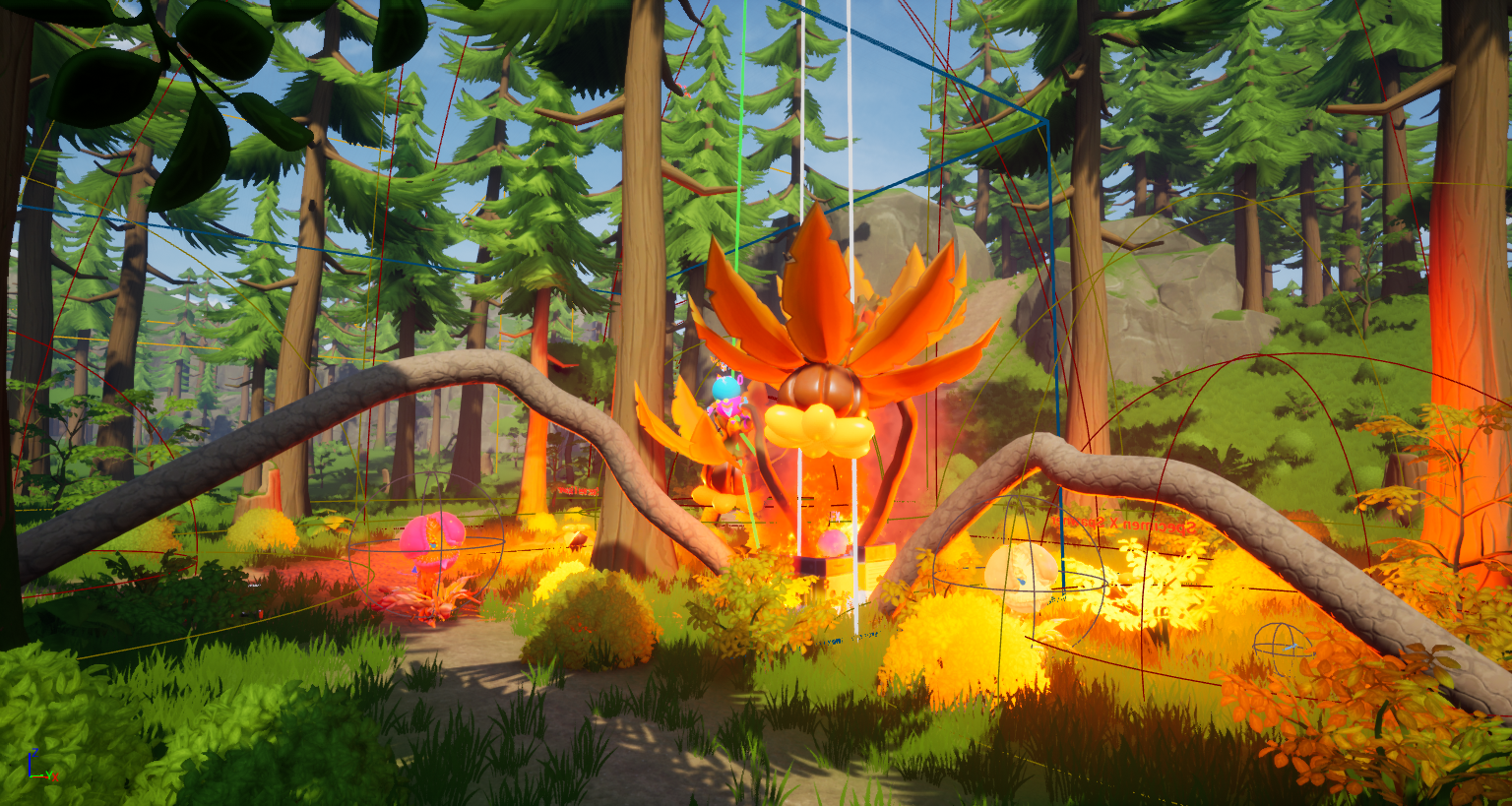
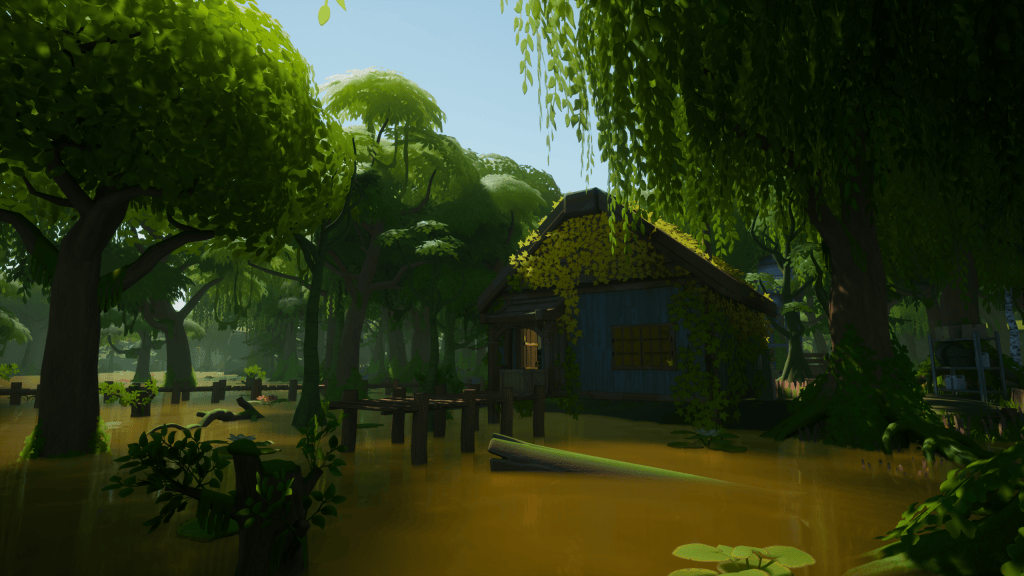
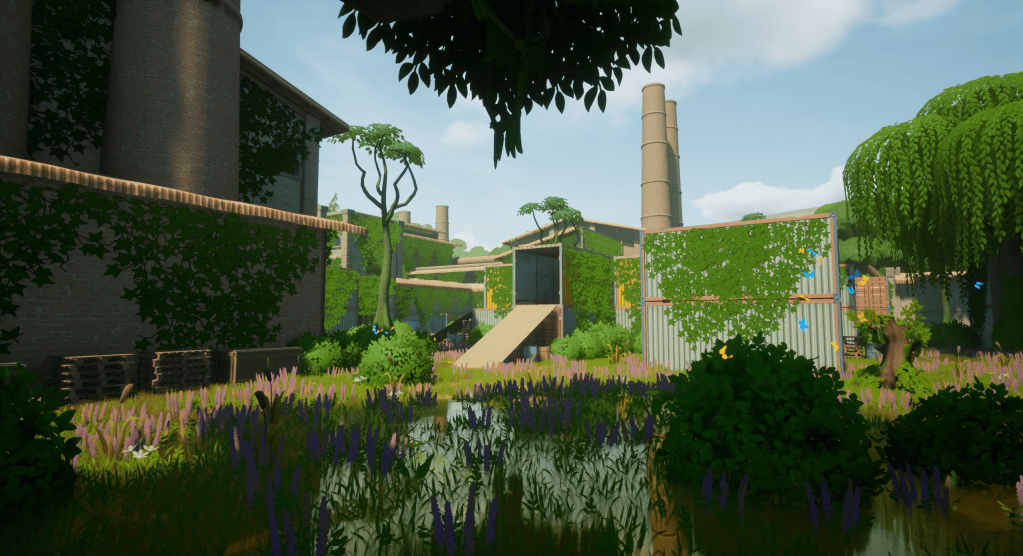
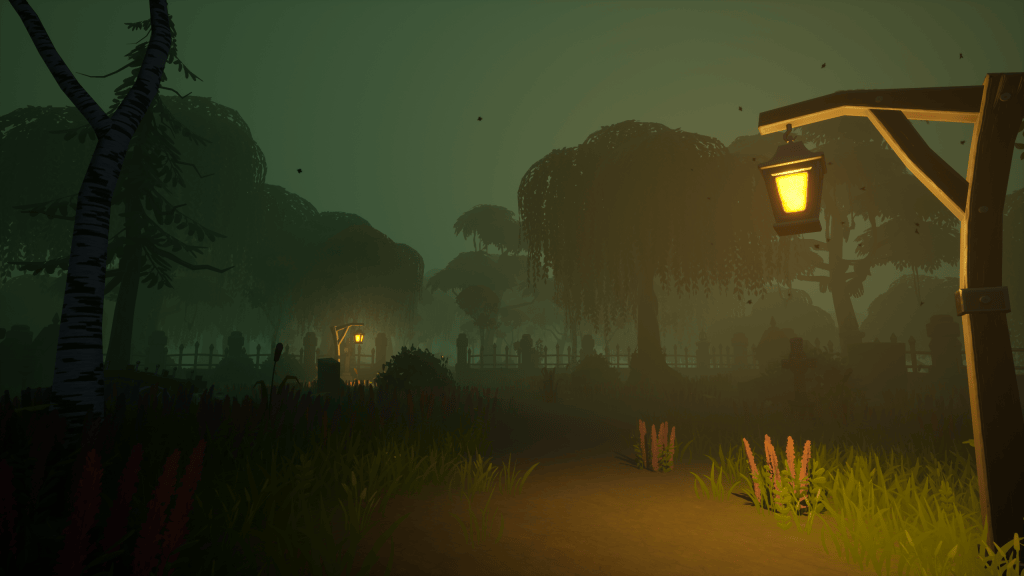
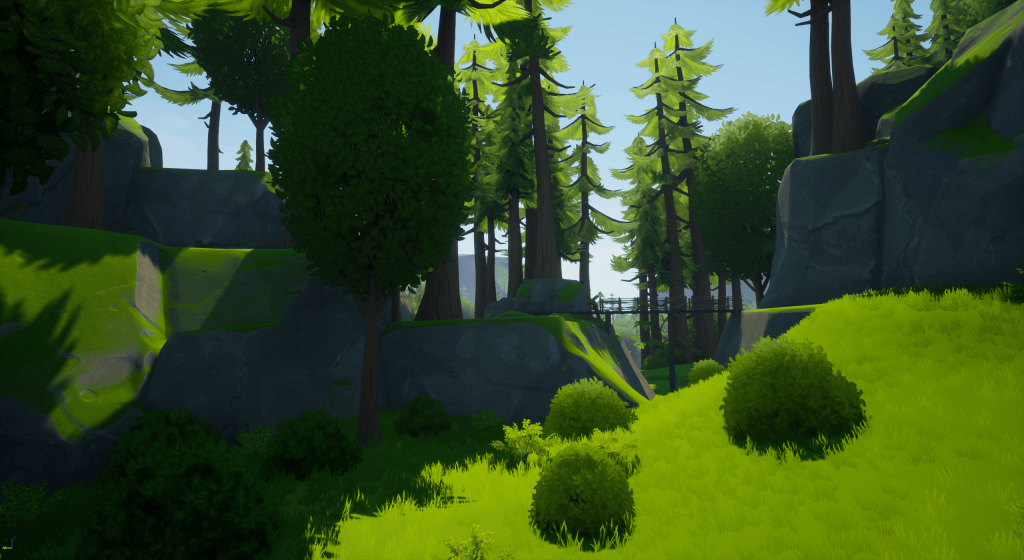
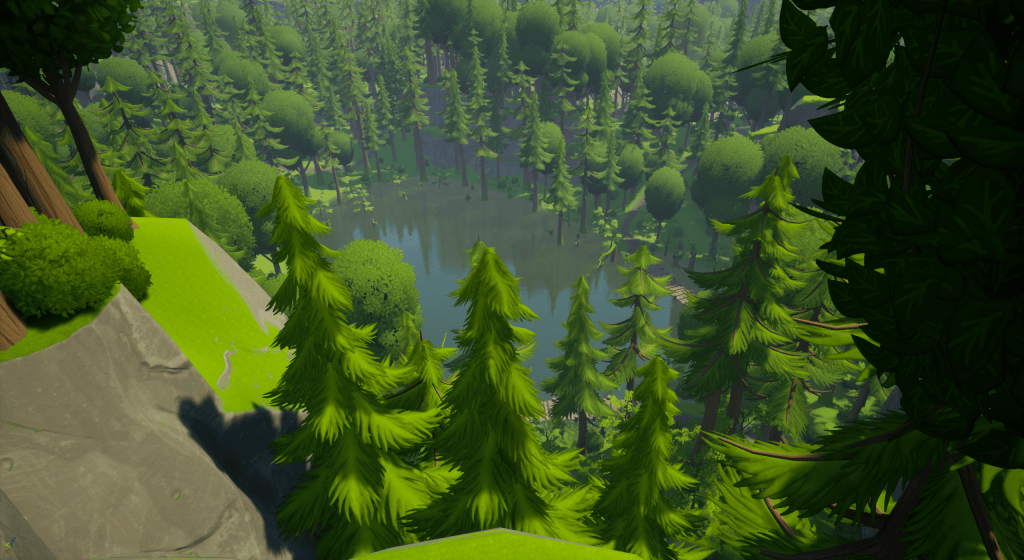
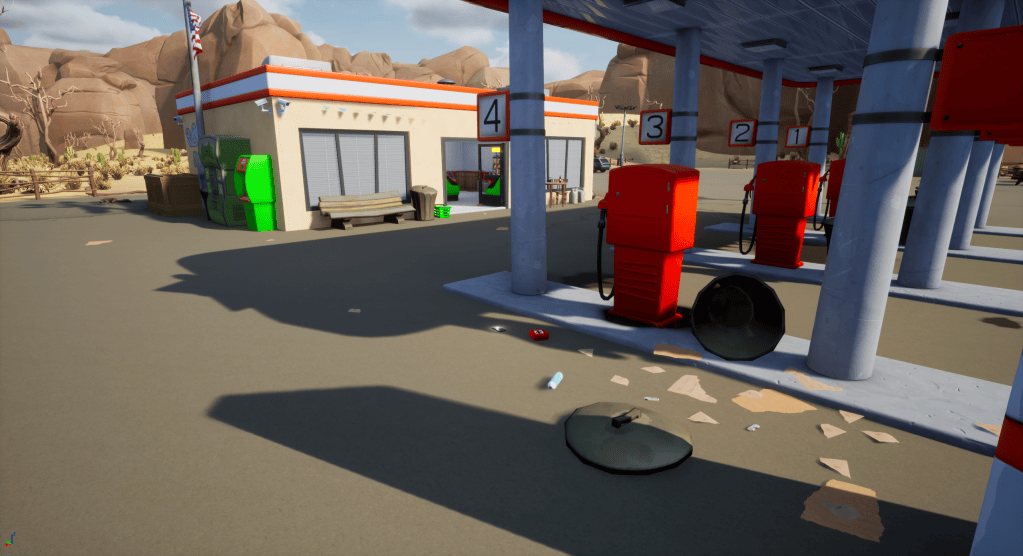
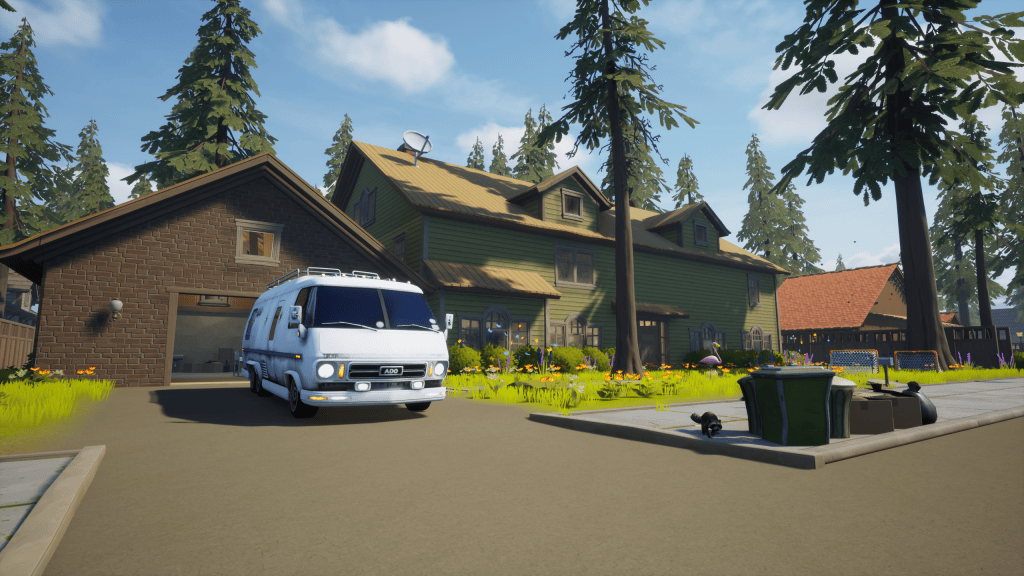
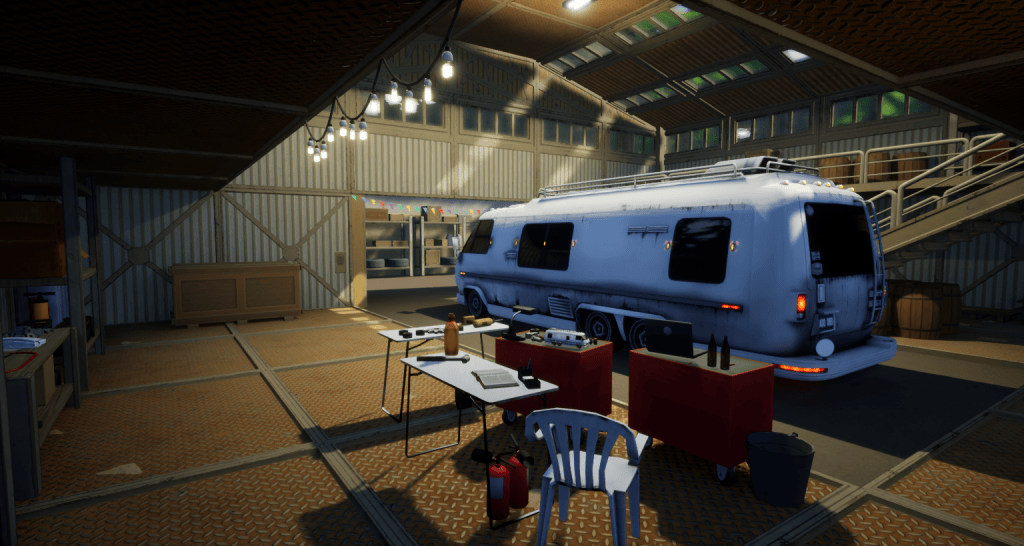
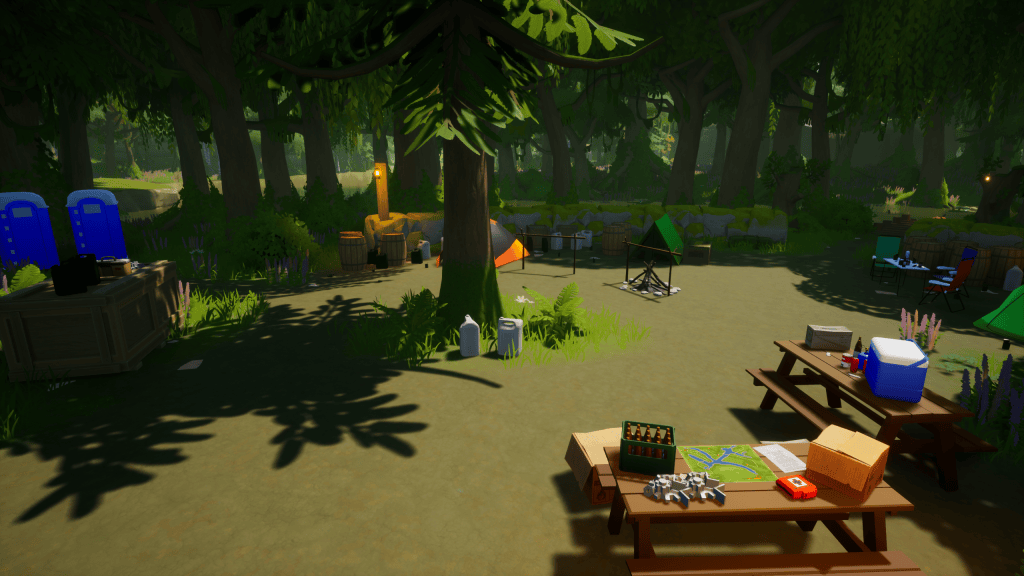
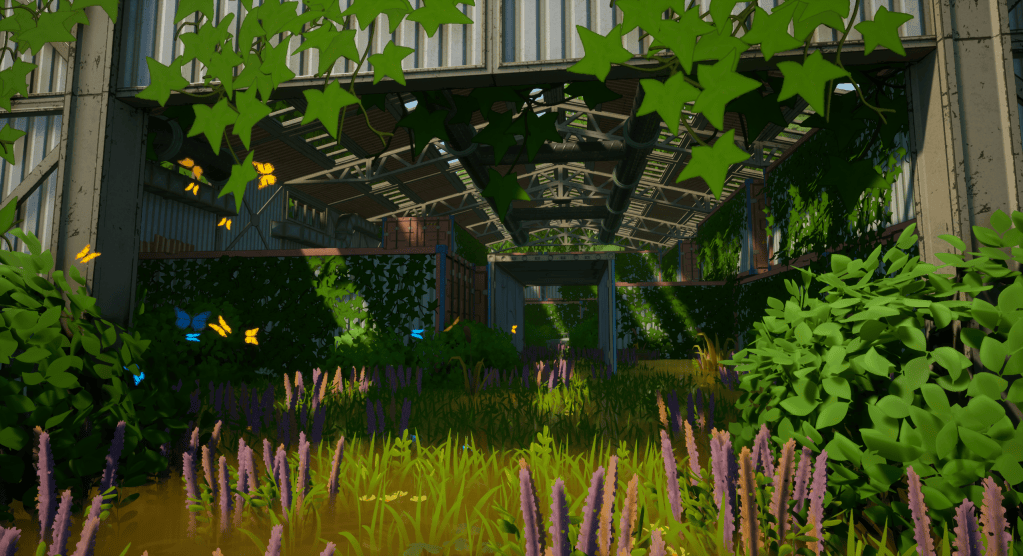
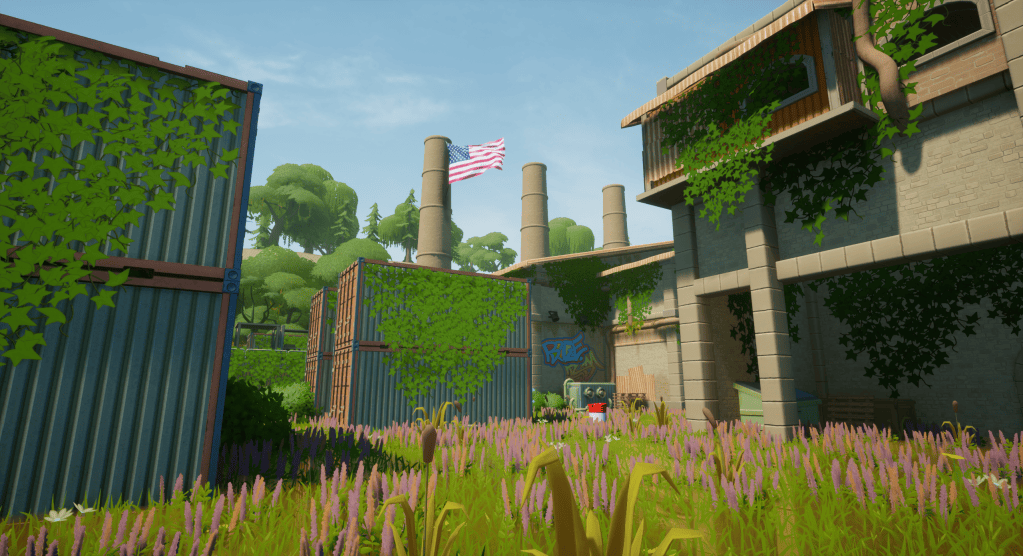
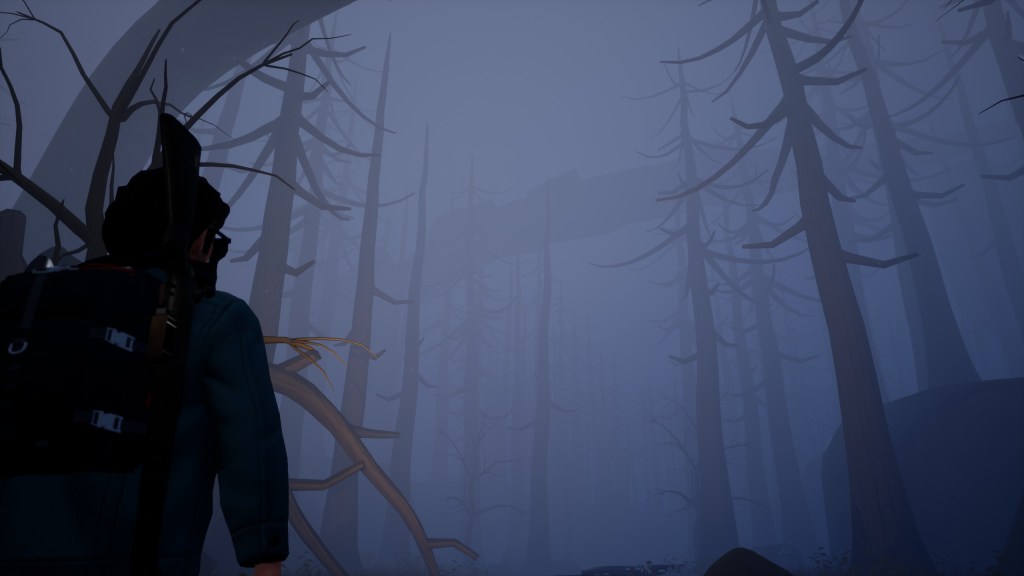
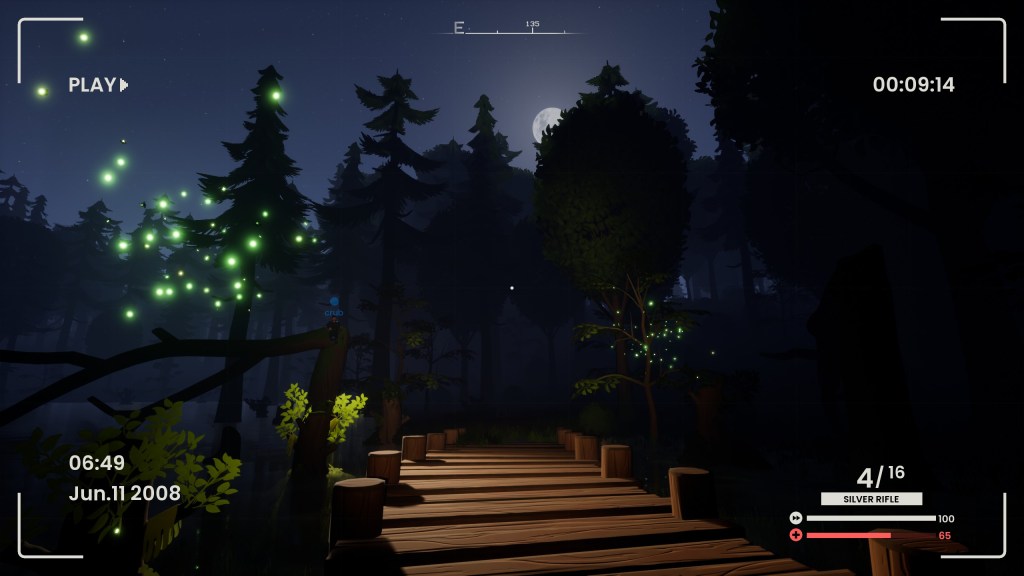
This is where the level’s artistic vision comes together. Visuals aren’t simply there to make a level look better—they can communicate information, establish mood, direct the player’s attention, and tell a story without saying a word.
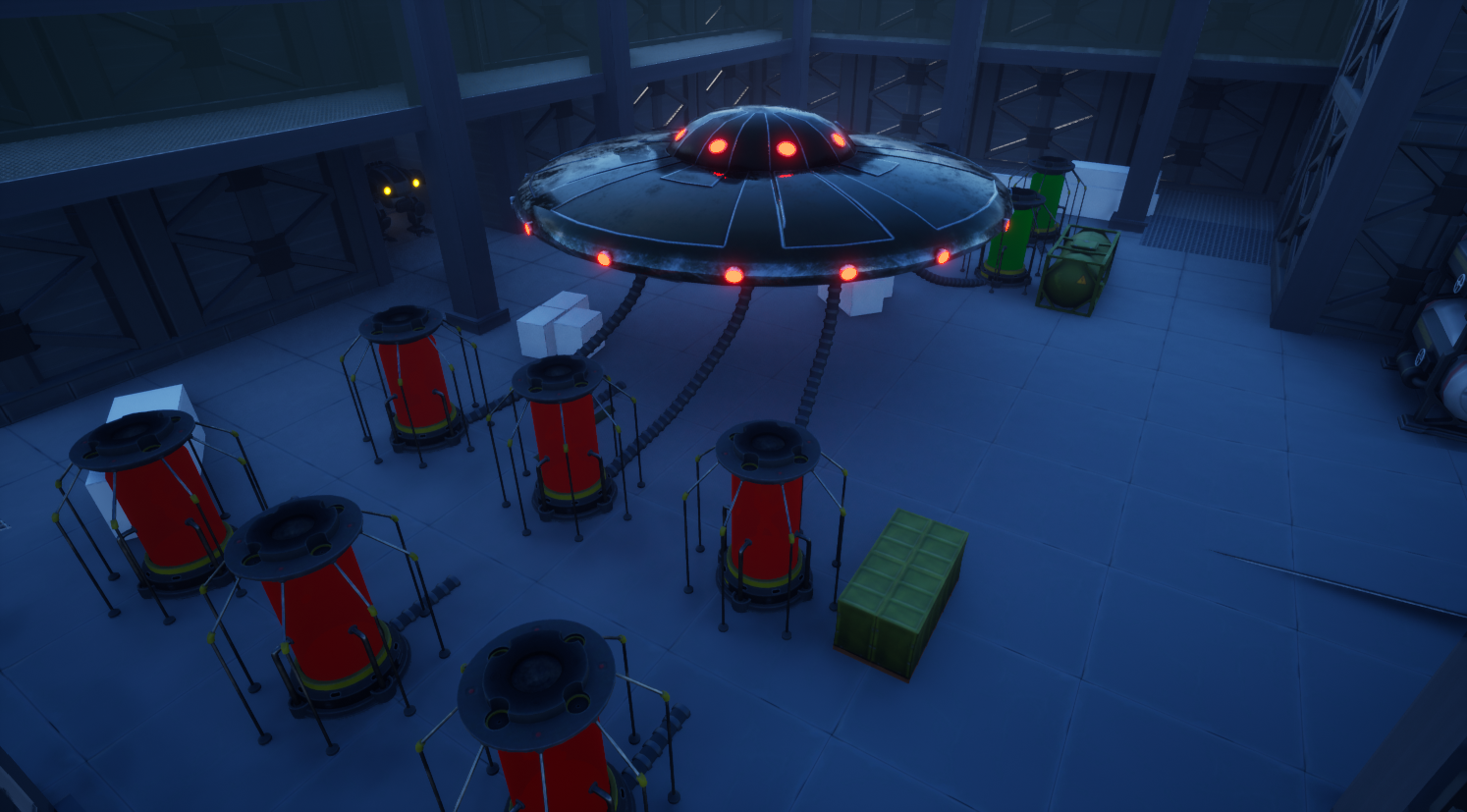
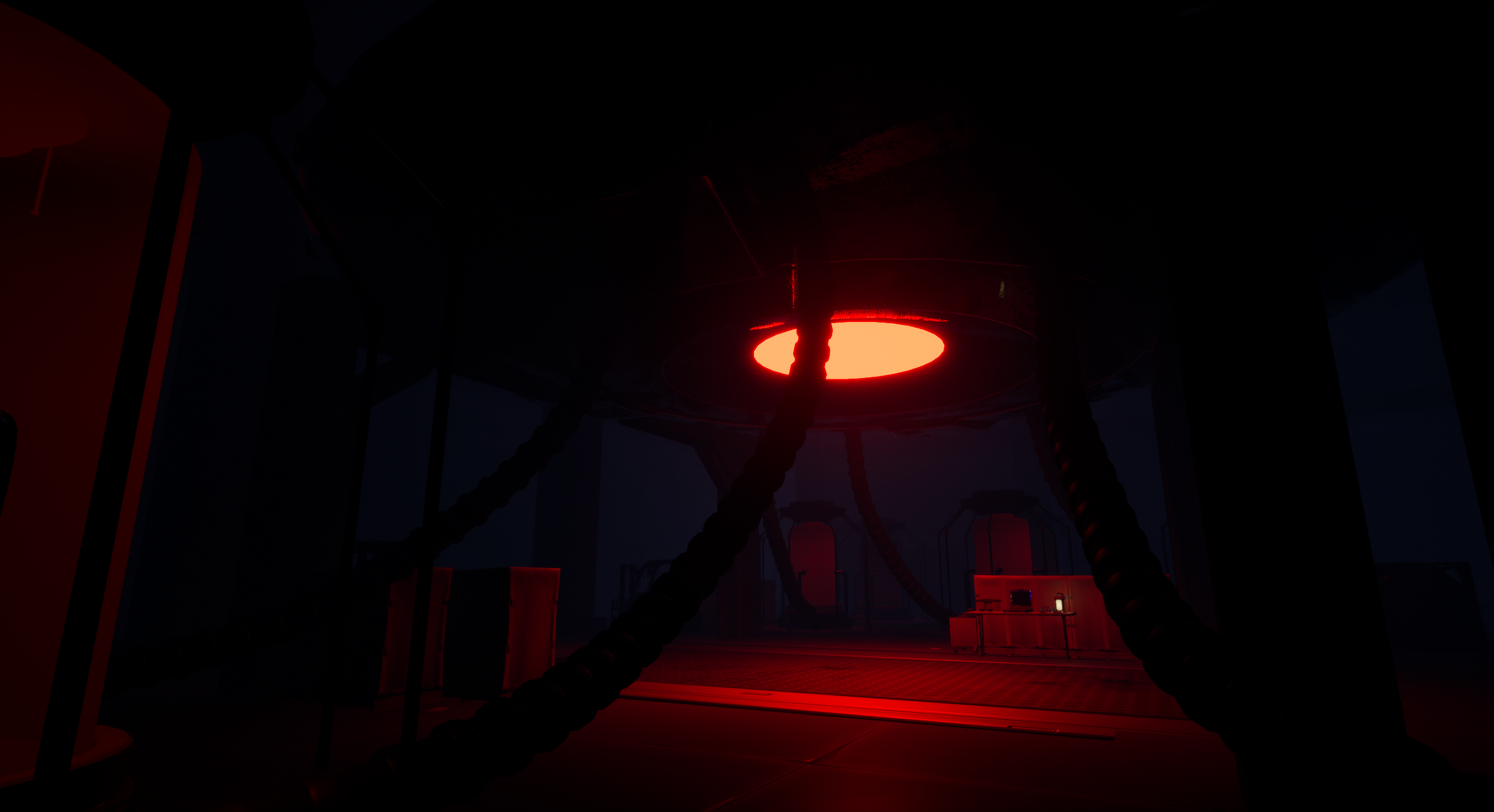
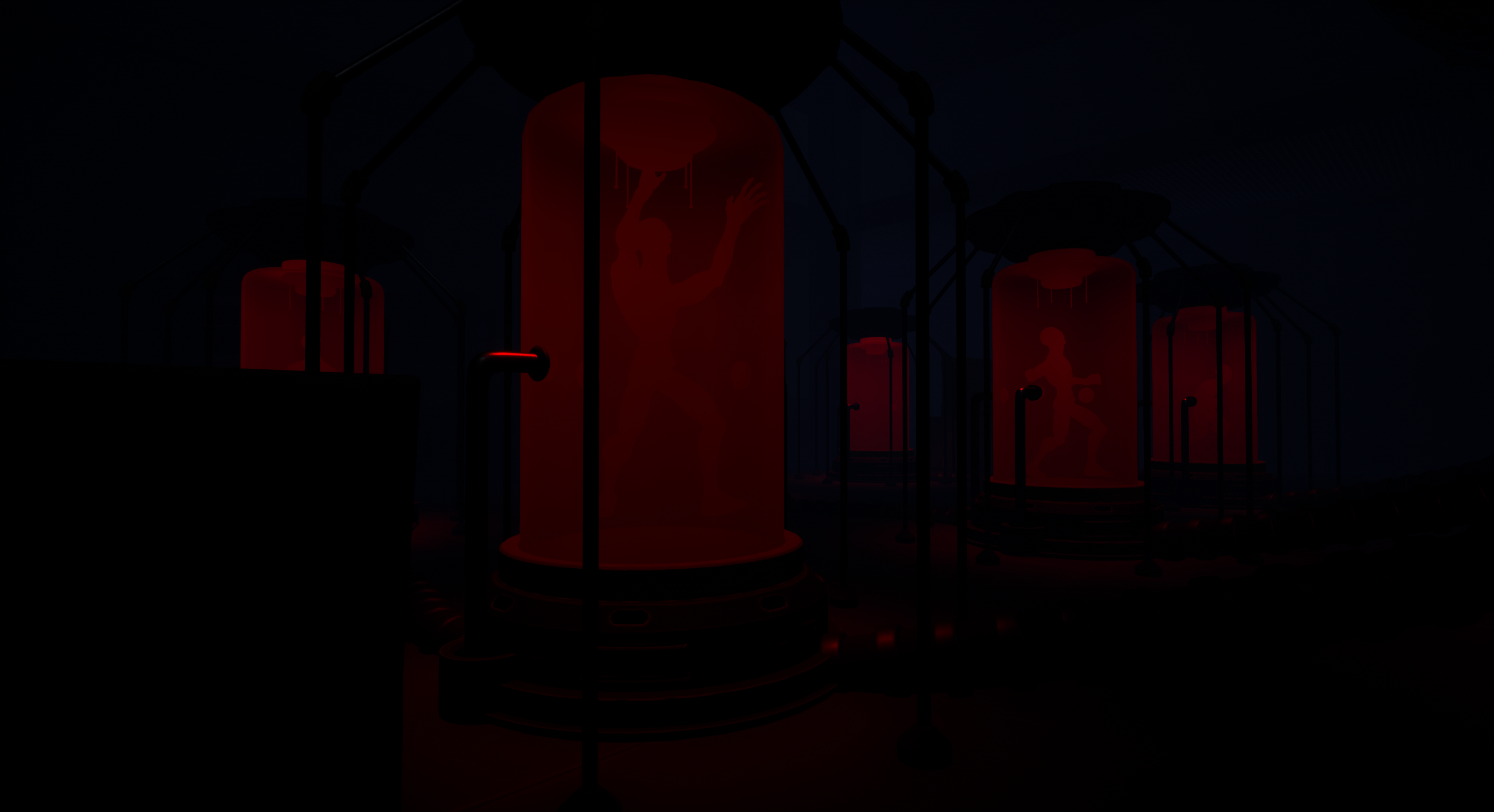
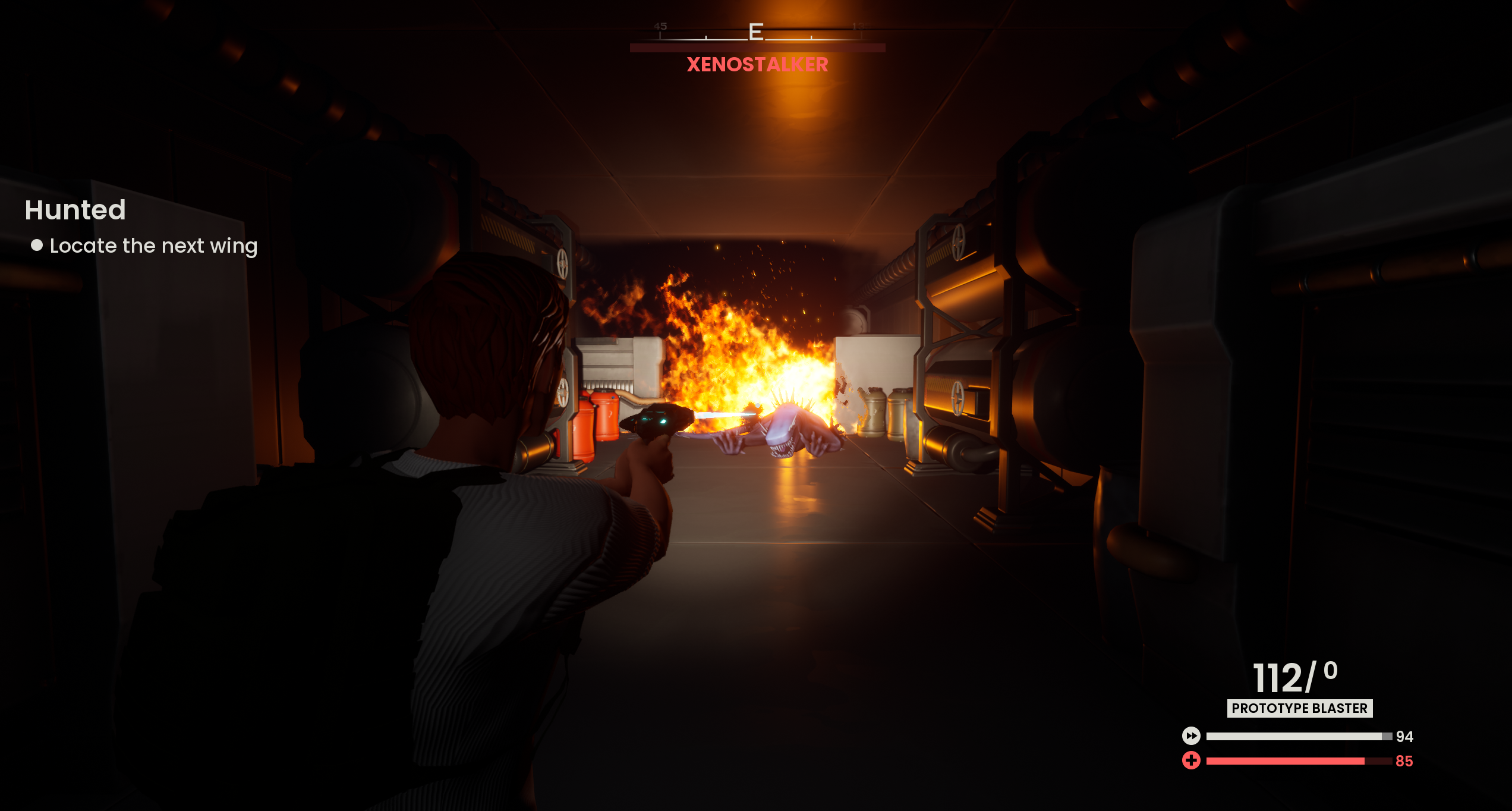
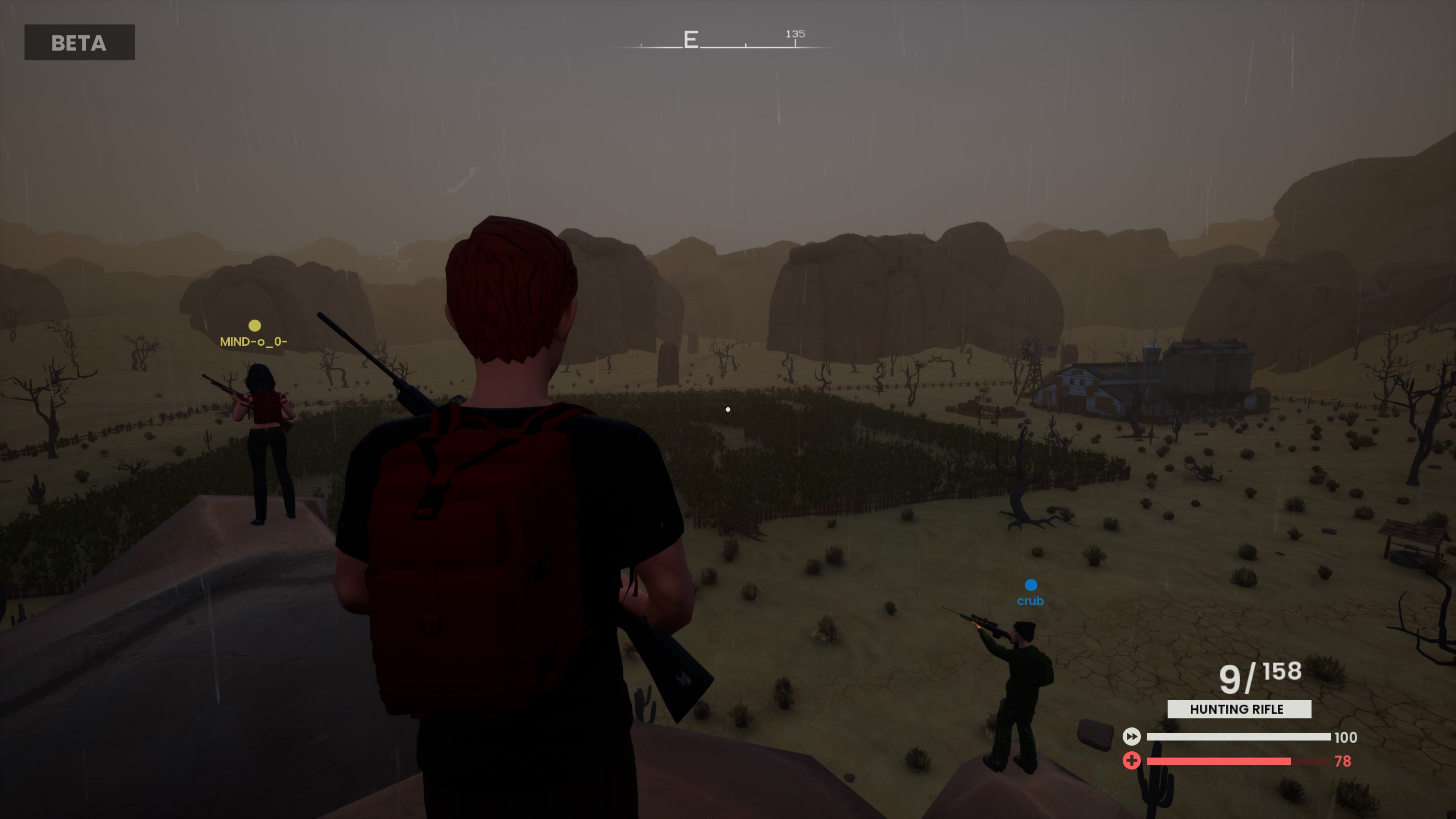
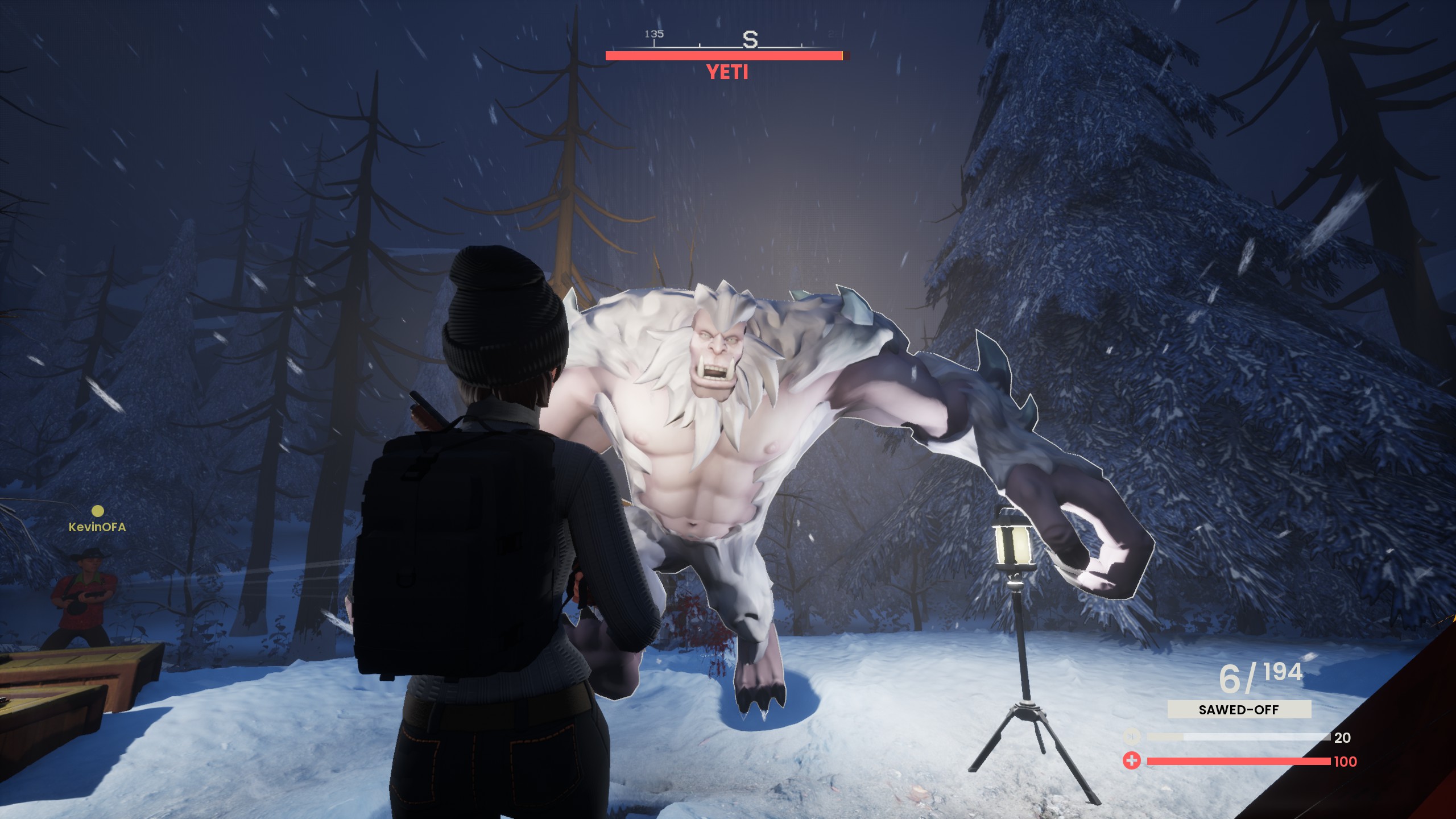
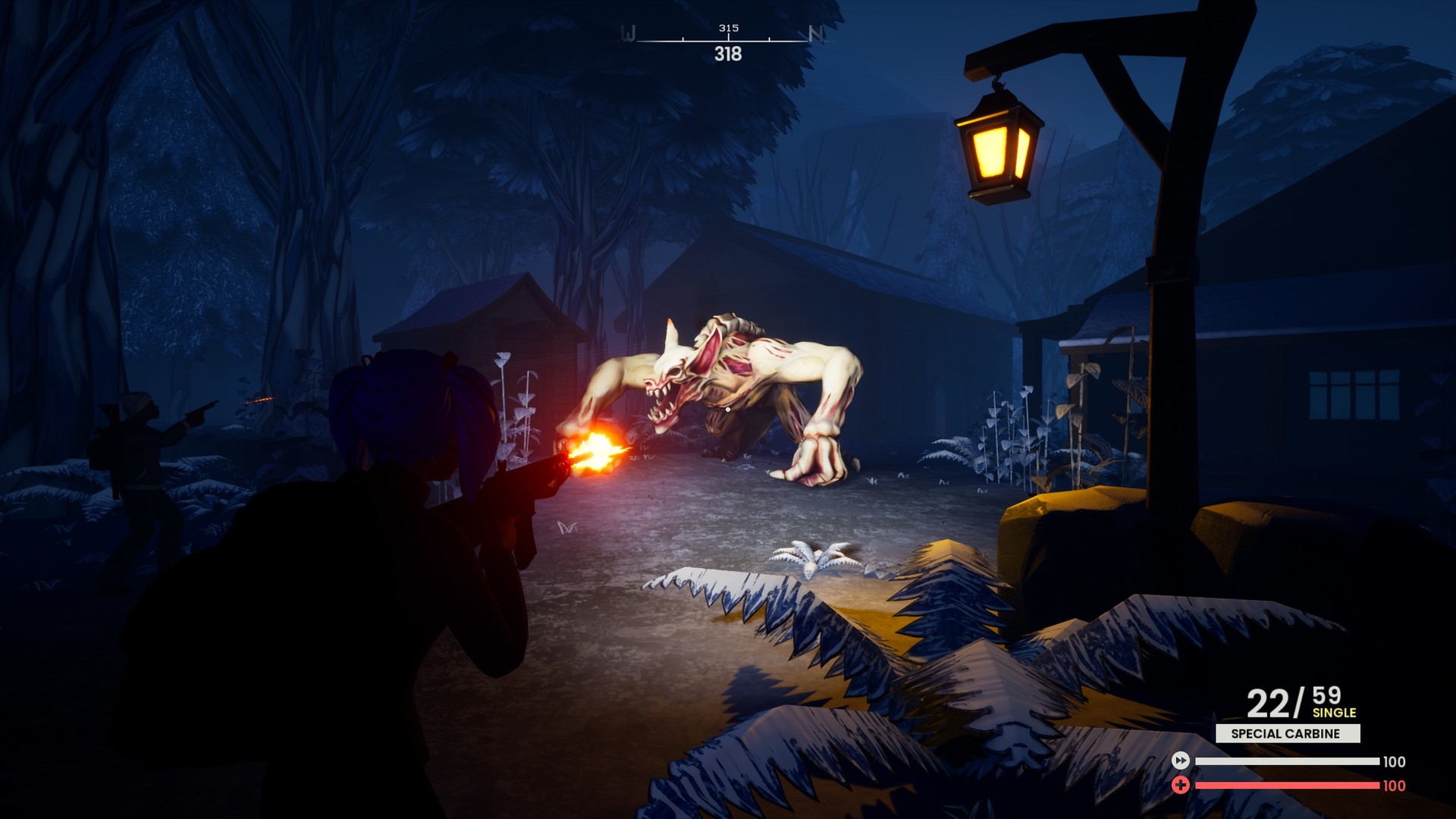
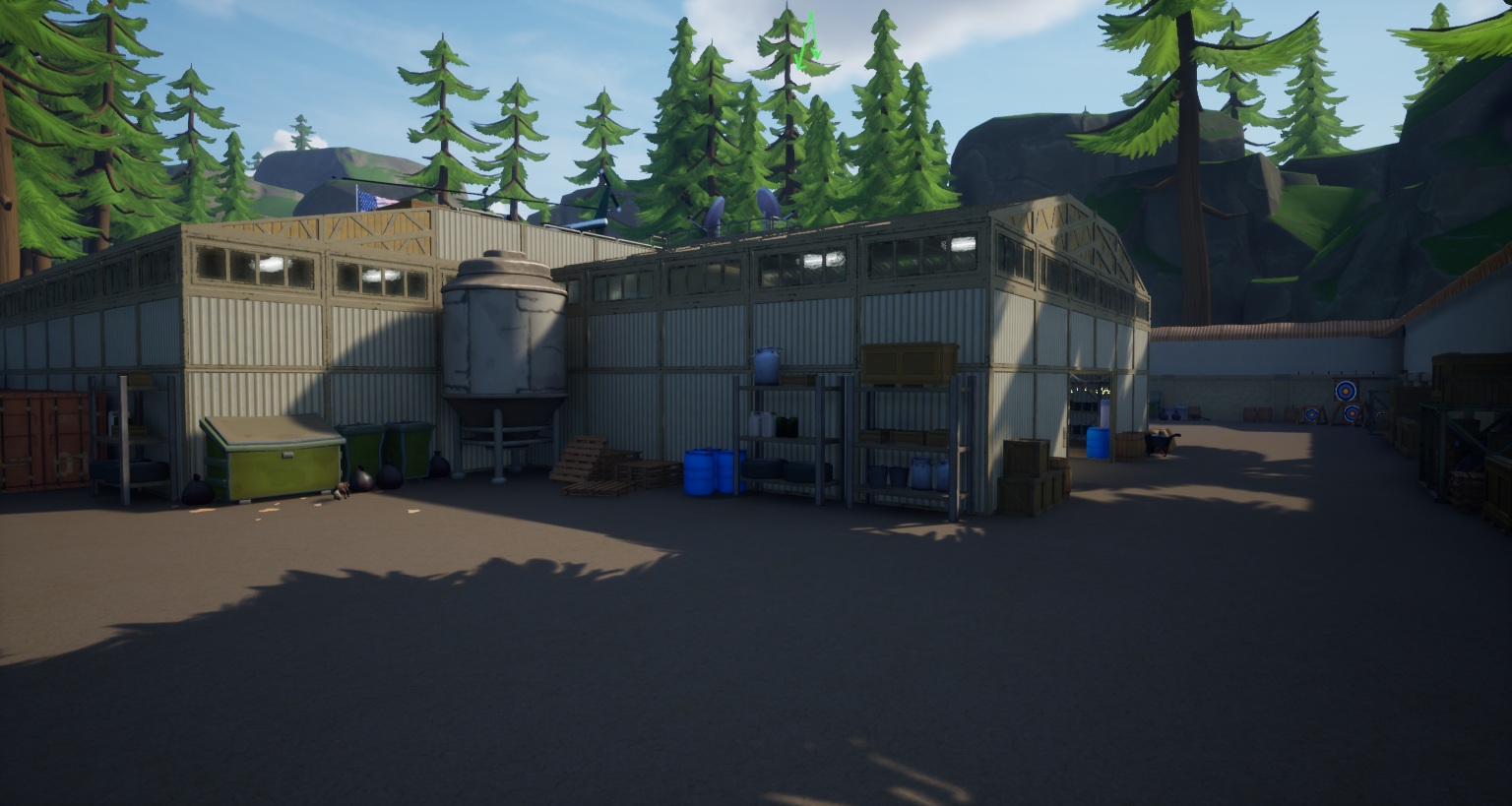
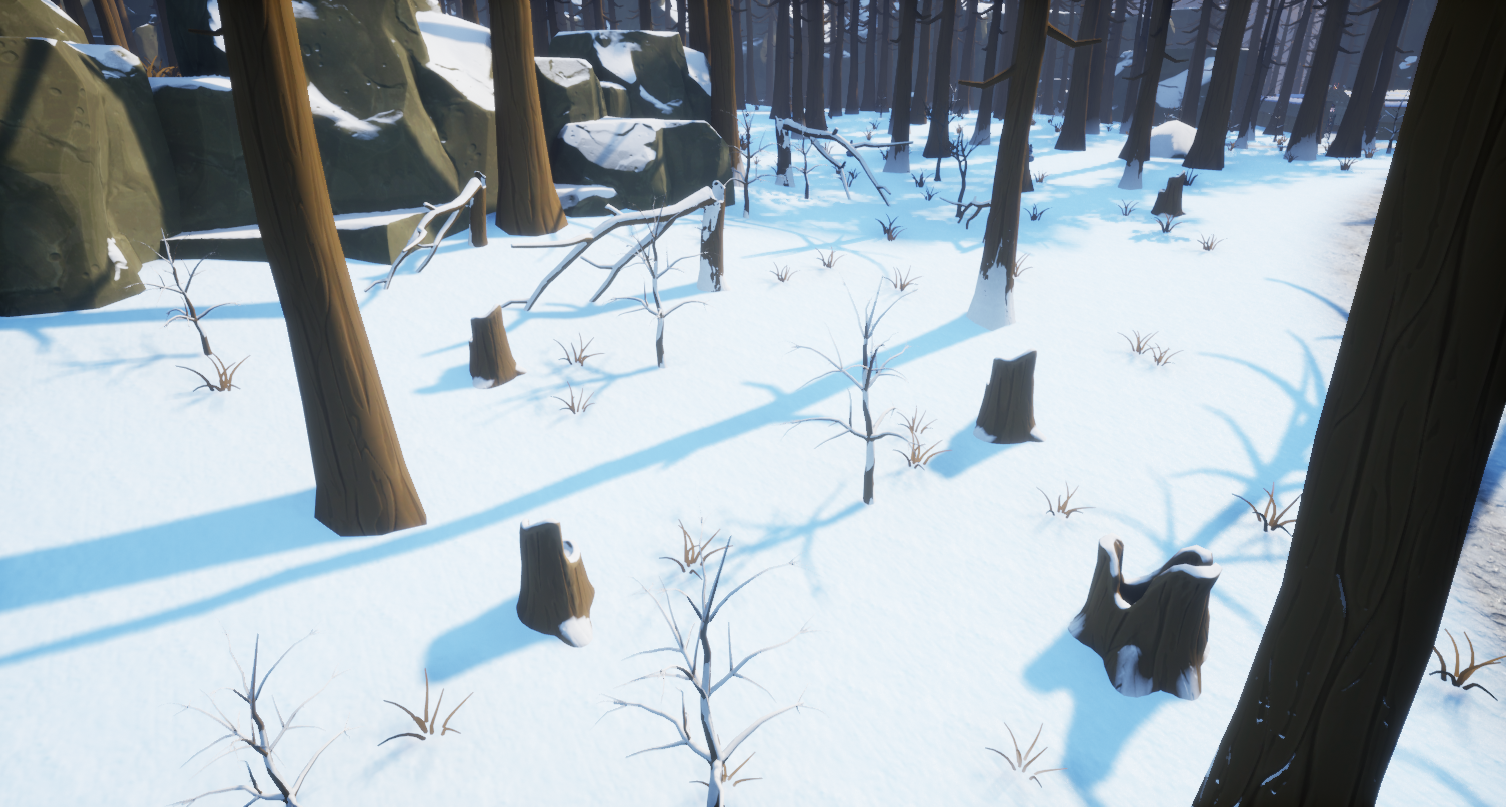
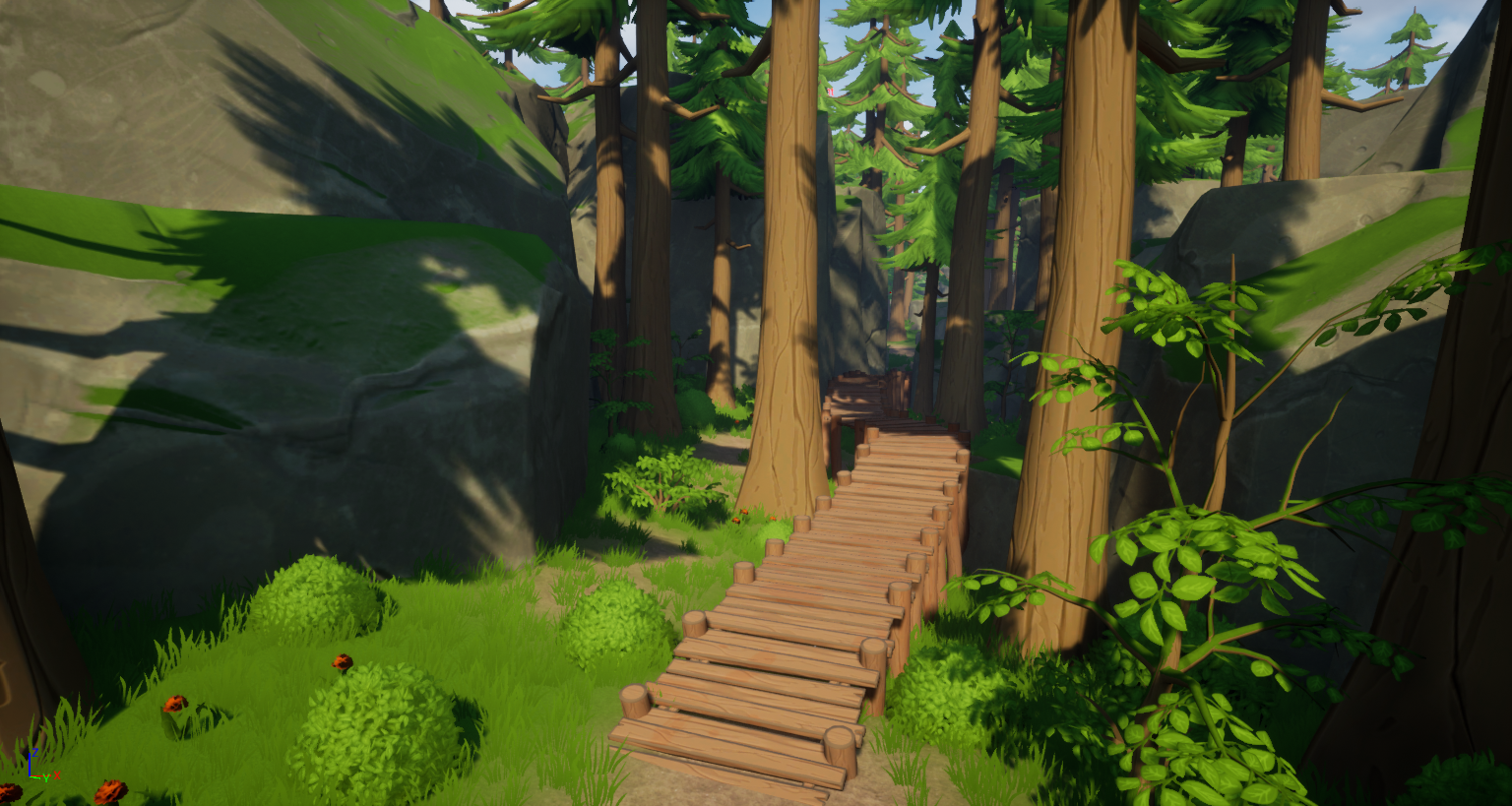
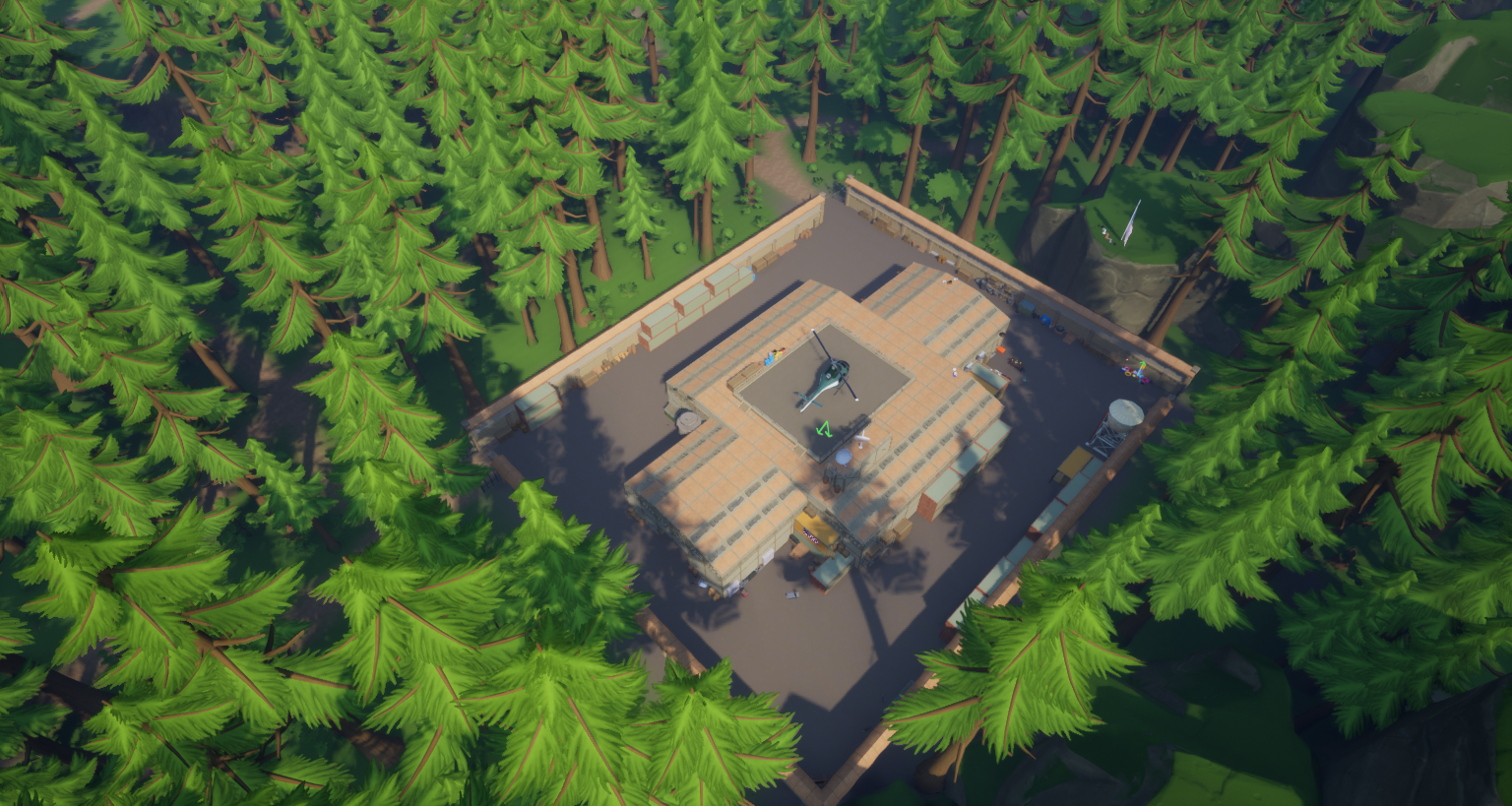
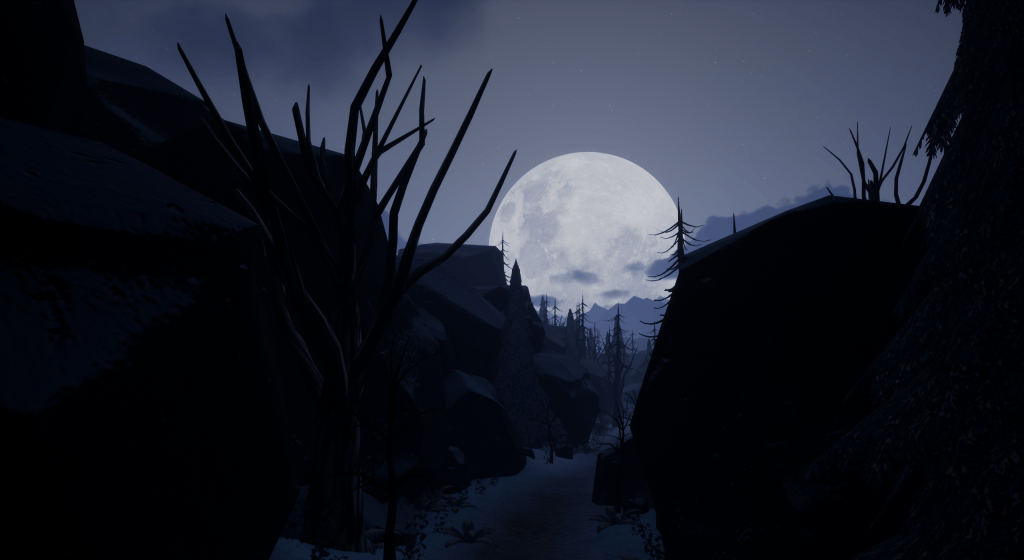
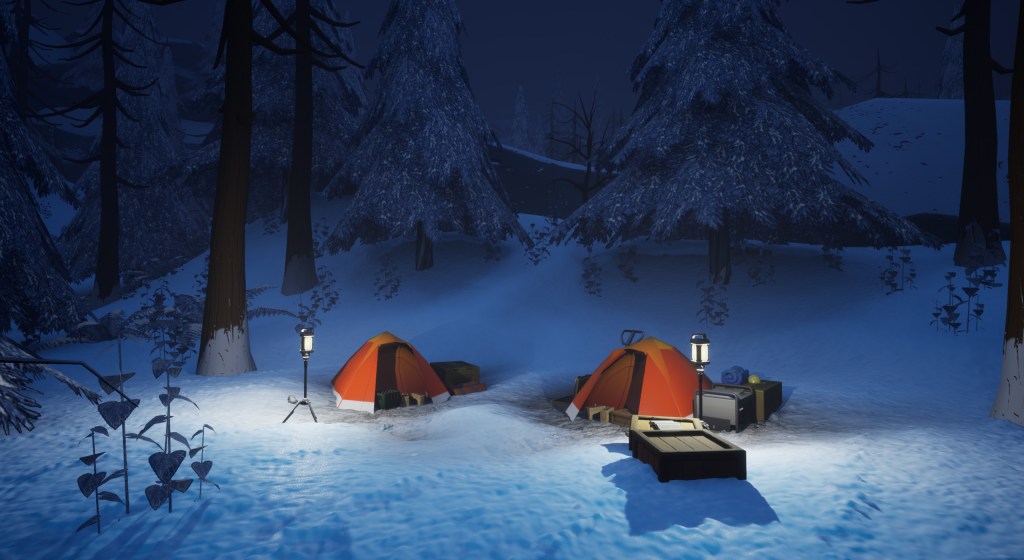
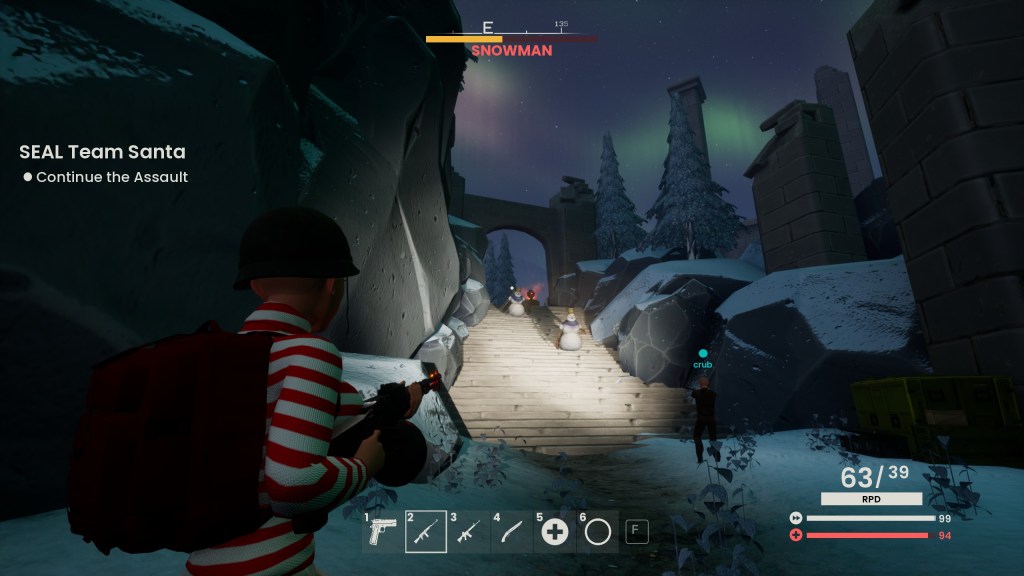
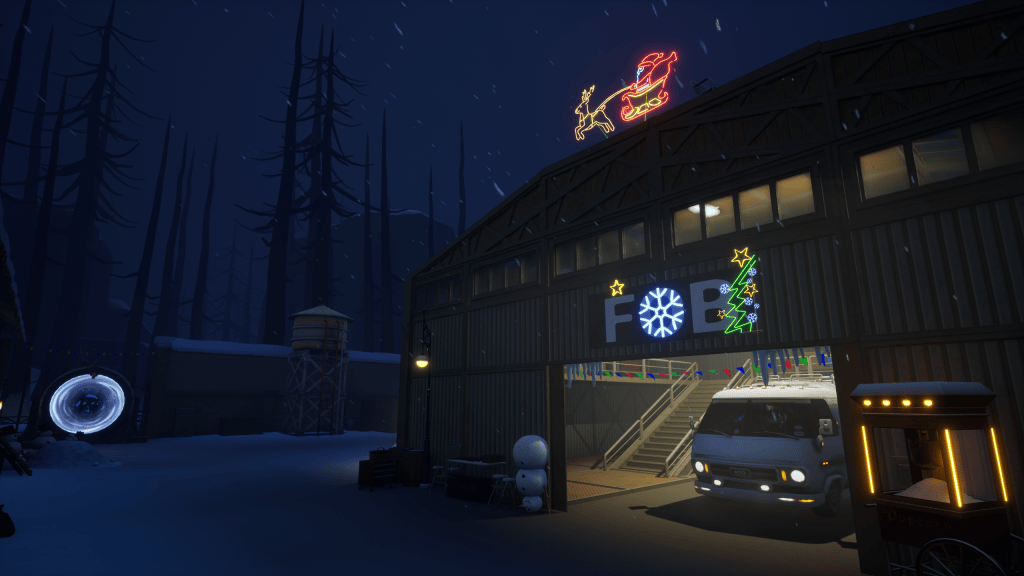
(SEE MORE IMAGES AT BOTTOM OF PAGE)
In-Game Documents
Games are constantly evolving, I use the environment itself as another tool for documentation, testing, and team communication. This helps keep track of design goals while allowing me to identify issues early.
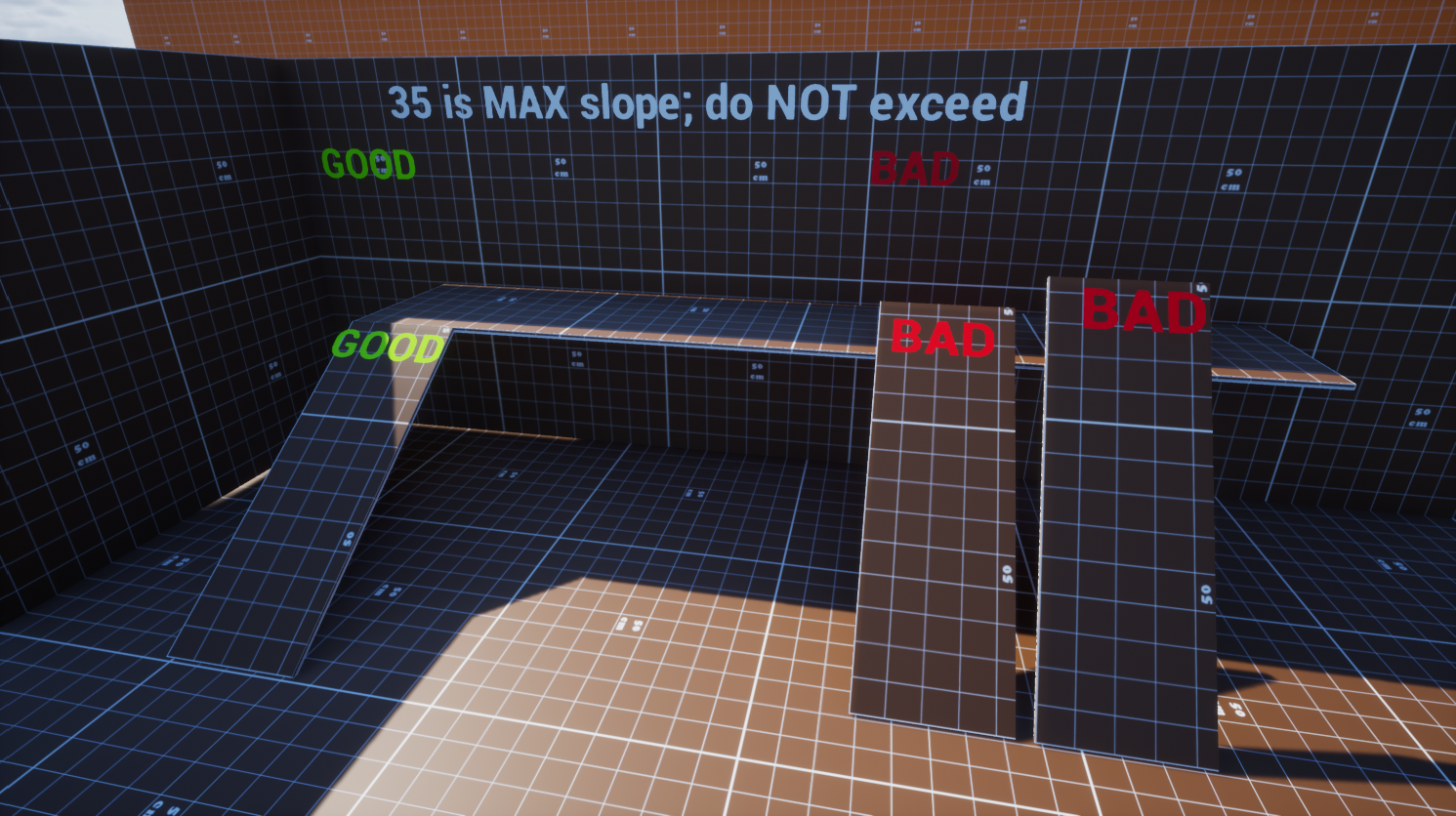
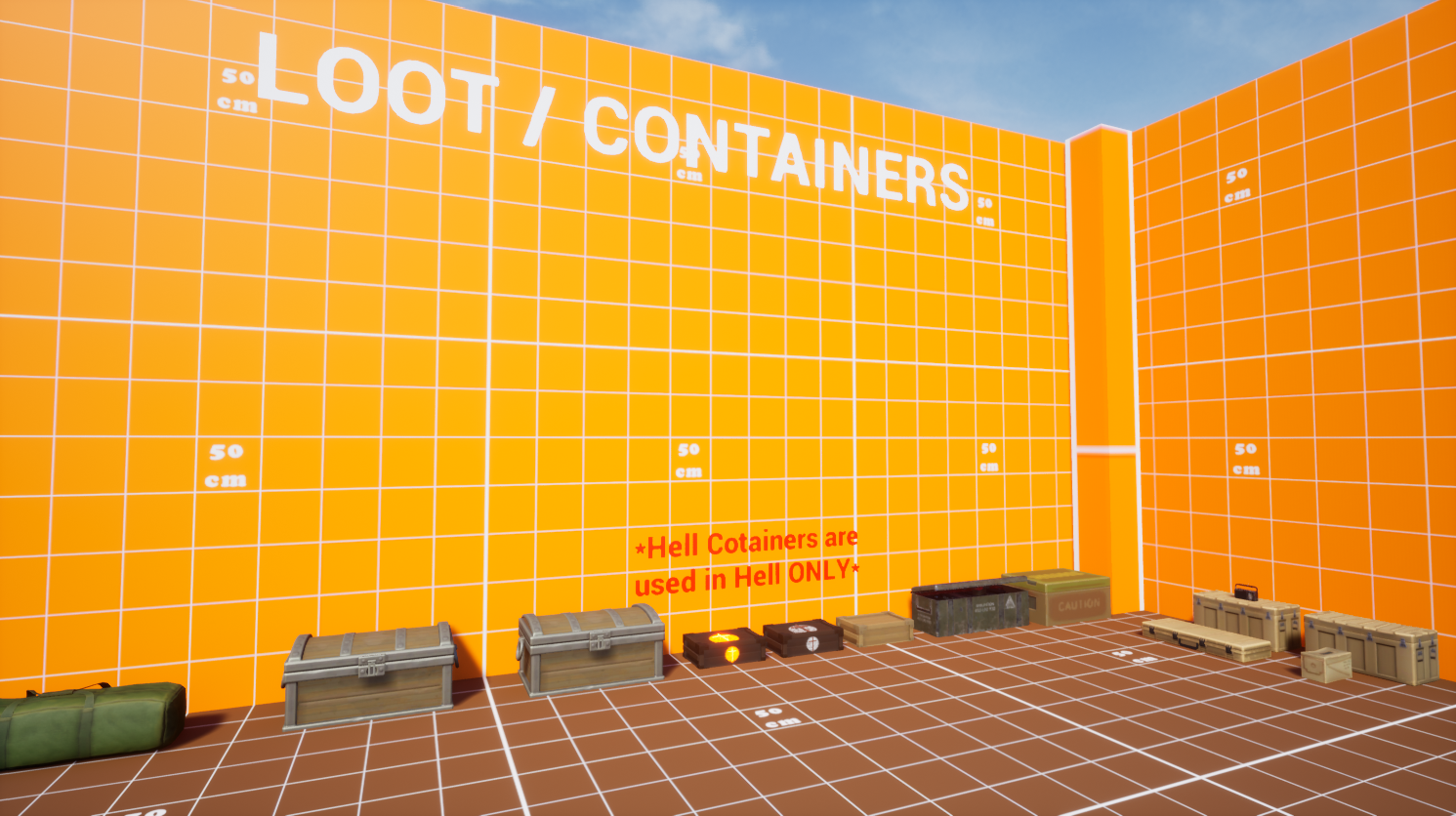
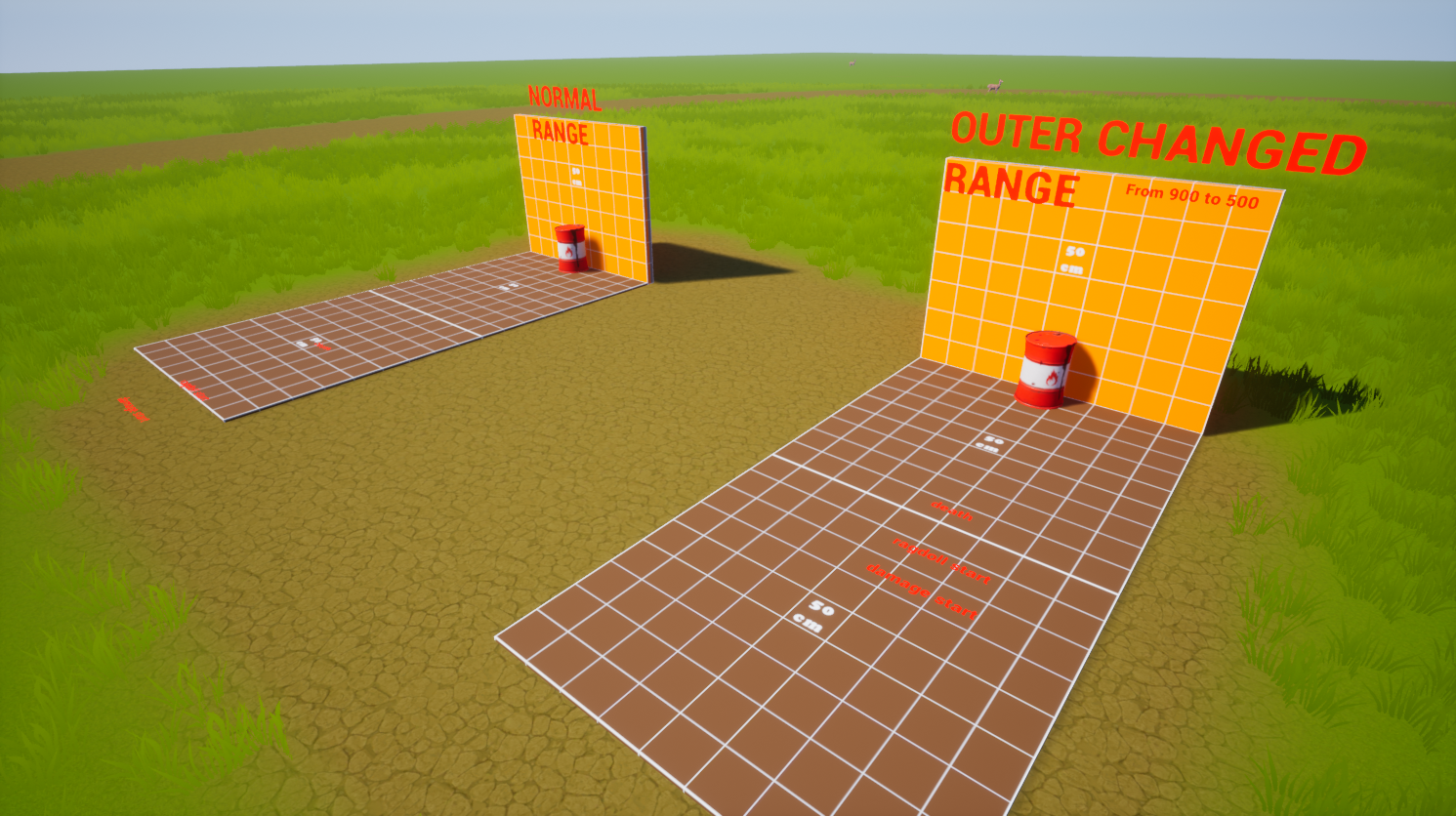
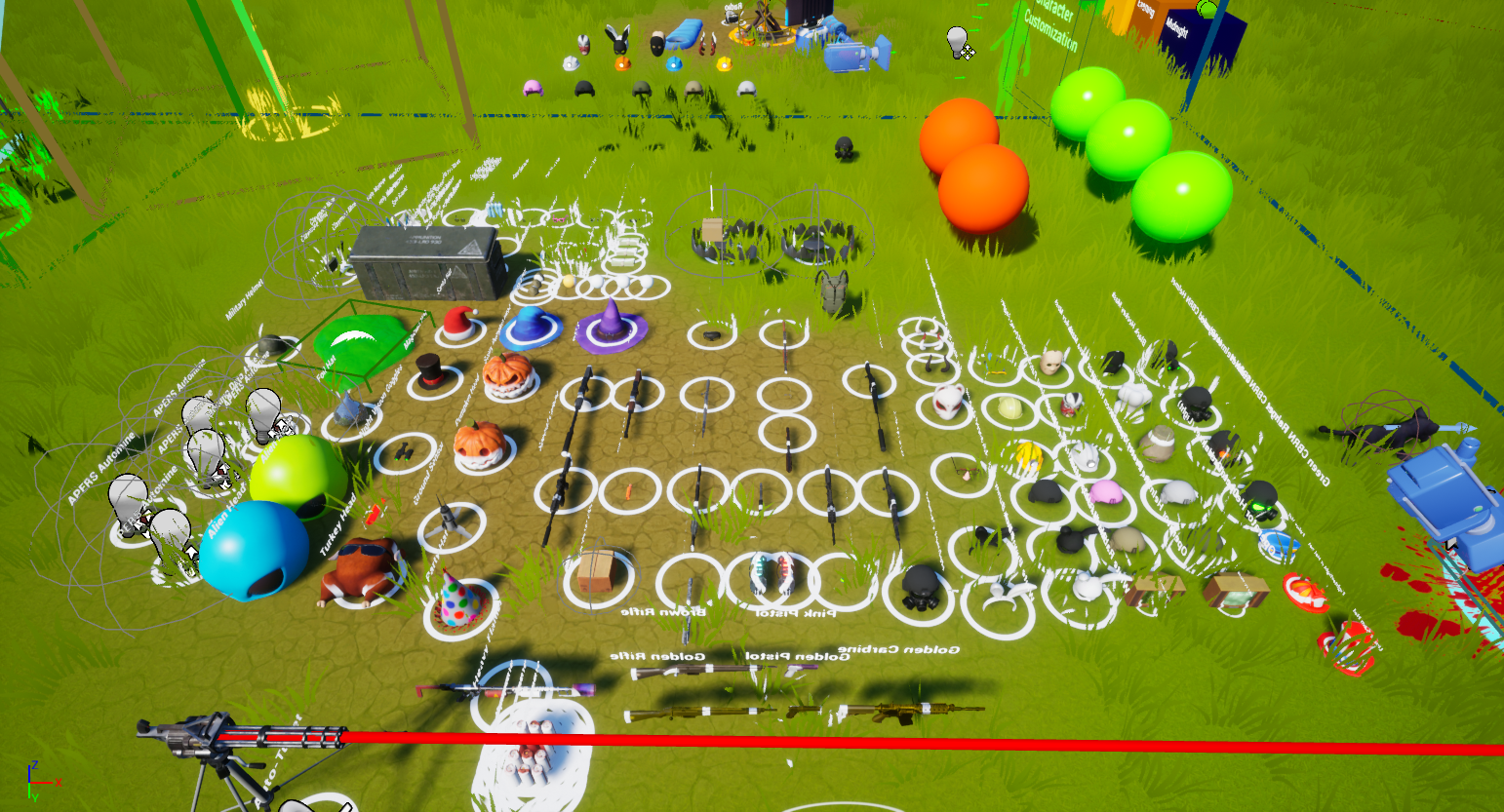
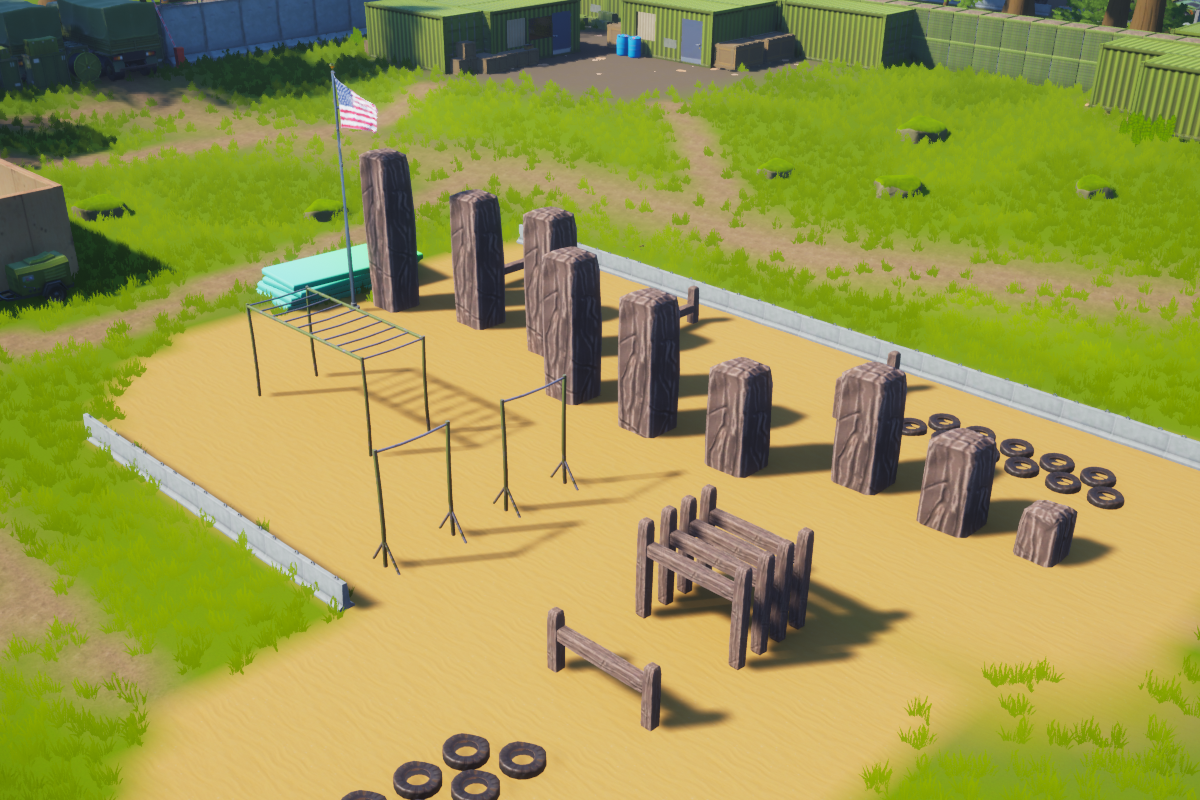
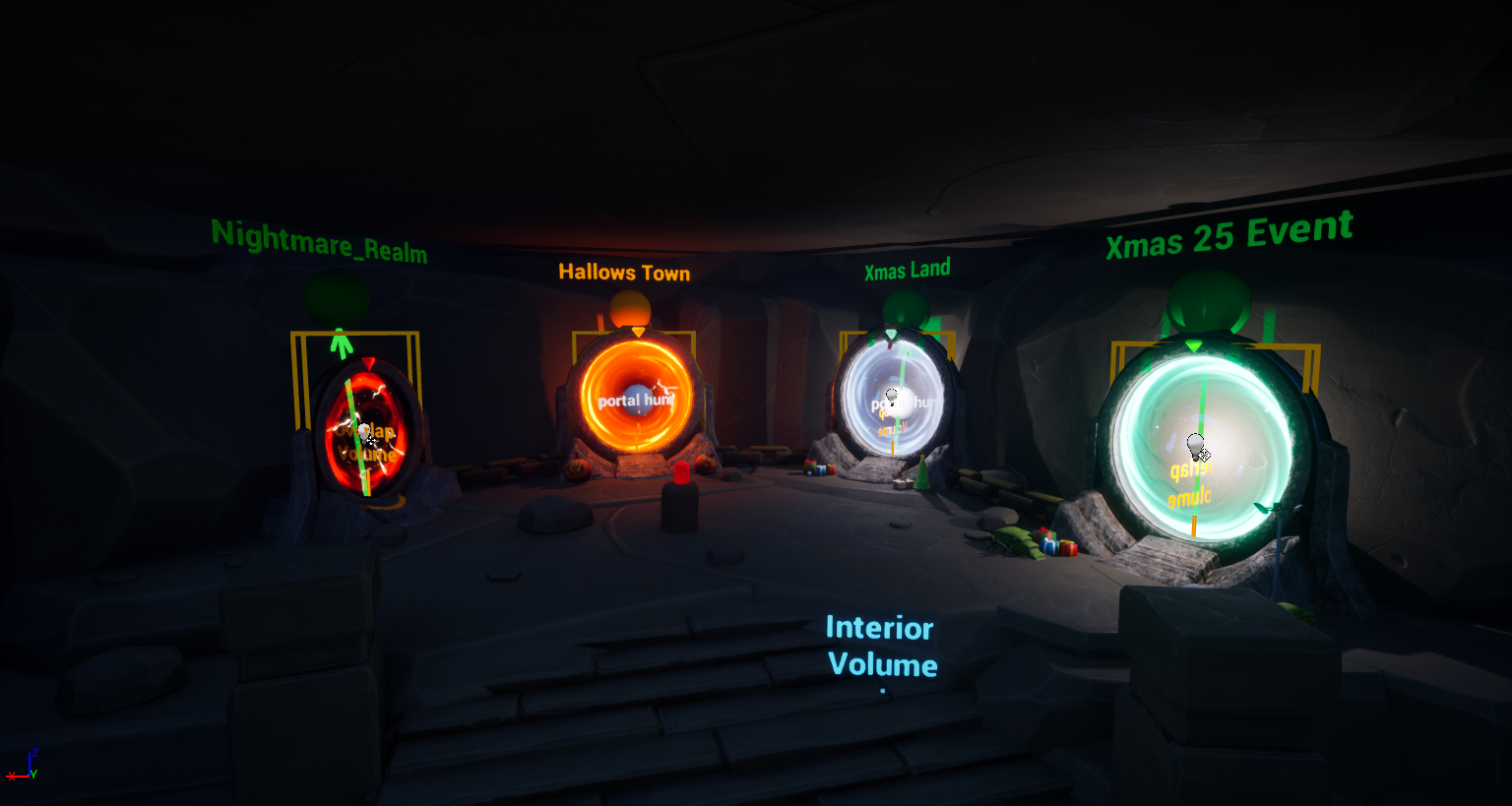
- Testing Gyms — Used dedicated spaces to test traversal, movement, mechanics, and player scale. Unreal’s text actors could also be used to document measurements, slopes, problem areas, and other design notes directly in the environment.
- Dev Rooms & Test Levels — Created HIDDEN development spaces for quickly testing mechanics, items, encounters, and other gameplay systems without disrupting the main levels.
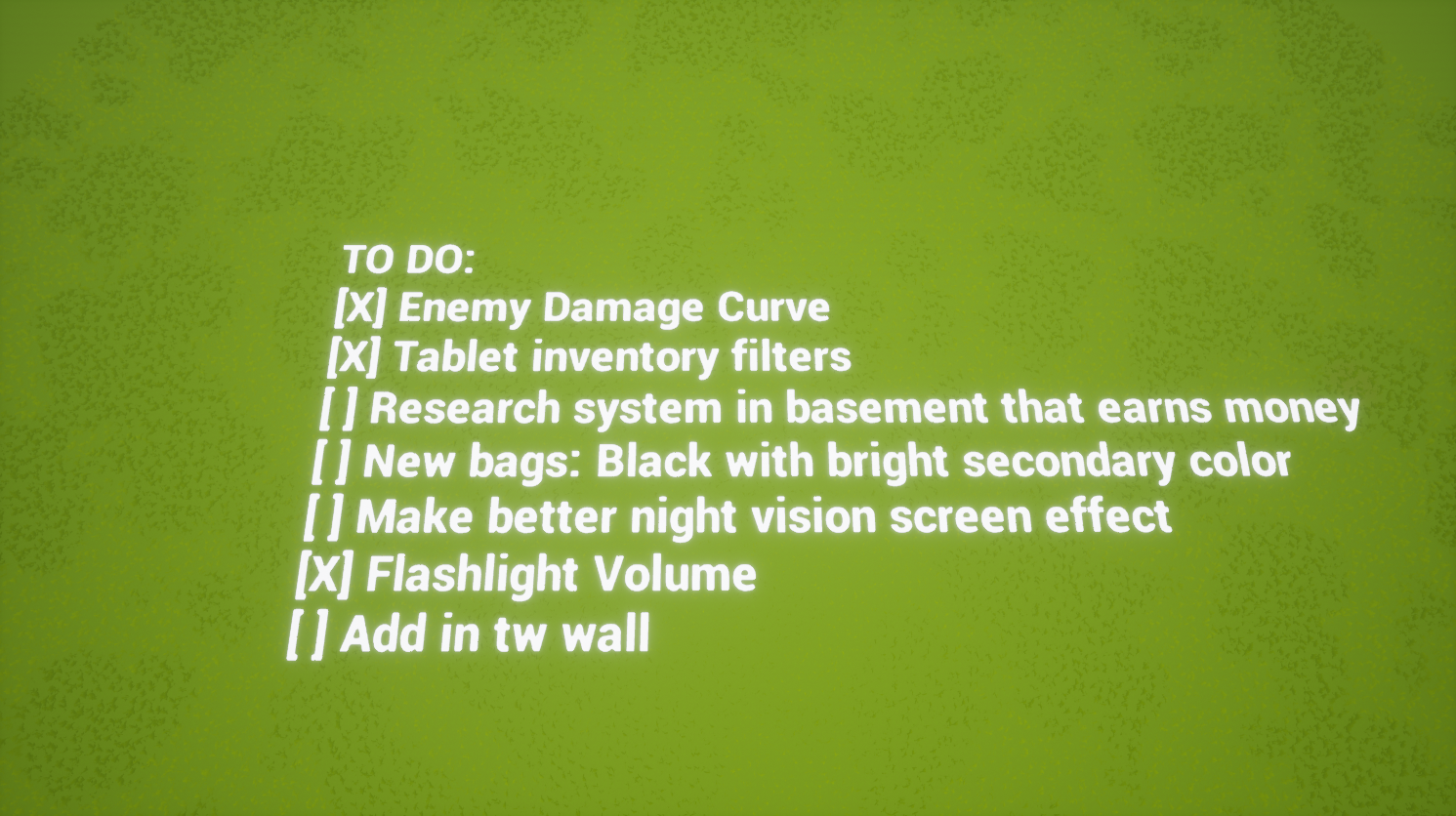
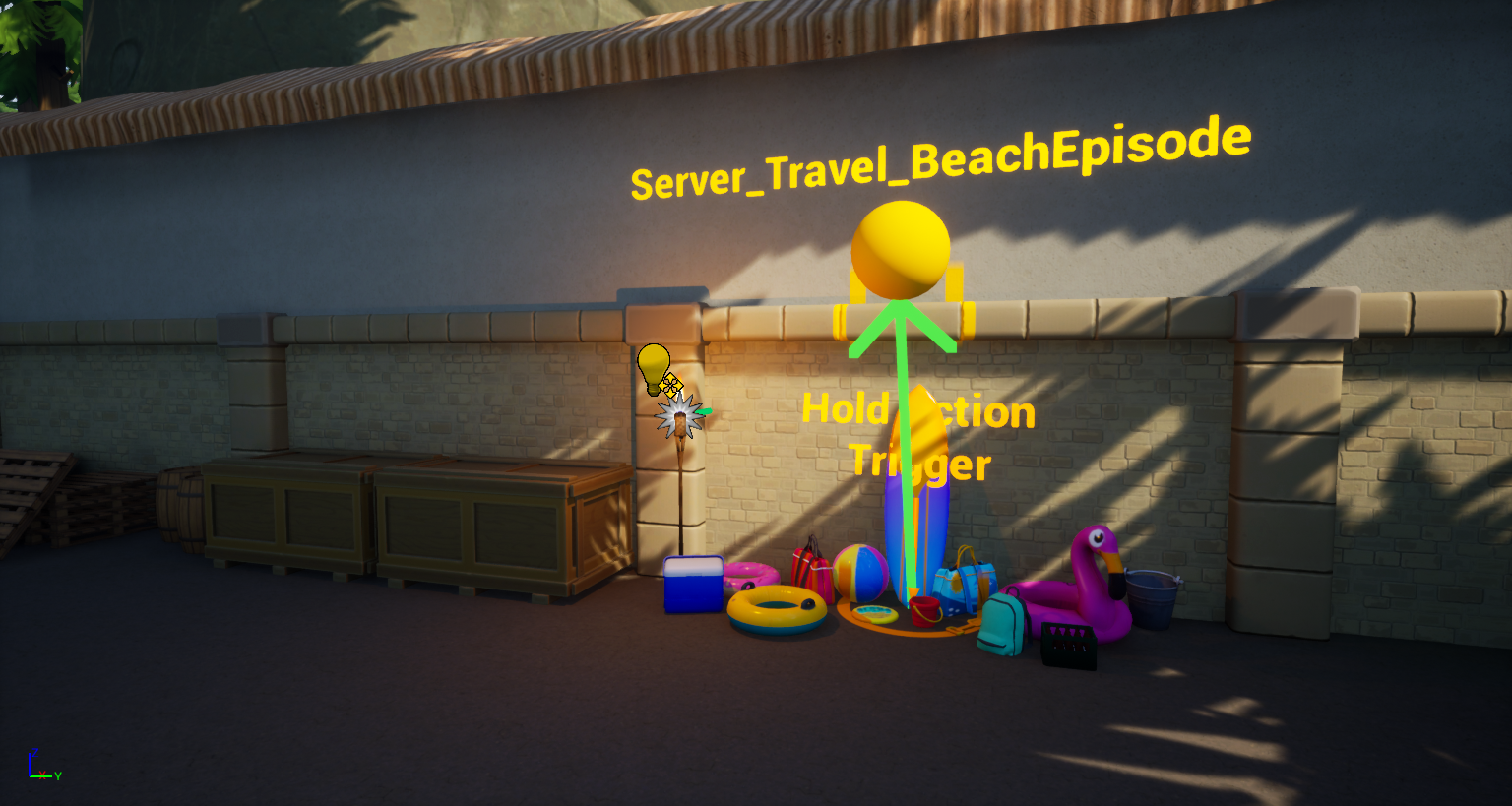
- In-Engine Documentation — Used text and visual markers within test levels to track goals, milestones, and issues, giving both developers an easy reference during production.
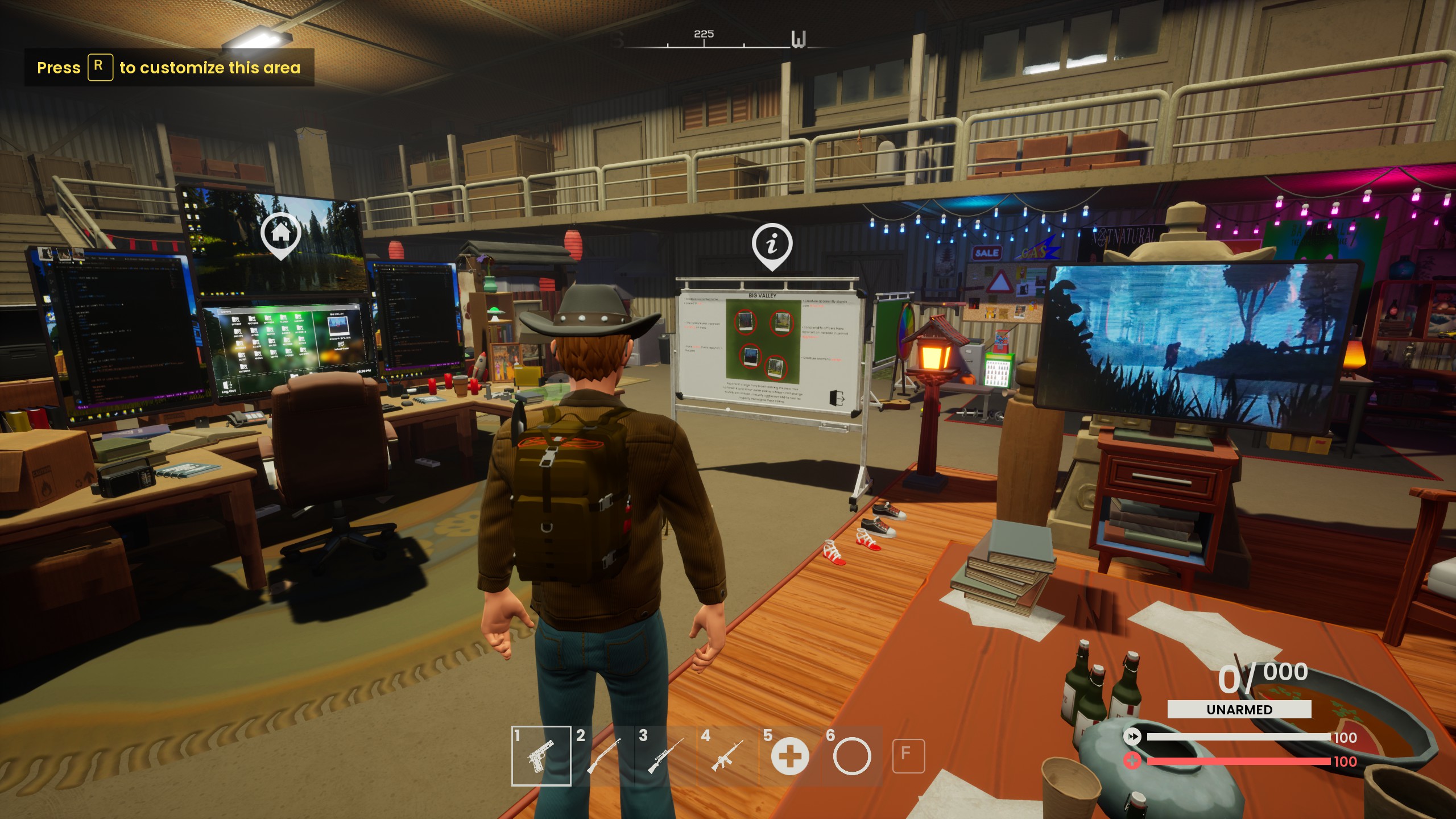
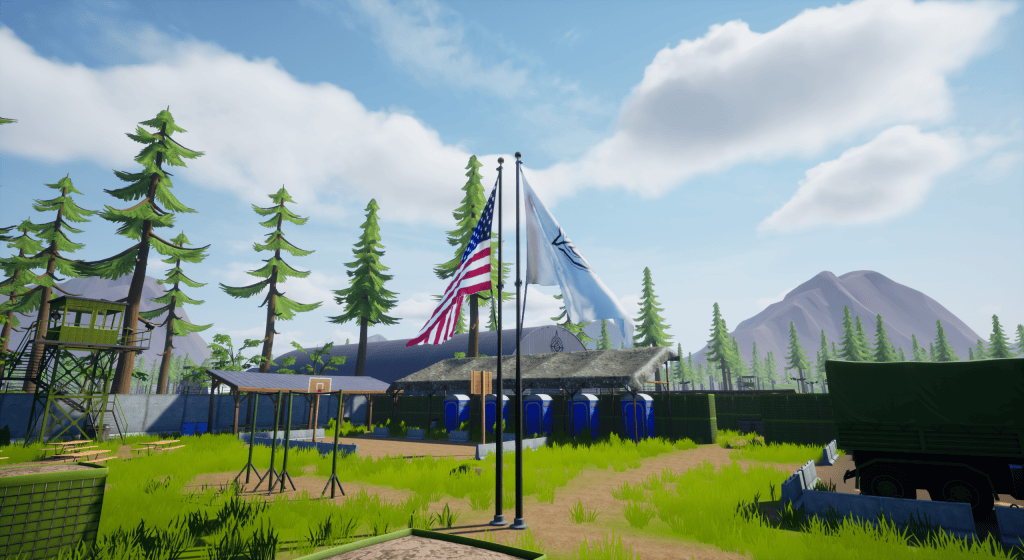
This wasn’t a replacement for formal design documentation, but rather an additional layer of communication that made testing and iteration faster while helping us catch problems before they became expensive to fix. I was even able to repurpose many of the structures from the original Gym into the game’s introductory Training Base, turning a development tool into a functional player-facing environment. After making the assets look pretty of course!
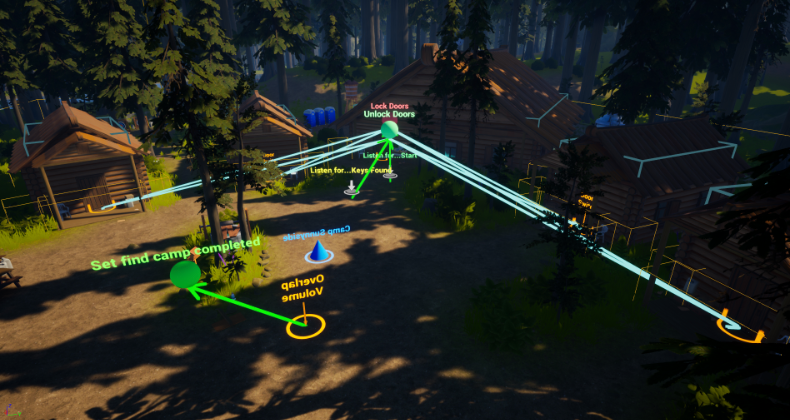
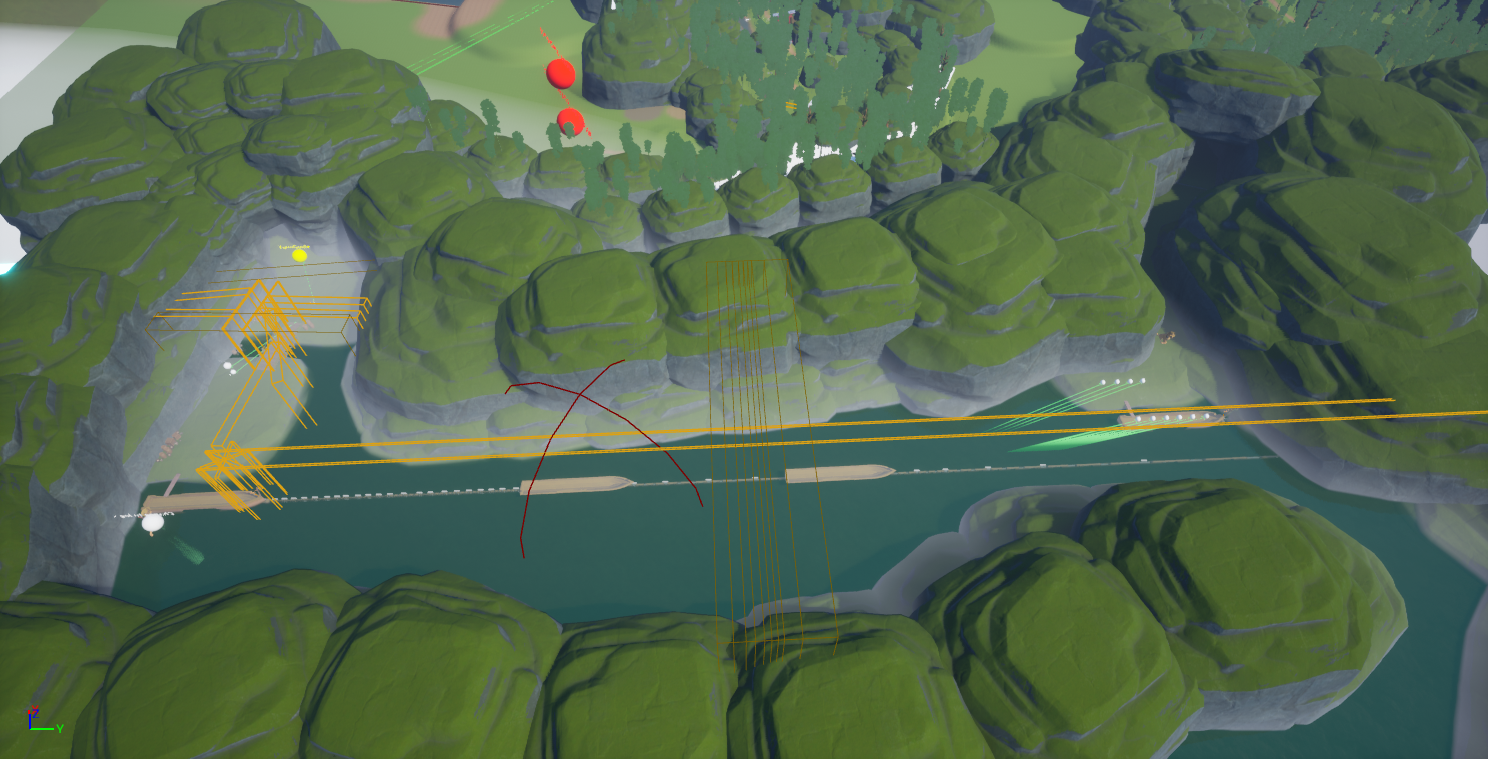
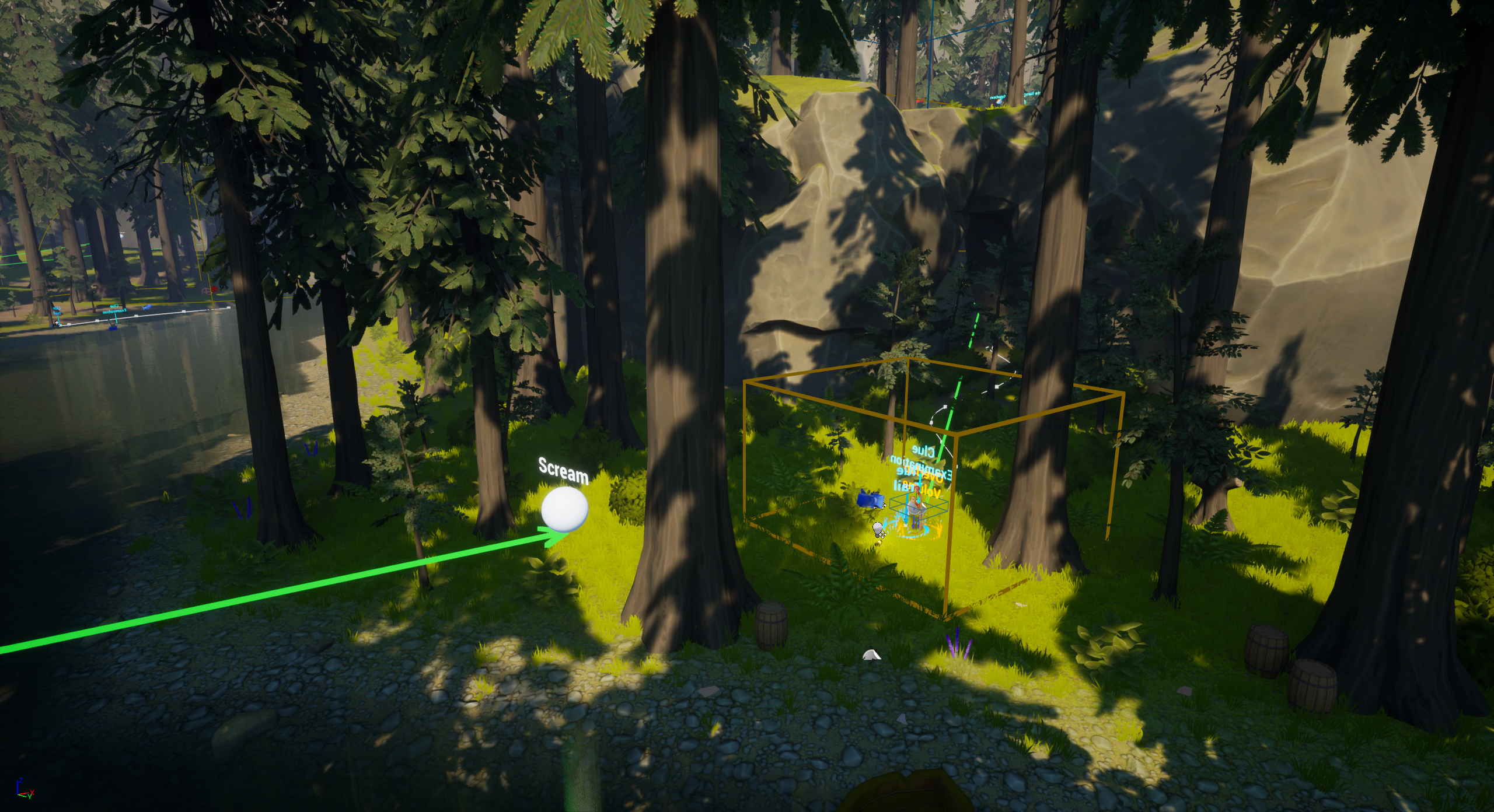
Mechanics-Driven Design
I am a big believer in Mechanics-Driven Design (MDD). I believe the mechanics of a game should always help drive the map creation process. Whether it’s a fast-paced action shooter or a cozy farming sim, the mechanics should guide how the map is designed.
But just as importantly, the map should always strive to feel fun first or serve a purpose. Every space should contribute something to the player’s experience, whether that’s gameplay, exploration, atmosphere, or narrative. Otherwise, why is it there?
This design philosophy ensures that each map has a clear purpose, fits naturally within the game it’s being created for, and ultimately supports the experience rather than simply filling space.
Pathfinding for multiple NPC types
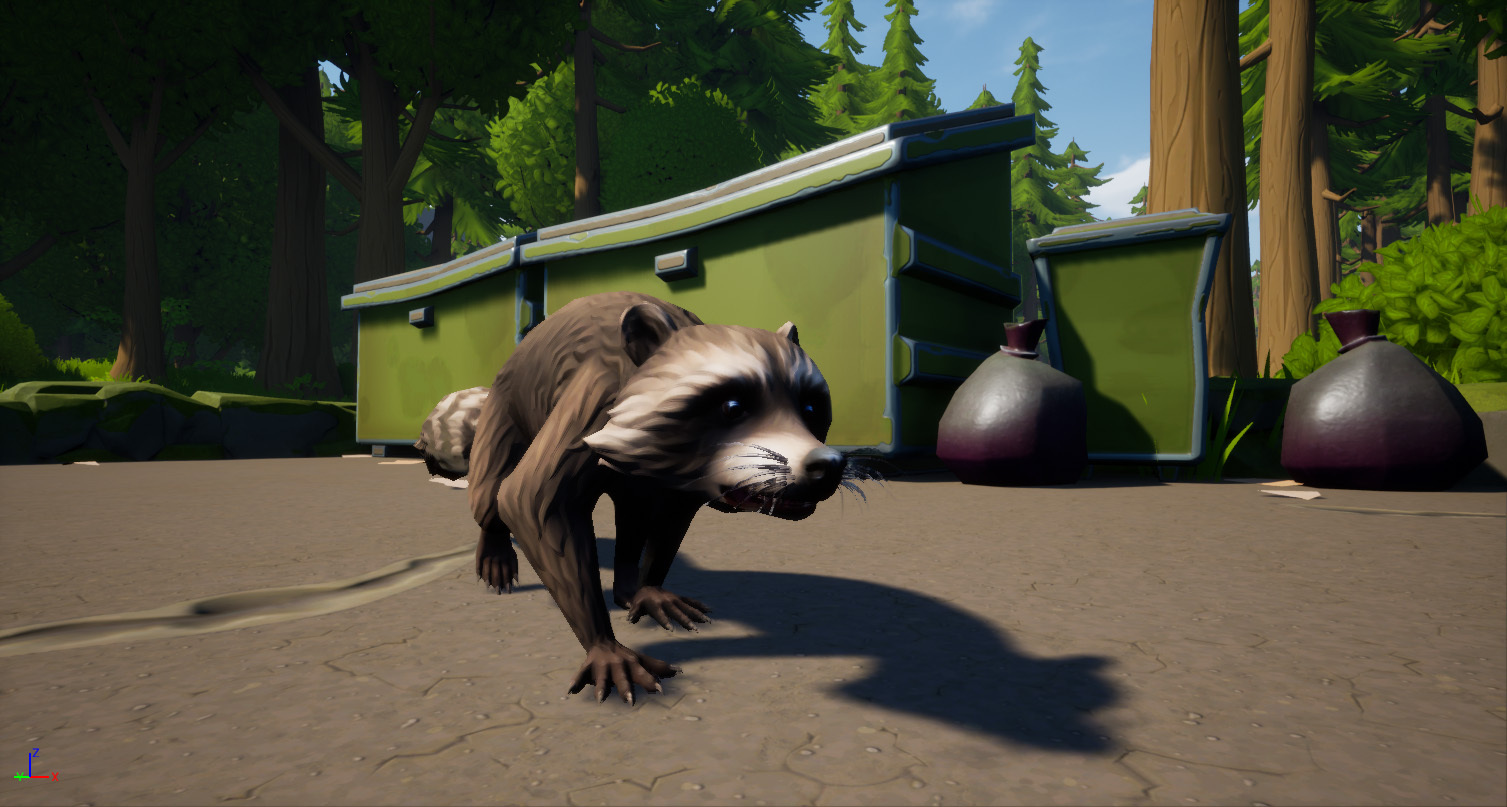
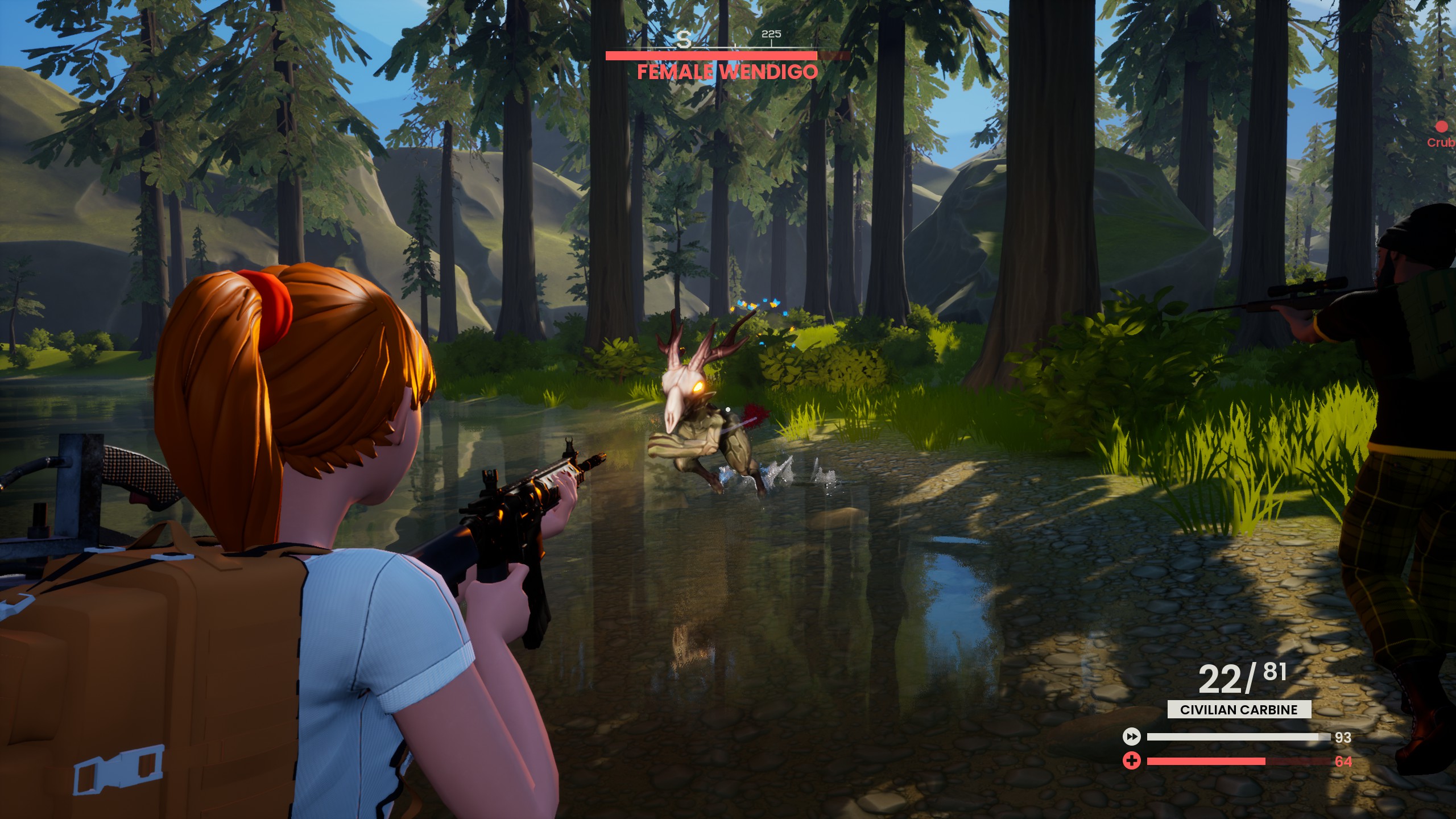
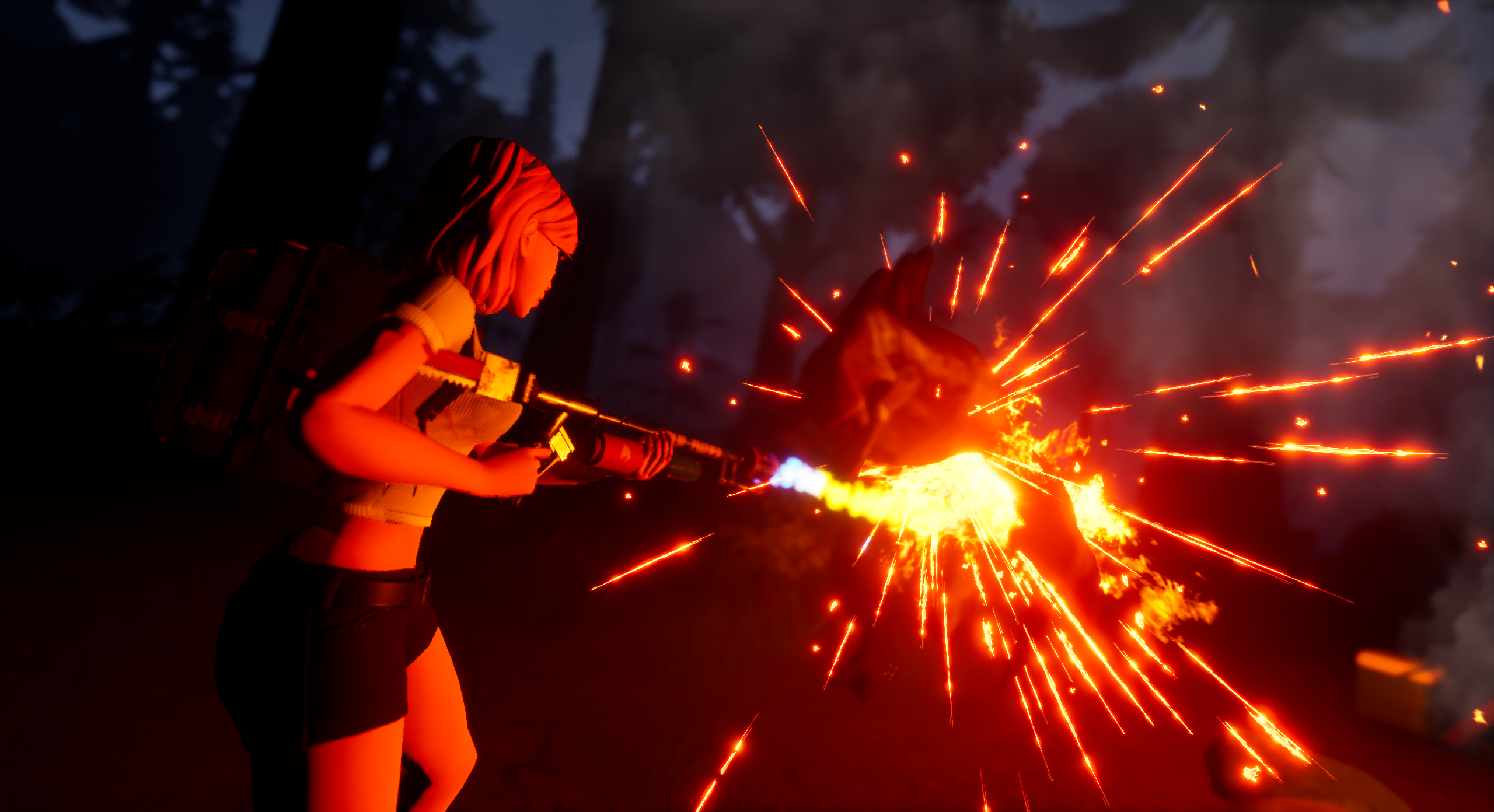
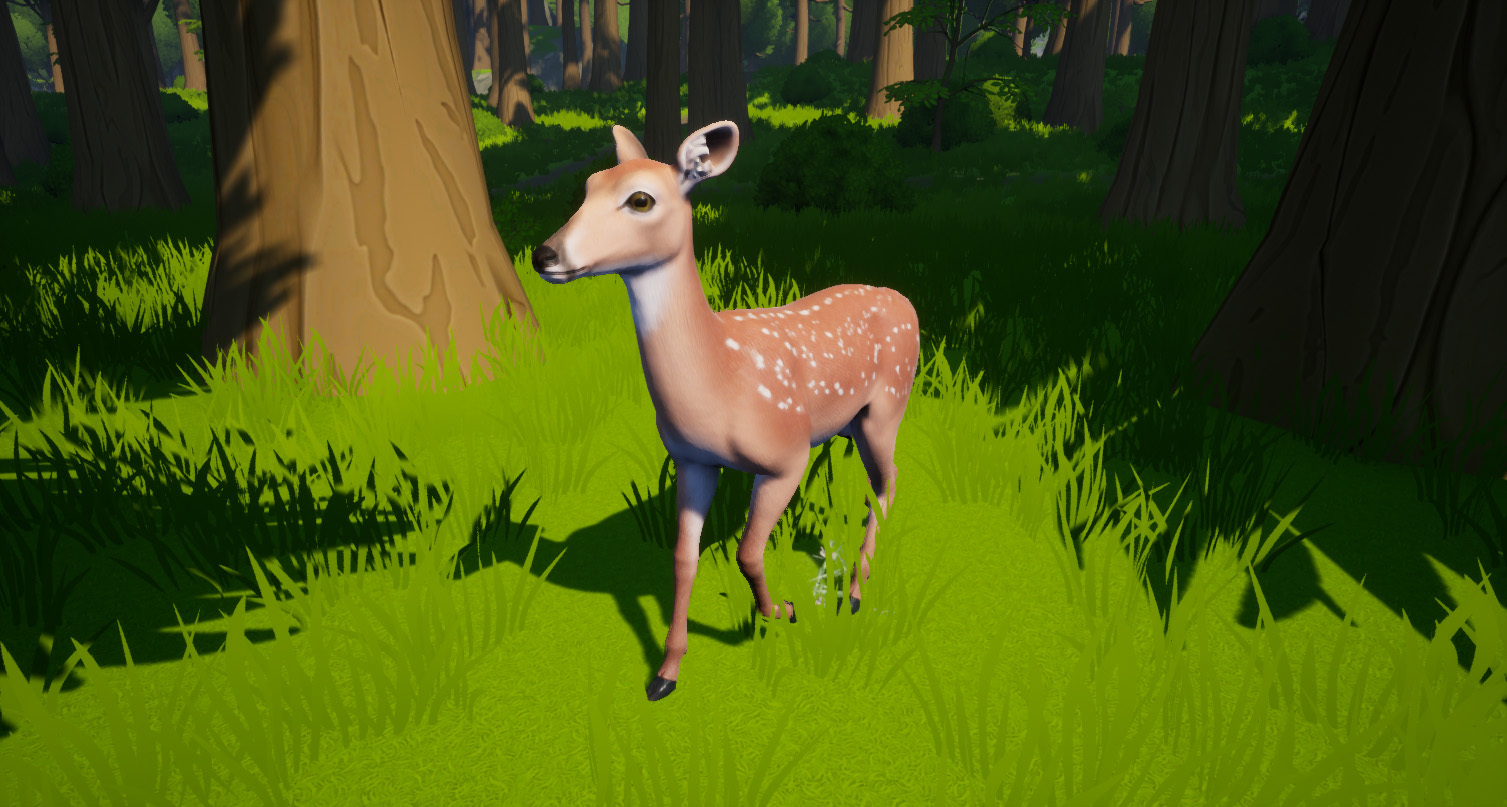
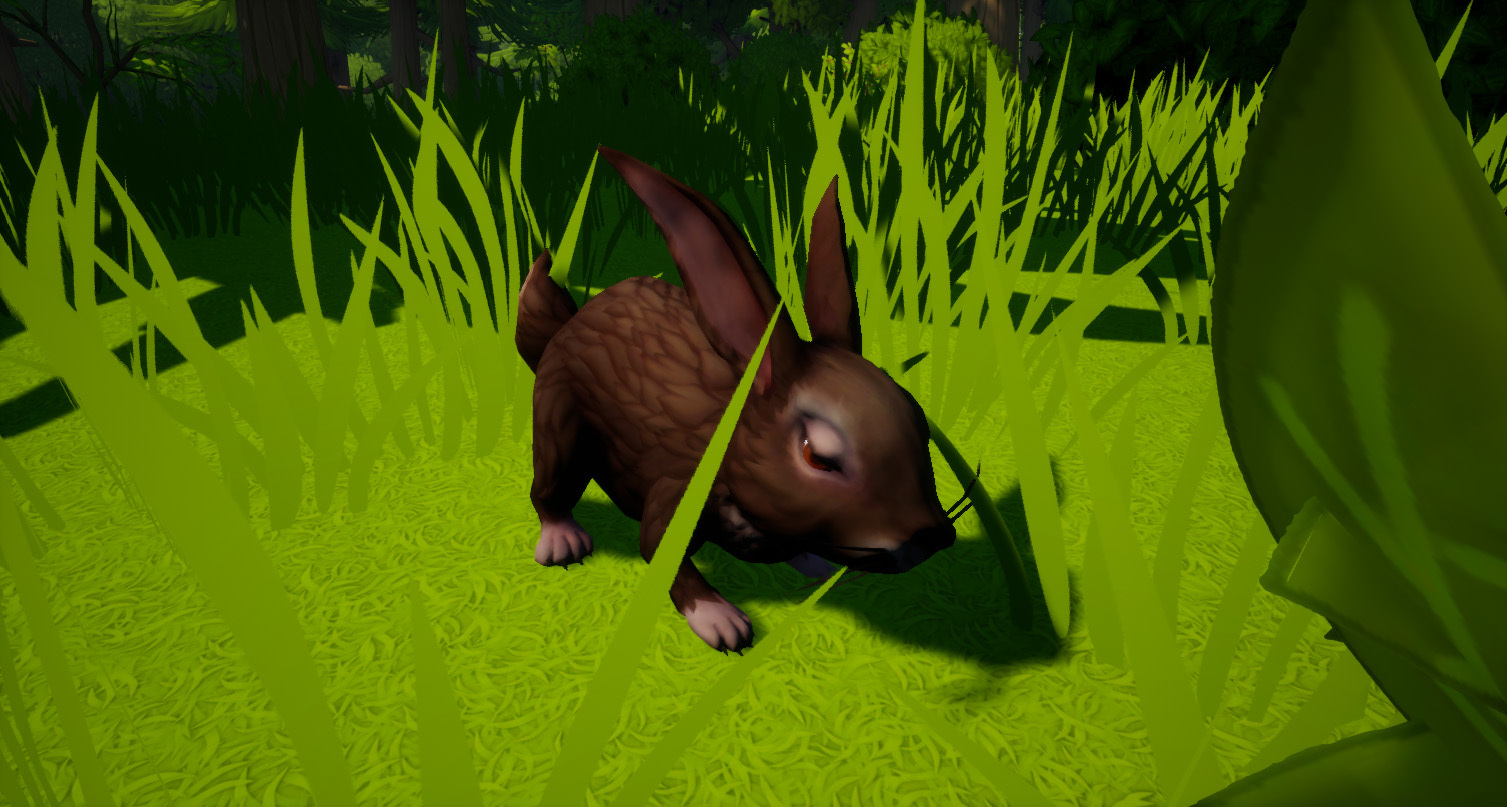
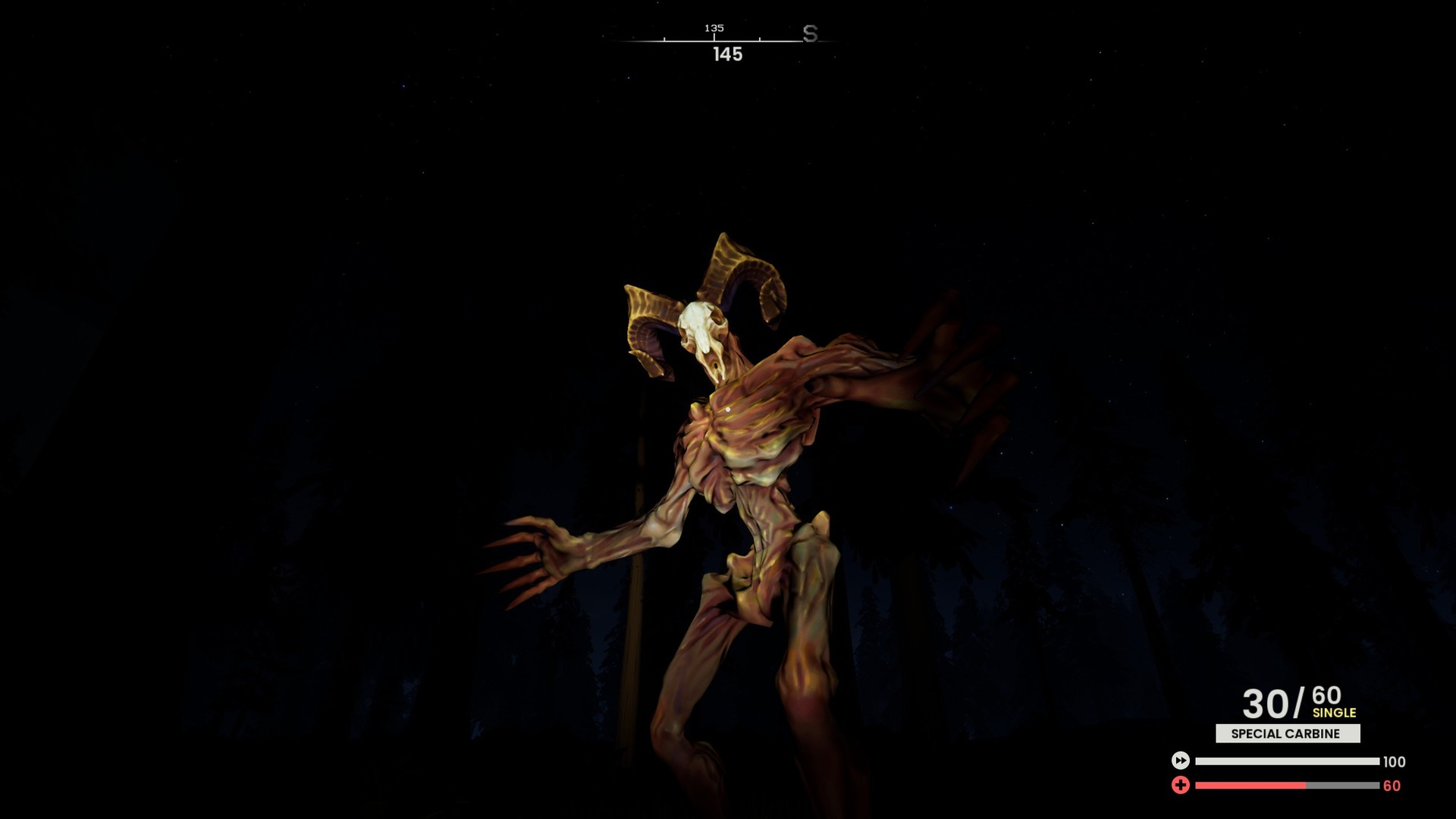
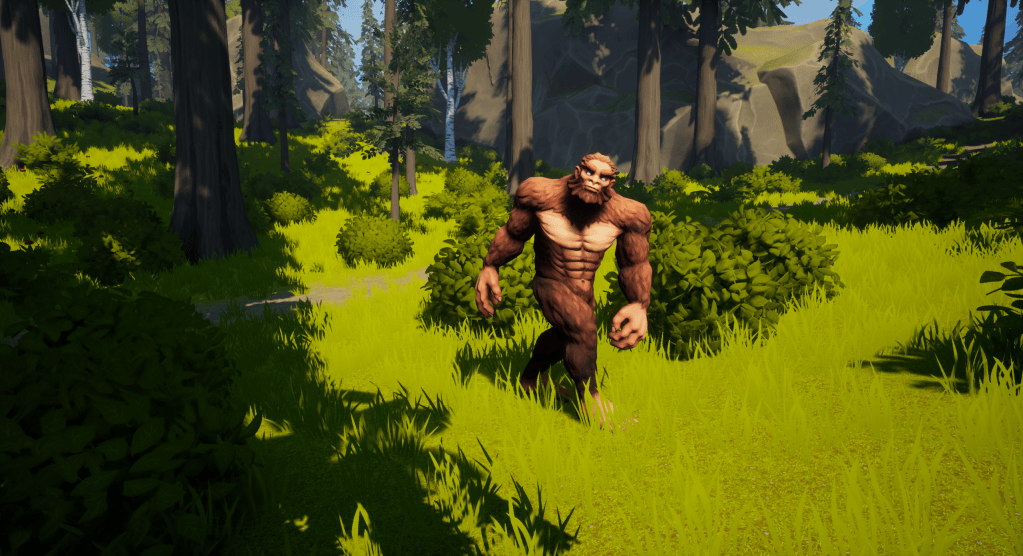
A DAY OUT featured a wide range of NPCs, from small wildlife to massive cryptids, which meant each environment needed to support very different sizes, movement patterns, and traversal requirements. Open fields, forests, and enclosed bunkers all had to accommodate everything from small raccoons to large creatures like the Wendigo.
Early planning and iteration were critical to solving these challenges before they became expensive to fix.
- Nav Mesh Planning — Carefully planned Nav Meshes to support different NPC types and movement requirements.
- Shared Spaces — Ensured environments could accommodate everything from small wildlife to massive cryptids.
- Living Environments — Designed spaces to support wildlife and NPC activity, helping the world feel more dynamic and lived-in.
Encounters & Loot
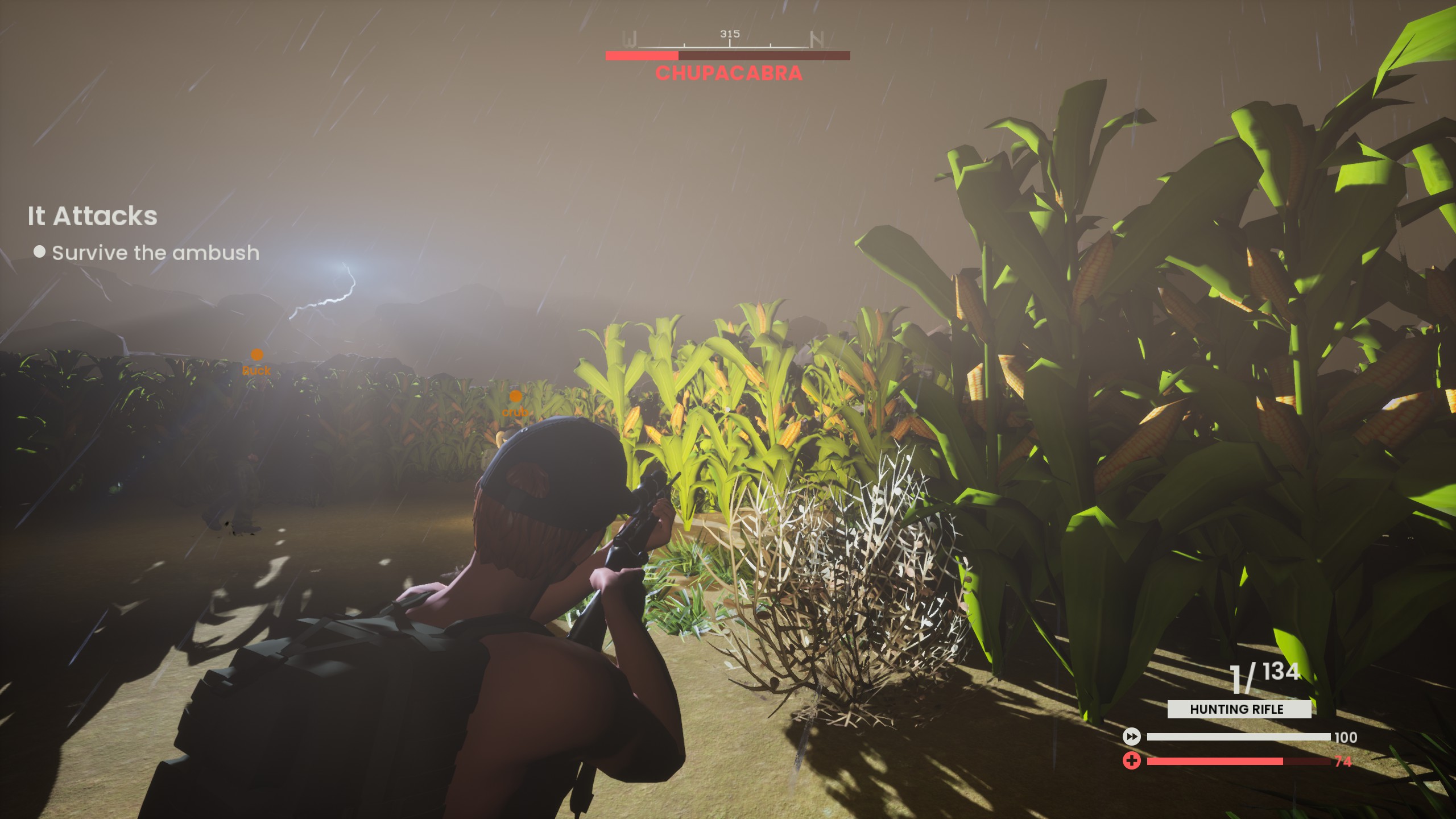
Encounter and loot placement were core parts of designing A DAY OUT’s levels. I constantly evaluated questions like “Is there too much health?”, “Is this encounter happening at the right time?”, and “Does this monster belong in this space?” Early planning helped me solve these problems before they became expensive to change, while ensuring encounters supported the Case’s narrative.
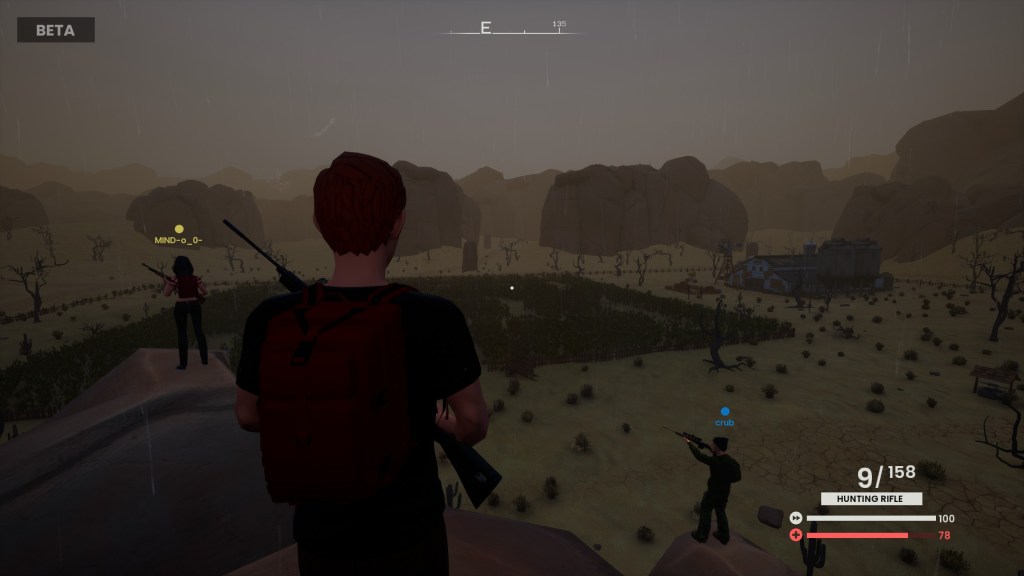
Designing for 1–4 players added another layer of complexity. Levels needed to remain engaging for solo players while also supporting groups working together. Our Dynamic Scaling System adjusted encounters based on the number of players, while investigation sites, locked doors, gates, and tools like bolt cutters helped control pacing and naturally guide players through the level without making the experience feel overly linear.
- Encounter Pacing — Carefully considered where and when enemies appeared, balancing difficulty, progression, and fun.
- Loot Placement — Used lighting, consistent container placement, and environmental positioning to naturally guide players toward resources.
- Narrative Integration — Ensured encounters and loot supported the Case’s story and reinforced the world.
- Playtesting & Iteration — Continuously tested encounters and placement in-game, refining them based on how they actually played rather than relying solely on my initial designs.
Ultimately, playtesting determines what stays. If something isn’t fun, I iterate—allowing the level to evolve alongside the game’s needs while keeping production moving forward.
Level Scripting
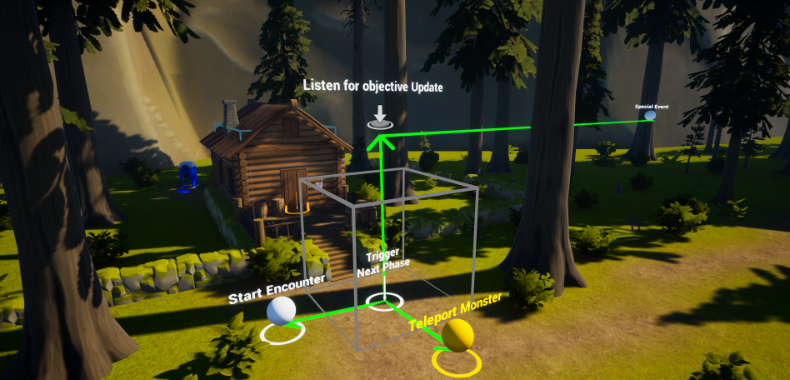
A DAY OUT required a significant amount of level scripting that simply wasn’t feasible for a two-person team with only one dedicated programmer. To solve this, I worked closely with the programmer to develop a simple but powerful Level Scripting System that allowed me to independently build and iterate on level logic.
Combined with Unreal Engine’s Level Sequencer, this system allowed me to create:
- Level Logic — Built and implemented gameplay logic directly within the levels.
- Cinematic Events — Created scripted sequences and in-game cutscenes.
- Special Encounters & Easter Eggs — Designed and implemented unique interactions and hidden events.
- FOB Events — Created scripted events within the player’s base.
- Case Logic — Used the system to build the scripted events and progression for all Cases.
- SHOW COMPLEX LEVEL SEQUENCES LIKE, A51 ELEVATOR, PMC PUZZLE, EGOOP PUZZLE,
Yap about complex systems like the elevator and other complex level sequences.
This workflow reduced the programmer’s workload while giving me the freedom to rapidly iterate on level logic and scripted events. The amount of iteration depended on each feature’s scope and production timeline, but my goal remained the same: deliver the best possible player experience within our constraints without losing sight of fun.
Environmental Story-telling
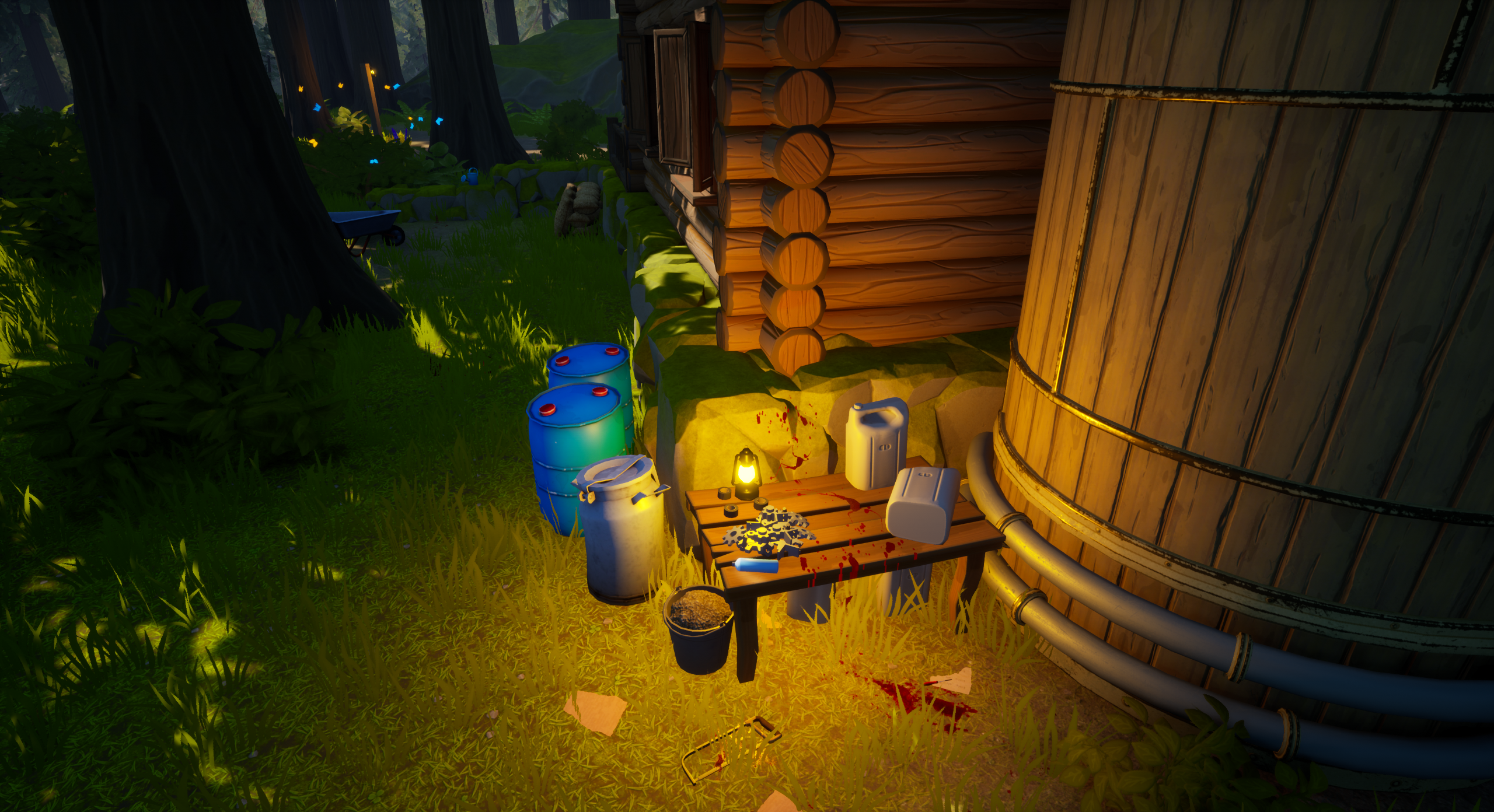
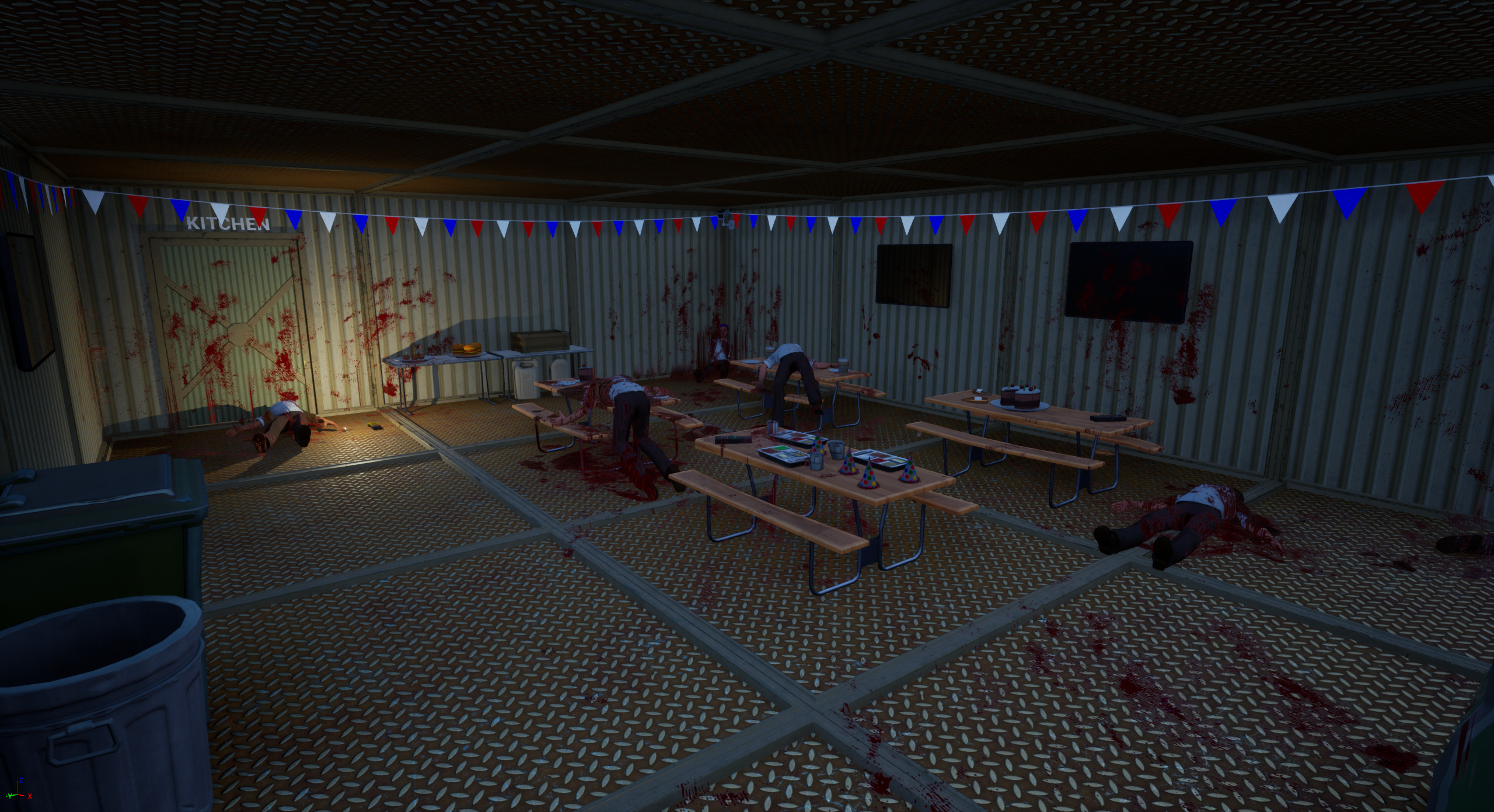
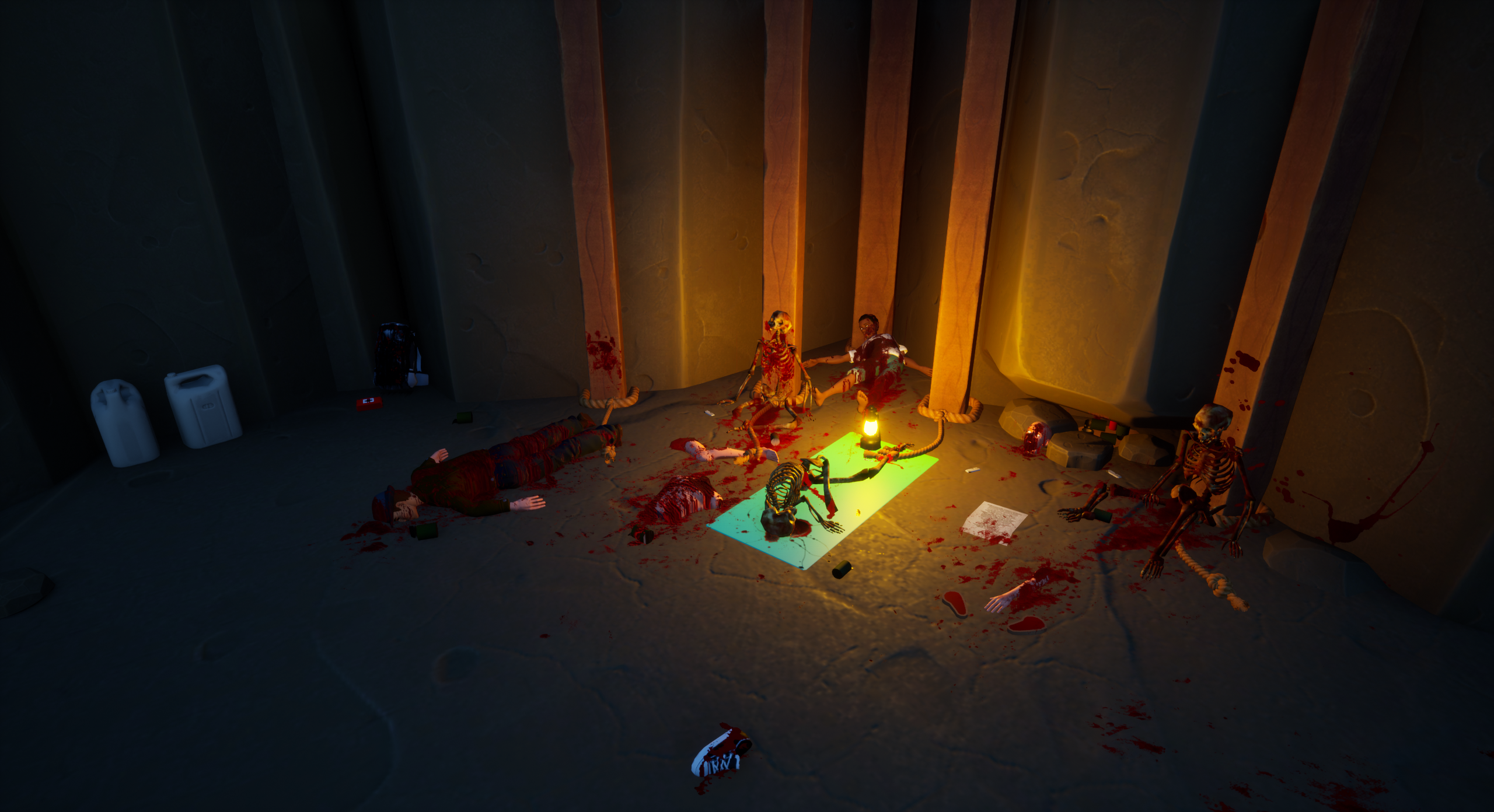
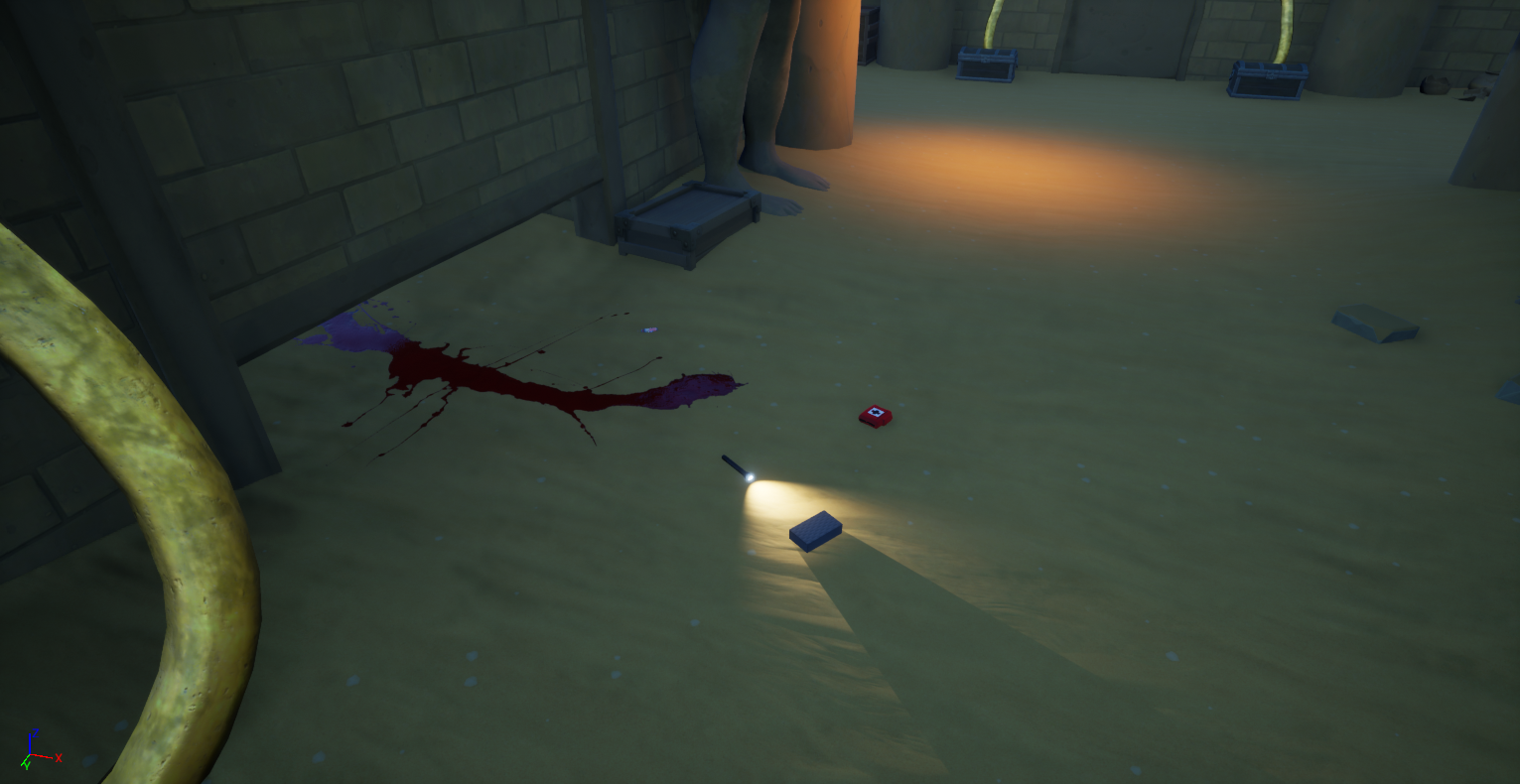
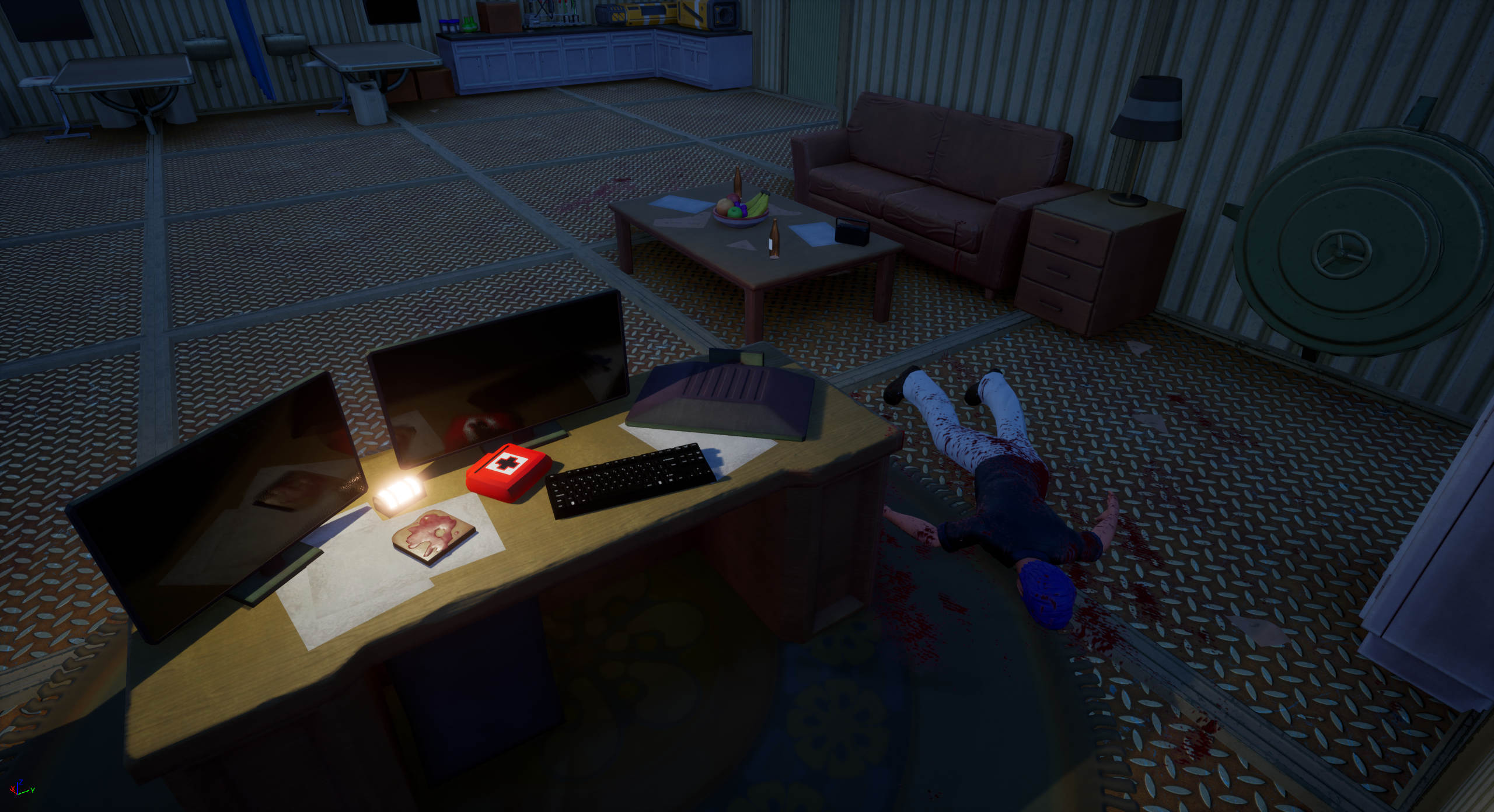
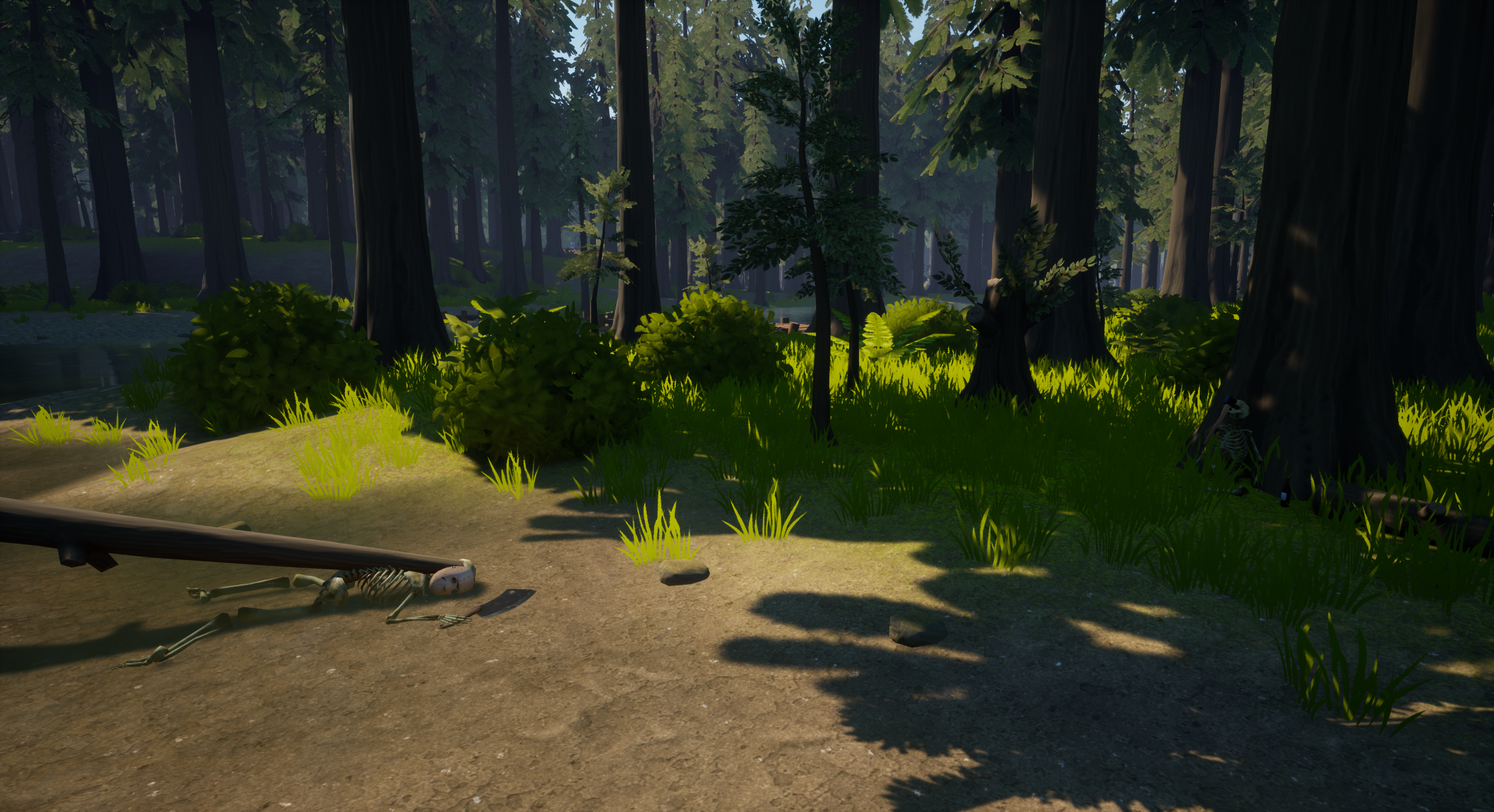
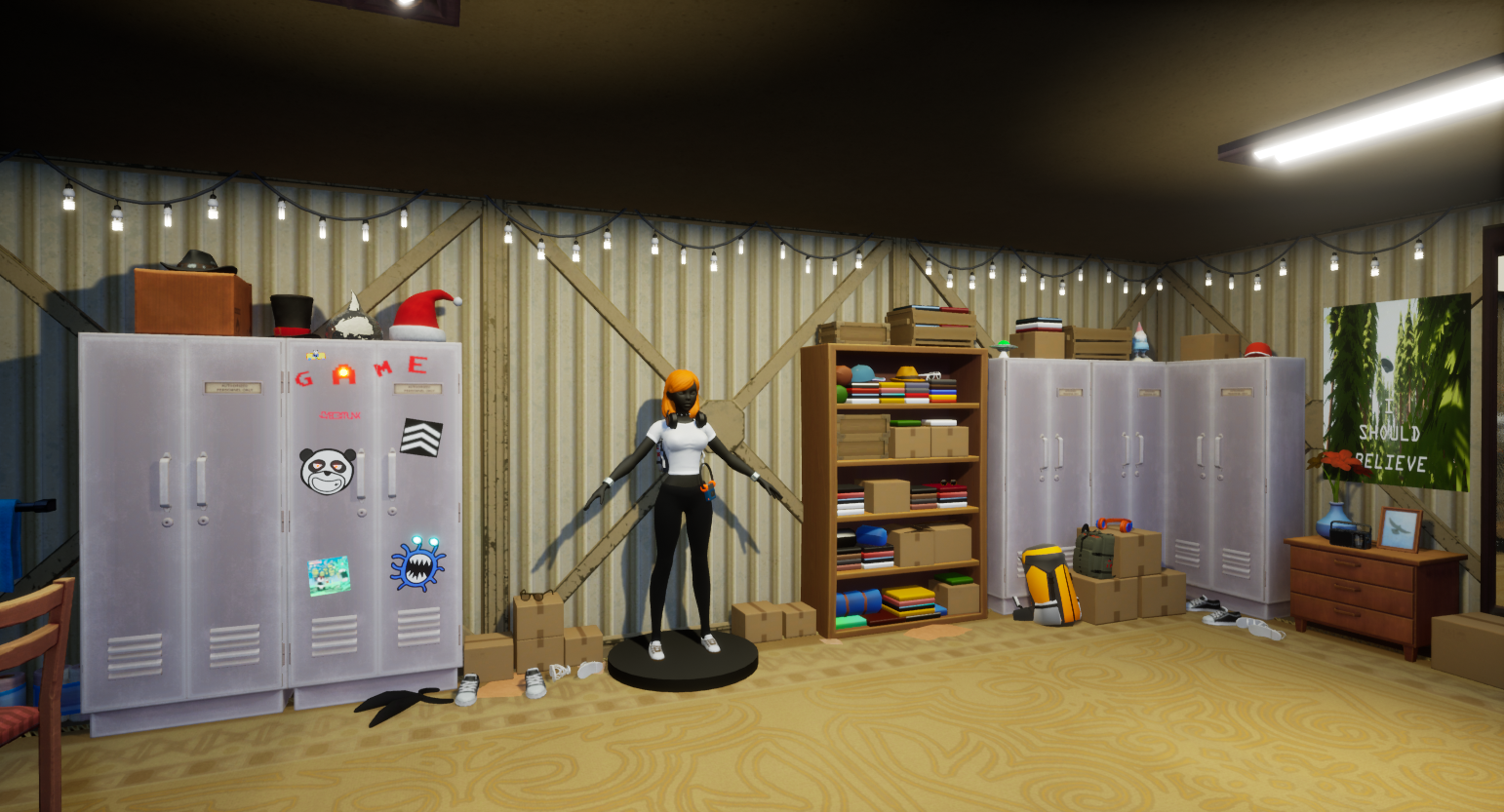
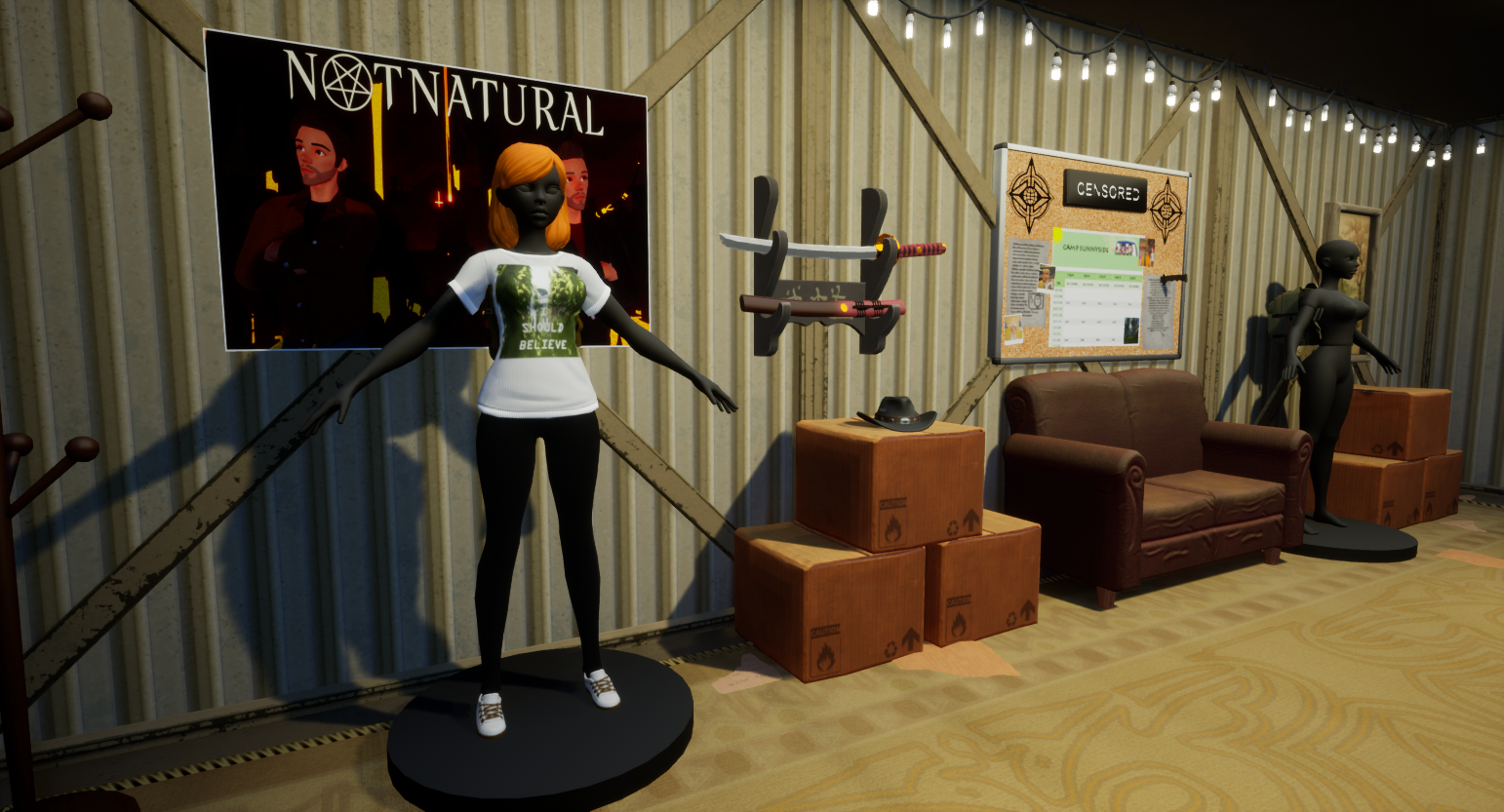
A key part of my Level Design approach is ensuring that the environment tells a story alongside the gameplay. I carefully consider each location, prop, and landmark to maintain continuity while creating opportunities for tension, atmosphere, and world-building.
I like to put myself inside the world and ask questions like: “Who was here?” “What happened?” and “Why is this here?” A supposed abandoned bunker showing signs of recent activity, for example, immediately creates questions for the player and can build tension without requiring dialogue or exposition.
When placing environmental details, I consider both gameplay and narrative purpose:
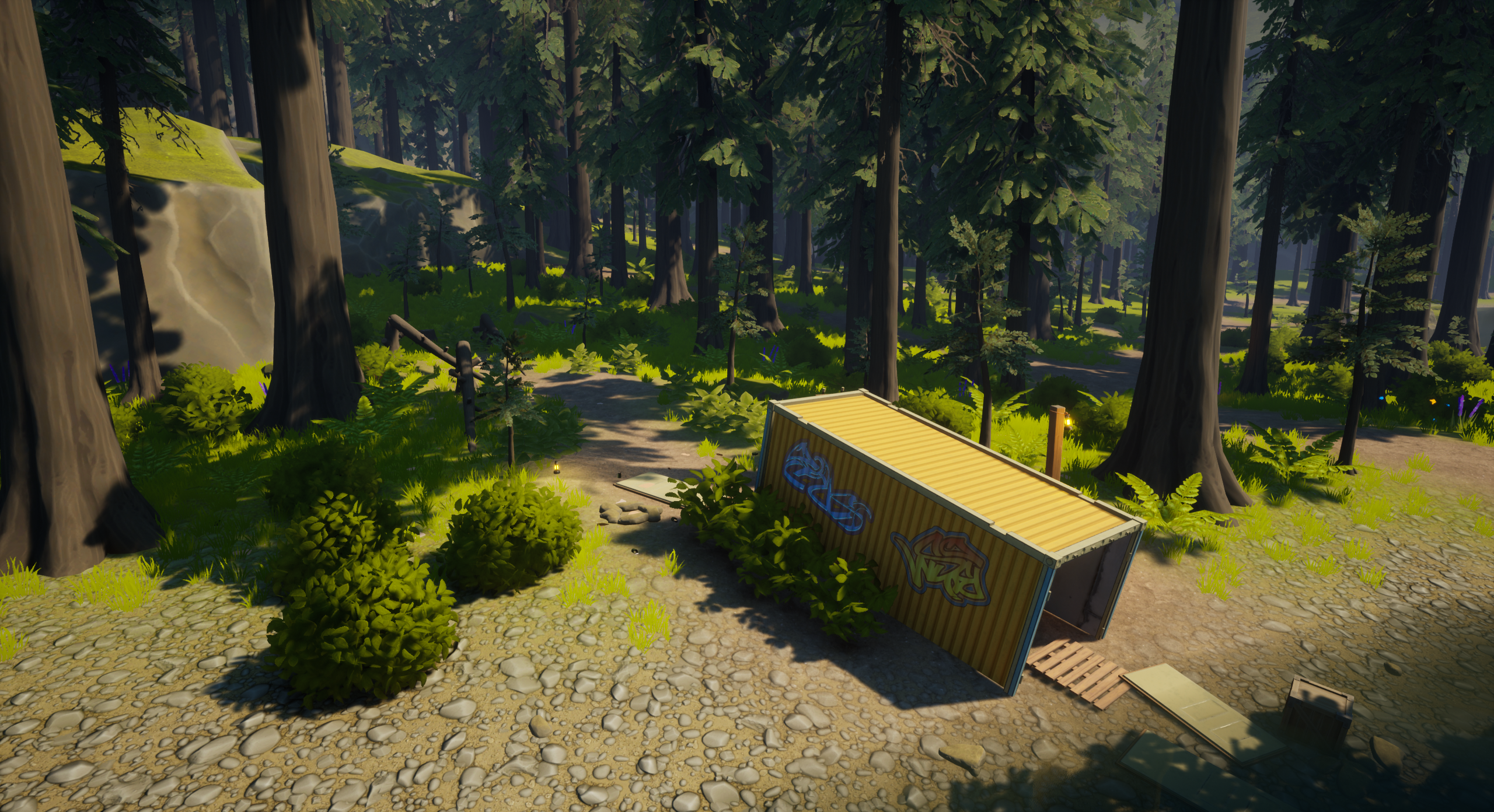
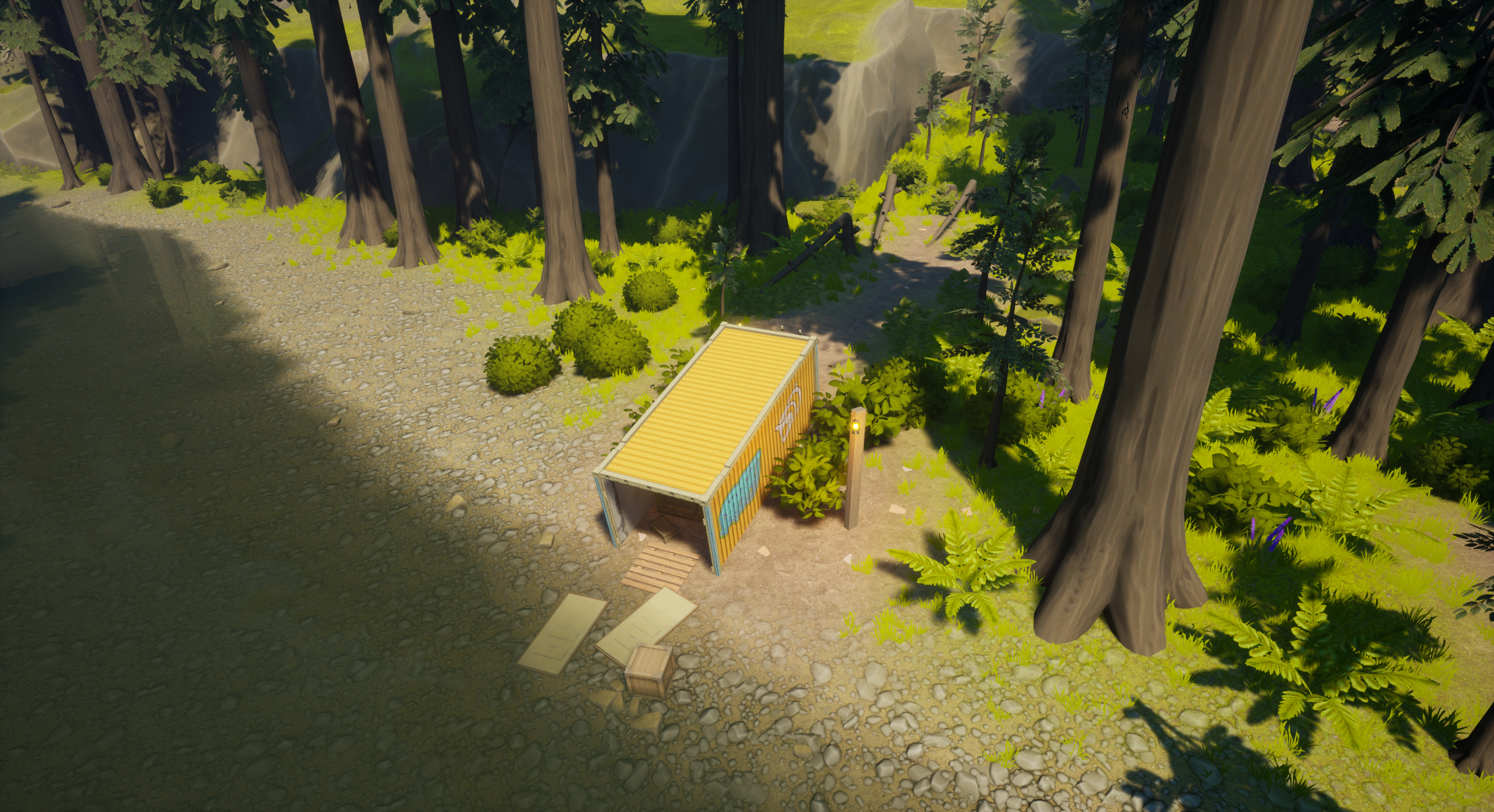
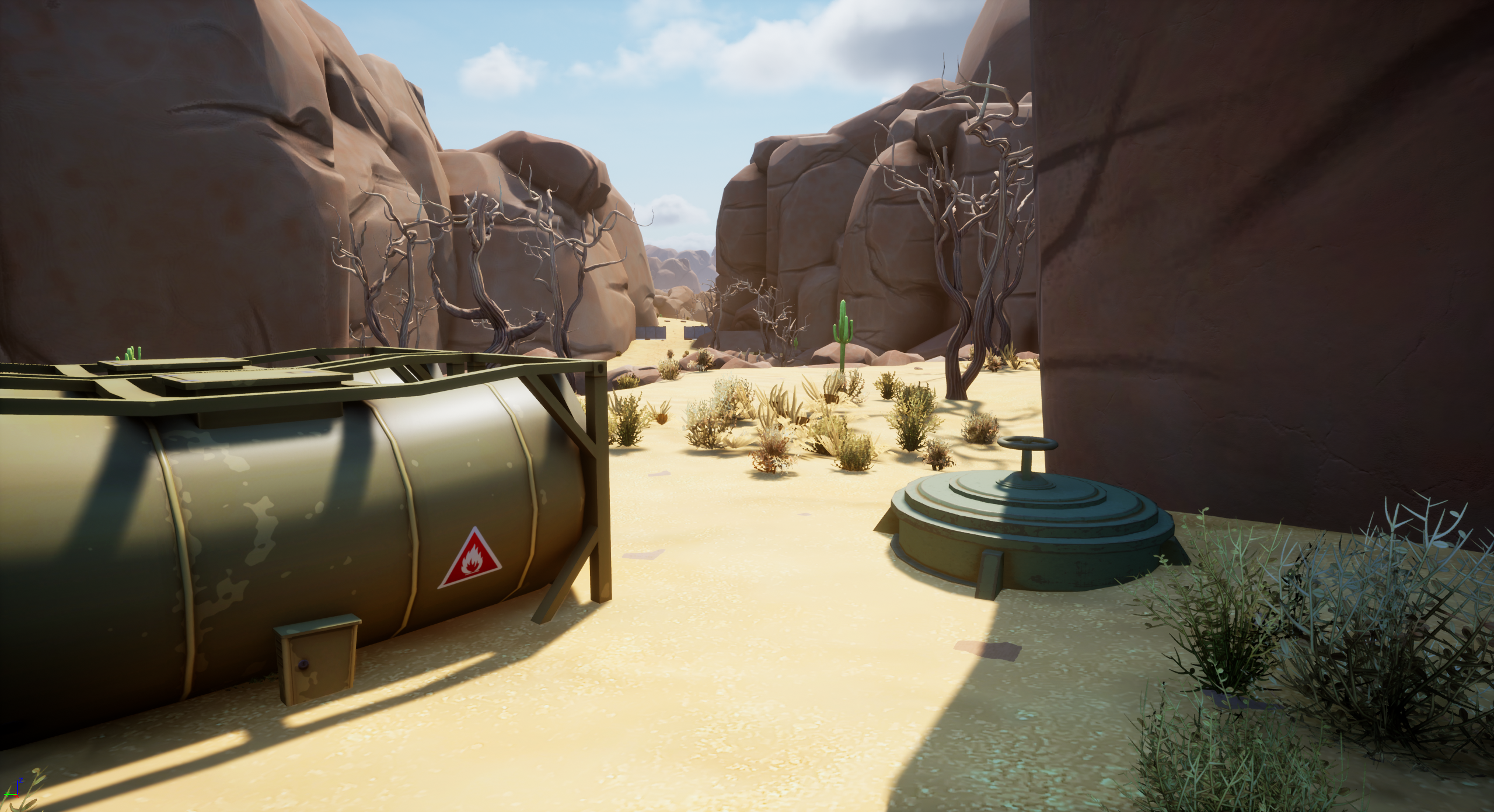
- Unique Landmarks — A crashed shipping container can tell the story of its own impact through bent trees, a disturbed dirt path, and debris scattered around the crash site.
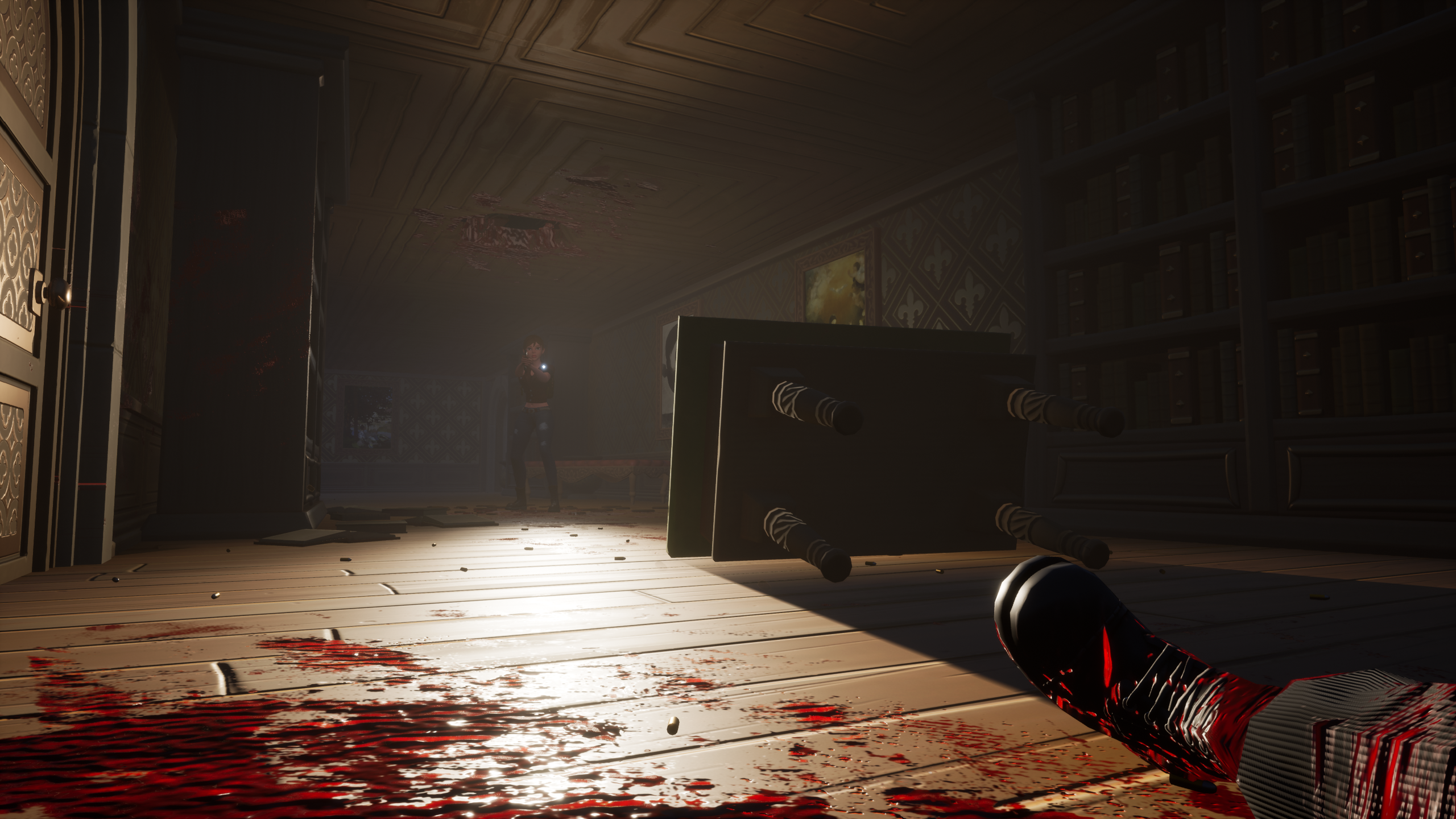
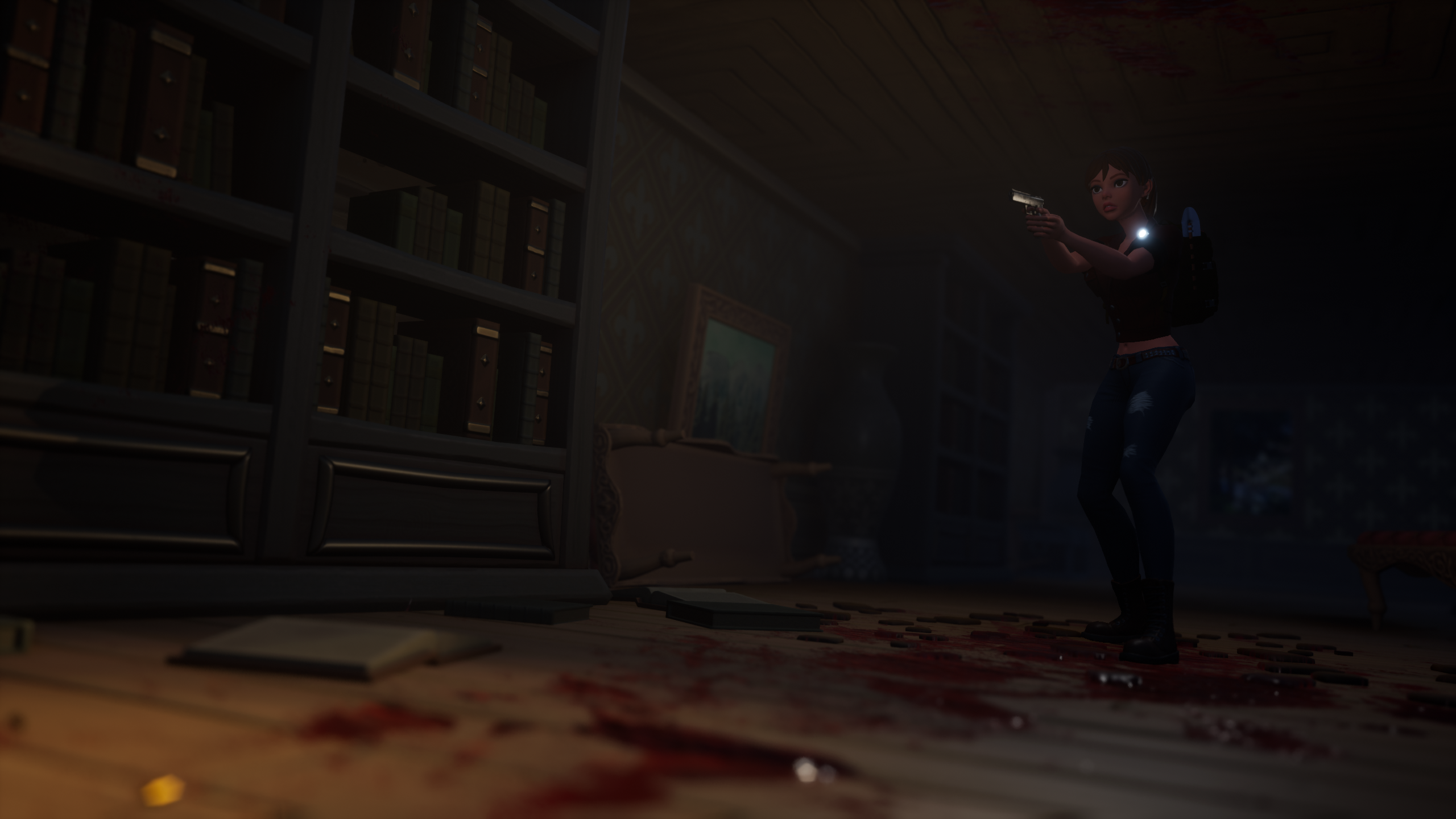
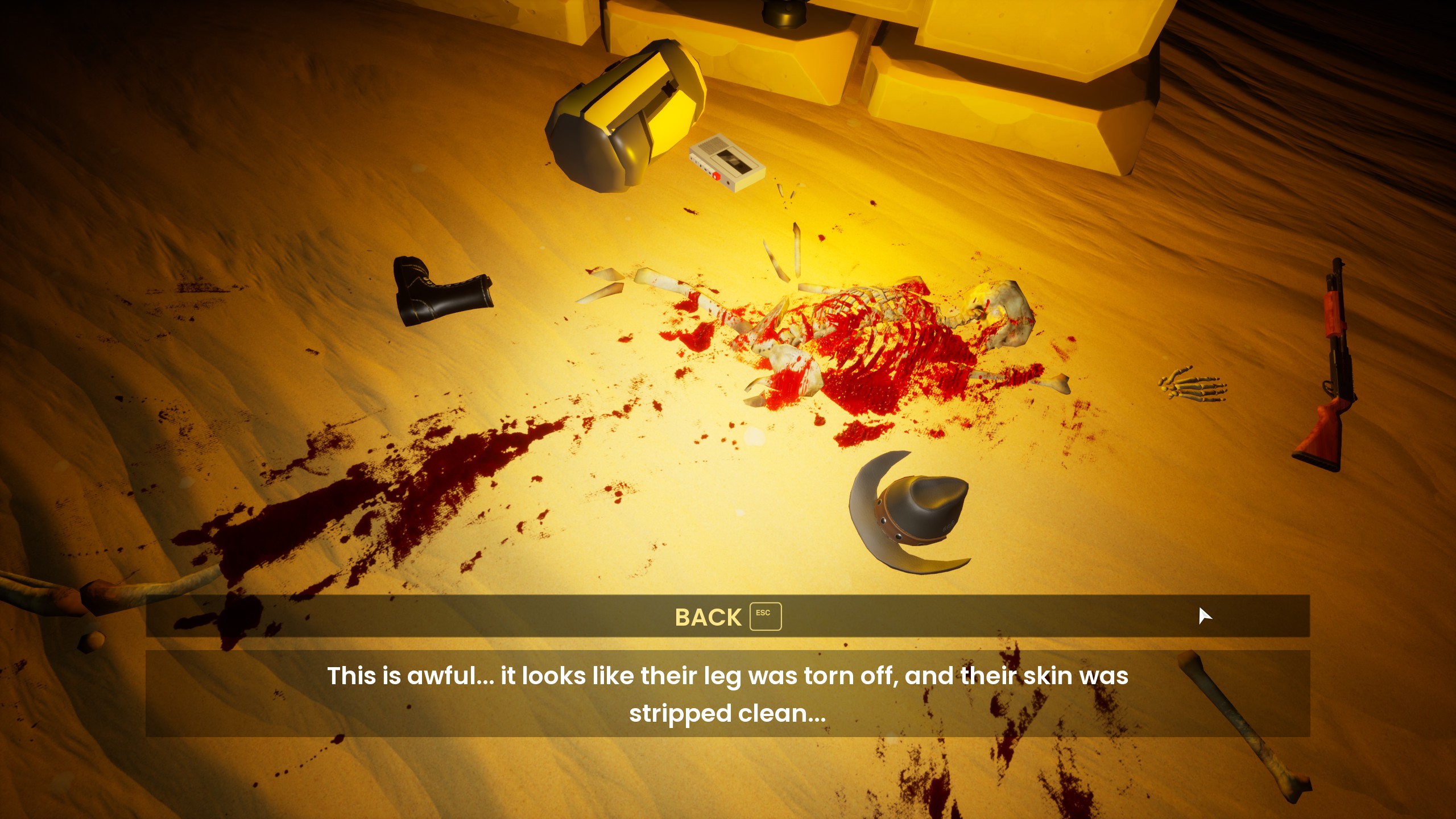
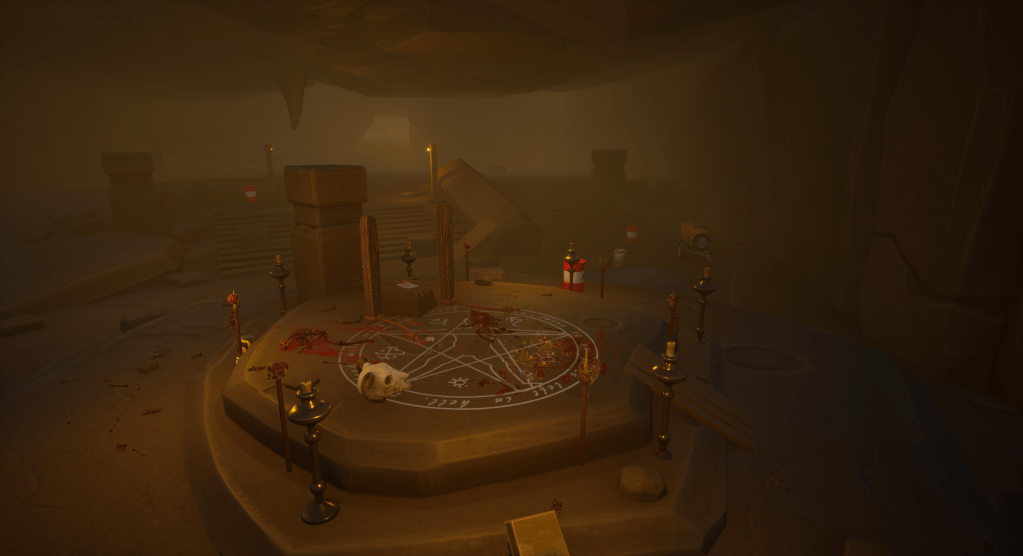
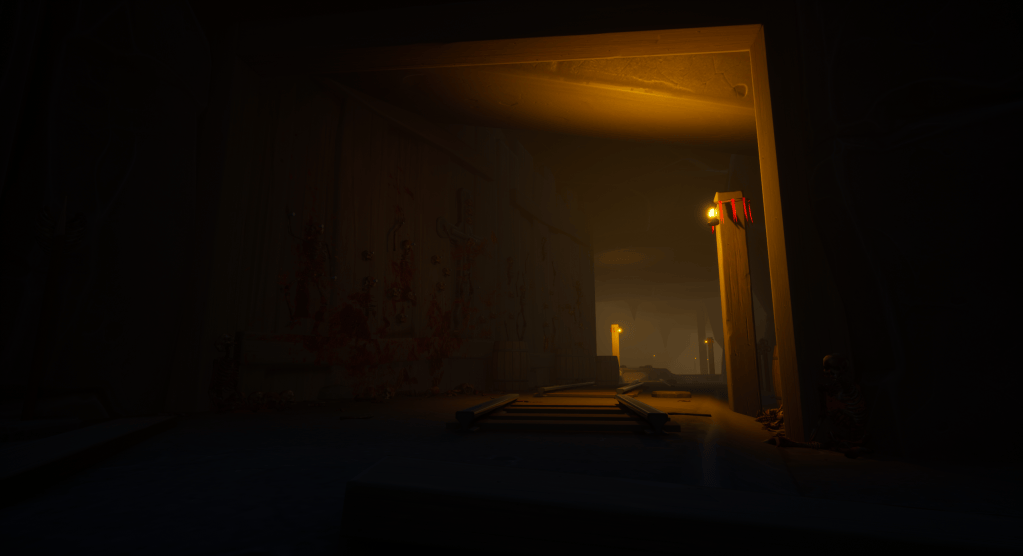
- Horror — Blood, environmental damage, and displaced objects can communicate a struggle or terrible event without explicitly showing the player what happened.
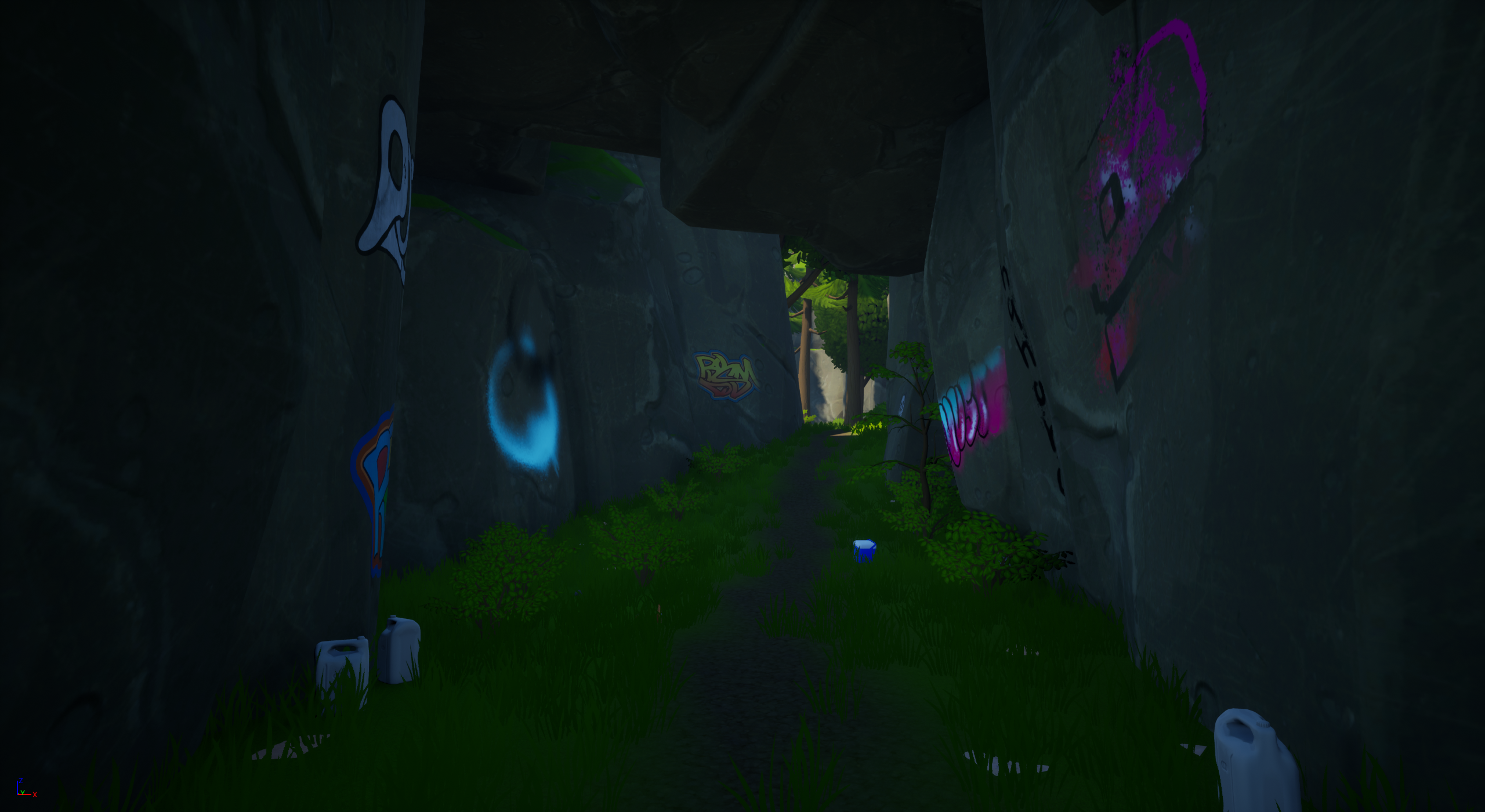
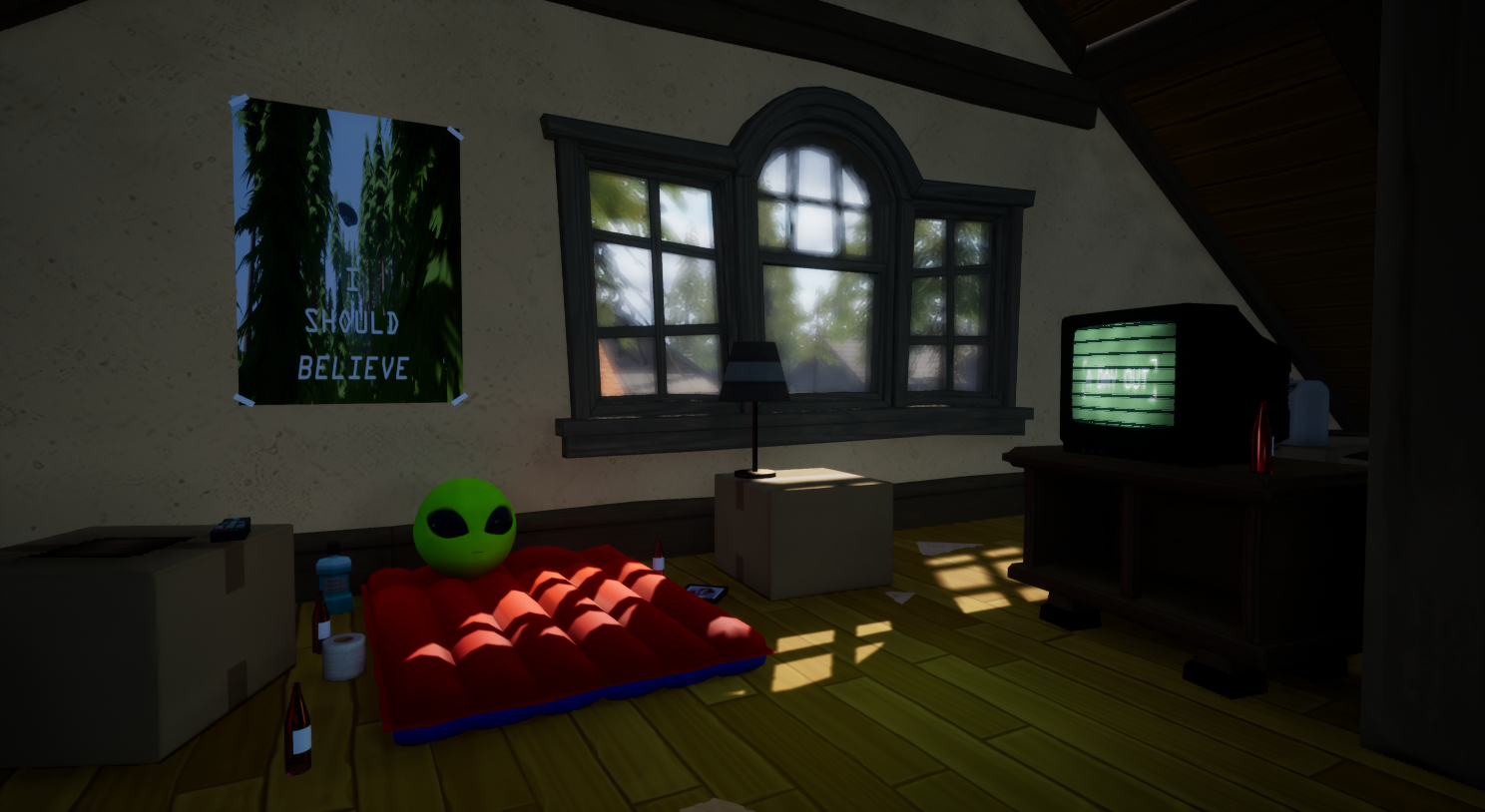
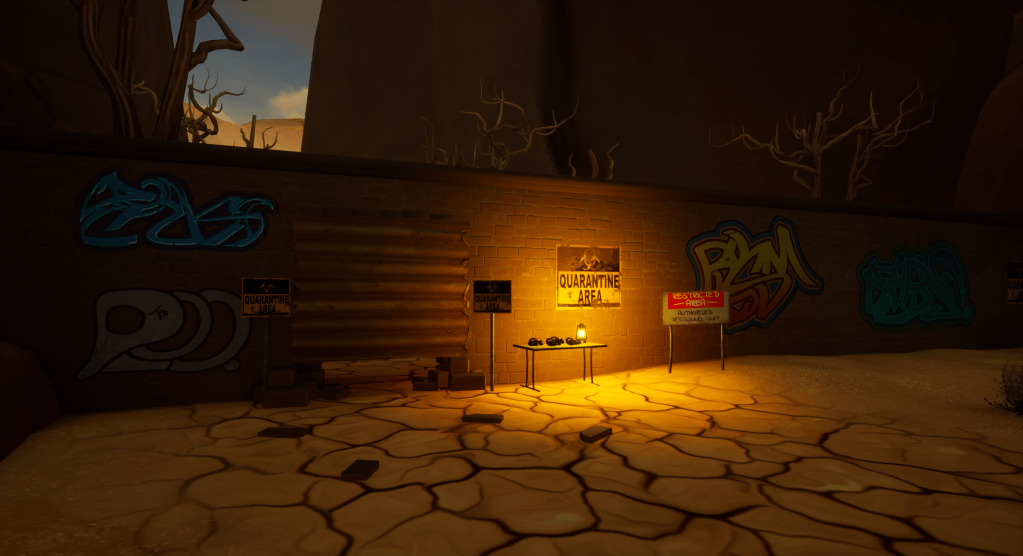
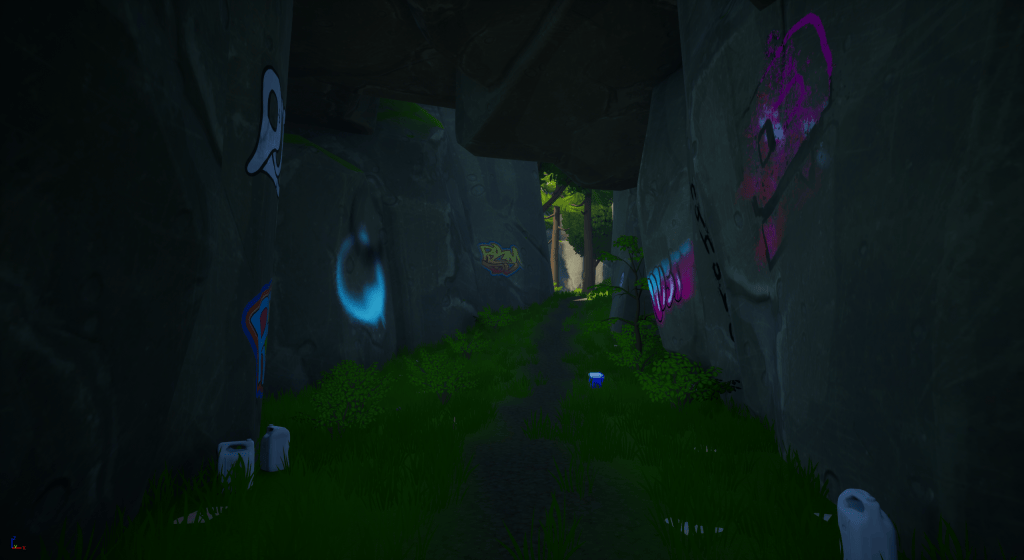
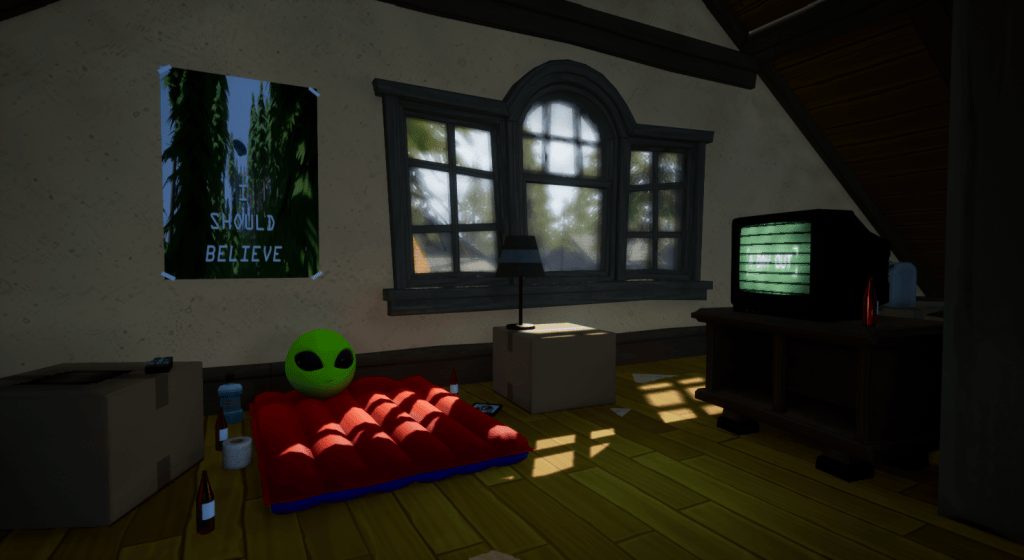
- Everyday Details — Props like beer bottles, graffiti, boxes, and scattered belongings can establish who occupies a space. A hidden teen hangout might feel more believable simply because the environment contains the same details players recognize from places they’ve experienced themselves.
Environmental storytelling can take many forms, and I believe the best approach is always to match the game’s vision and the story being told. By intentionally placing details throughout the environment, I can make levels feel like places that existed before the player arrived—and will continue to exist after they leave.
Pushing Exploration
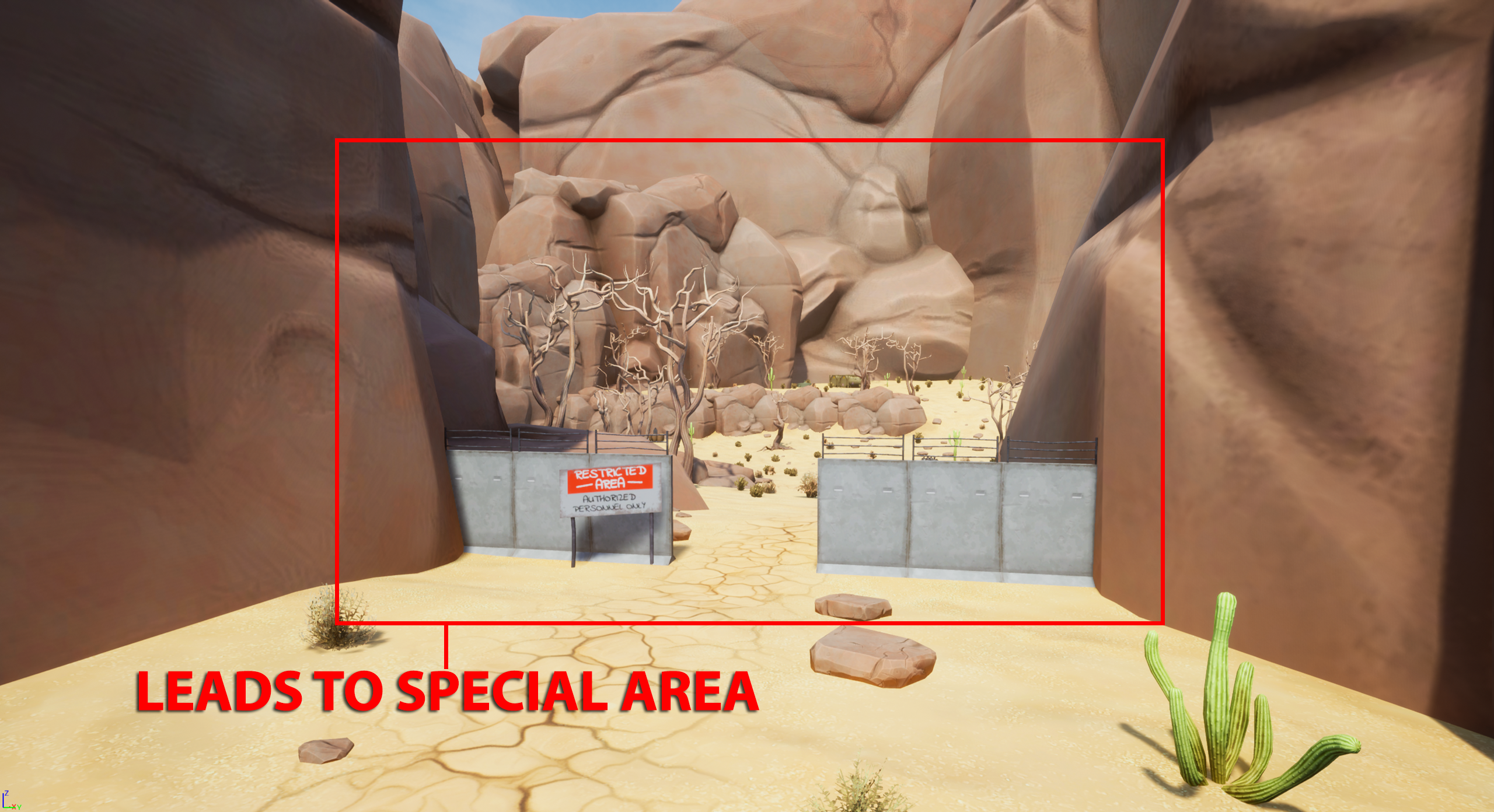
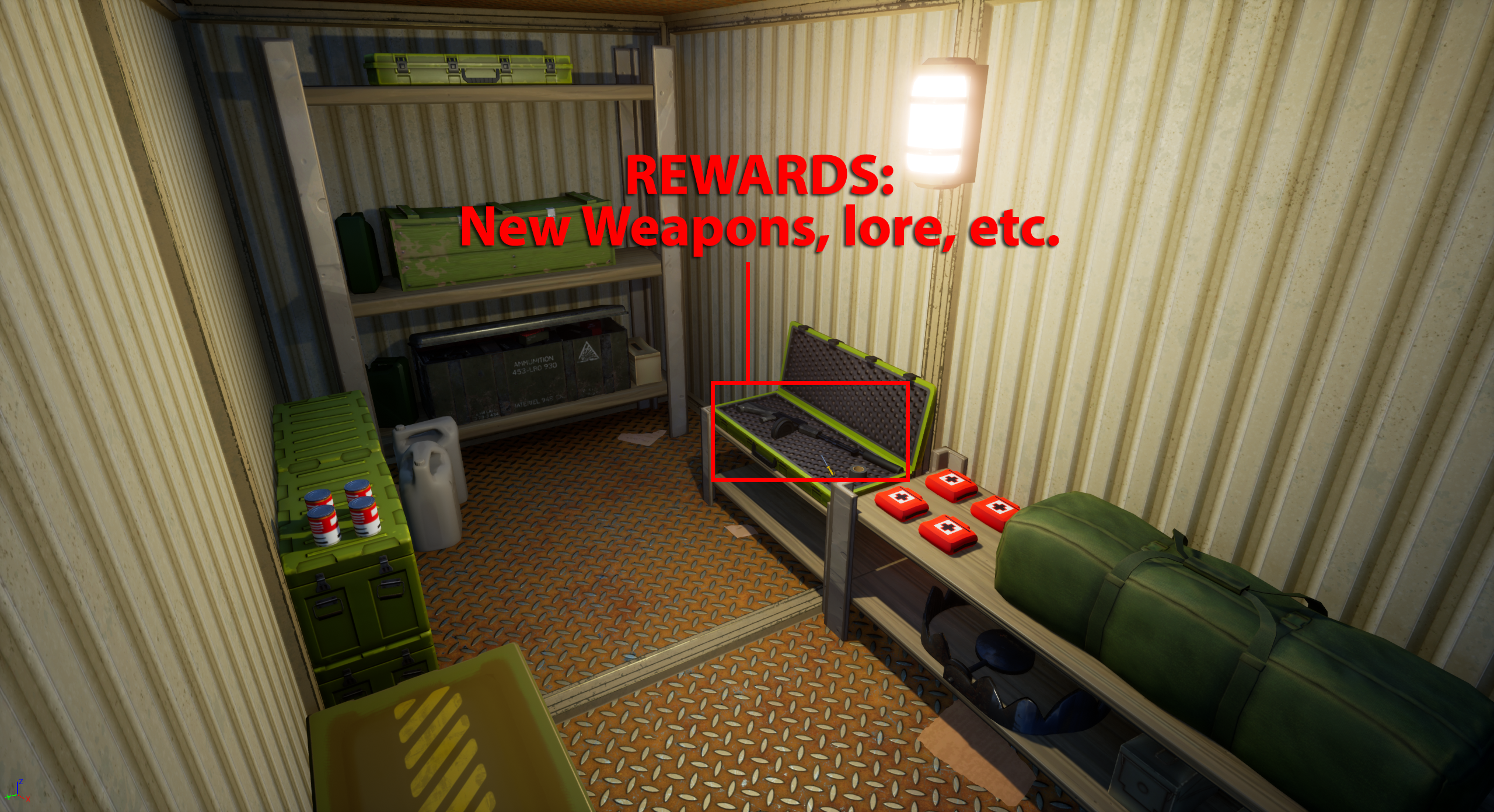
Encouraging exploration can be tricky in a monster-hunting game, especially when players naturally want to focus on the objective. I wanted players to feel that looking beyond the obvious path was worth their time, so I designed multiple ways to reward curiosity across both Cases (Story Mode) and Free Hunts (Arcade Mode).
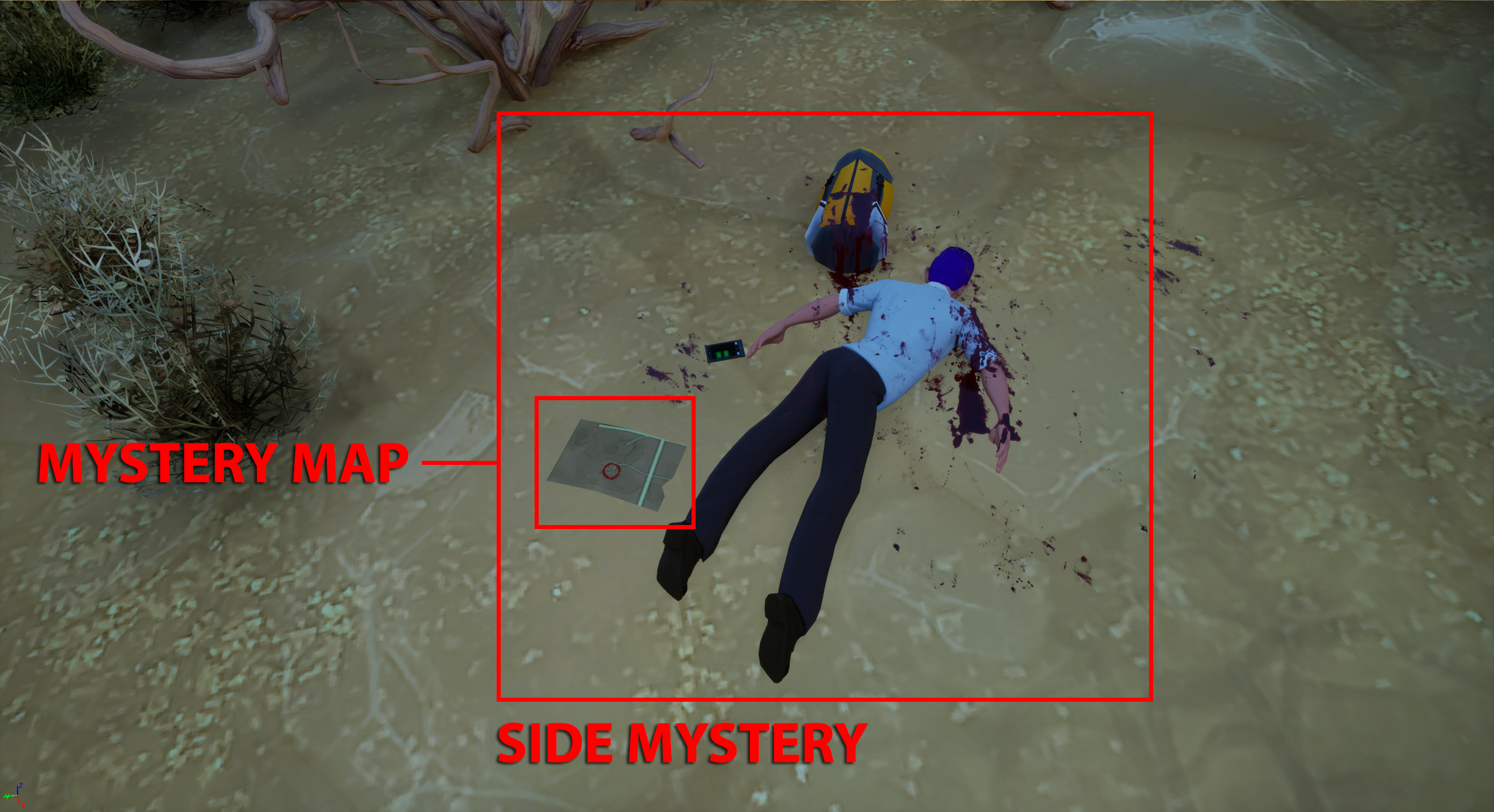
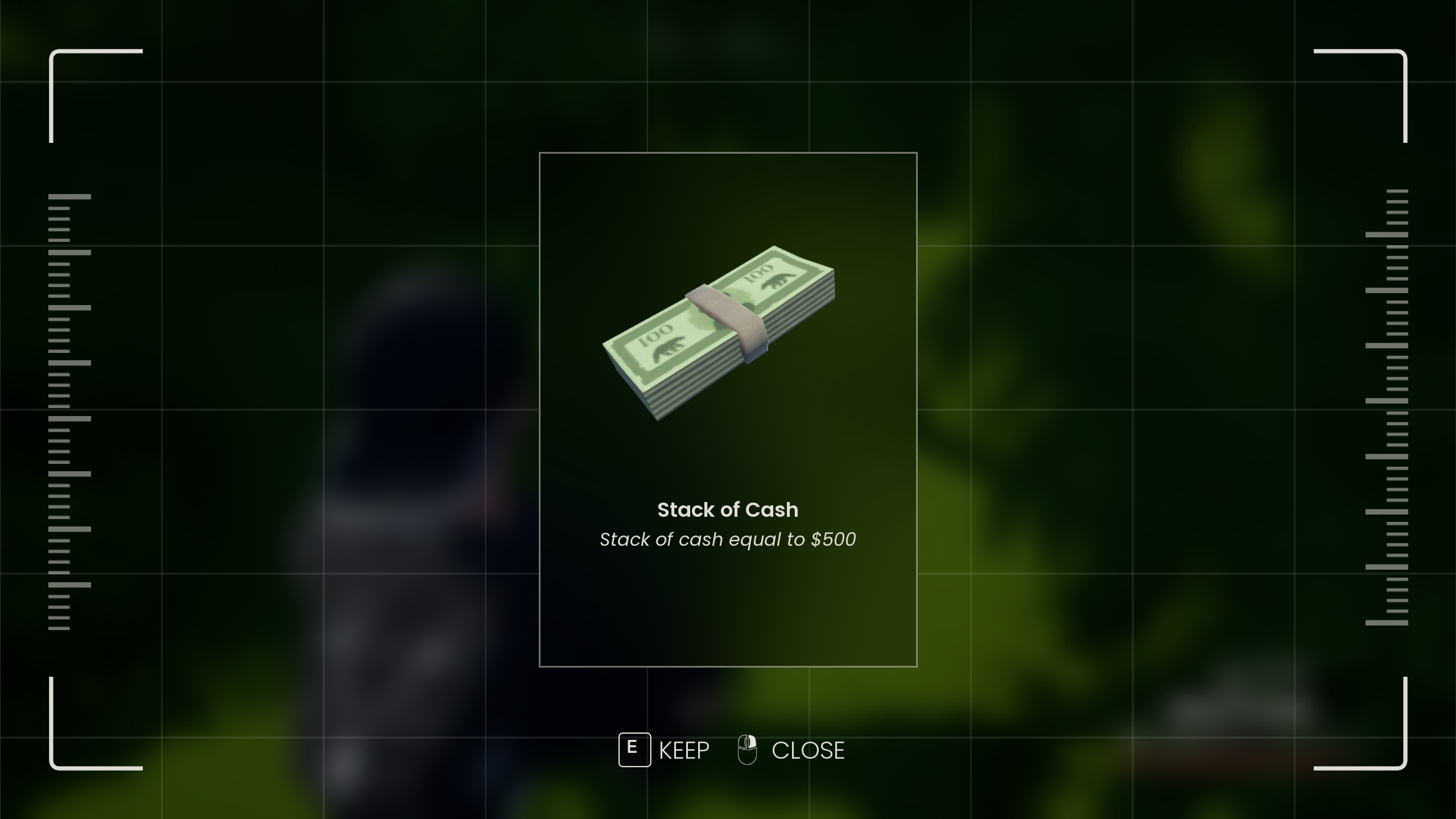
- Side Mysteries — Small mysteries hidden throughout the levels gave players optional objectives to investigate. Completing them could lead to unique encounters, rewards, or additional clues, encouraging players to follow the next mystery they discovered.
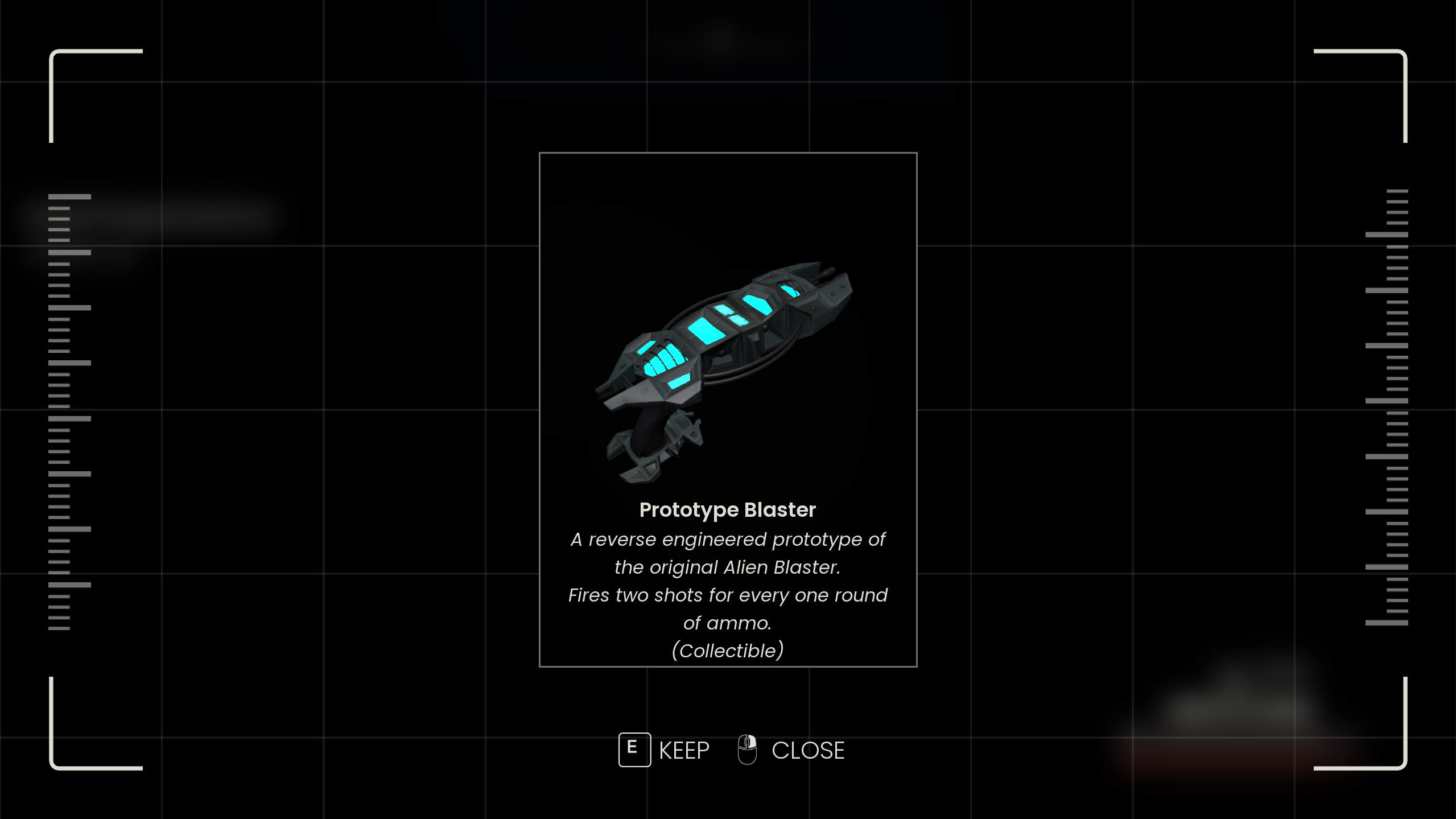
- Exclusive Loot — Players could purchase weapons before a Case, but permanent weapons could also be discovered in hidden areas, giving players a strong gameplay incentive to explore off the main path.
- Extra Lore & Future Content — Hidden areas could reveal additional lore or even tease future Cases and storylines. These discoveries often encouraged players to share theories and explore together.
- Special Landmarks — A dedicated Landmark system encouraged players to seek out notable locations. Discovering one triggered a small UI animation and recorded it on the player’s map, creating a natural collect-them-all incentive.
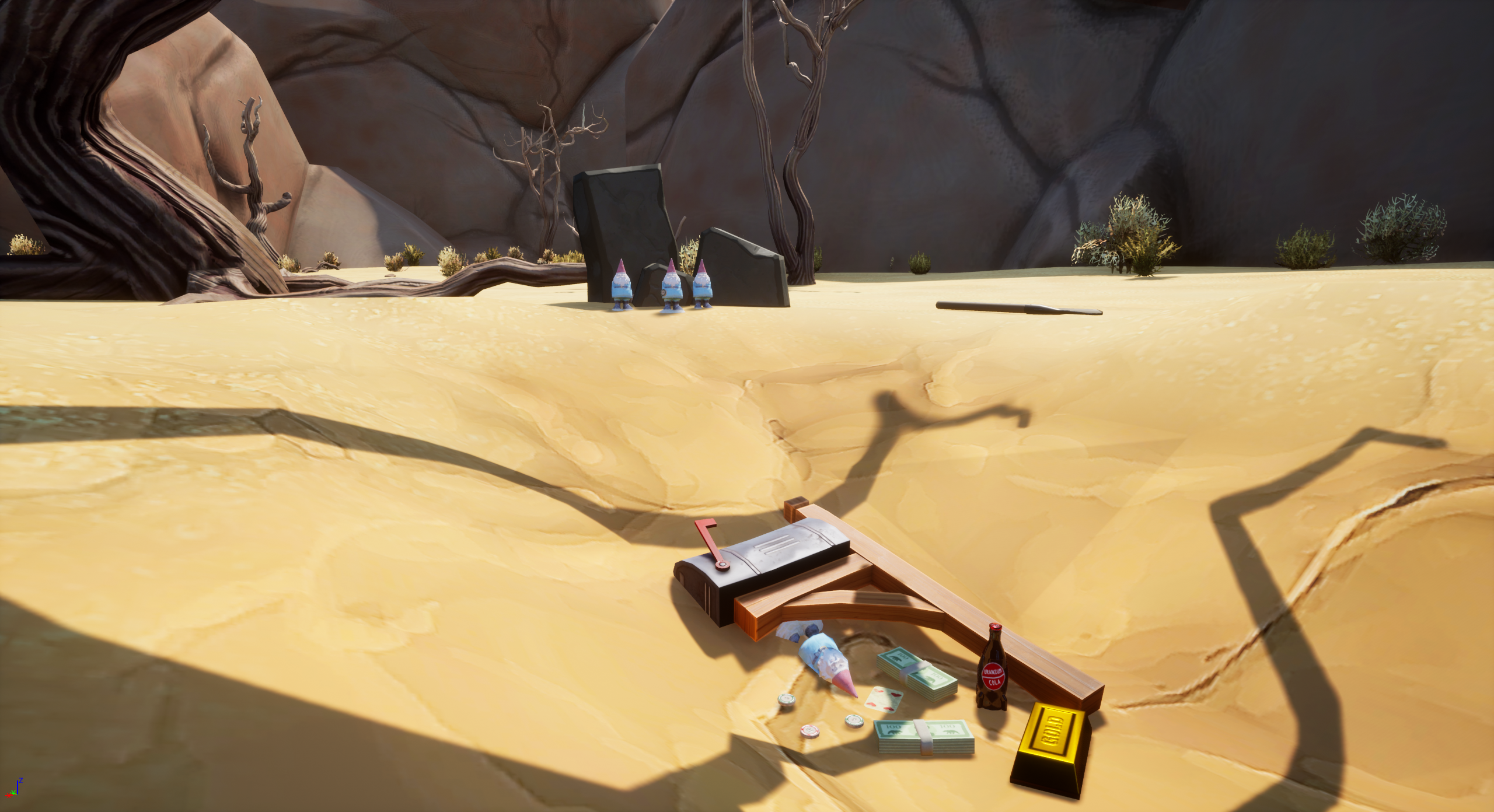
- Easter Eggs — Secrets and Easter Eggs encouraged players to search every corner of the environment and gave the community another reason to share discoveries with one another.
I’ve always loved searching for secrets in games, so I wanted to bring that same feeling of “what did the developers hide over there?” into A DAY OUT. Exploration rewards don’t always need to be essential to progression—the best ones simply make players curious enough to take the path less traveled.
World-building thru Canon
One of the most overlooked aspects of Level Design, in my opinion, is maintaining and reinforcing a game’s established lore and canon. A level shouldn’t feel disconnected from the world around it; its environments should actively help define and strengthen that world.
For A DAY OUT, I used environmental details to make the world feel lived-in and internally consistent:
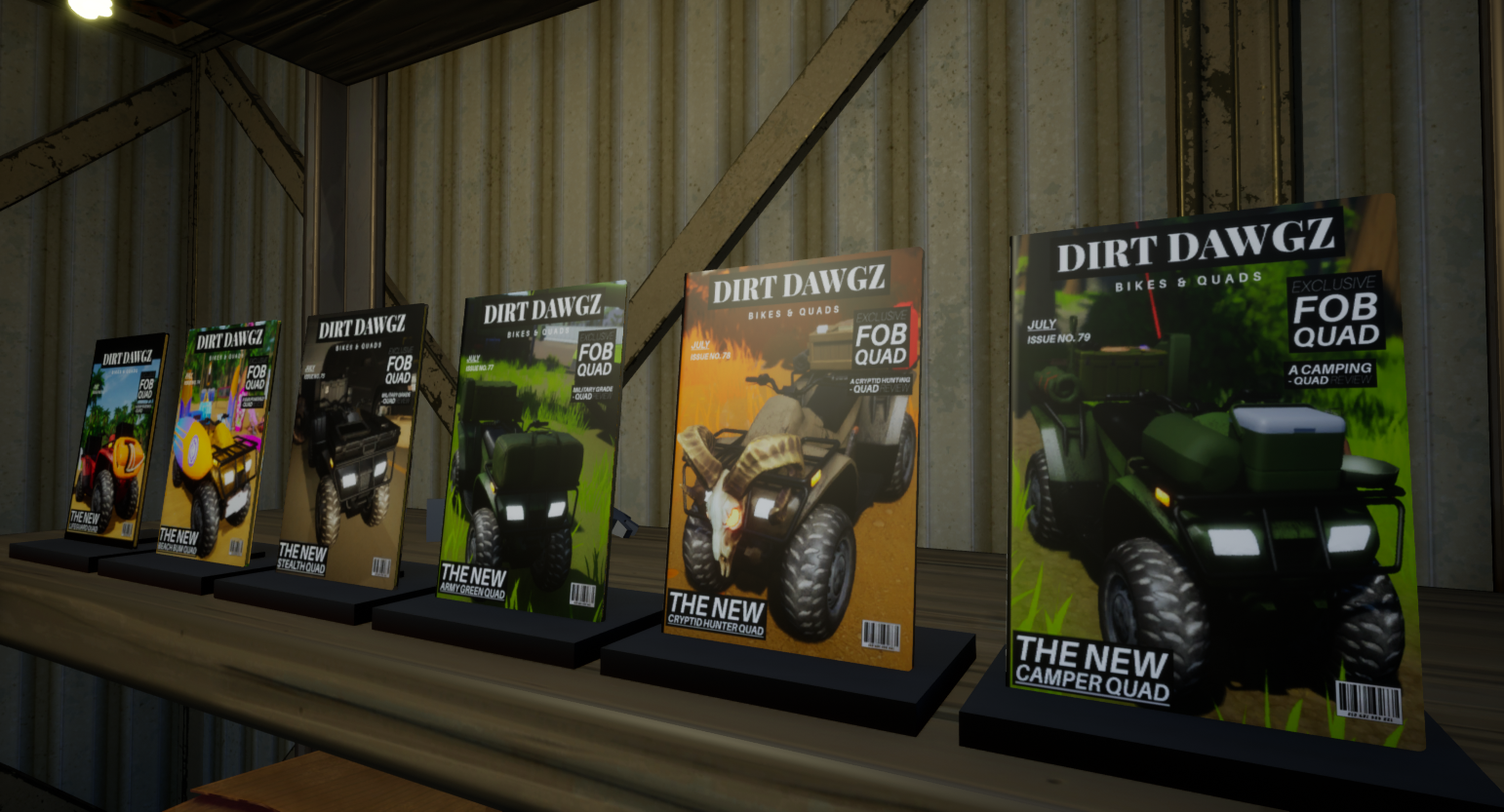
- In-World Books — Created books written for both the general public and the Foundation’s monster hunters, helping establish the world’s history and culture.
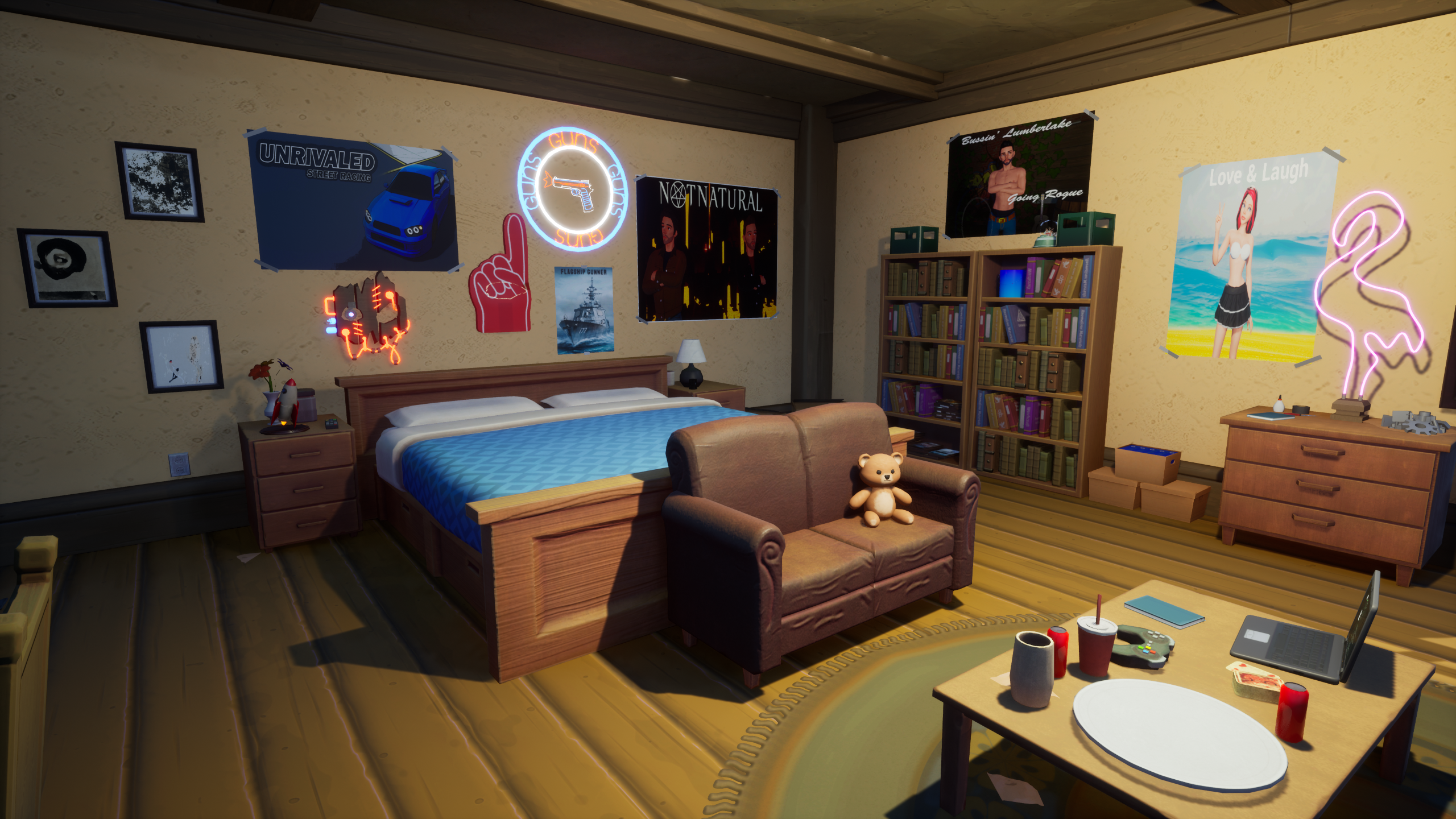
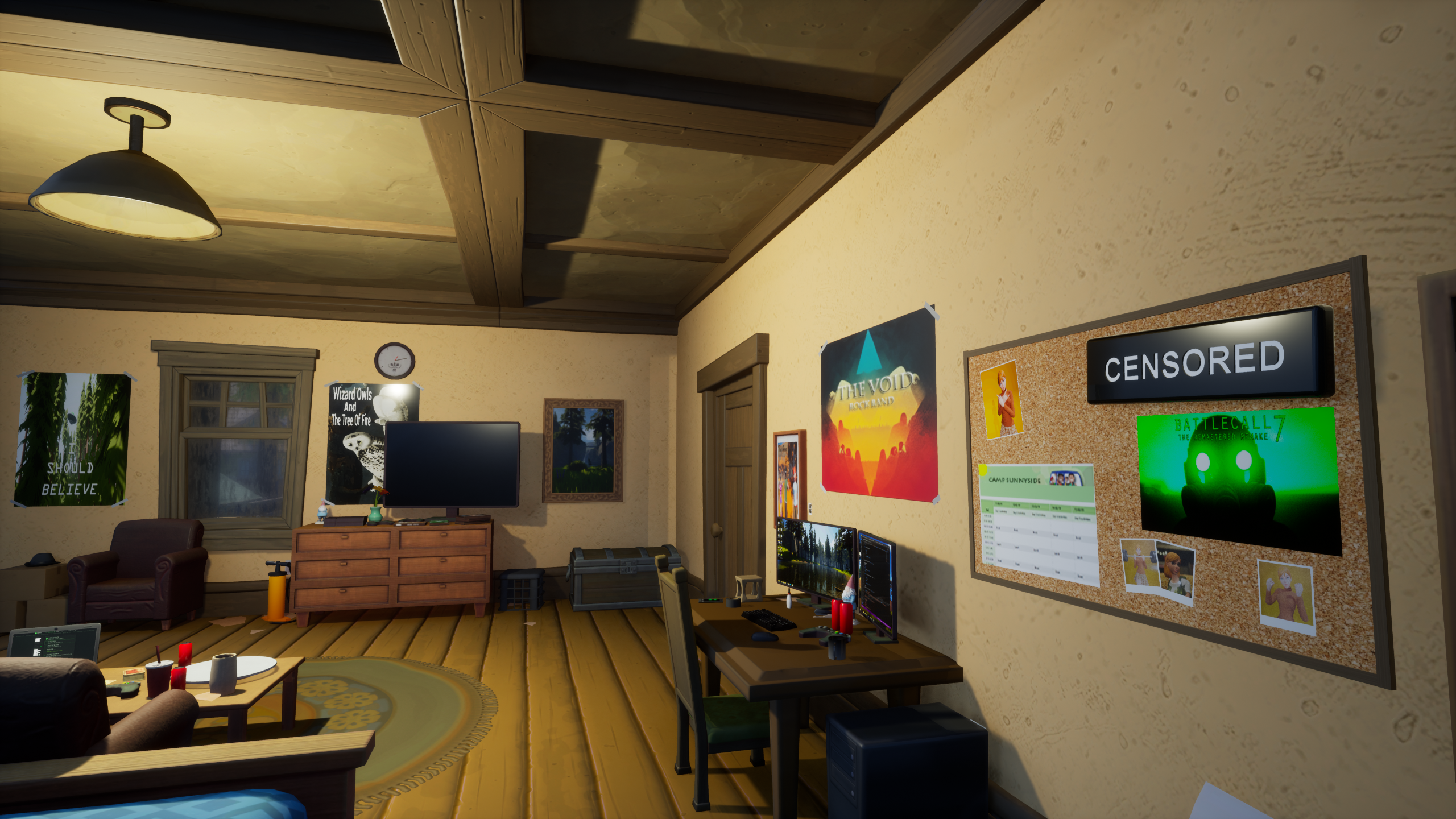
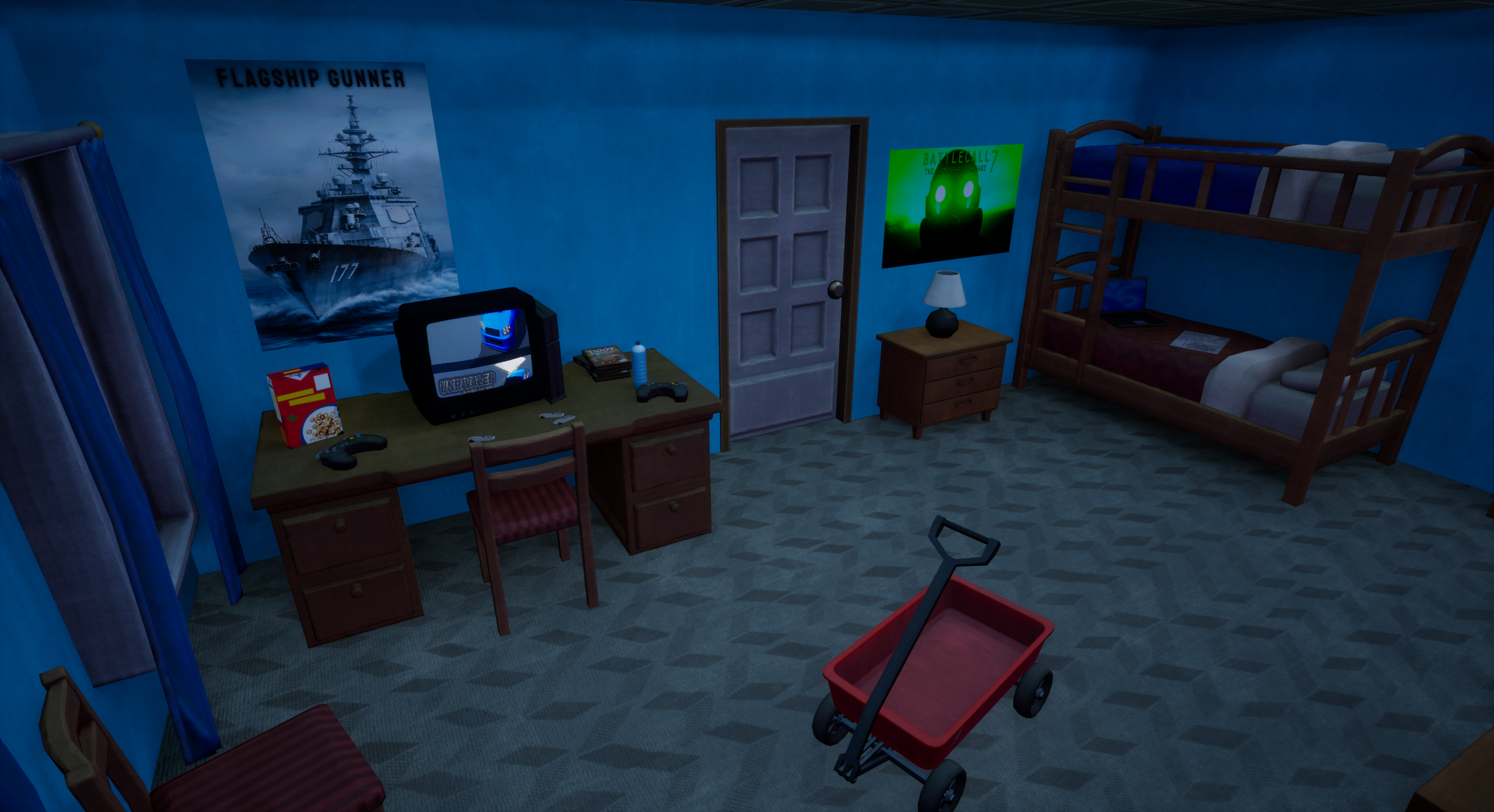
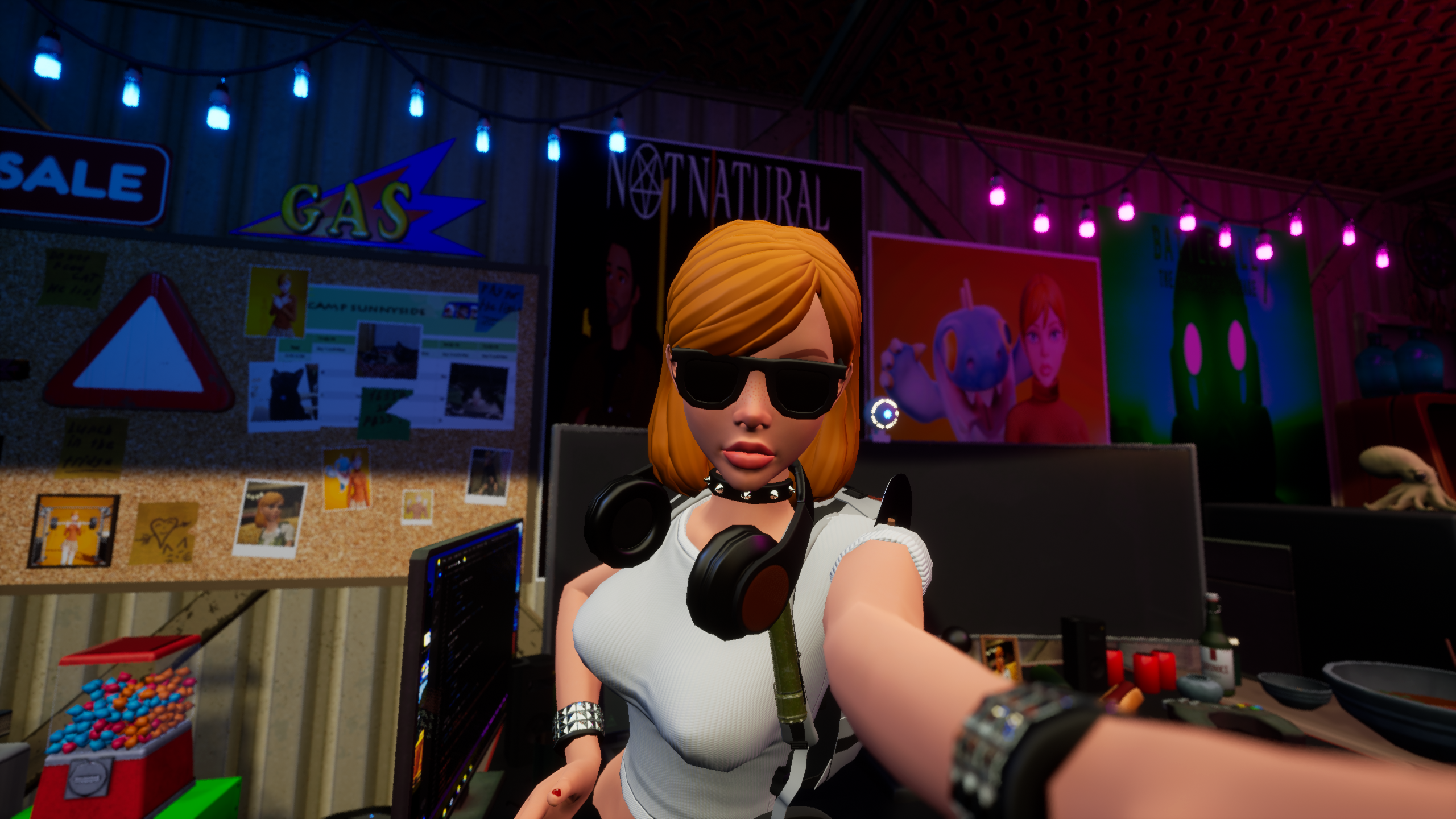
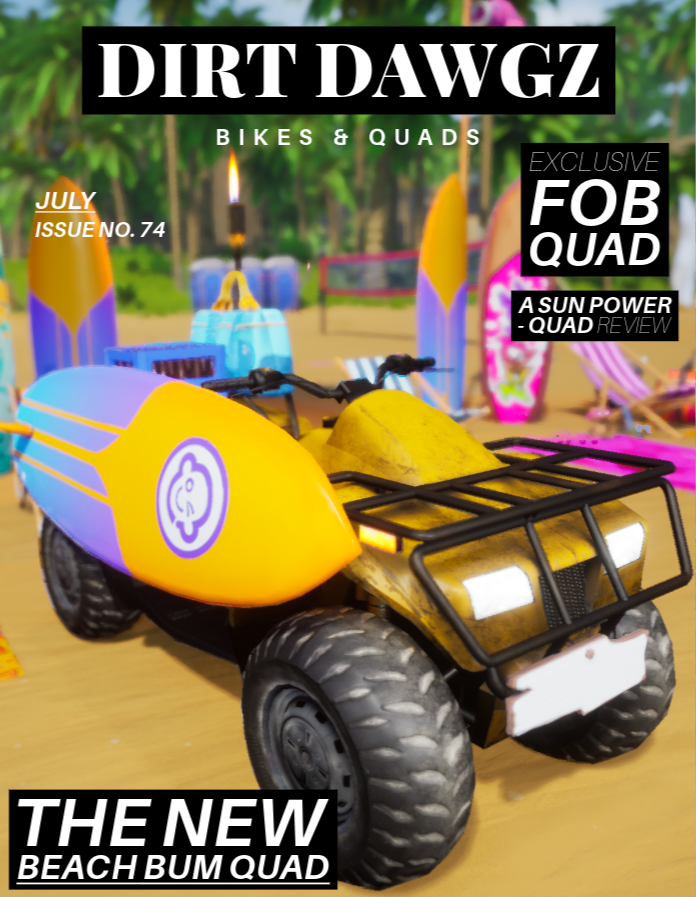
- In-World Posters & Brands — Developed fictional brands and advertisements that could be placed throughout levels, giving locations their own identity while reinforcing the larger world.
- In-World Shows & Media — Created fictional influencers, monster-hunting shows, and mockumentaries inspired by games like Grand Theft Auto, making the supernatural feel like a real part of everyday life.
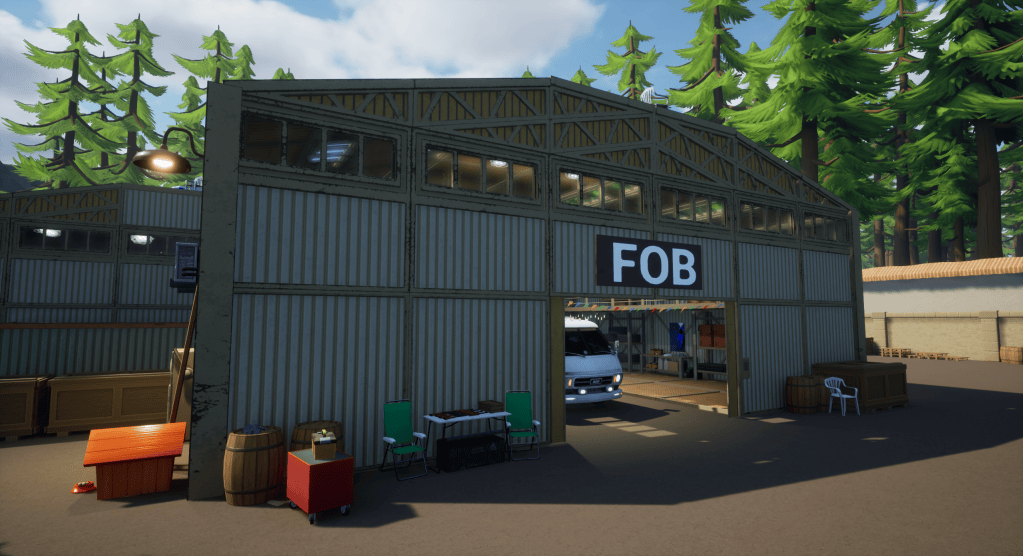
The way a game establishes its canon will vary from project to project, but even small details can make a world feel significantly more cohesive and believable. These established brands and pieces of media also became useful design references when creating locations such as the player’s home base, the FOB, giving me an existing visual and cultural foundation to build from.
Finding Your Home
FOB
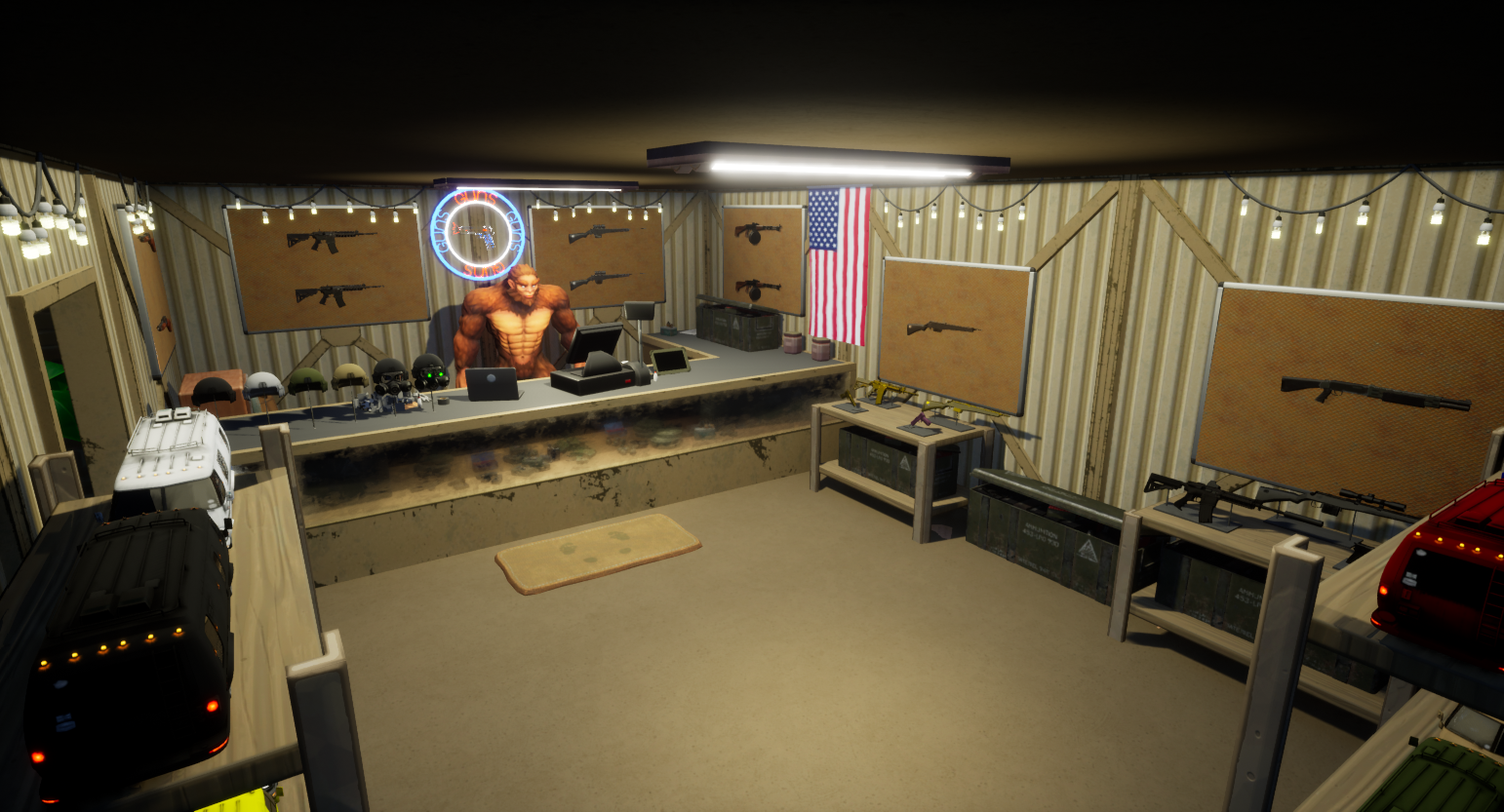
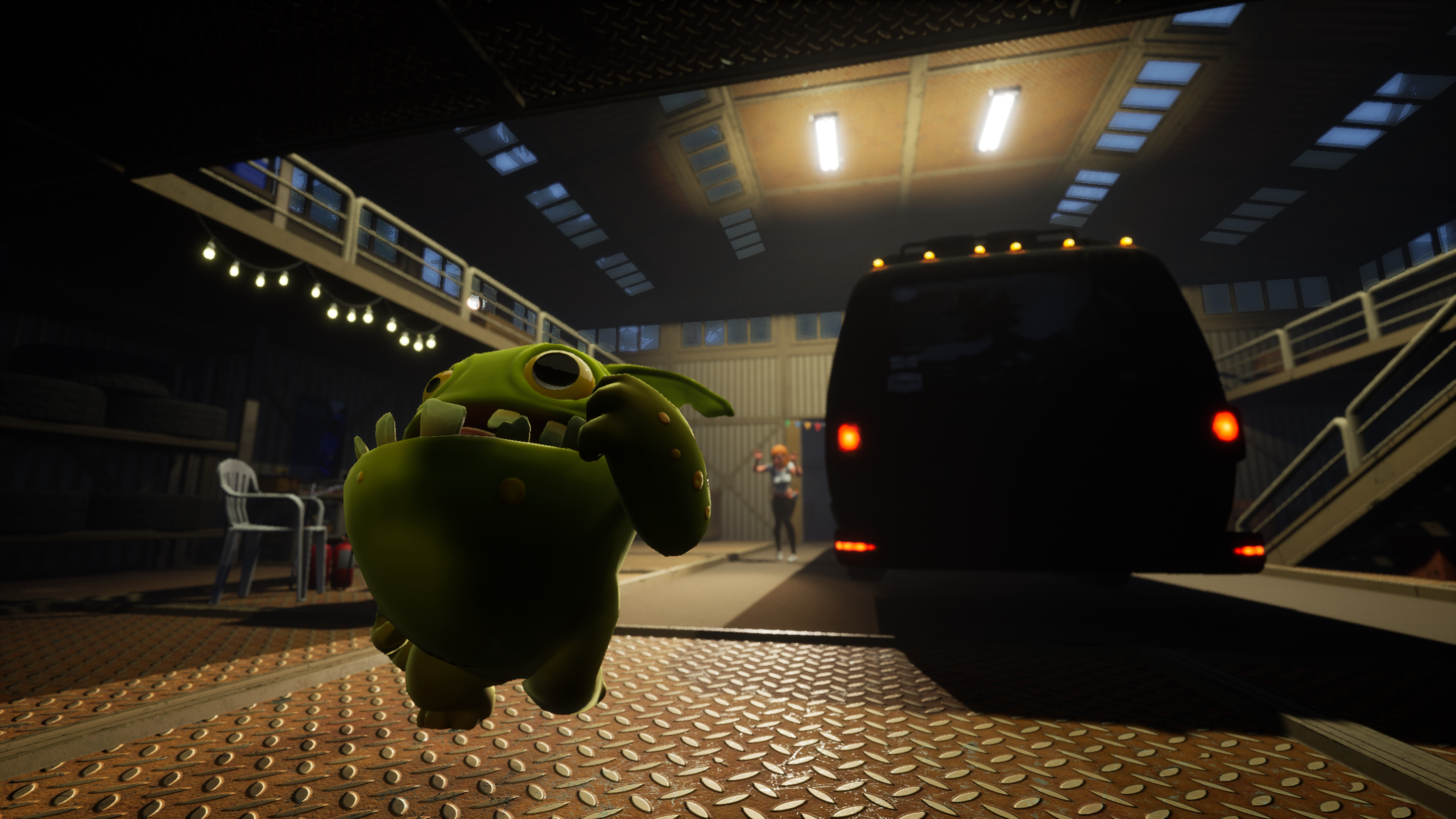
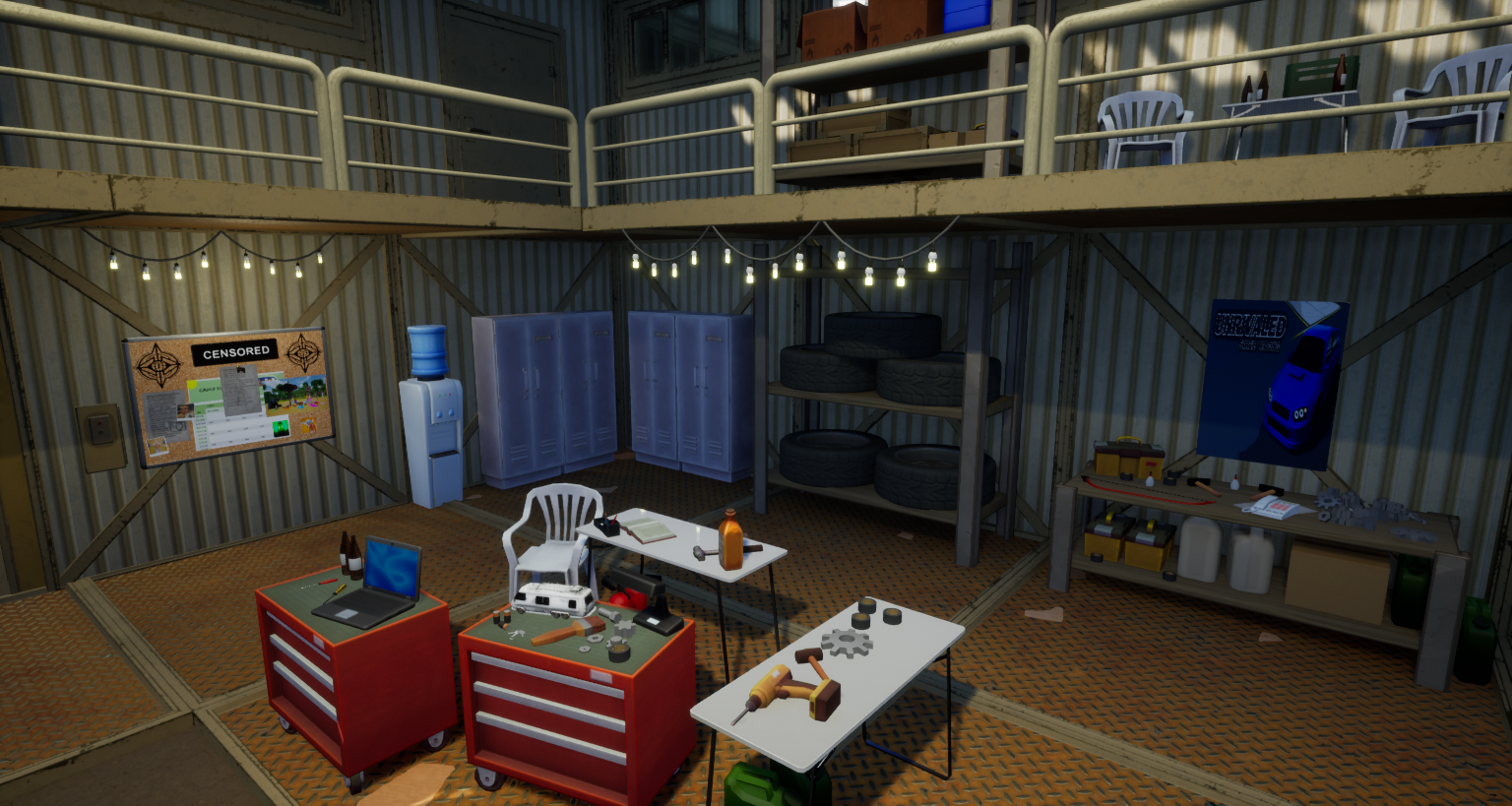
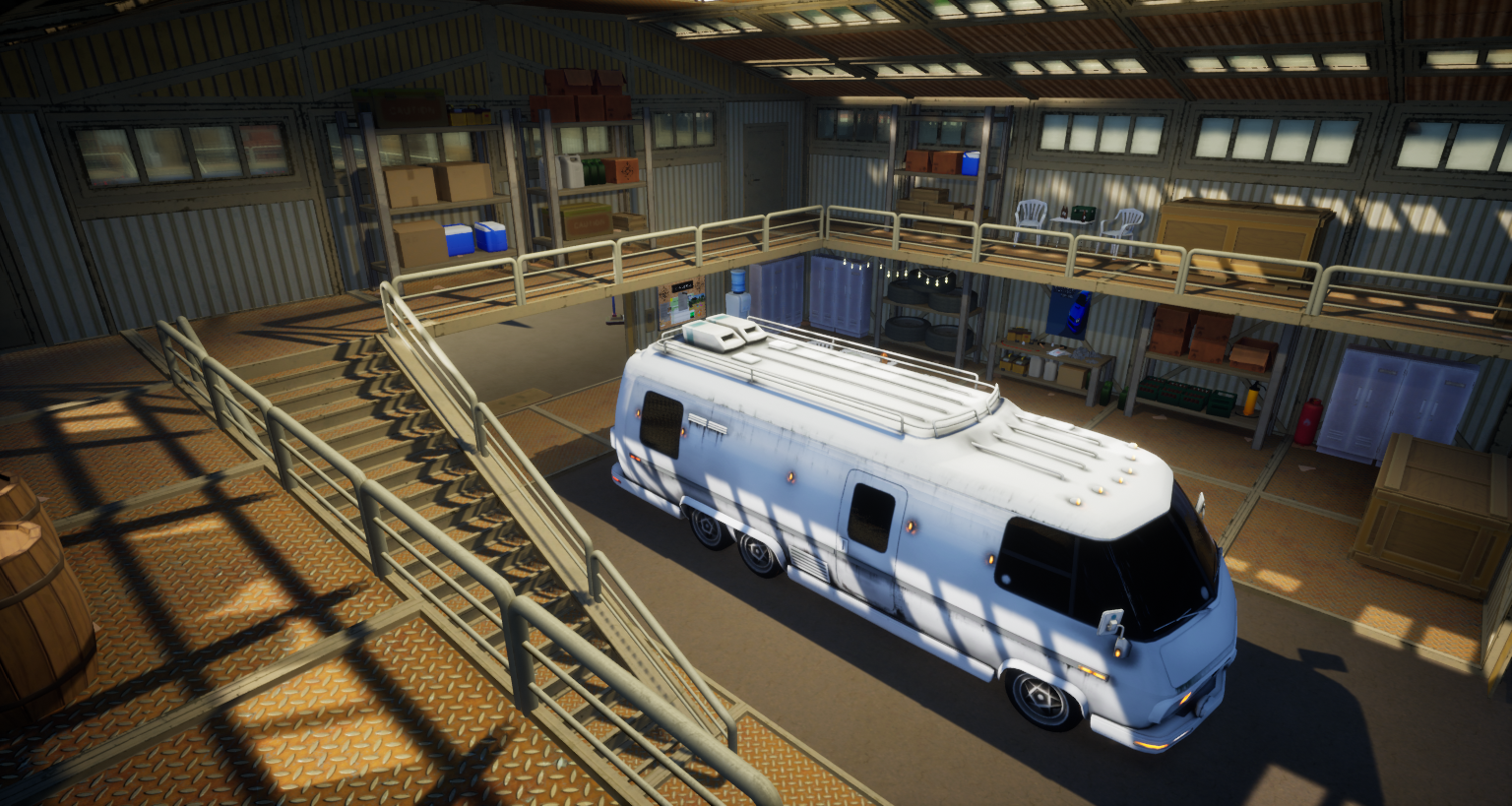
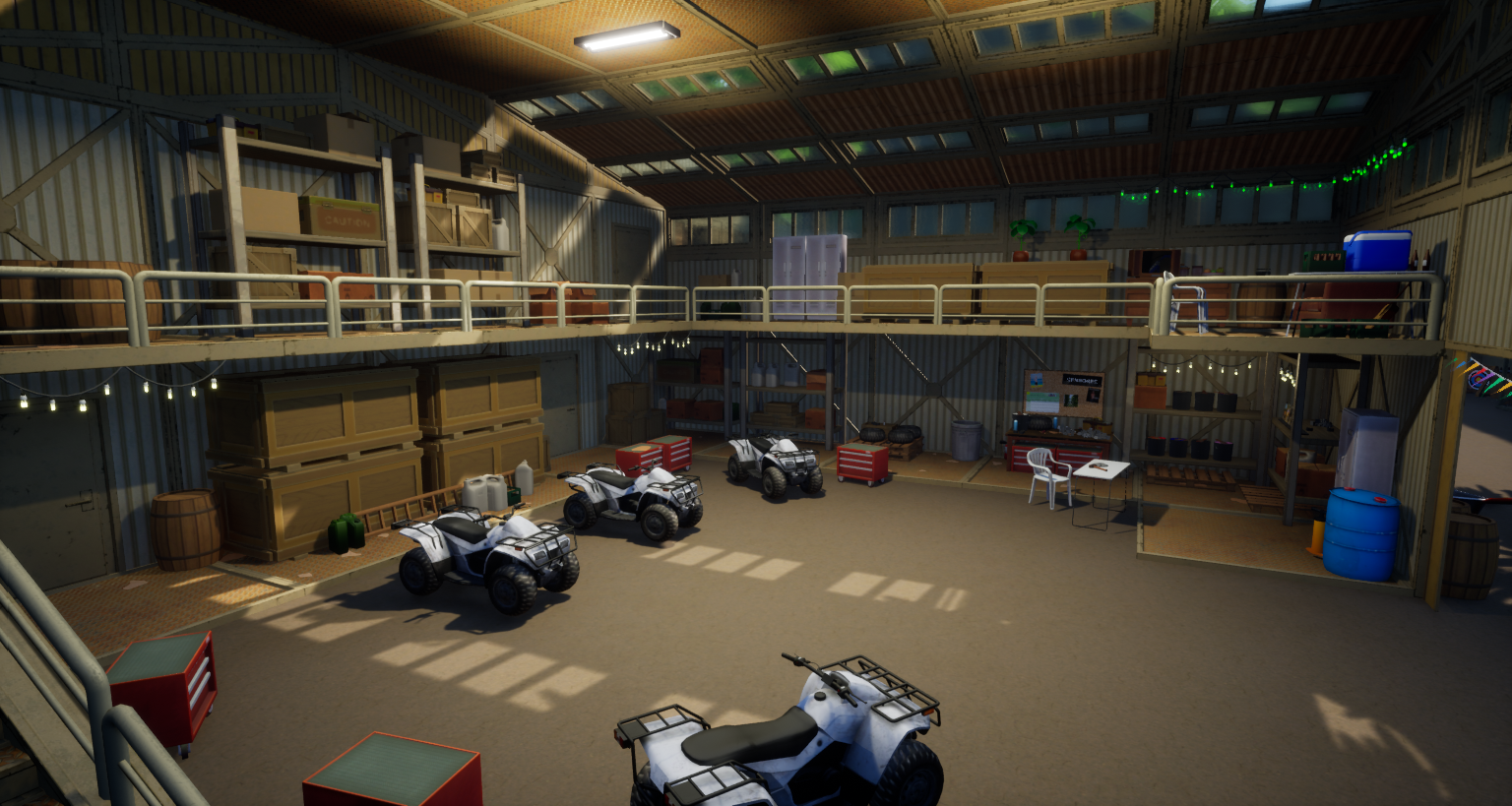
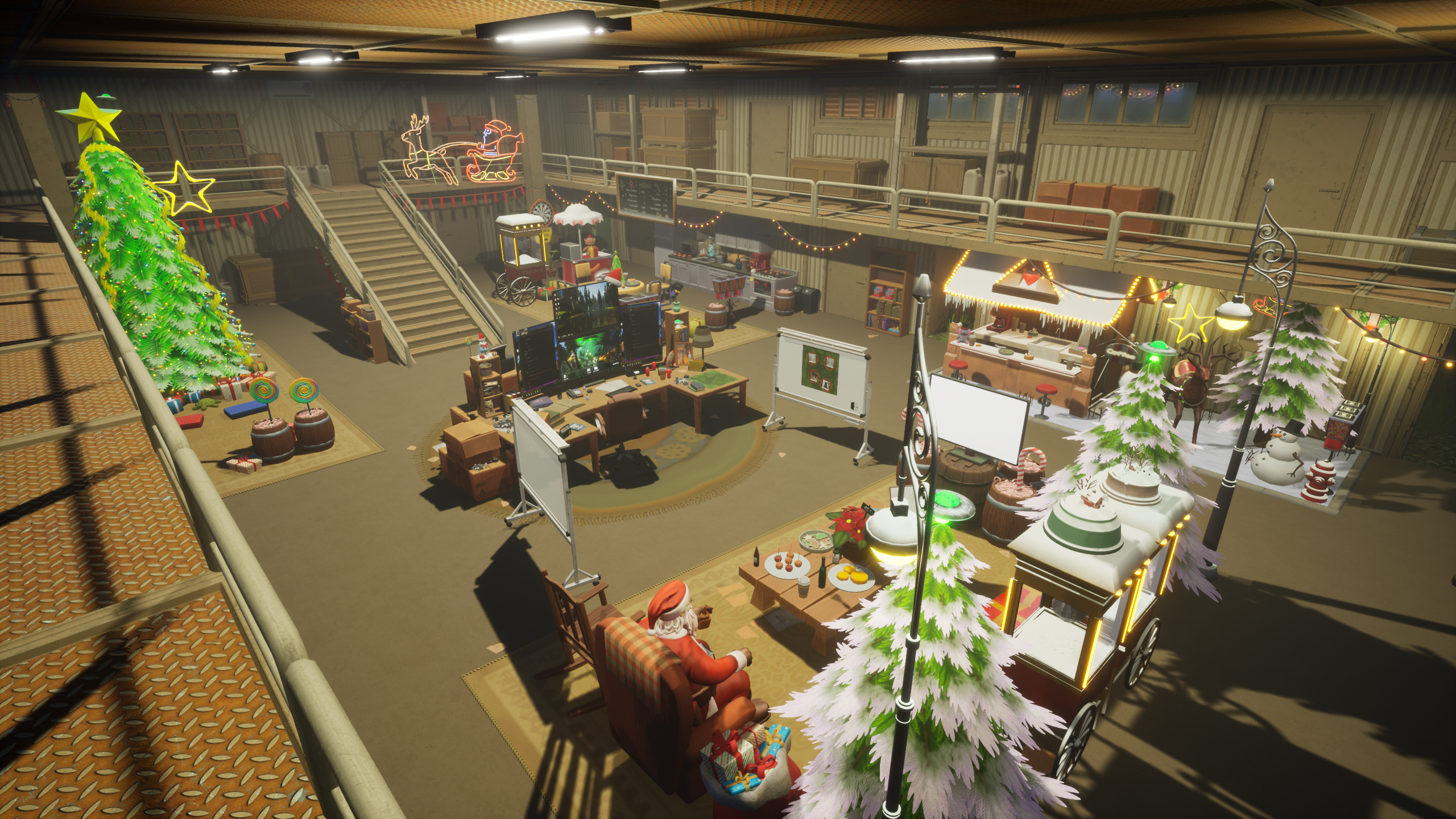
Early in development, I knew A DAY OUT needed a home base where players would prepare for Hunts and return between missions. Since the FOB would also function as the game’s lobby, I wanted it to feel like more than a menu disguised as a room—it needed to feel like home.
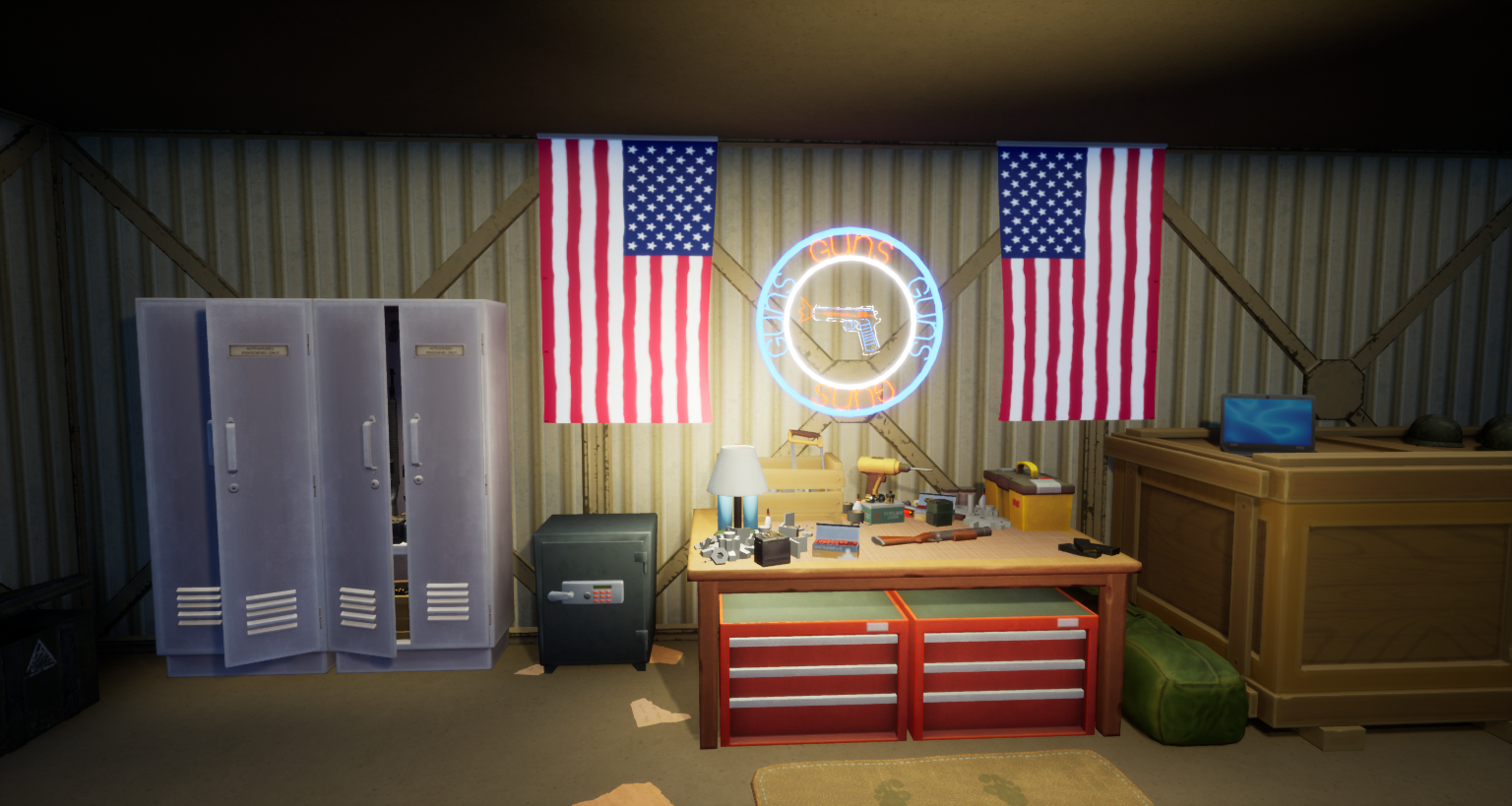
I designed the FOB as a place where players could prepare, customize, explore, and simply take a breath between Hunts. This included:
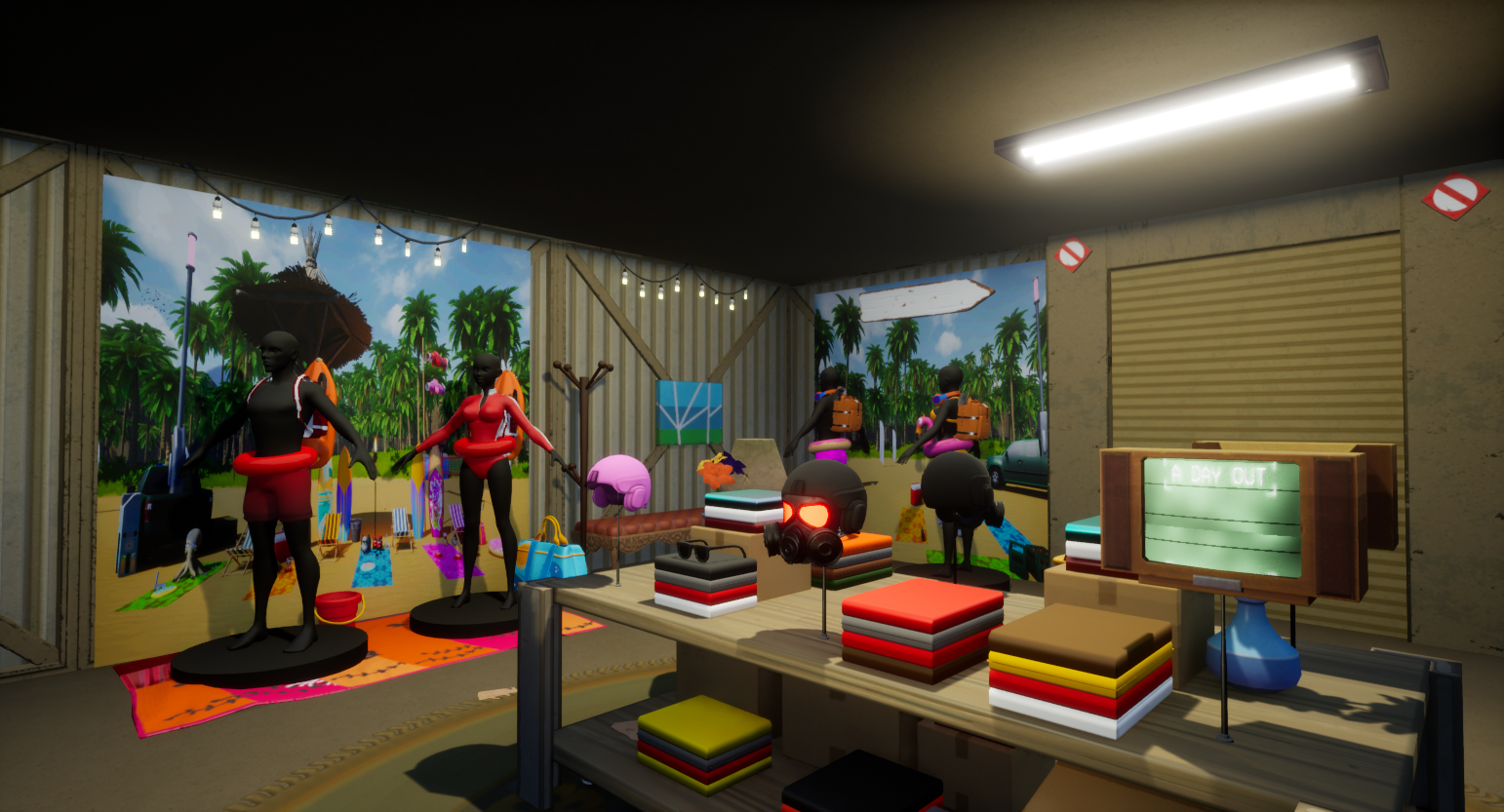
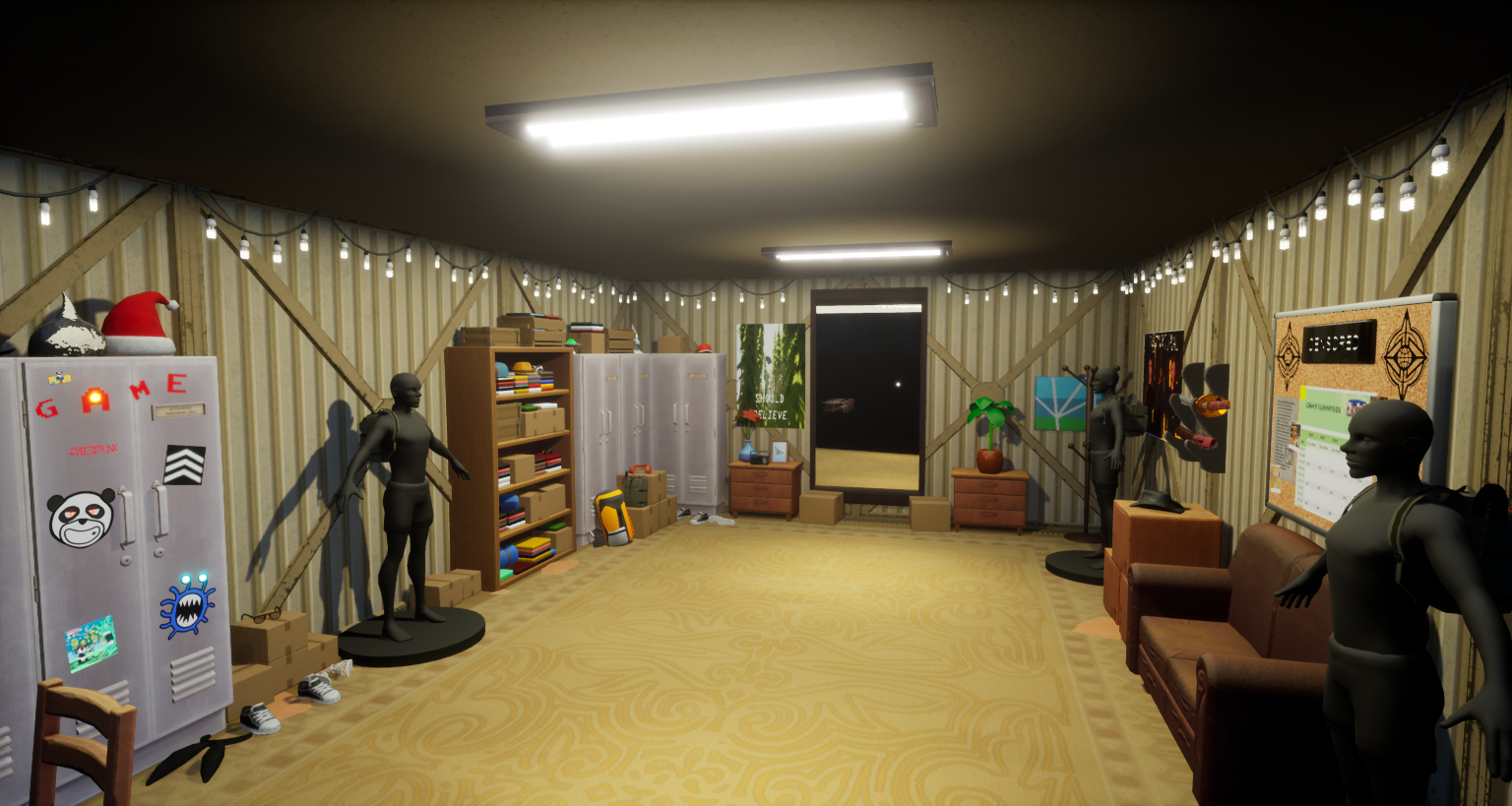
- Multiple Rooms — Library, Wardrobe, Armory, Garage, Bedroom, and more.
- Outfit Mannequins — Allowed players to save and display custom outfits.
- FOB Events & Missions — Added special events and rewards when the base came under attack.
- NPC Companions — Used Nav Meshes to support companion animals within the base.
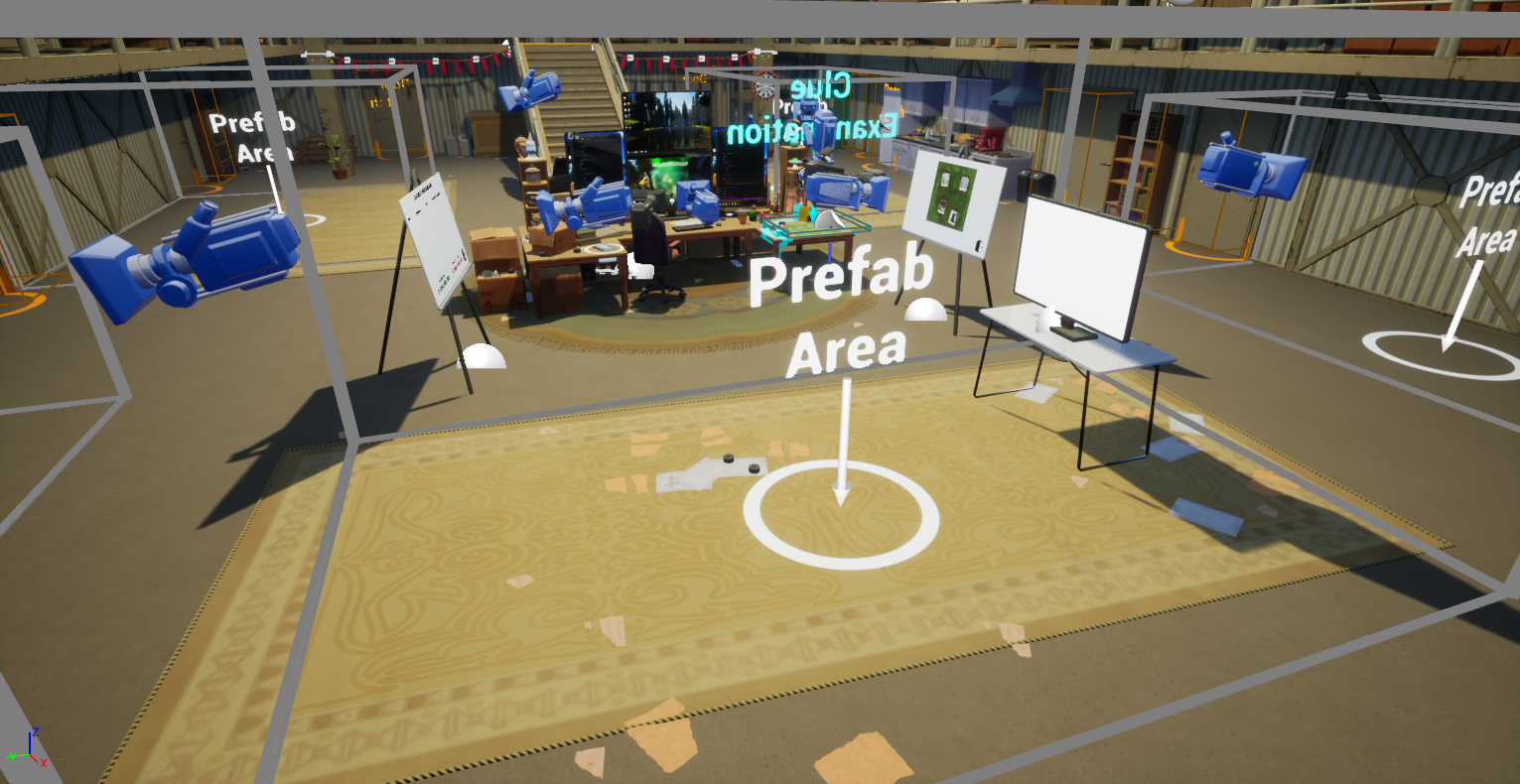
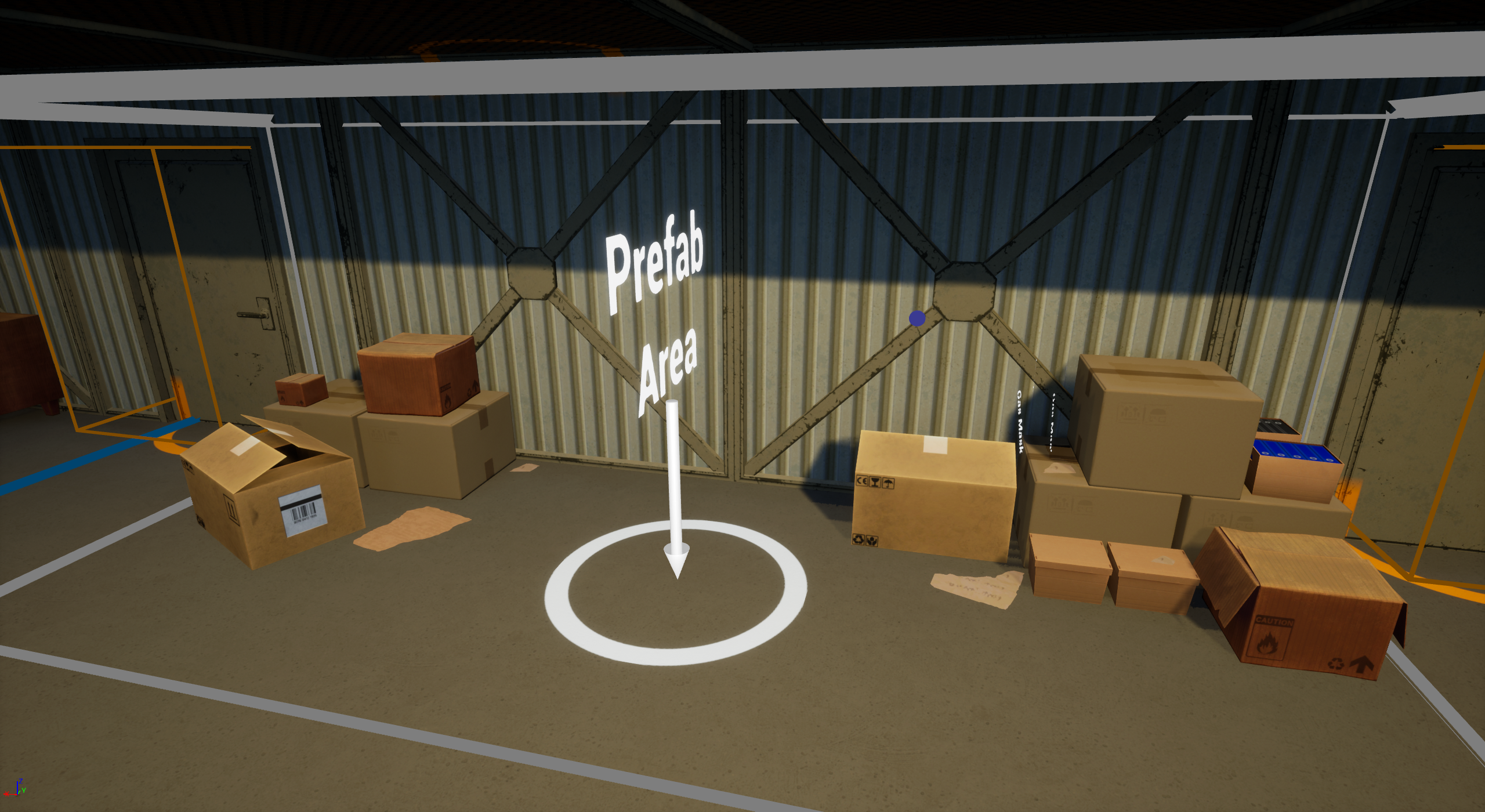
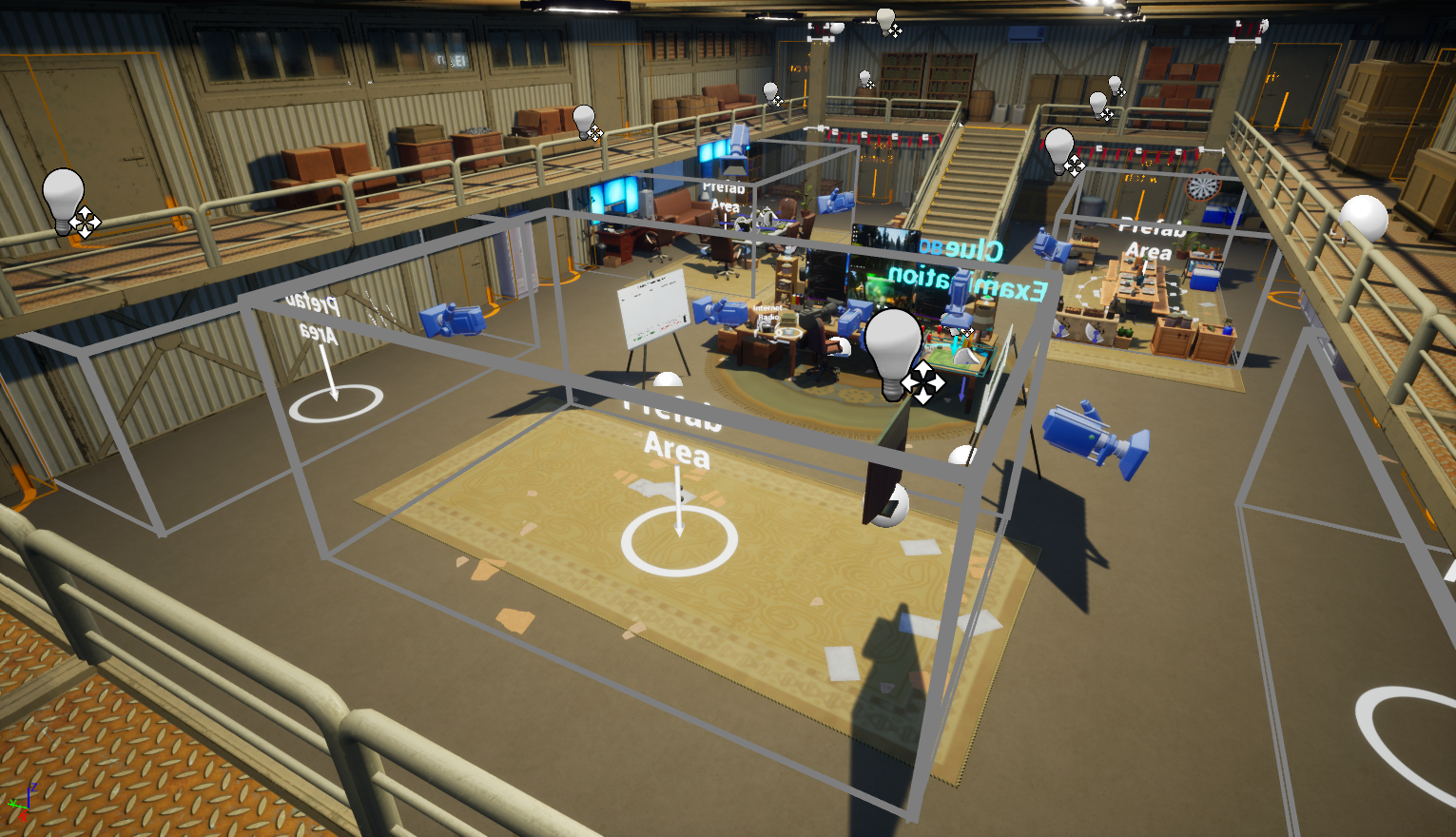
- Player Customization — Created numerous prefab areas that players could use to personalize their FOB.
- FOB Shop — Provided a dedicated space for purchasing equipment and cosmetics.
- Special Events — Created activities that gave players additional reasons to return between Hunts.
As we saw players spending more time in the FOB, it became clear that the space was successfully functioning as more than a lobby. That led me to take the concept further by designing an exterior environment to give the home base the same sense of place and exploration as the game’s other levels.
Exterior
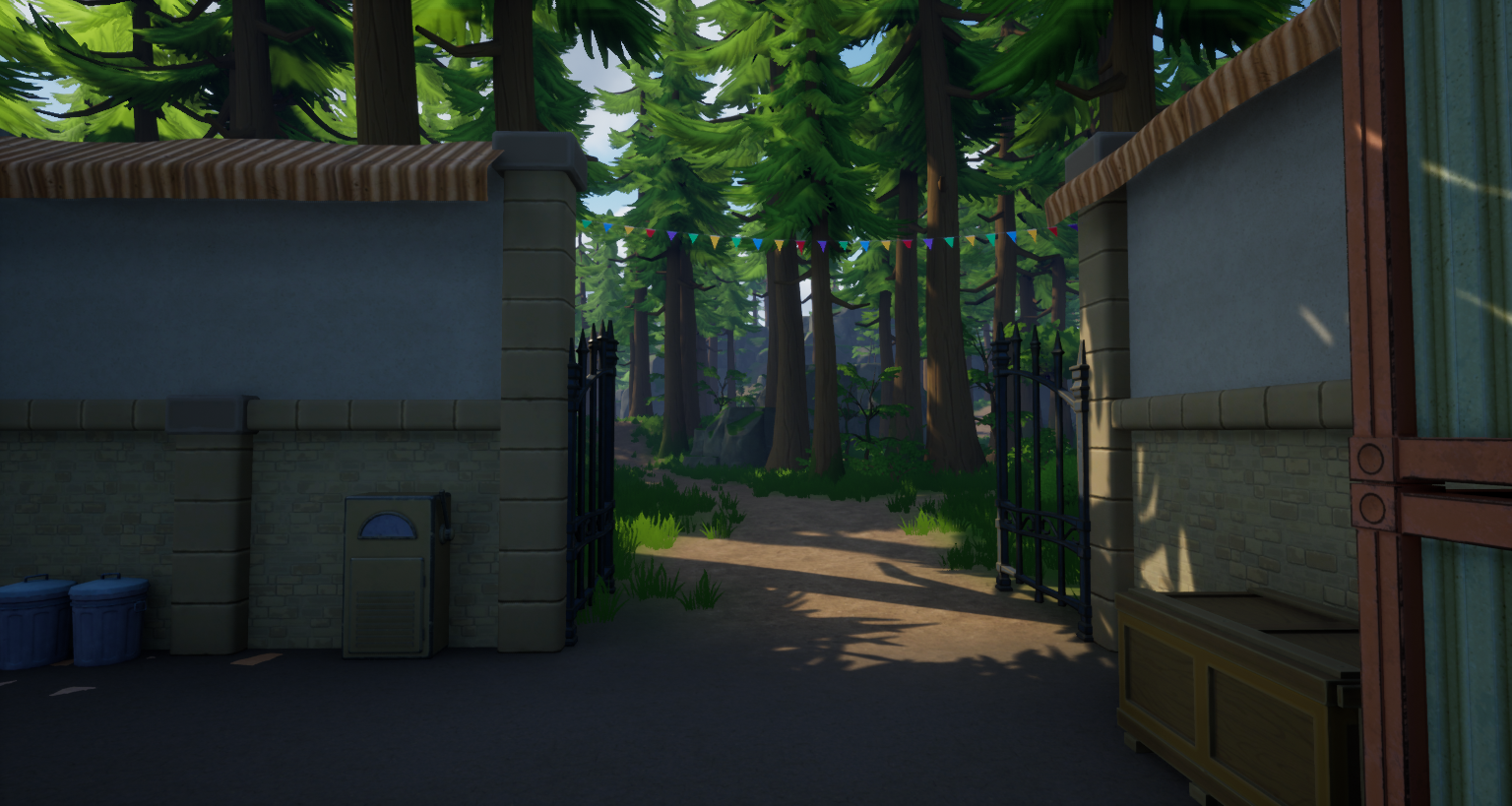
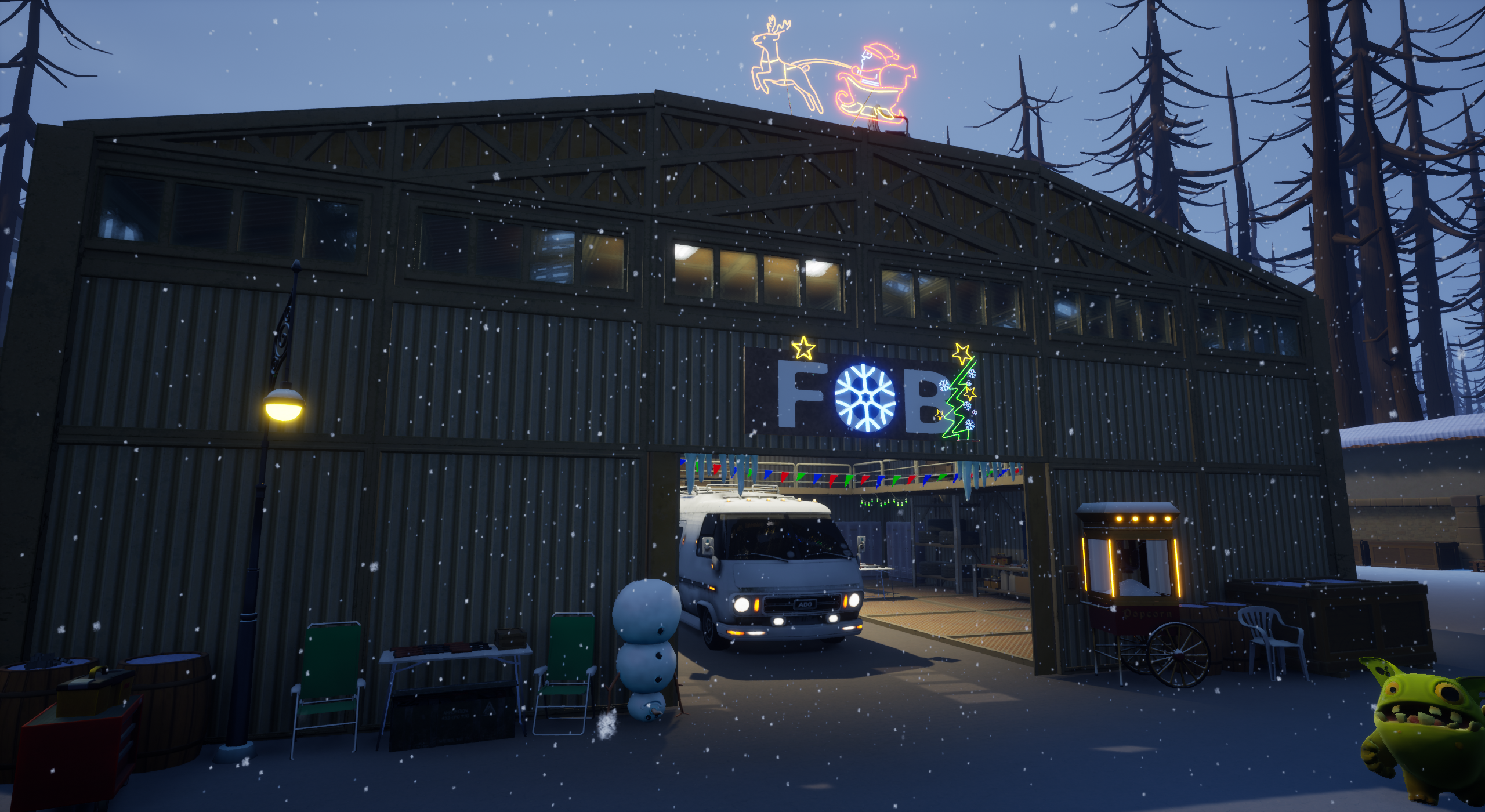
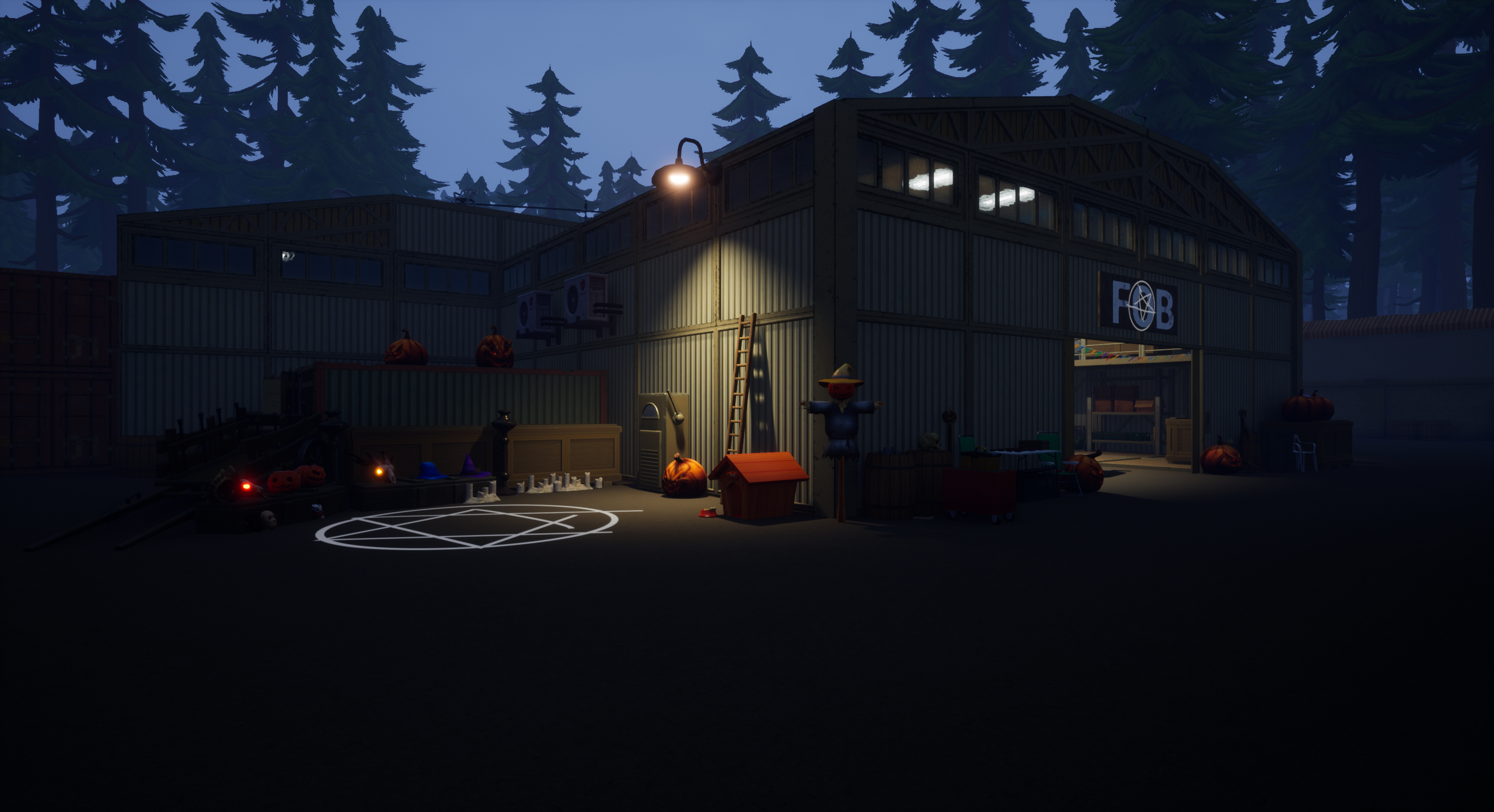
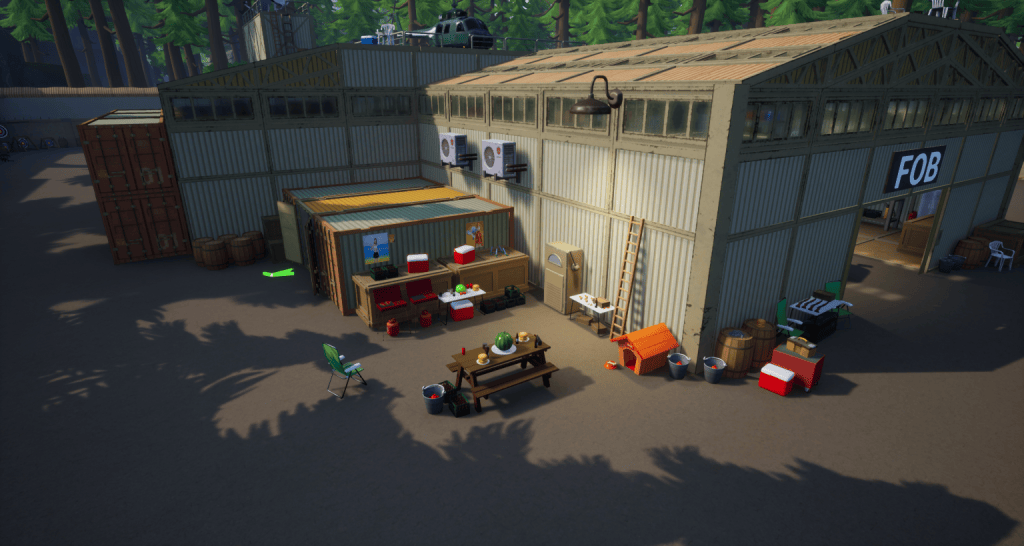
For the FOB to truly feel like home, I knew it needed to extend beyond the interior. I designed an entire exterior environment filled with lore, landmarks, hangout spots, and places for players to discover and become familiar with.
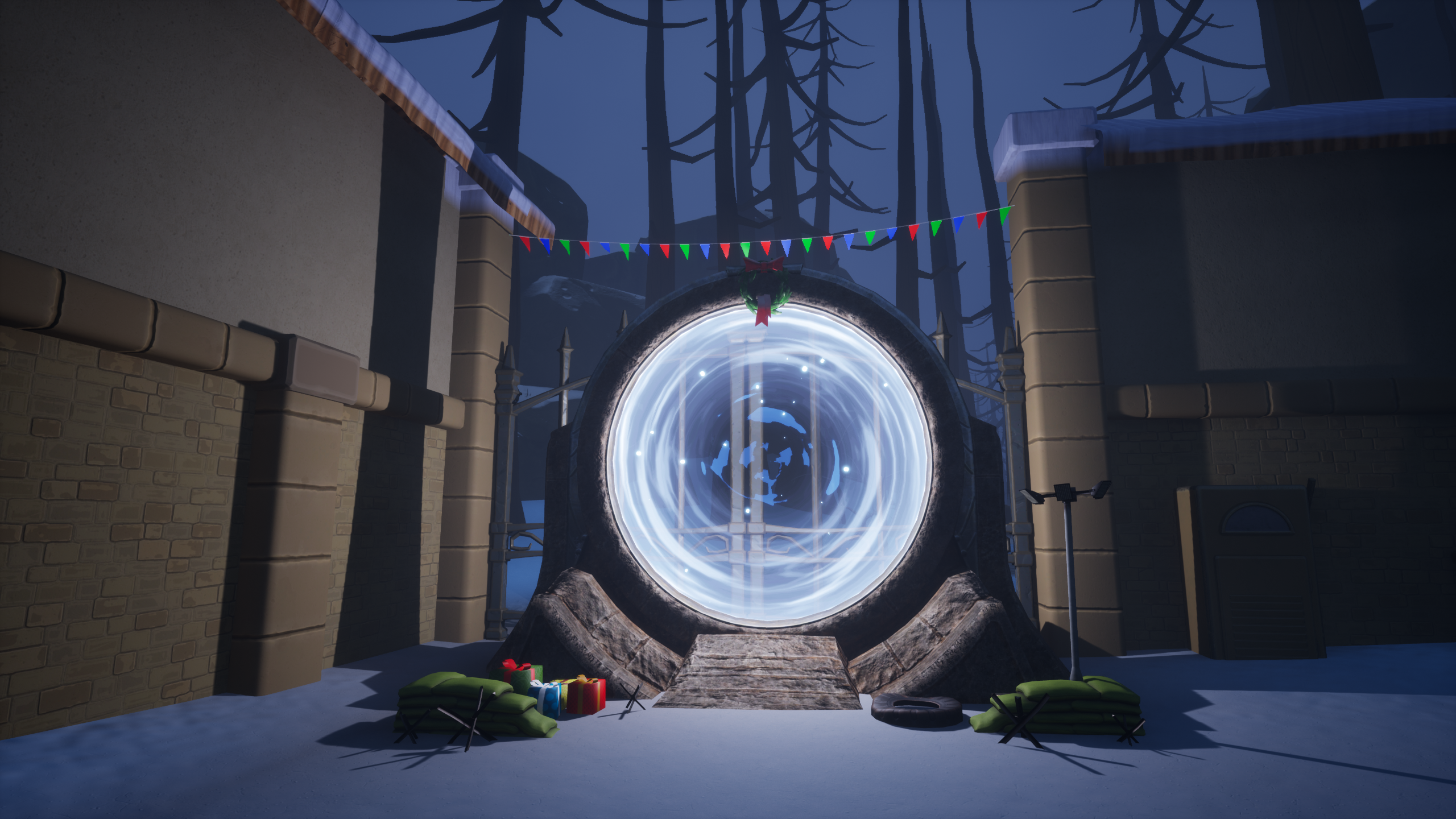
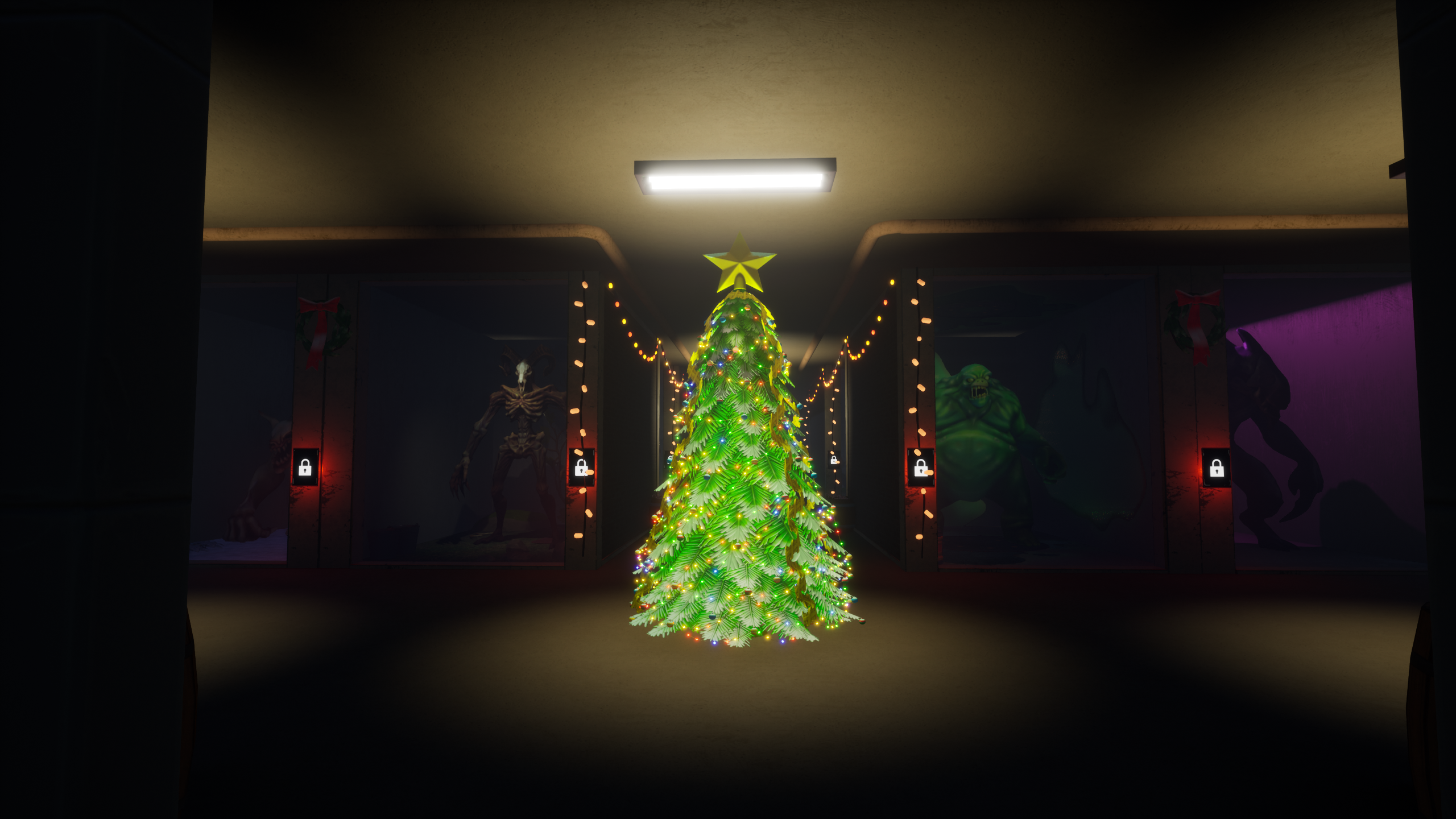
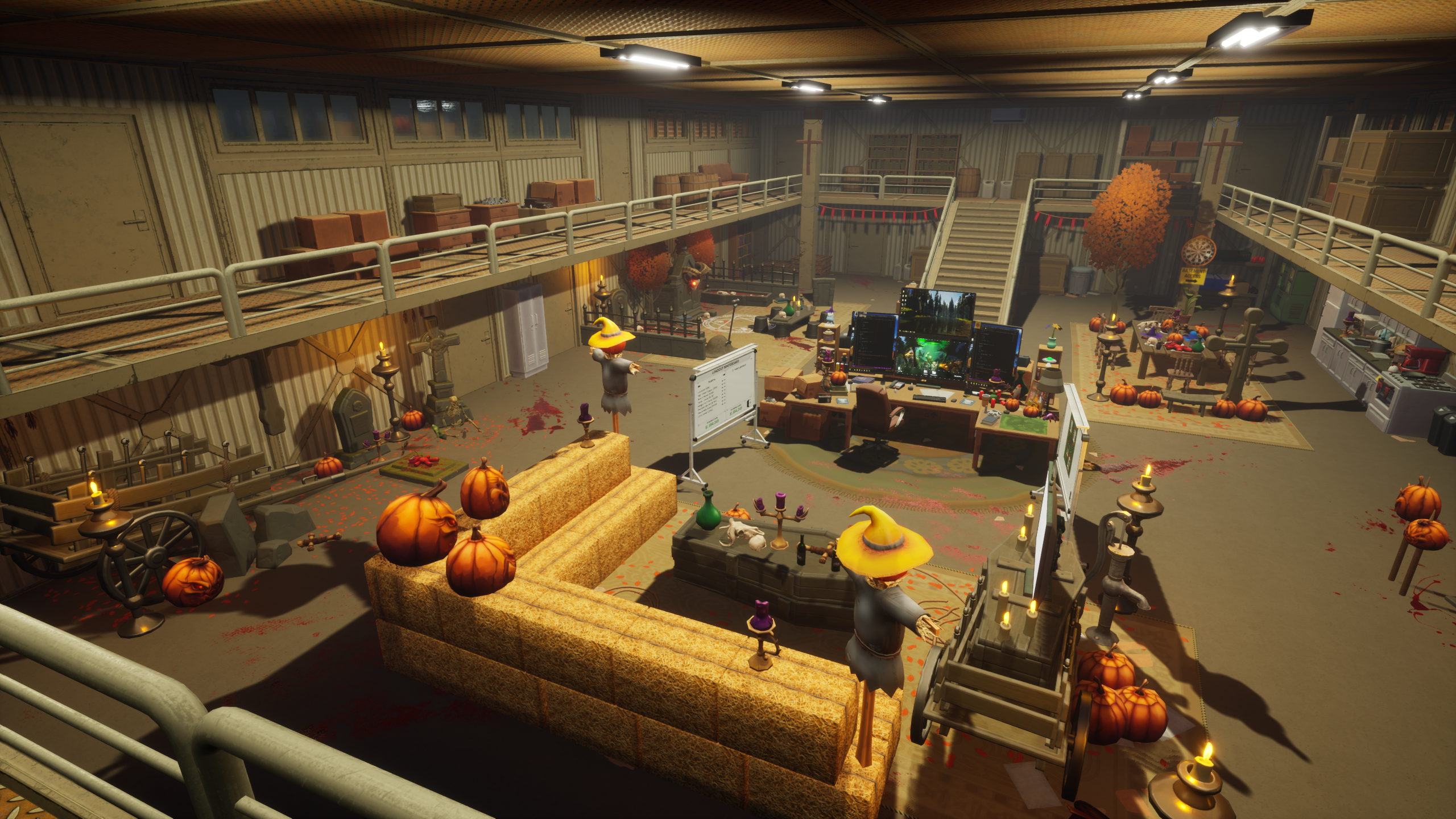
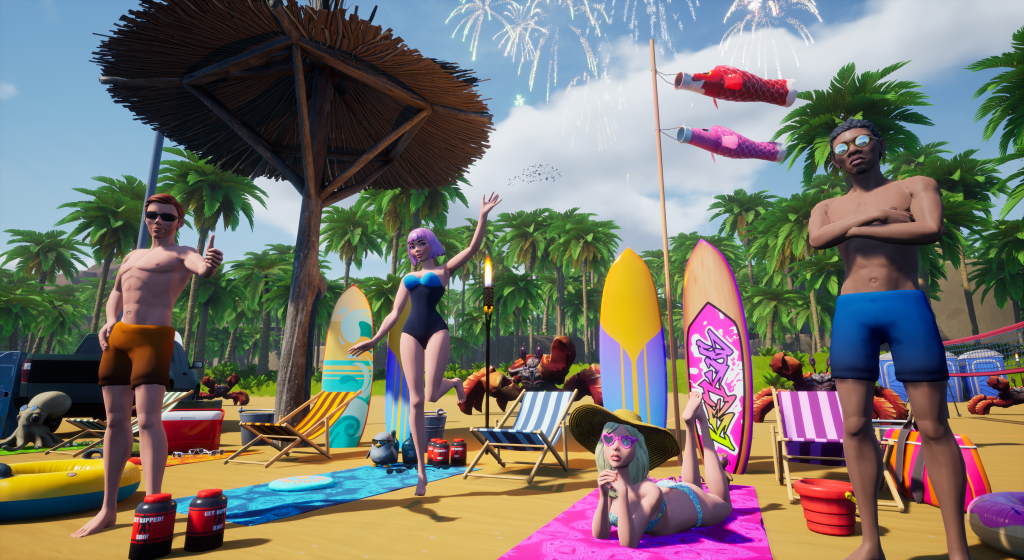
I also worked with the team to establish an Environmental Master Material that made changing the season quick and efficient. This allowed us to transform the FOB for events such as Halloween, Christmas, and other seasonal updates without rebuilding the environment.
Some of the features I designed included:
- Seasonal Master Material — Allowed the environment to quickly transition between seasons and events.
- Landmarks — Added memorable locations throughout the exterior for players to discover.
- Vehicle Paths — Designed roads, ramps, and paths to make navigating the FOB by vehicle feel natural.
- FOB Events — Used the exterior space for special events, FOB Quests, and additional rewards, including content tied to the FOB Shop.
The more players explored, discovered landmarks, and became familiar with the space, the more the FOB began to feel like their home. But I still felt something was missing: players could explore their home, but they couldn’t truly make it their own. That led to my next idea: FOB Customization.
Customization
I felt the FOB needed one final layer to truly feel like the player’s home, so I pitched the idea of FOB Customization. With only two developers, I knew a fully customizable base could quickly become an unrealistic feature, so I designed a modular system that could scale with our team and expand over time.
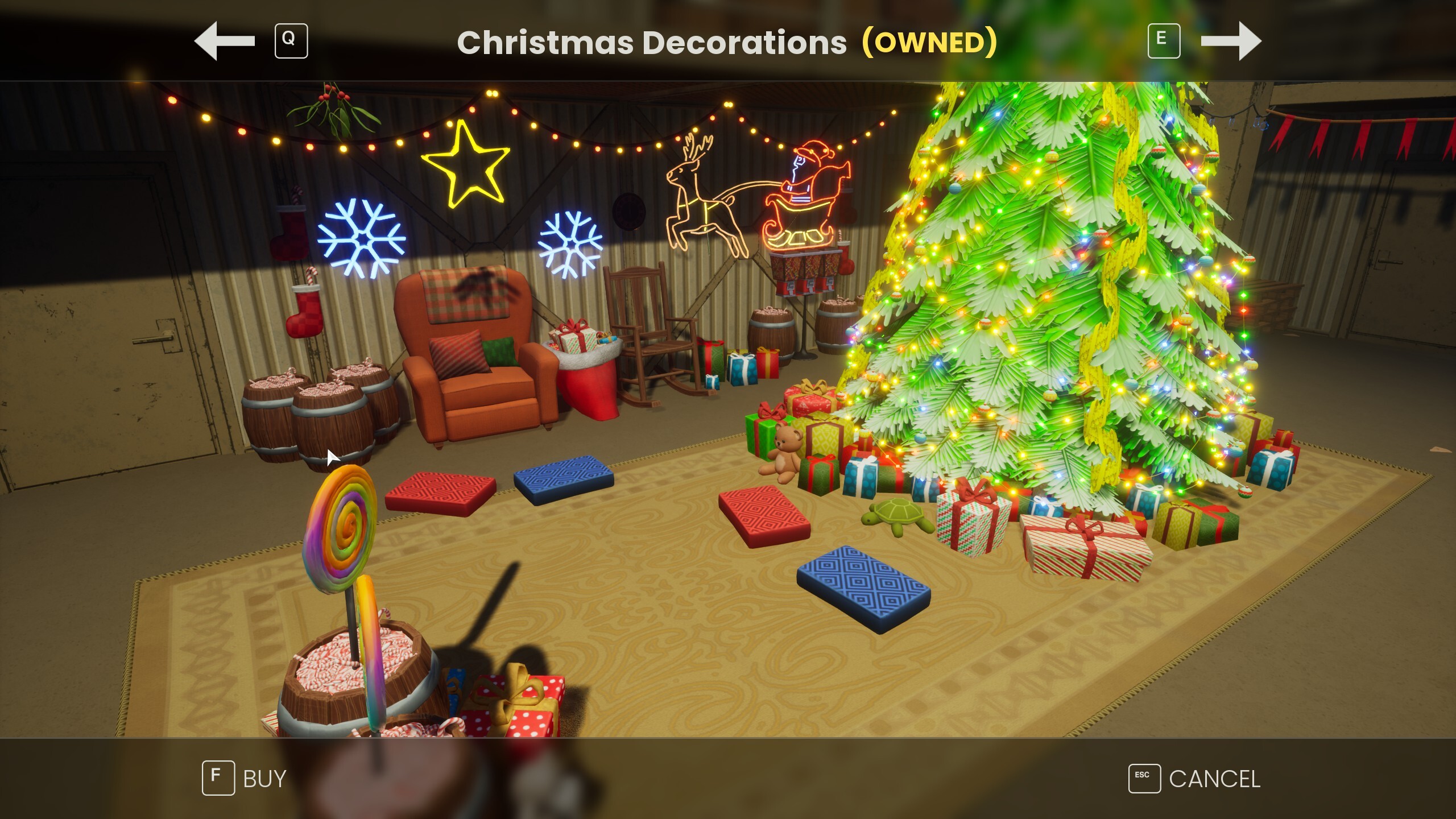
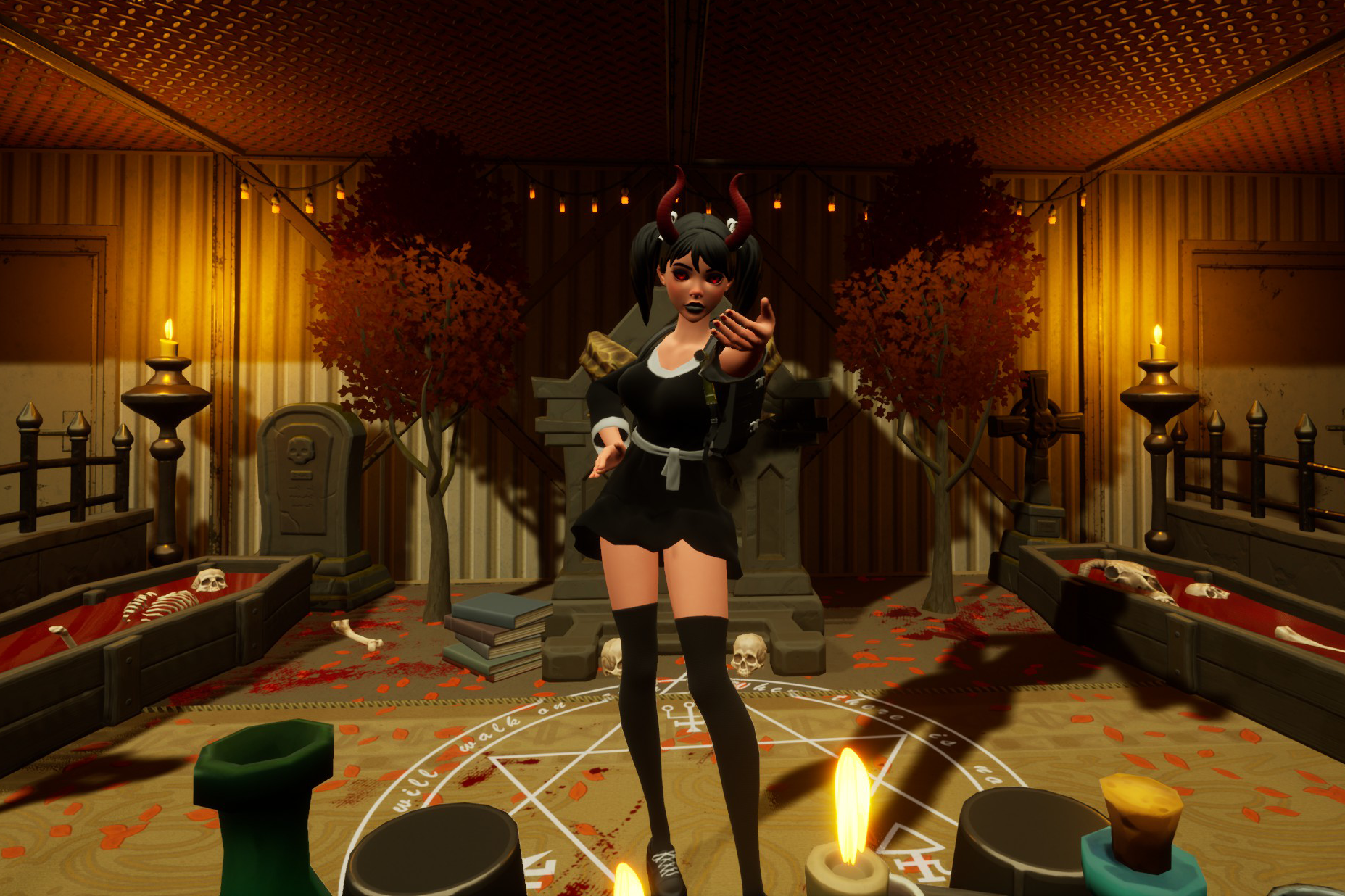
Five areas on the first floor were designated as Decoration Areas. Each could load a different prefab-based decoration set, allowing me to create themed spaces without rebuilding the FOB itself. This made it possible to offer both cohesive sets and enough variety for players to mix and match.
- Five Customizable Areas — Players could choose a unique Decoration Set for each area.
- 20+ Decoration Sets — Created a wide range of themes and styles for players to collect.
- Seasonal & Holiday Sets — Added special decorations for events and updates.
- Long-Term Progression — Gave players another reason to explore, complete FOB activities, and work toward new rewards.
The modular approach also made the system highly scalable for future updates. New events could introduce additional decoration sets without requiring major changes to the underlying system—giving us a feature that could continue growing alongside the game.
Modular Design
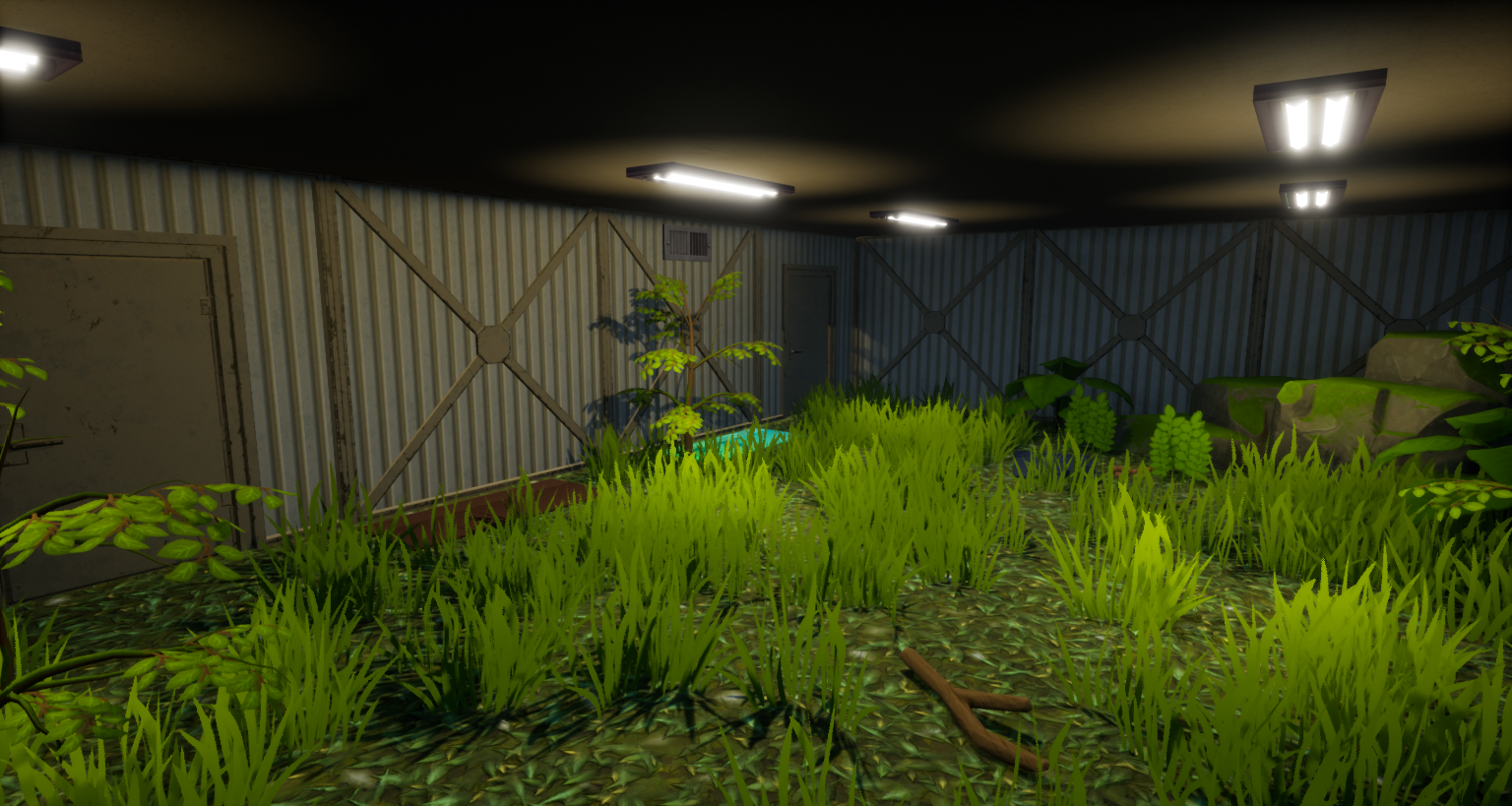
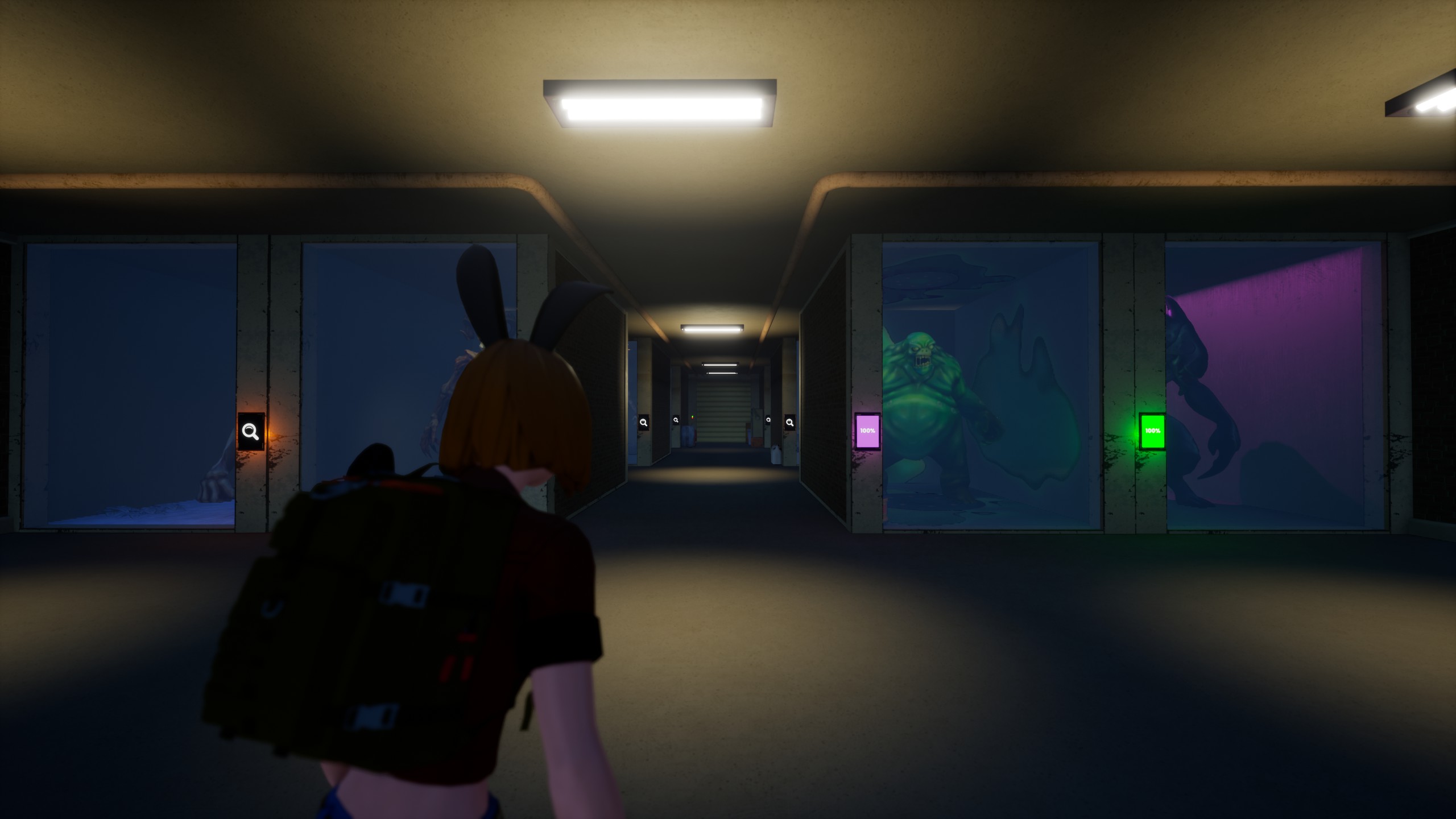
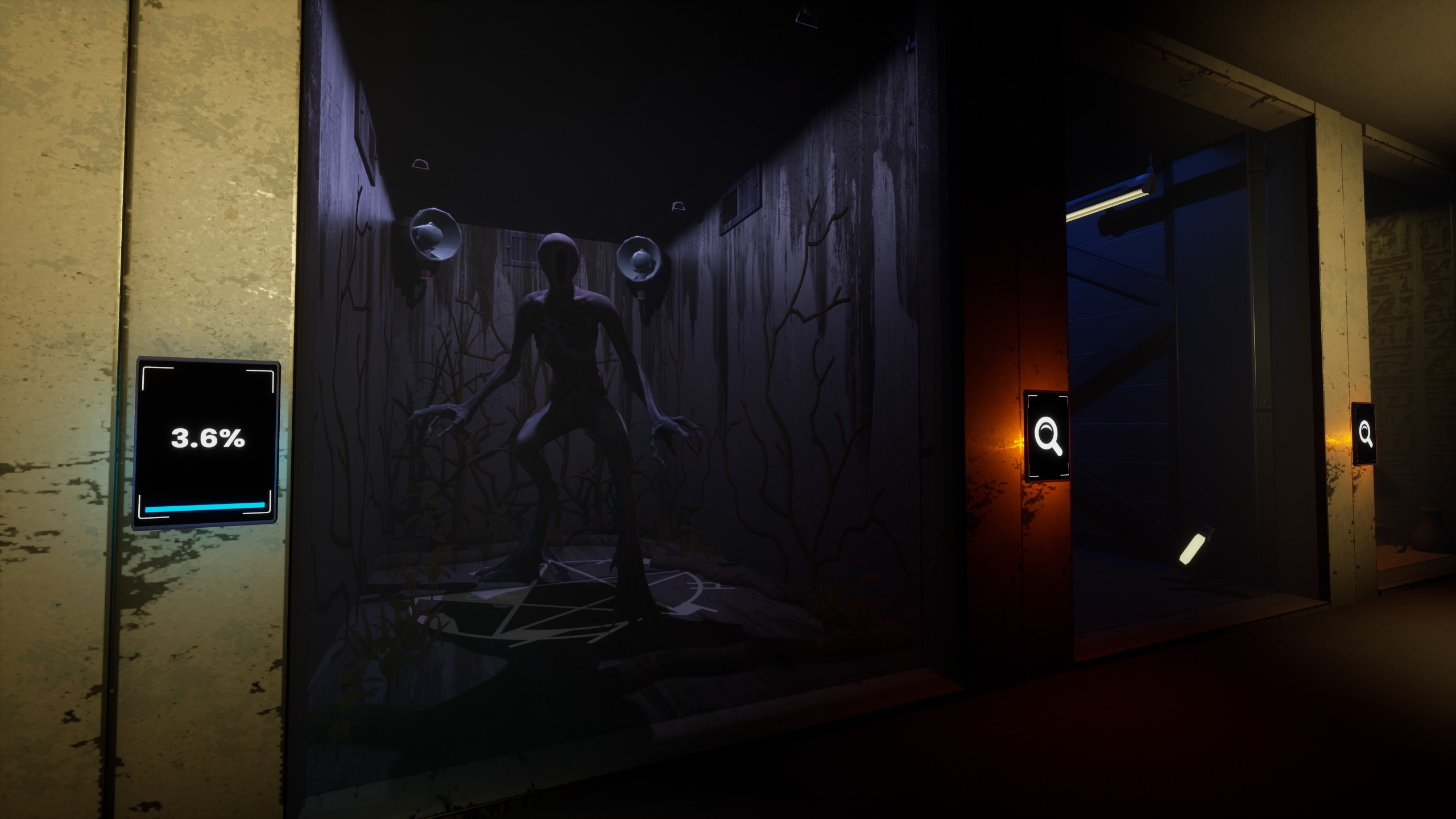
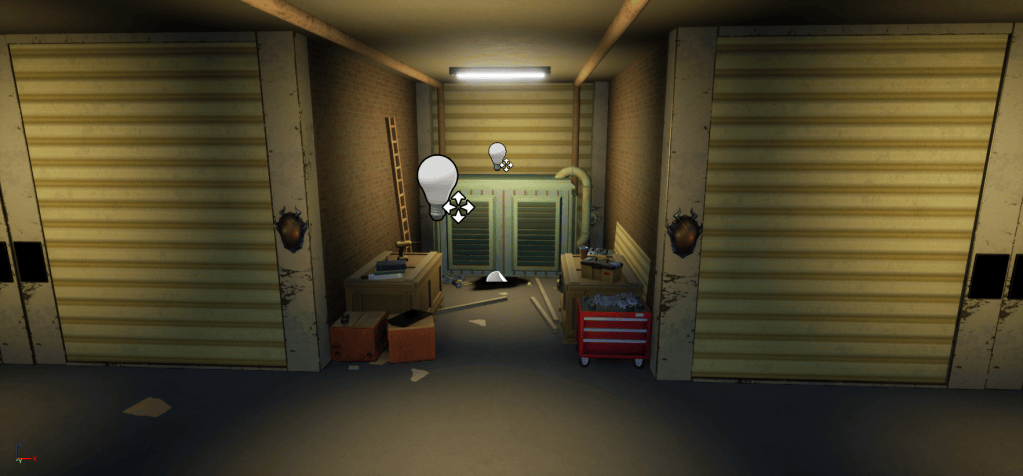
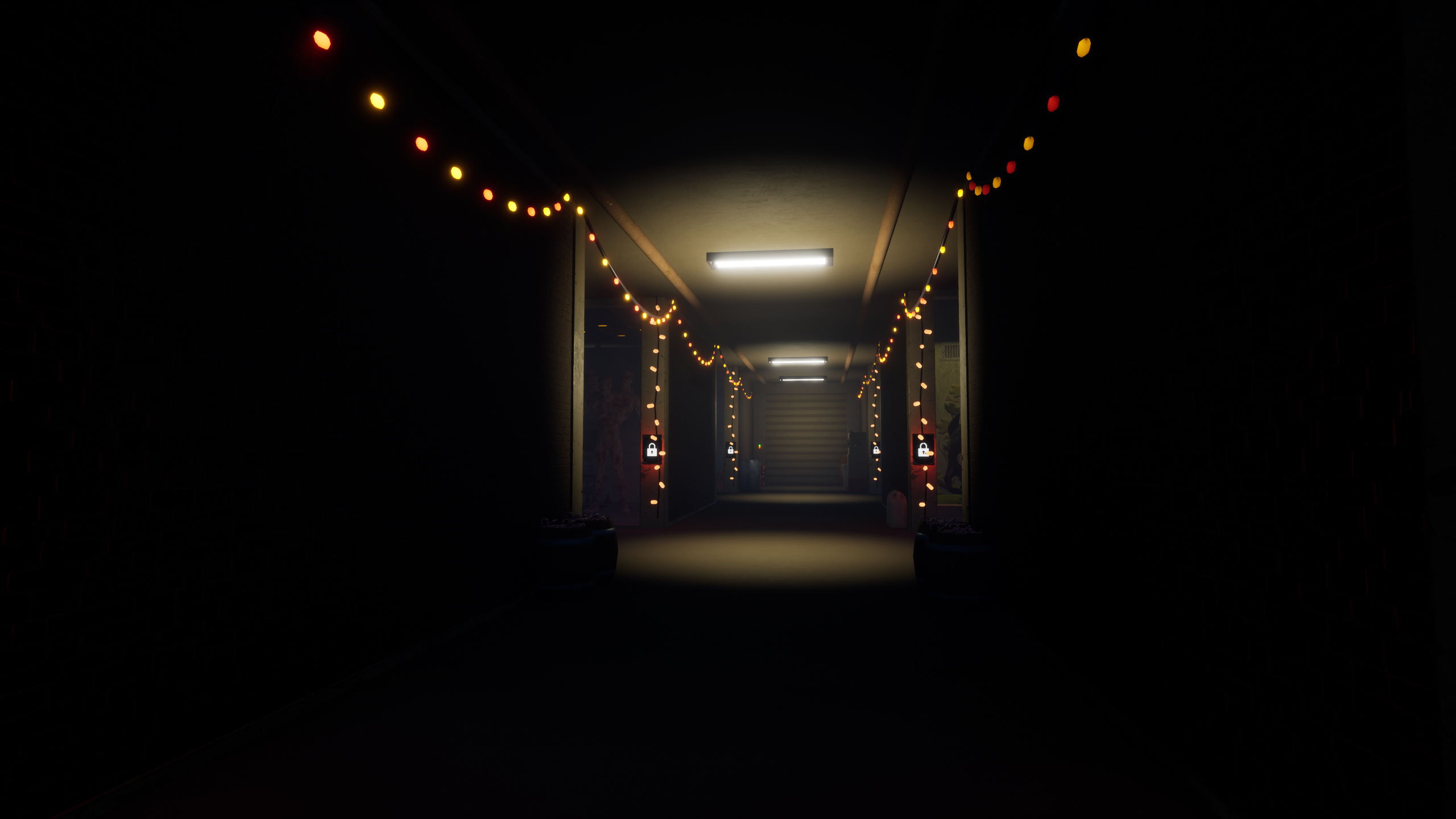
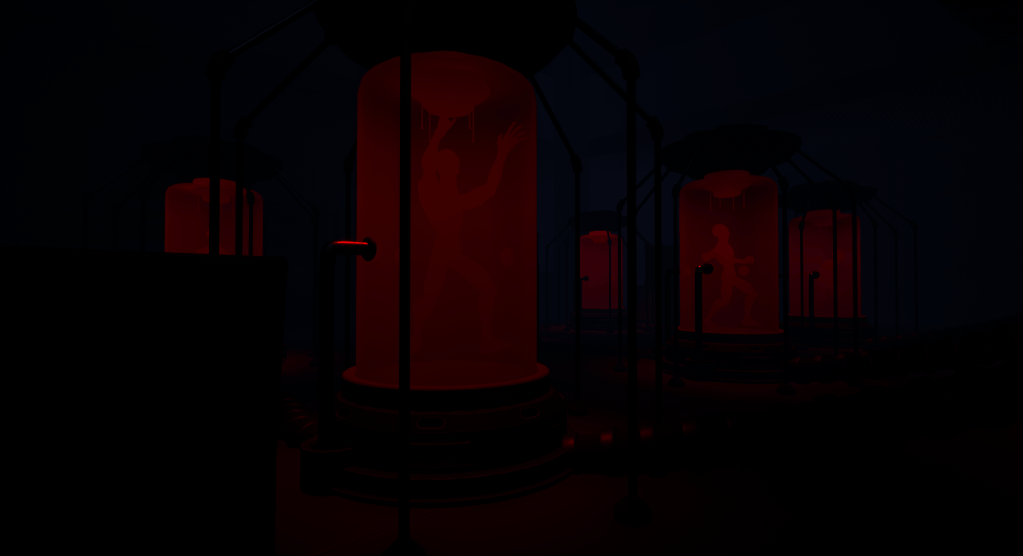
From the beginning, I designed the FOB with modularity and future expansion in mind. One of A DAY OUT’s major features was the ability to capture and contain monsters at the player’s base, so I designed the underground containment area as a series of modular cells that could easily be expanded as new creatures were introduced.
- Optimization — Designed the basement as modular sections that could be selectively loaded and culled, helping reduce unnecessary performance costs and visual pop-in.
- Fast Iteration — The modular structure made adding new Containment Cells and FOB content significantly faster, which was especially valuable as the solo Level Designer.
- Lore Building — Keeping the containment facility underground reinforced the idea that these creatures were dangerous, secretive, and not meant to be exposed to the public.
- Future Content — Construction props and unfinished areas could quietly hint at upcoming expansions, allowing future content to be teased through minor updates before its official release.
- Monster Research — After capturing a monster, players could visit its Containment Cell and begin a Research Timer. Research duration varied based on the monster’s size and complexity, with longer research periods providing larger monetary rewards. This gave the containment area a functional purpose while creating another reason for players to engage with the creatures they captured.
Designing the FOB this way meant I wasn’t just building for what existed at launch—I was building a foundation that could grow with the game.
Updating & Events
As the game continued to evolve, the FOB became a great way to introduce new content, inform players about updates, and tease what was coming next. Simple environmental changes, such as construction props, could hint at upcoming expansions, while Holiday and Update-themed content kept the FOB feeling alive.
With each update, I focused on the most important player requests, bugs, features, and narrative needs. This helped us consistently deliver meaningful updates while staying within the tight production timeline of a two-person team. I not only led the initial production of A DAY OUT, but also every update that followed.
- 47 Updates / Patches released since entering Early Access.
- 18 Updates / Patches since 5/9/2023 – 6/14/2024 (1.0) 10 Levels Made
- 29 Updates / Patches since 6/14/2024 (1.0) – Most Recent Update (Update 1.14) 8/13/2026
- Narrative Needs — Continued expanding the world and reinforcing the game’s ongoing story through updates.
Final Thoughts
A DAY OUT was a true passion project—my love letter to the movies, games, shows, and other media I grew up with. It gave me the opportunity to create an enormous amount of content, experiment with new ideas, and take on responsibilities across nearly every part of development.
More importantly, it taught me more about game development, production, and design than any project I’ve worked on before. As of now, A DAY OUT remains my largest and most ambitious project, and I’m incredibly grateful for the opportunity to see it grow from an idea into a game played and enjoyed by a community.
BACK
GALLERY
 KevTheDevGames